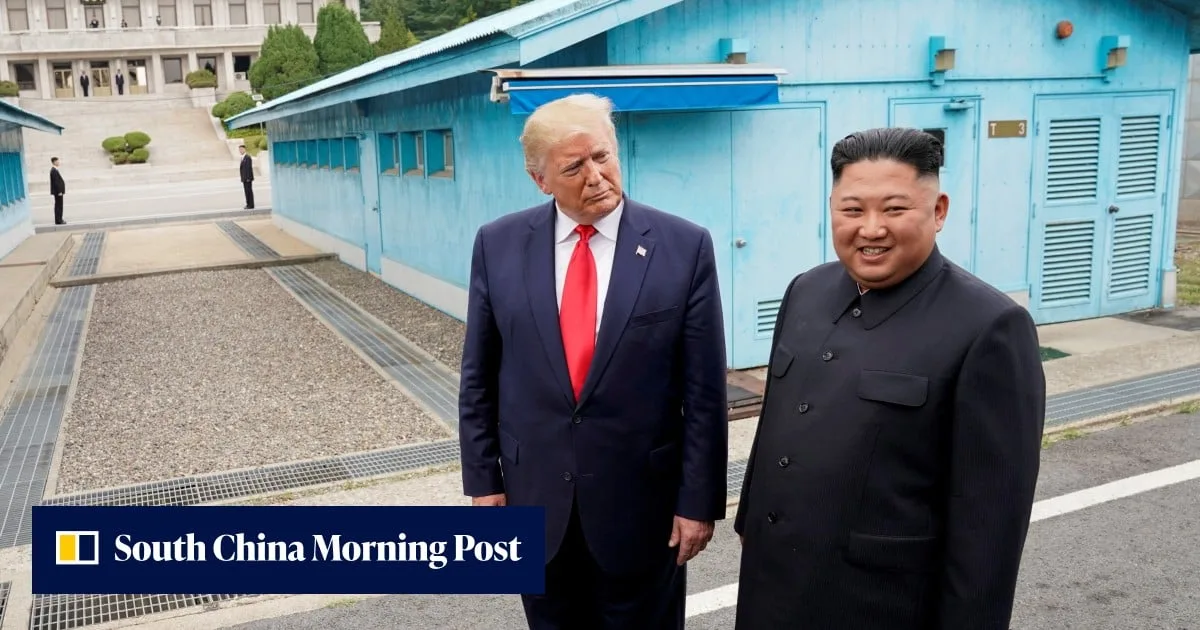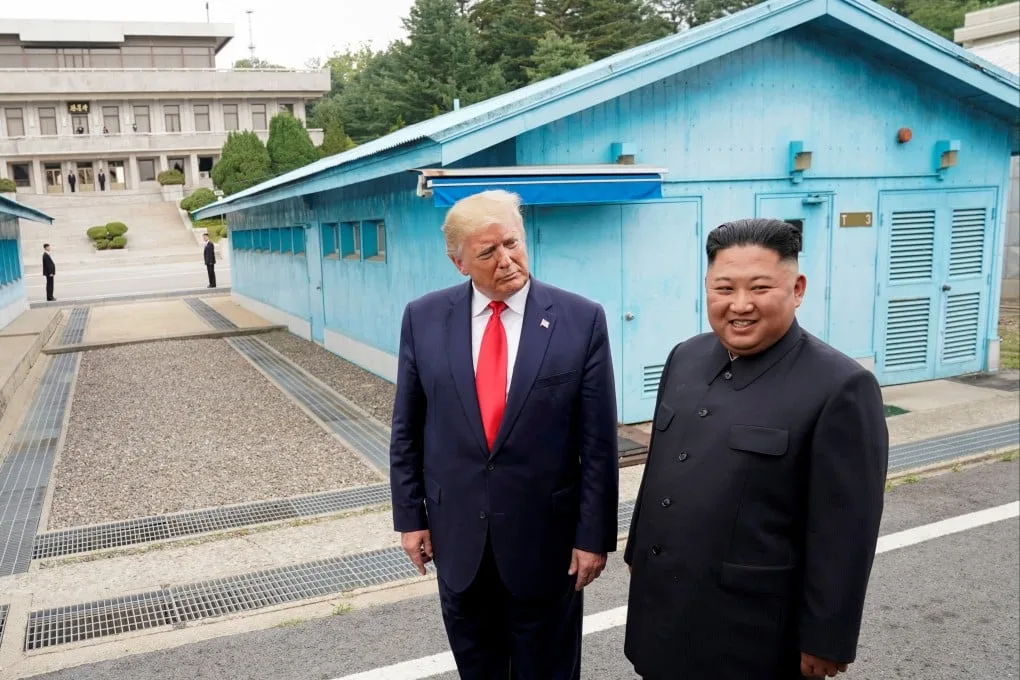
South Korea expressed support for U.S. President Donald Trump's efforts to resume talks with North Korea but stressed the need for substantive progress on North Korea's nuclear weapons and maintaining South Korea's security readiness. National security adviser Wi Sung-lac said it is critical that the dialogue lead to a peace regime on the Korean Peninsula and steps forward on denuclearization.
"One point to keep in mind is the need to coordinate with the United States to ensure that any resumption of U.S.-North Korea dialogue leads to substantive progress on the North Korean nuclear issue, alongside efforts to establish a peace regime on the Korean Peninsula," Wi said, underscoring close U.S.-South Korea communication as essential [1].
Wi also stressed that South Korea must not be sidelined or "passed over" during Washington's diplomacy with Pyongyang. "As the pacemaker and stakeholder for peace on the Korean Peninsula, we will support building trust and restarting dialogue between North Korea and the U.S.," he said, adding that South Korea seeks to avoid any weakening of its defense posture in the process [2].
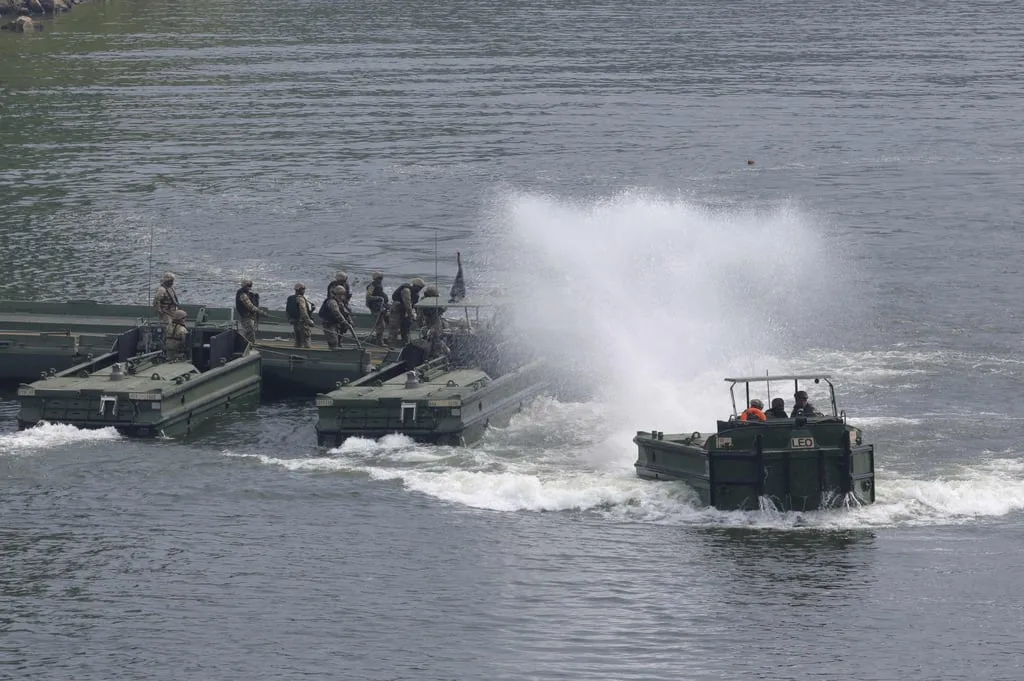
Earlier in August, Trump ordered major reductions in joint U.S.-South Korea military drills as a goodwill measure aimed at North Korea, signaling readiness to engage Pyongyang. Despite the cuts, South Korea, Japan, and the U.S. will hold joint exercises from September 9 to 11 to test readiness against missile and nuclear threats from the North [3].
Beyond security, South Korea is working to deepen cooperation with the U.S. on trade, investment, security cooperation, intelligence sharing, and the transfer of wartime operational control [3, 2, 4].
Separately, talks are underway between South Korea and China to prepare for President Lee Jae-myung's attendance at the November APEC summit in Shenzhen, including discussions on restarting trilateral cooperation among Korea, China, and Japan [2, 4].
The next key event is the tri-nation military drill scheduled for September 9-11, which will evaluate responses to North Korea's continuing missile and nuclear threats [3].