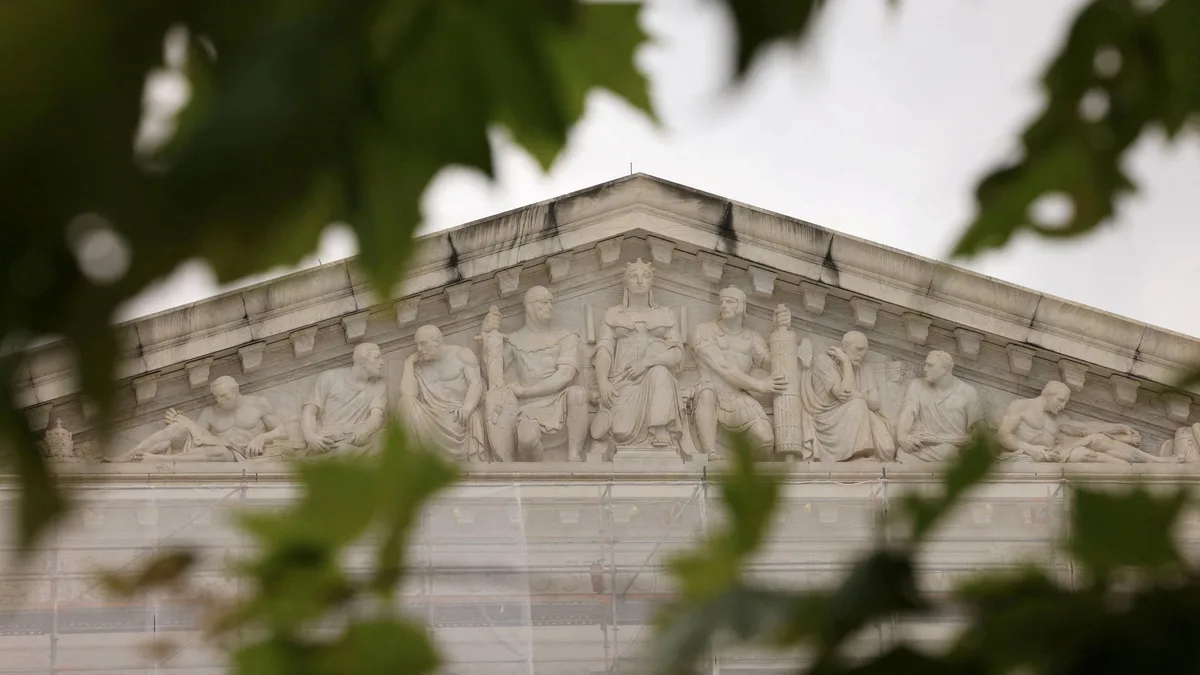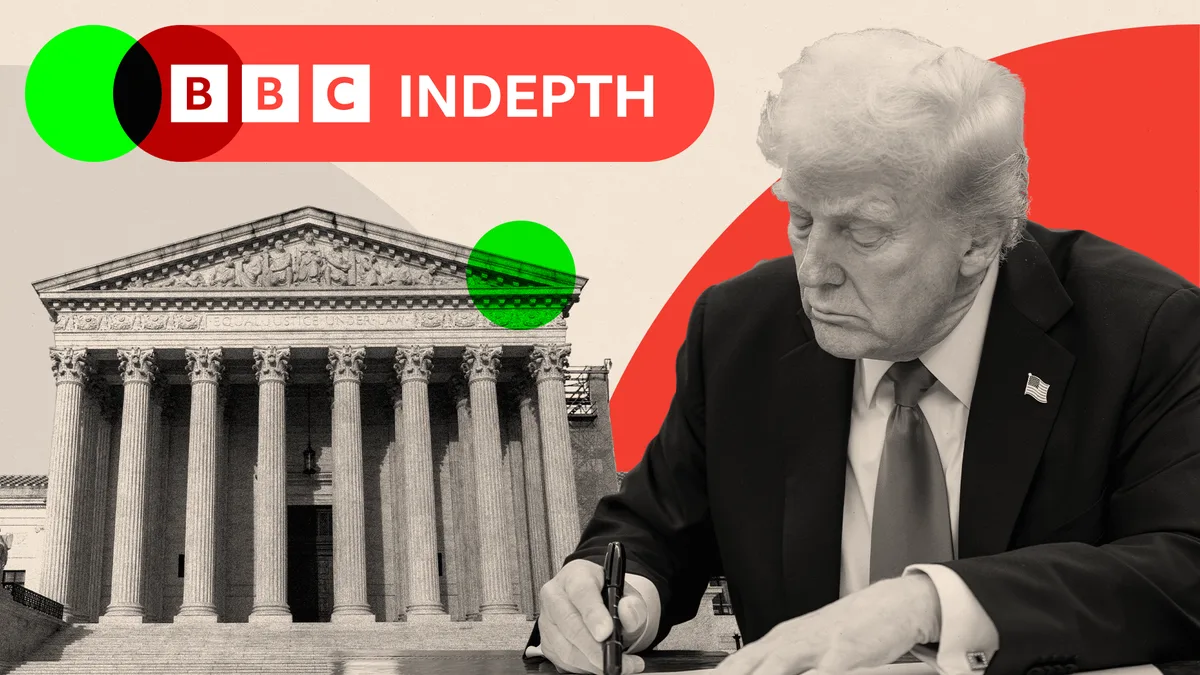
The US Supreme Court issued a ruling on June 29, 2026, allowing President Donald Trump to remove heads and commissioners of most independent federal regulatory agencies at will, overturning a 91-year precedent set by Humphrey's Executor in 1935 [1, 2, 3, 4, 5, 6, 7]. The 6-3 decision applies notably to agencies such as the Federal Trade Commission (FTC), National Labor Relations Board, Securities and Exchange Commission, and Consumer Product Safety Commission [1, 2, 6]. Chief Justice John Roberts wrote that "Subordinates who exercise the President’s power are subject to removal by him. Then, and only then, can they remain accountable to the President, and the President to the people" [1].
The precedent overturned had previously protected independent agency commissioners from removal without cause, insulating them from direct presidential control for 91 years [1, 3, 5, 6, 7]. Roberts emphasized that such protections "are contrary to the separation of powers enshrined in the Constitution" [6].
In a separate but related ruling on the same day, the Court narrowly upheld protections for Federal Reserve governors, ruling 5-4 that they cannot be fired by the president except for cause, preserving their independence [2, 3, 4, 5, 6]. This marks a clear distinction between most independent agencies and the Federal Reserve.
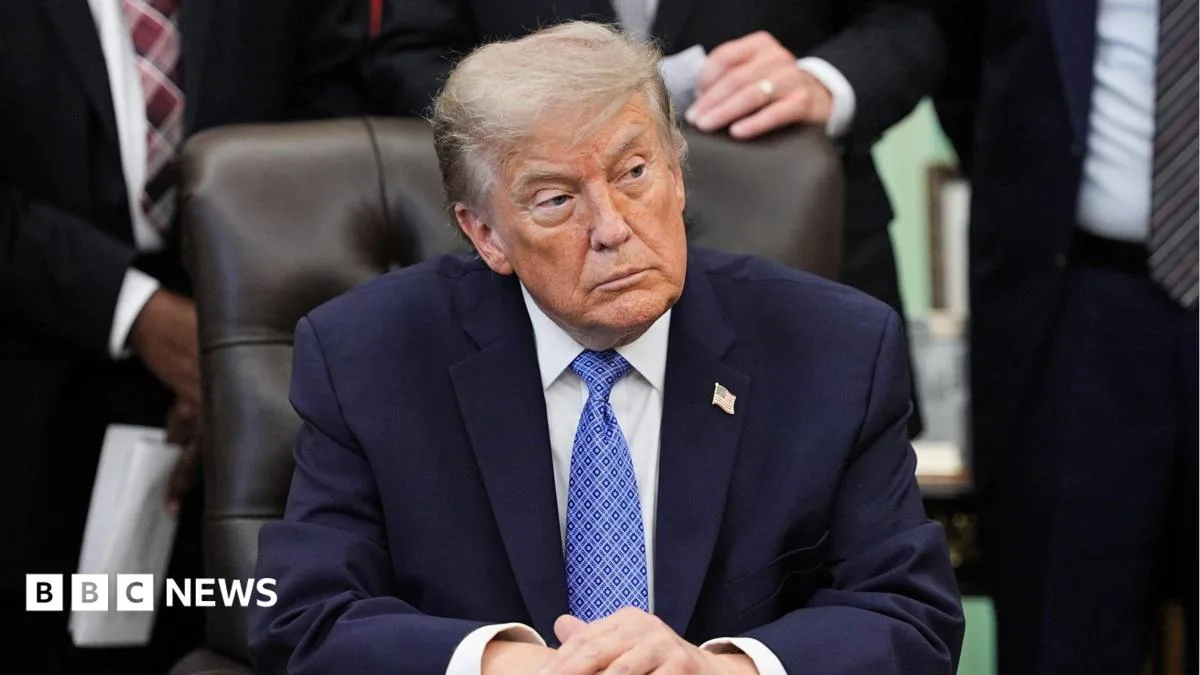
President Trump hailed the rulings as historic expansions of executive power. "Ninety years of precedent has been completely and unequivocally overruled, greatly increasing presidential power at a time when it is most needed!" he said [1]. He called it "such an Honor to be the sitting President who won this Historic and Unprecedented Ruling, one of the most important ever given with respect to Presidential Powers" [4].
The lawsuit that brought the case to the Court initially stemmed from Trump's firing of Democratic FTC commissioner Rebecca Kelly Slaughter, which triggered legal challenges [2, 3, 6].
Democratic officials and justices dissented strongly, warning that the decision risks politicizing federal regulatory agencies that had been protected from direct presidential influence. Senator Elizabeth Warren said, "Donald Trump has fired Democratic appointees and seized control of formerly independent agencies so they serve him and his billionaire friends instead of the American public" [4].
The ruling is expected to lead to significant political changes in the control and operation of independent federal agencies in the months to come [2, 5, 7].