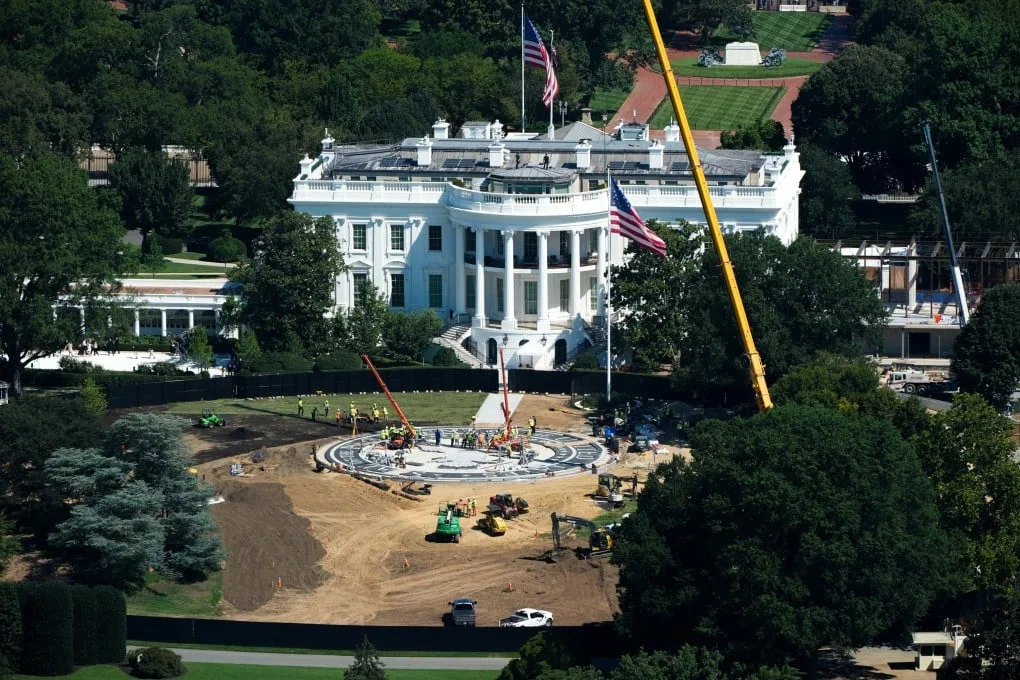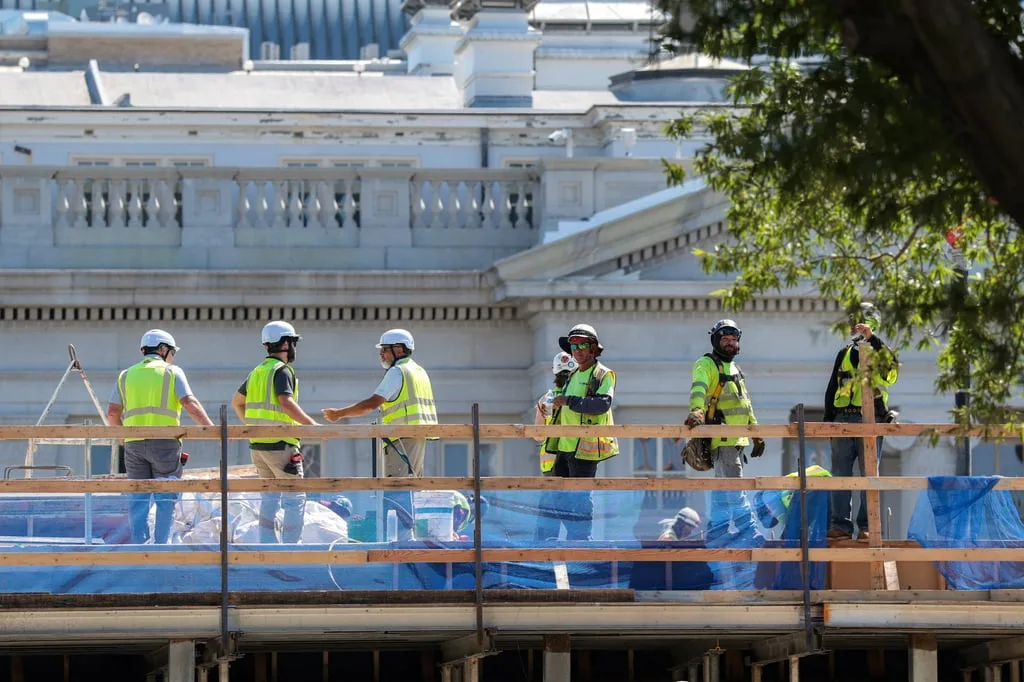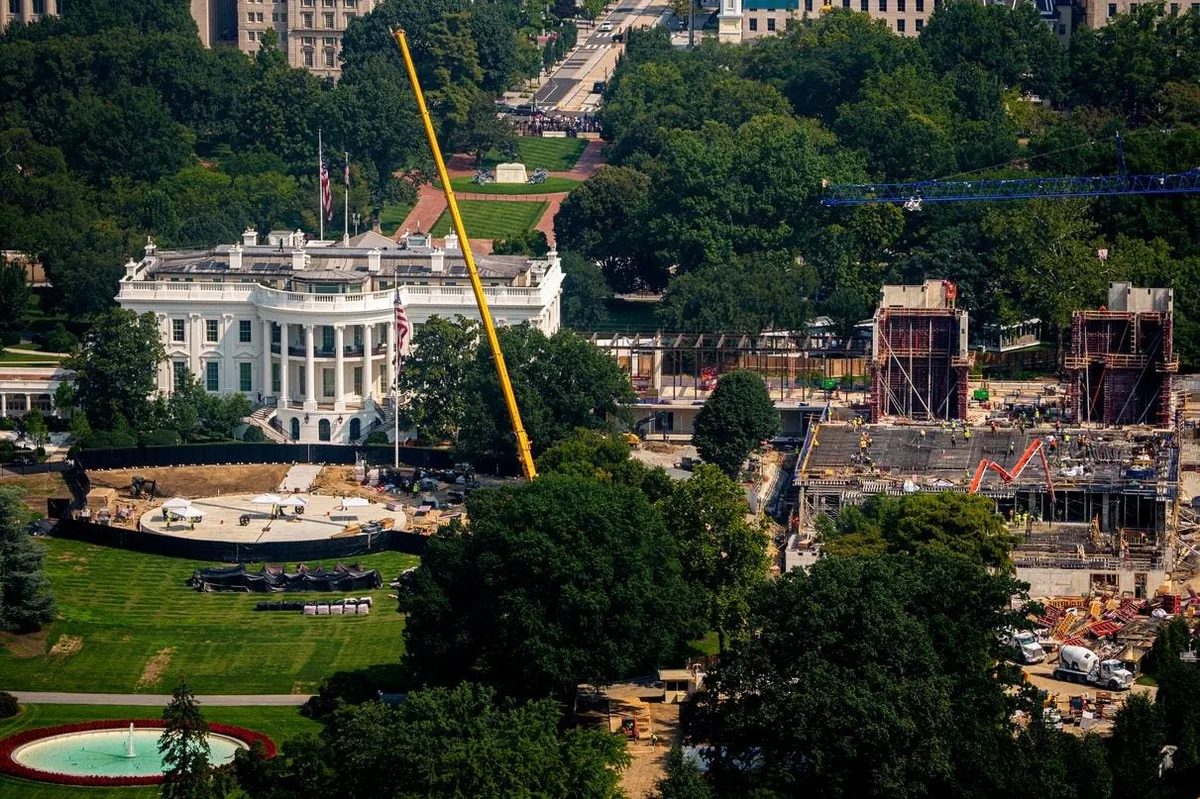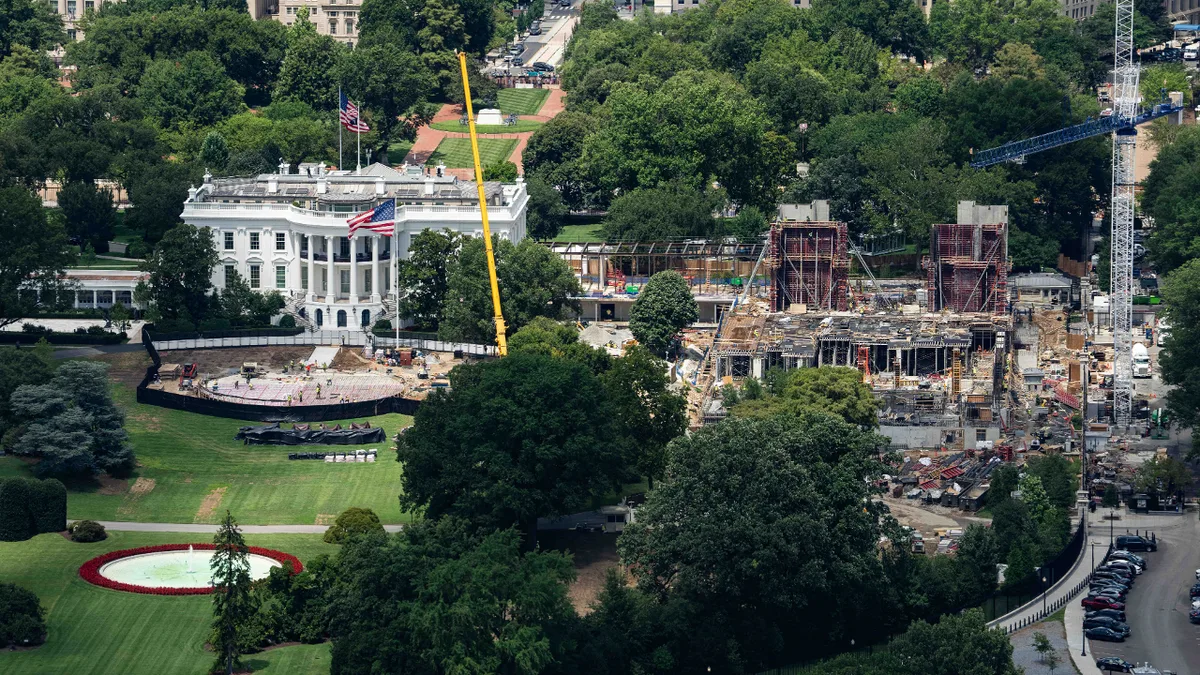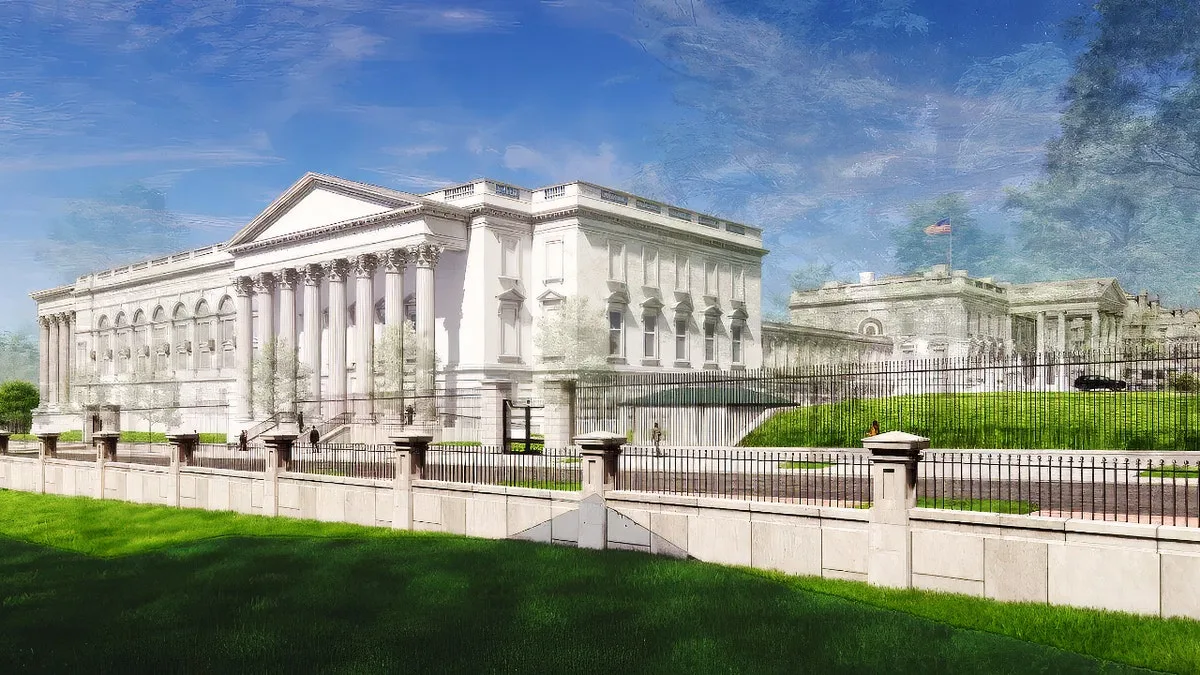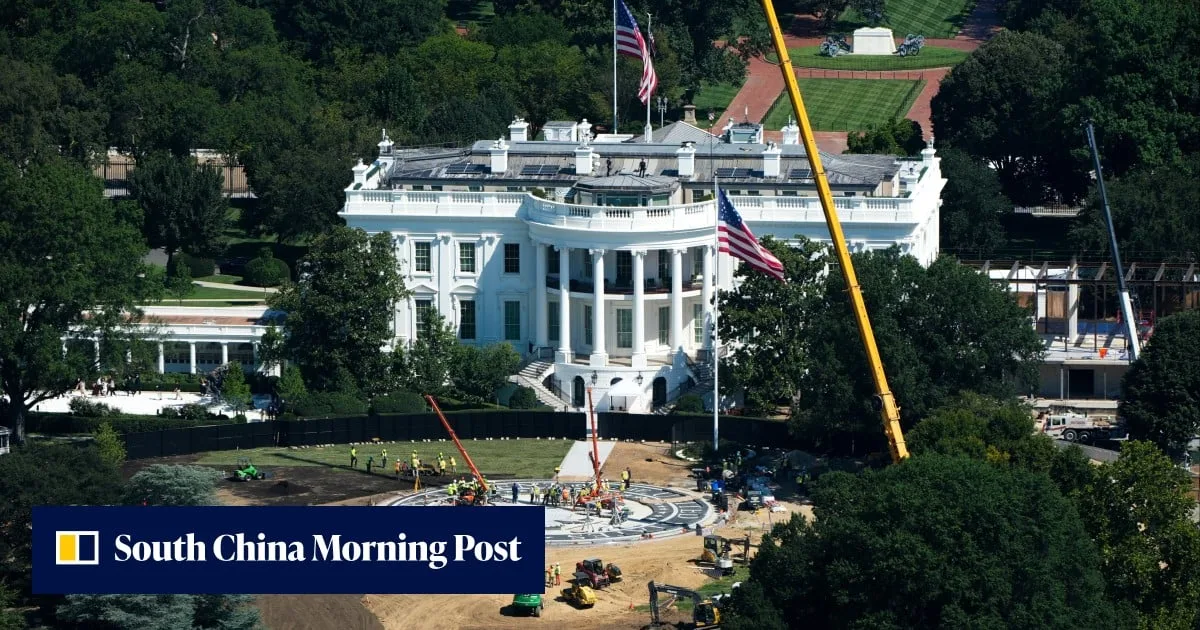
The US Supreme Court on August 21 temporarily stayed a lower court injunction that had blocked above-ground construction of the White House ballroom project proposed during the Trump administration [1, 2, 3, 4, 5]. The decision allows building to proceed while legal challenges continue.
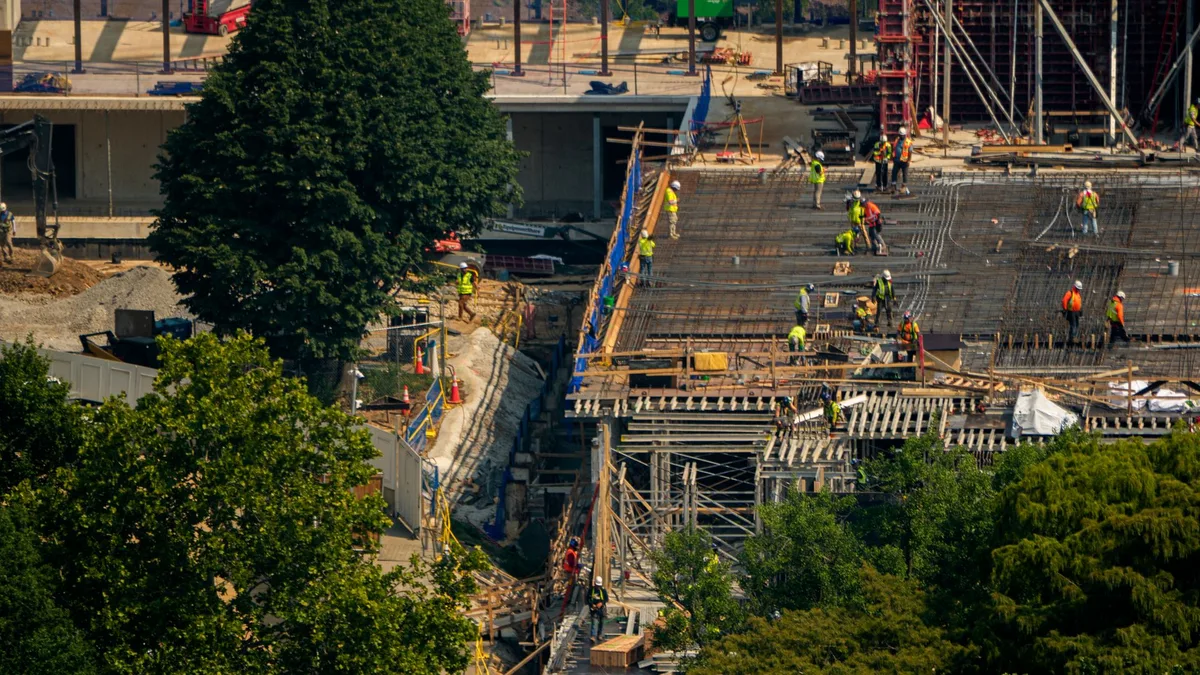
The project involves constructing a 90,000-square-foot ballroom at the White House East Wing, along with an extensive underground security complex [1, 4]. Construction is about 65% complete, with most underground work nearly finished, according to recent court filings [2, 3].
The Trump administration argues the project is critical for national security, citing past assassination attempts and threats to the president. Solicitor General D. John Sauer called the injunction "extraordinary and unlawful" and said the ballroom serves as a "totally secure" space vitally required by national security [1, 2, 5]. The administration also stated the project requires no taxpayer funds [3].
The National Trust for Historic Preservation sued to stop construction in 2025 after demolition began without congressional approval, arguing the project lacked legal authorization [1, 5]. A federal district court halted above-ground work in April 2026, and a divided federal appeals court panel then blocked above-ground construction pending congressional approval while allowing underground security-related work to continue [2, 4, 5].
The Supreme Court’s administrative stay allows above-ground construction to proceed temporarily but does not resolve the broader legal disputes [2, 5]. Estimates place the total project cost between $400 million and $600 million, with some sources claiming taxpayers could cover up to half the expenses, though the administration denies any public funding [1, 3, 4].
Chief Justice John Roberts granted the stay, enabling ongoing construction after months of delays caused by litigation [1, 2, 3, 4, 5]. The next legal steps remain pending, with no immediate resolution on congressional approval or final court rulings.
The Supreme Court’s order applies as the lawsuit moves forward, allowing work above ground to continue while the dispute continues through the courts.