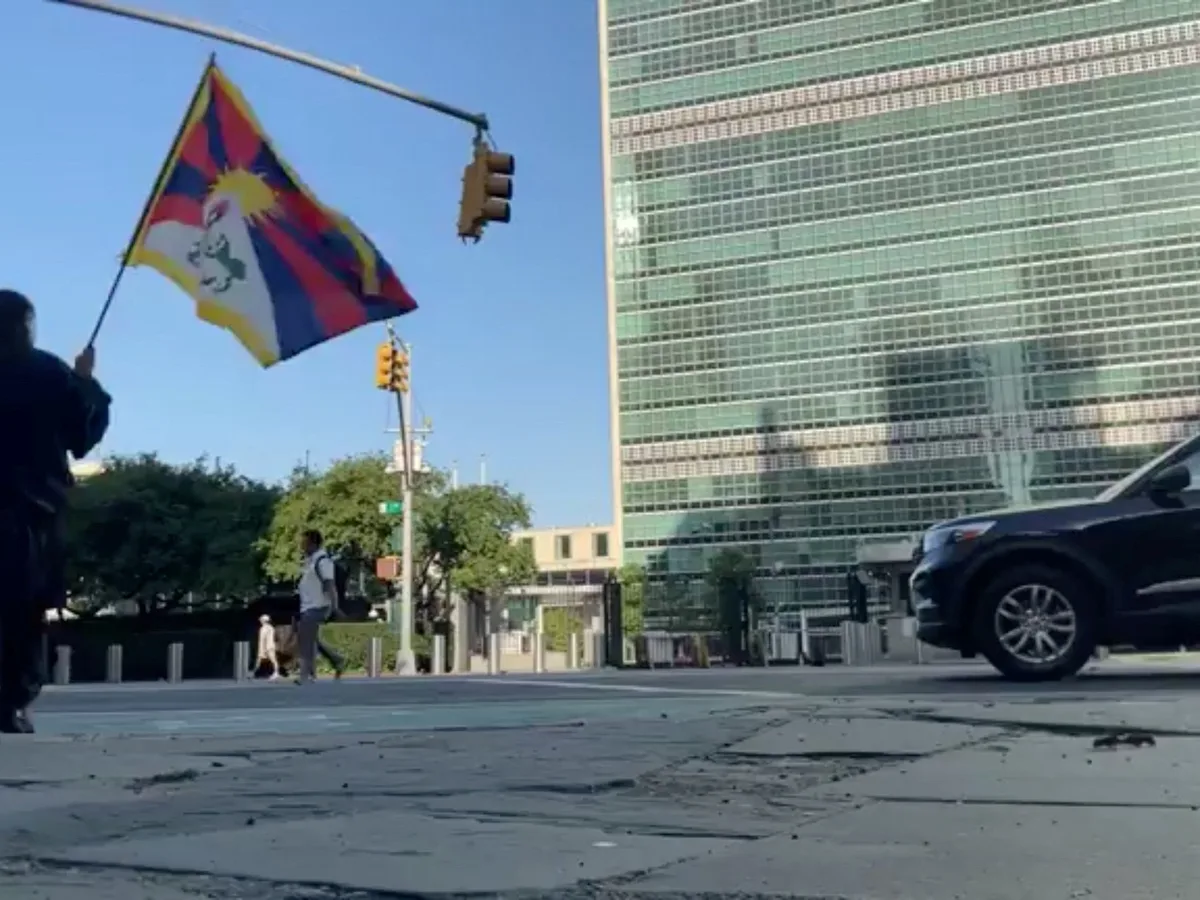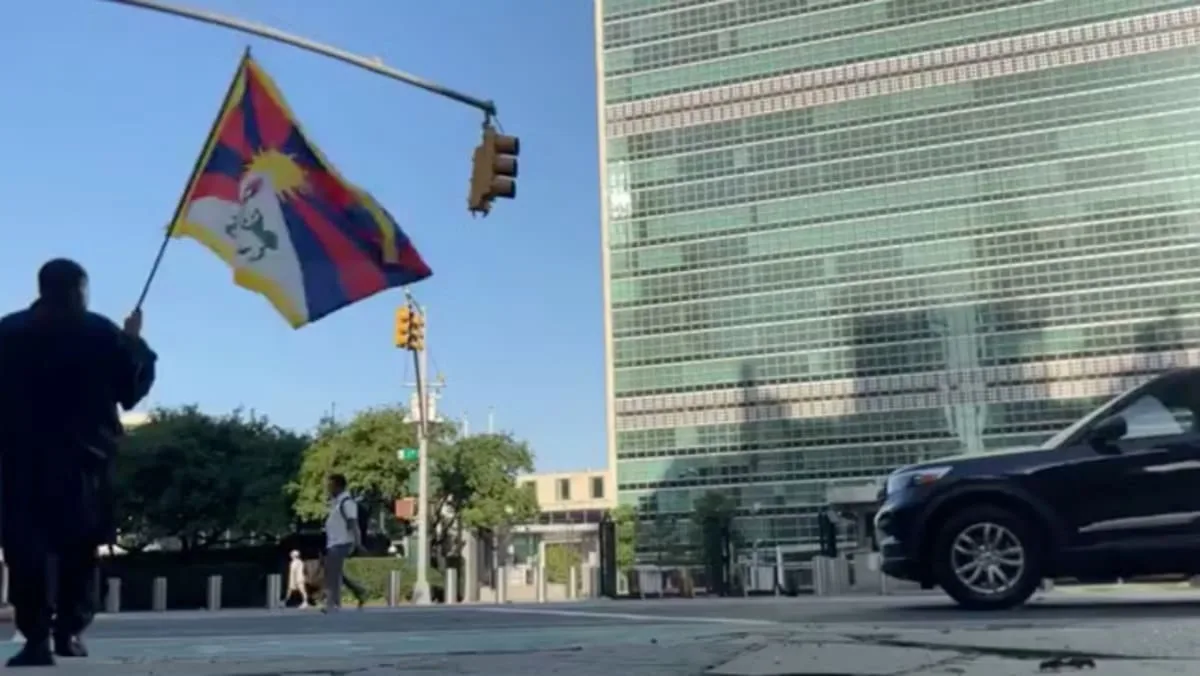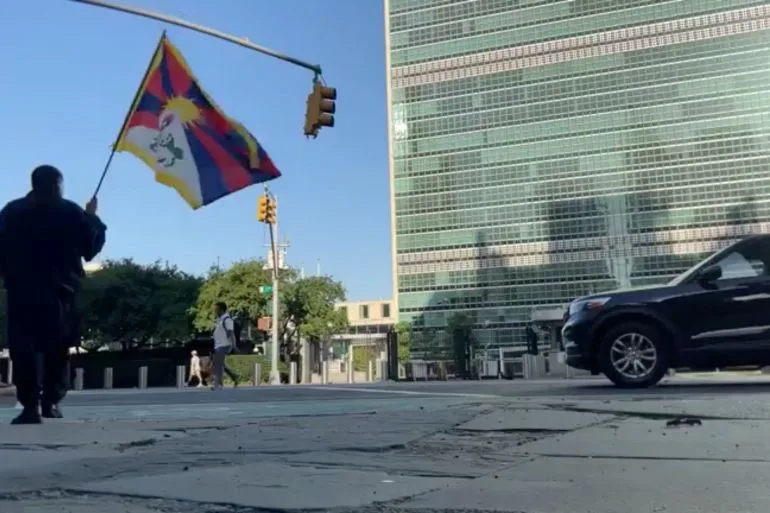
On July 2, 2026, Lobga Rangzen, a 52-year-old Tibetan activist and Uber driver, set himself on fire outside the United Nations headquarters in New York City at around 6:30 pm local time. Emergency responders transported him to Bellevue Hospital where he was pronounced dead from his injuries [1, 2, 3, 4].
Rangzen carried a Tibetan flag during the protest, which remained at the scene for about an hour as police investigated [1, 2, 3, 4]. He livestreamed his act and had posted a farewell statement on Facebook urging Tibetan exiles to stay united and responsible in their struggle for Tibetan independence and unity [5, 6].
The self-immolation came a day after China's "Law on Promoting Ethnic Unity and Progress" took effect on July 1, 2026. Critics say the law threatens Tibetan culture, language, and religion. Tibetan exile groups condemned the law and called for peaceful dialogue with China [1, 3, 4, 5, 6, 7].
The international human rights community and Tibetan exiles noted more than 150 Tibetan self-immolations have occurred between 2009 and 2022, including 10 cases among Tibetans in exile [1, 2, 3, 4, 5, 6, 8]. Rangzen's fellow Uber driver Lobsang Paljor said Rangzen was enraged by the restrictions imposed by the Chinese government on Tibetans [7].
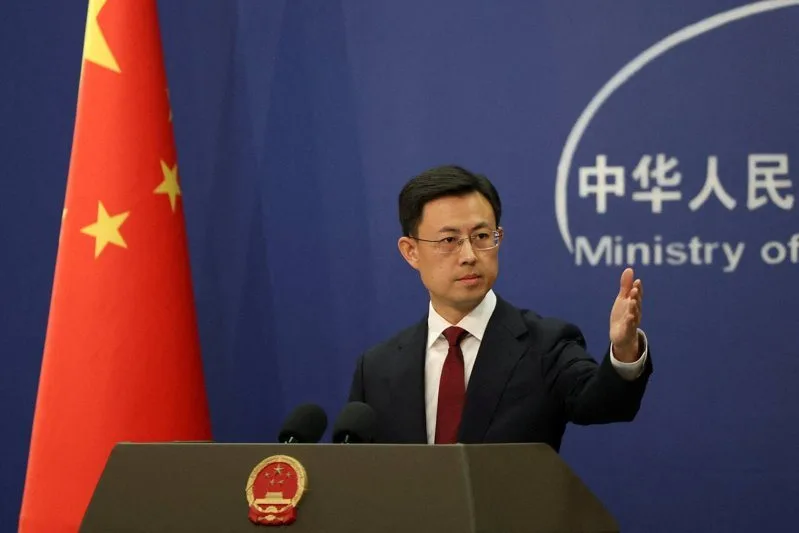
China rejects allegations of oppression, stating that Tibet has been part of China since the 13th century and calling the 1950 takeover a peaceful liberation. Chinese Foreign Ministry spokesperson Guo Jiakun said, "We believe relevant countries will handle this matter according to their laws," emphasizing Tibet as an inseparable part of China [1, 3, 8].
UN Secretary-General Antonio Guterres's spokesperson expressed condolences, saying, "We are saddened by this tragic and horrific incident, and offer our condolences to his family" [1]. Tencho Gyatso, president of the International Campaign for Tibet, described Rangzen as "a tireless advocate for Tibet who devoted himself to peacefully raising awareness of the human rights crisis in Tibet" [1].
Following the incident on July 2 evening and the days after, many Tibetan exiles gathered near the UN headquarters to commemorate Rangzen and express support for Tibetan rights [6].
On July 3, exiled Tibetan groups publicly identified the man as Lobga Rangzen and highlighted his activism. China’s foreign ministry reiterated its position on Tibet’s status the same day [3].