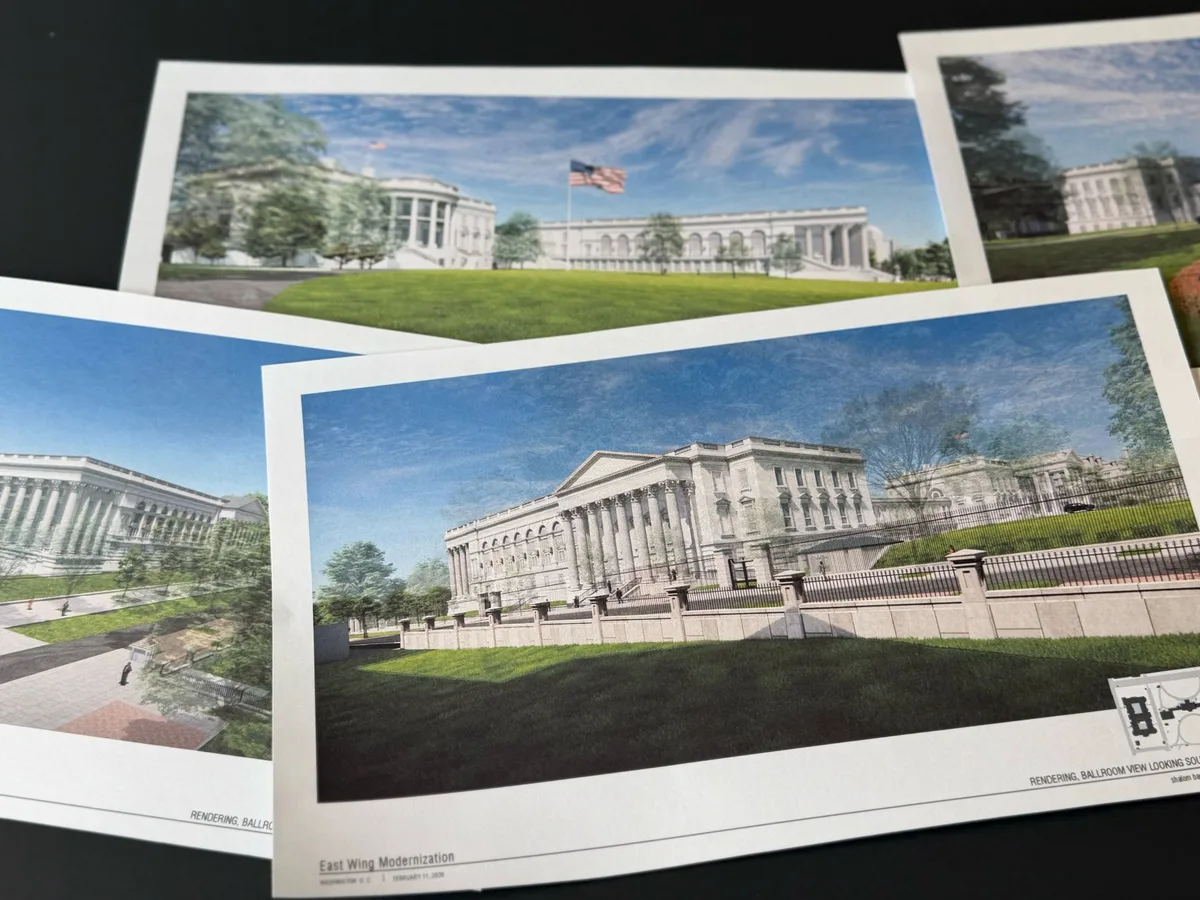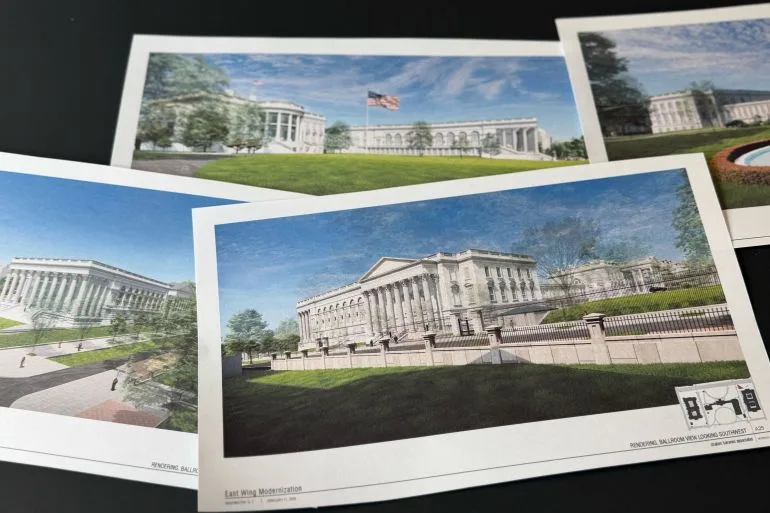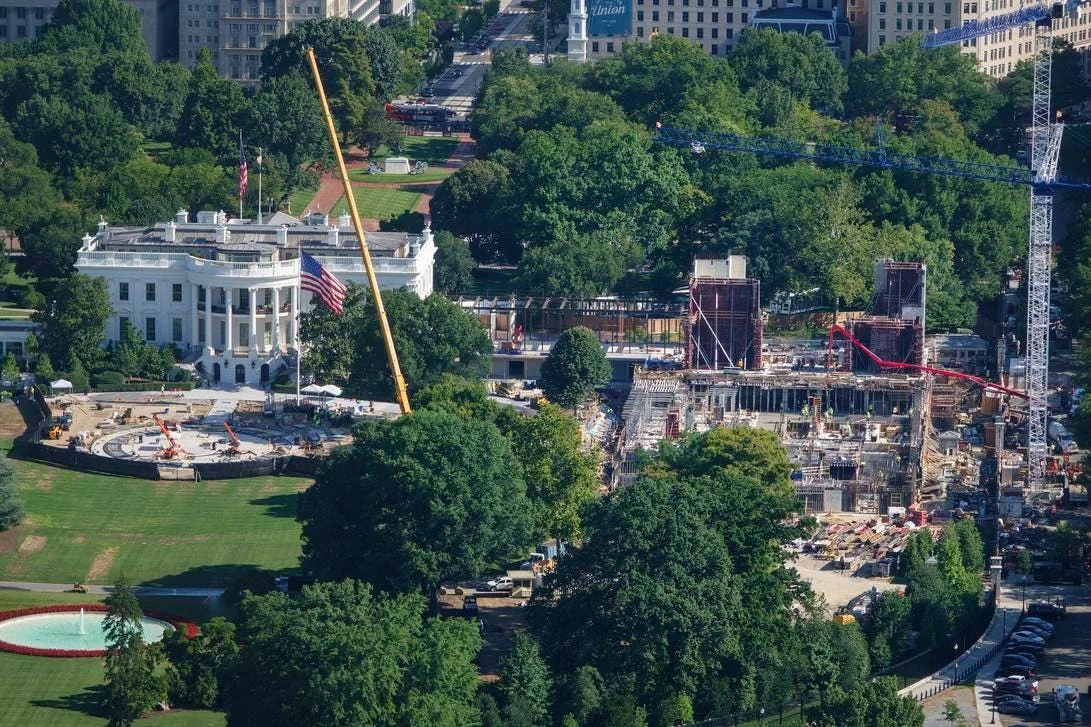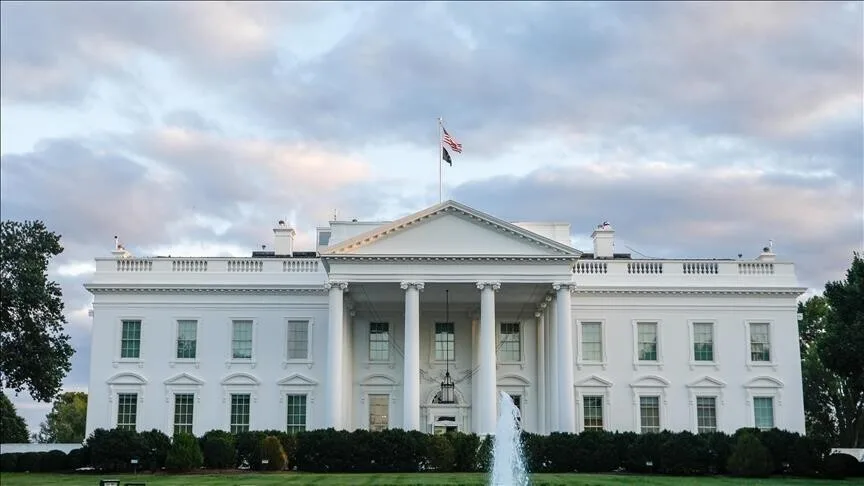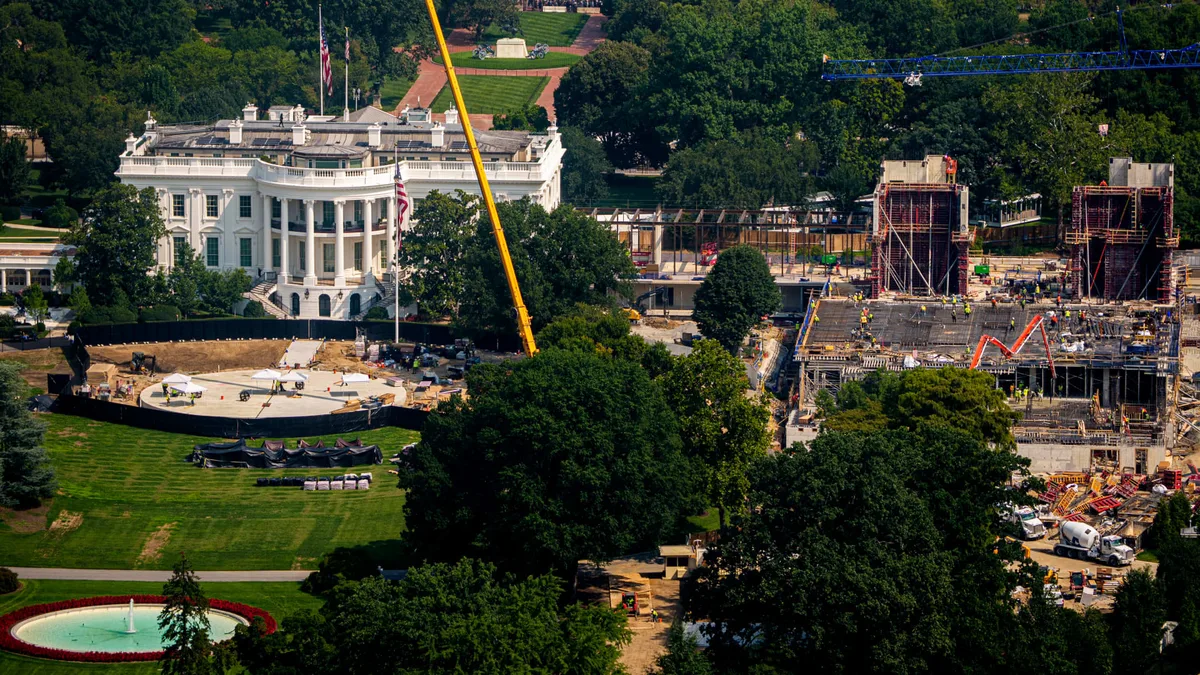
The Trump administration filed a petition on August 14, 2026, asking the US Supreme Court to block a federal appeals court order that halted above-ground construction of a new White House ballroom [1, 2, 3, 4]. The $400 million ballroom is being built on the former East Wing site, demolished last year, and aims to provide a secure space including a rooftop "drone port" for national security purposes [1, 2, 3, 4].
The US Court of Appeals for the DC Circuit ruled on August 7 that the project lacks congressional approval and ordered above-ground work to stop by August 21 unless stayed by the Supreme Court [1, 2, 3, 4]. The appeals court panel said, "Whether or not a massive ballroom should be constructed is for Congress to decide and is not a matter for Executive self-help" [1]. However, the injunction does not apply to underground security-related work, which can continue [3, 4].
Solicitor General D. John Sauer argued in the Supreme Court petition that the injunction is "extraordinary and unlawful" and that the secure ballroom is “vitally required by national security." He said, "If the appellate court’s block is allowed to take effect, it would wrongfully install a single district judge as sole arbiter of what further construction is 'strictly necessary' to protect the safety of the President, his family, staff members, and visitors" including foreign dignitaries and world leaders [1, 2].
The administration says the project is on schedule and mostly funded by private donations, while some critics contend taxpayer money may be involved and that Congress has not approved further funding [1, 3]. A nonprofit group, the National Trust for Historic Preservation, brought the lawsuit to stop construction, citing the lack of congressional approval [1, 3].
The planned 90,000-square-foot ballroom will require 3,000 cubic yards of concrete and 1 million pounds of rebar in the coming week, according to public filings [1]. The injunction’s scheduled effective date is August 21 unless the Supreme Court issues a stay [2, 3].