The Trump administration is considering charging international students who graduate from U.S. universities a fee of $100,000 to work in the U.S. under the Optional Practical Training (OPT) program, according to multiple reports from late July 2026 [1, 2, 3, 4, 5, 6, 7, 8, 9, 10]. The OPT program allows international students holding F-1 visas to work in the U.S. for one to three years after graduation in their field of study [1, 2, 3, 4, 5, 6, 7, 8, 9, 10].
An estimated 419,000 foreign nationals were working in the U.S. under OPT in 2024 [1, 2, 3, 4, 5, 6, 7, 9, 10]. The $100,000 fee proposal is currently under internal discussion within the Department of Homeland Security (DHS) but has not been finalized or approved by the White House [1, 2, 3, 4, 5, 6, 7, 9, 10]. It remains unclear who would pay the fee, whether the international students themselves, their universities, or their employers [1, 2, 3, 4, 5, 6, 7, 9, 10].
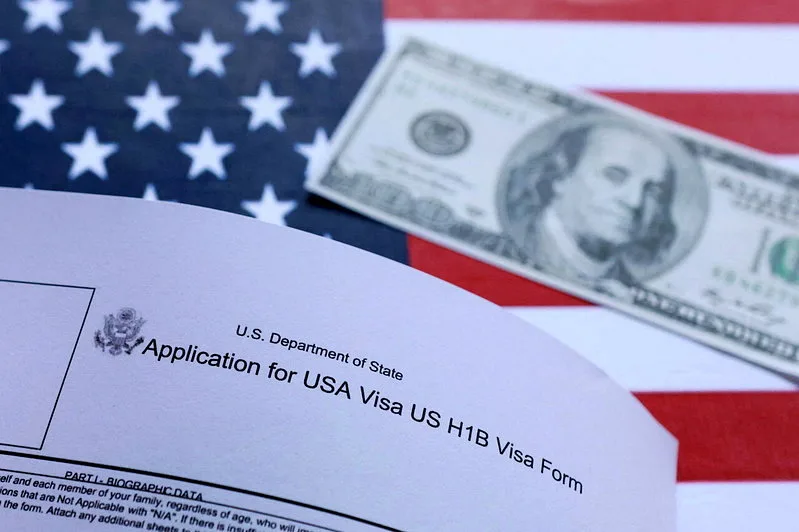
This proposed OPT fee is viewed as an alternative to a previously blocked $100,000 fee on H-1B visas, which a federal appeals court halted [2, 3, 4, 5, 6, 7, 9, 10]. The fee roughly equates to about 32.4 million New Taiwan dollars or approximately 408,800 Malaysian ringgit, as reported by regional media [6, 7, 8, 9, 10].
The proposal has raised concerns about its impact on the attractiveness of U.S. higher education for international students, as well as effects on universities dependent on international tuition and industries such as Silicon Valley and Wall Street that hire foreign graduates [1, 2, 3, 4, 5, 6, 7, 9, 10]. Recent regulations also require these students to apply separately for visa extensions for OPT participation, instead of having automatic visa validity, adding to the administrative burden [1, 2, 3, 4, 5, 9, 10].
A DHS spokesperson said, "Any policy should not be considered final before it is officially announced. DHS has been discussing how to use all available tools to preserve the integrity of the legal immigration system" [3].
The $100,000 OPT fee proposal is part of broader Trump administration immigration efforts that include similar fees on H-1B visas and refundable bonds for green card applicants outside the U.S. [2, 3, 4, 5, 6, 7, 9, 10]. Some officials previously sought to abolish the STEM OPT extension program but were overruled [3, 4].
DHS plans to propose broader regulatory changes that could rewrite OPT rules, with proposals expected as early as fall 2026 [1, 2, 3, 4, 5, 6, 7, 9, 10].