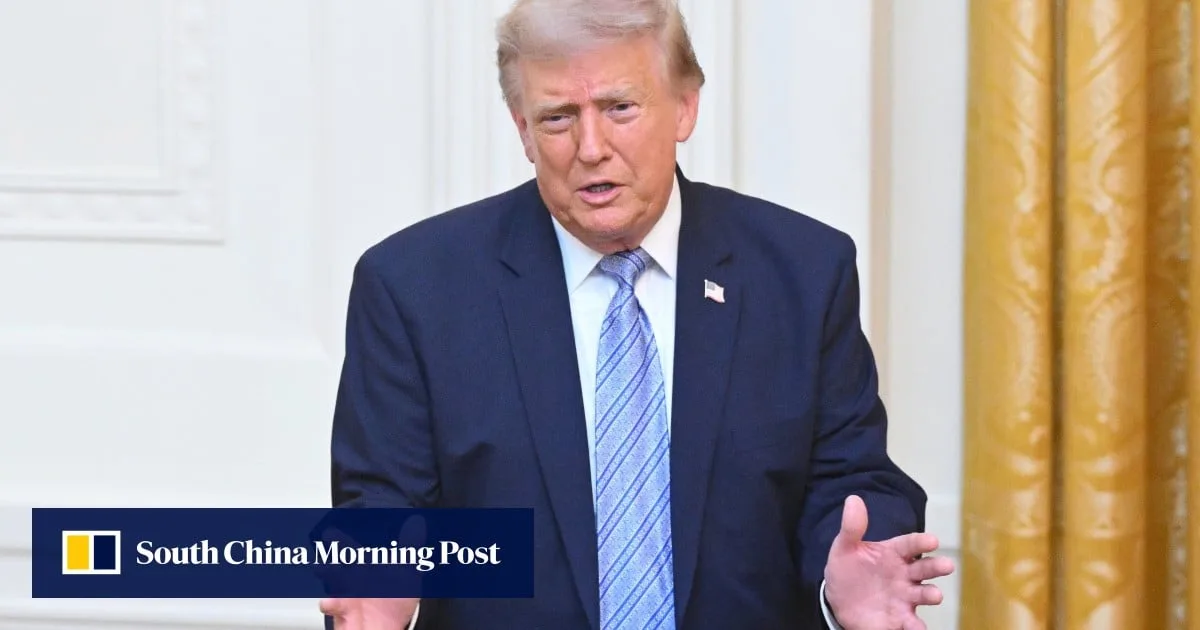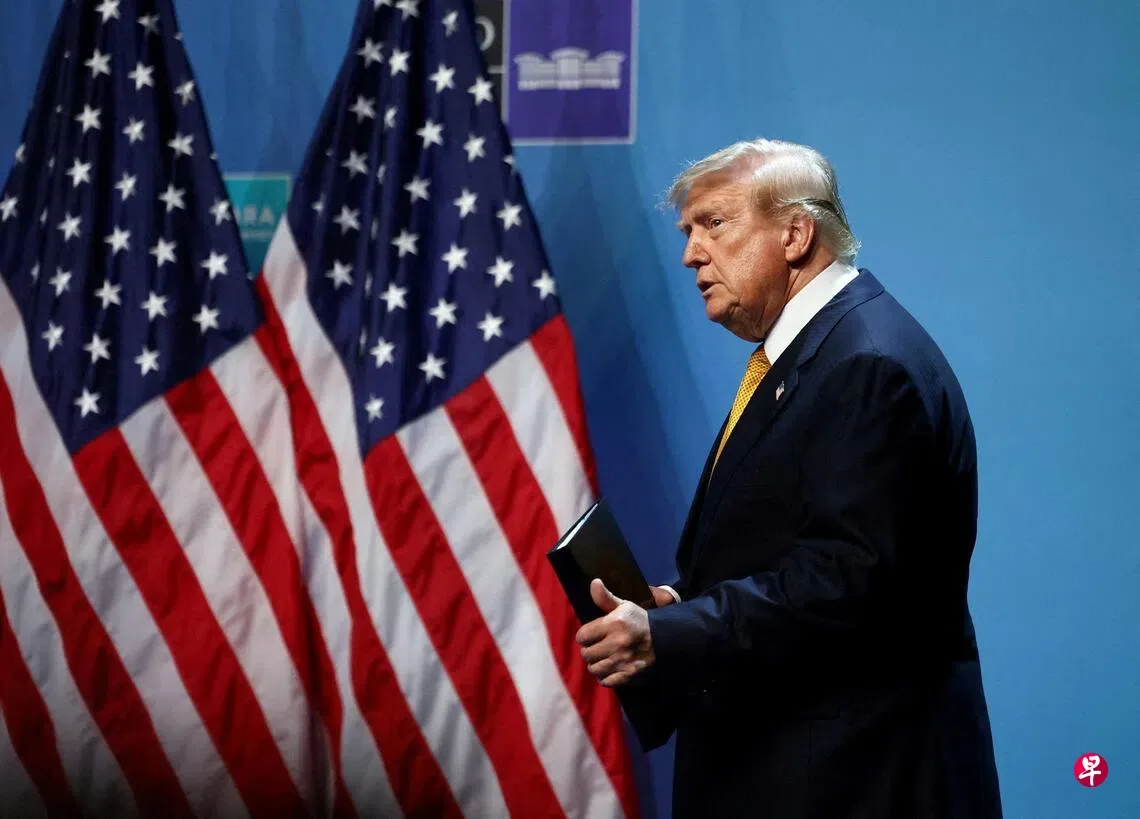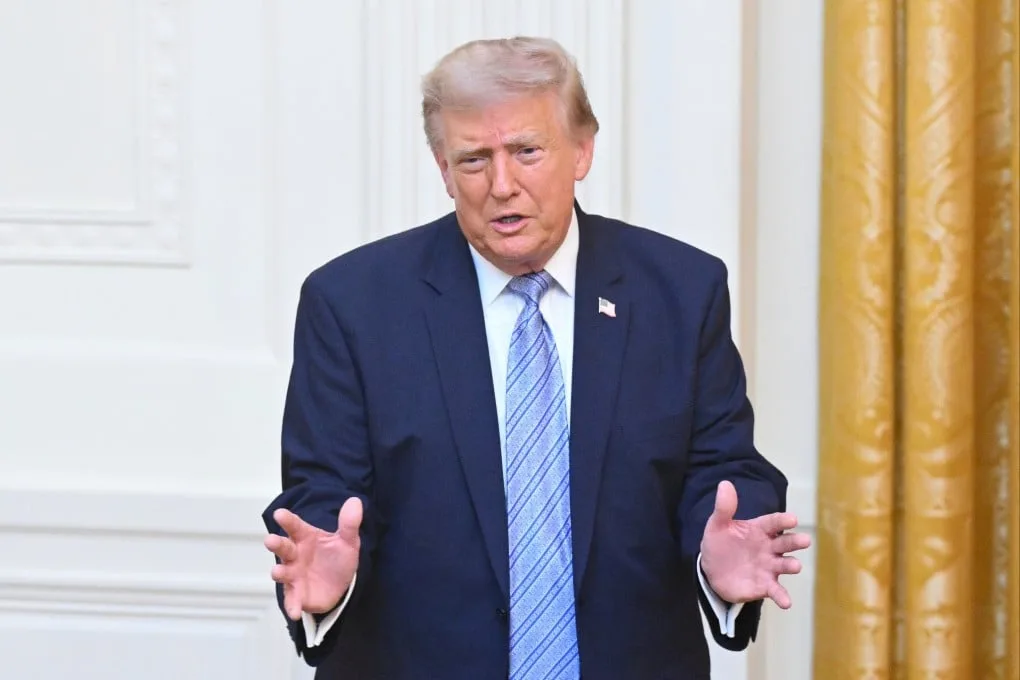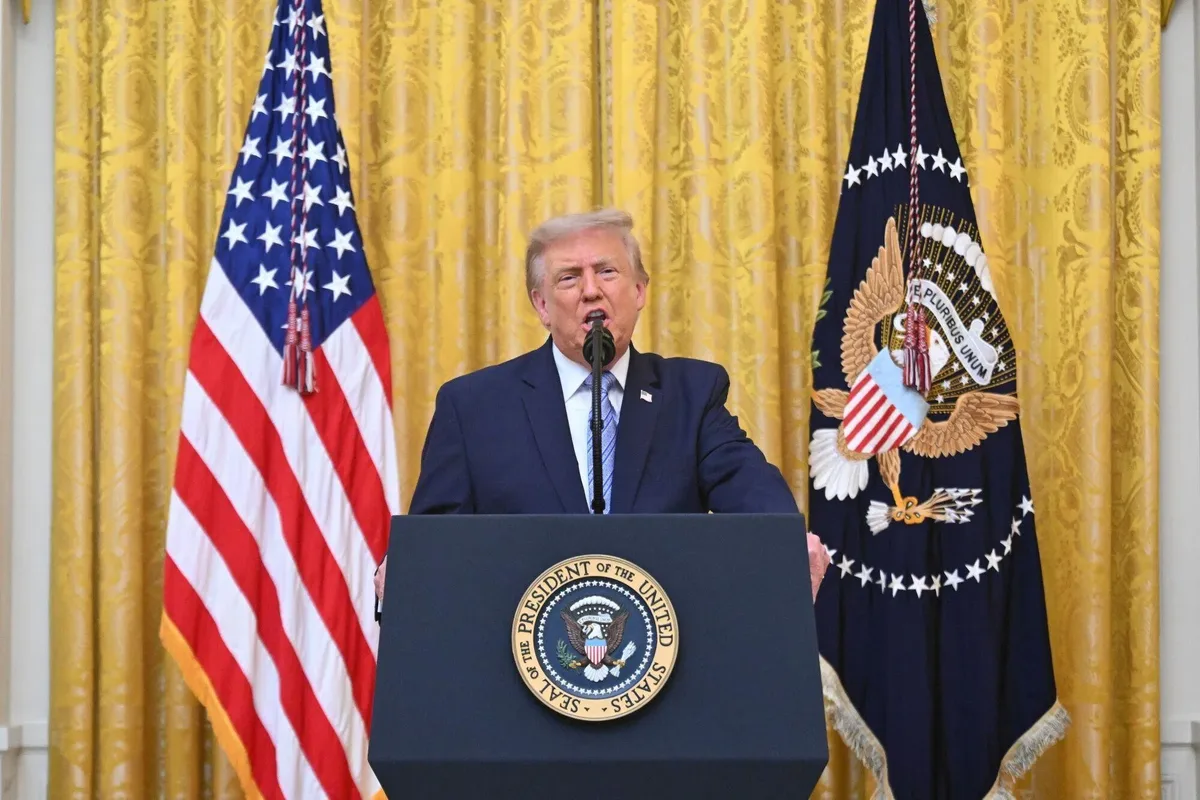
On July 16, 2026, former US President Donald Trump delivered a prime-time nationwide speech alleging that China illegally obtained about 220 million US voter records beginning with the 2020 election cycle [1, 2, 3, 4, 5, 6]. Trump claimed the stolen data included names, addresses, and other voter registration details [1, 2, 3, 4, 5, 6]. He accused US intelligence agencies of deliberately downplaying the severity of China’s election interference activities [1, 4, 5, 6].
Trump cited leaked and declassified intelligence files to support his claims that China sought to influence the 2020 presidential election outcome in favor of Joe Biden [2, 3, 5]. However, US intelligence documents show much of the voter data reportedly accessed by China was publicly available or commercially obtained, including a 2016 dataset containing roughly 204.8 million voter records [3, 7, 5]. A 2021 US intelligence assessment concluded China did not act to alter the election outcome [2, 3, 5, 6]. Some officials hold a minority view that China took limited exploratory steps targeting Trump’s reelection bid, but with low confidence and no evidence of vote tampering [3].
Trump also claimed that 18 states’ voter data were stolen or hacked by China but did not provide evidence that vote counts were manipulated [2, 3]. He said 278,000 non-citizens were registered to vote but did not specify their impact on the results [2]. He urged Congress to pass the SAVE America Act requiring voter ID and proof of citizenship to improve election security [5, 8, 9, 10, 11].
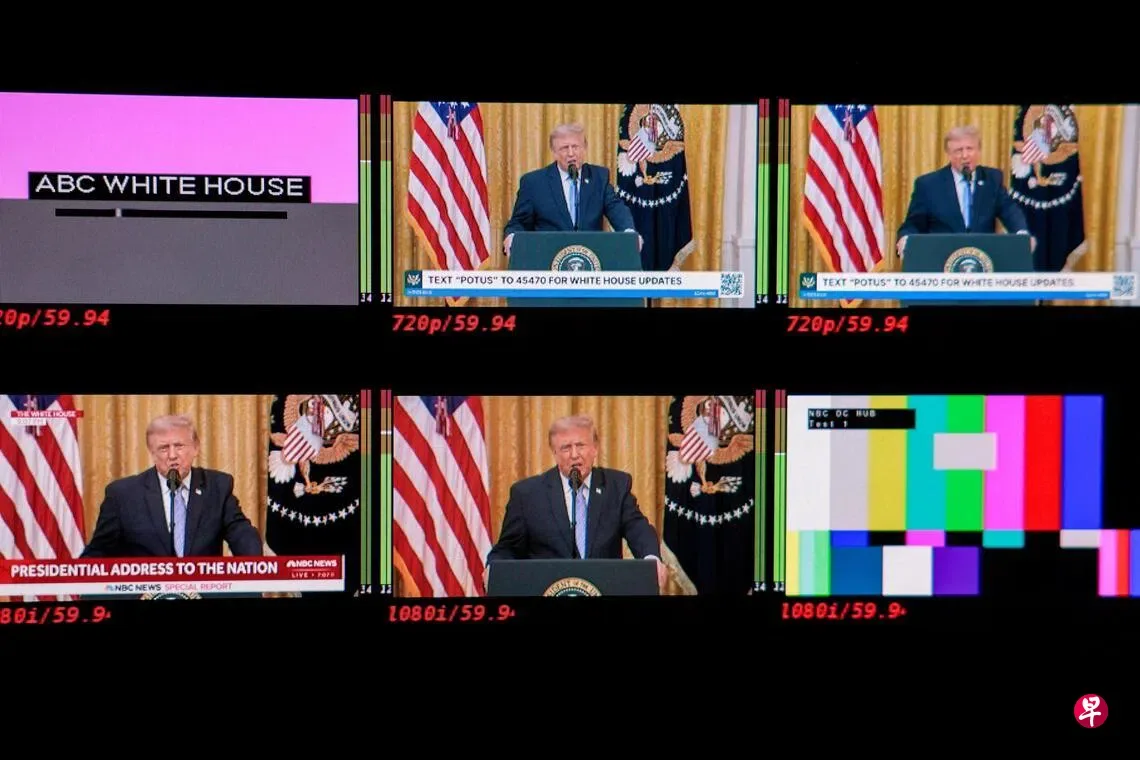
The speech focused heavily on election security and vulnerabilities of voting machines, topics of heightened discussion ahead of the November 2026 midterm elections [1, 2, 5, 6, 8, 9, 10, 11]. Trump threatened to revoke broadcast licenses of American networks ABC, NBC, and CNN, which chose not to air his address live on their main channels but streamed it digitally instead [1, 5].
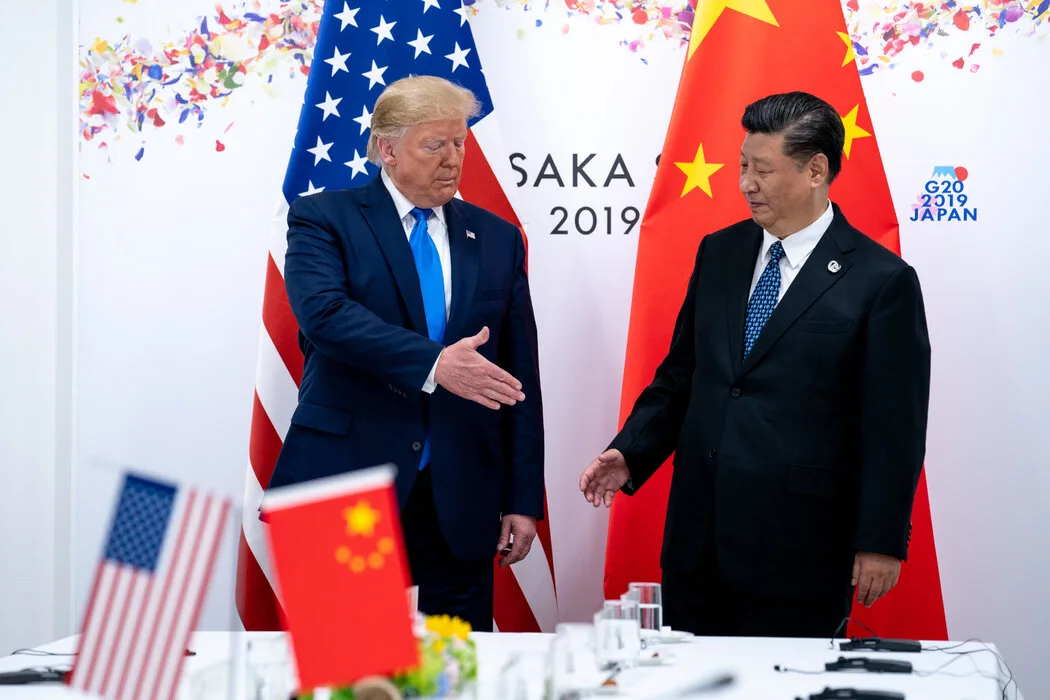
China strongly denied any interference in the 2020 election and condemned Trump’s allegations as groundless and malicious. Foreign Ministry spokesperson Lin Jian said, "The US claims are purely fabricated, malicious smears. China adheres to non-interference principles and has never interfered in US elections" [4, 6].
Democrats criticized Trump’s remarks for spreading doubt about election integrity. Senate Minority Leader Chuck Schumer said, "Let’s be clear, in America it is voters who choose leaders, not the other way around. Democrats will ensure every voter can freely cast their ballot without Trump’s obstruction" [2]. Vice President Kamala Harris added, "The president fears your power and wants you to lose faith in our elections so you stay home this November" [2].
The July 16 speech came after reports on July 15 that Trump planned a prime-time address on election security and foreign interference [12, 8]. The networks’ decision not to air the speech live reflected resistance to his unsubstantiated claims [1, 5].
Congress is now under pressure to consider the SAVE America Act and other election security measures ahead of the 2026 midterms. Trump’s assertions and threats signal a continuing political battle over election confidence and foreign influence.