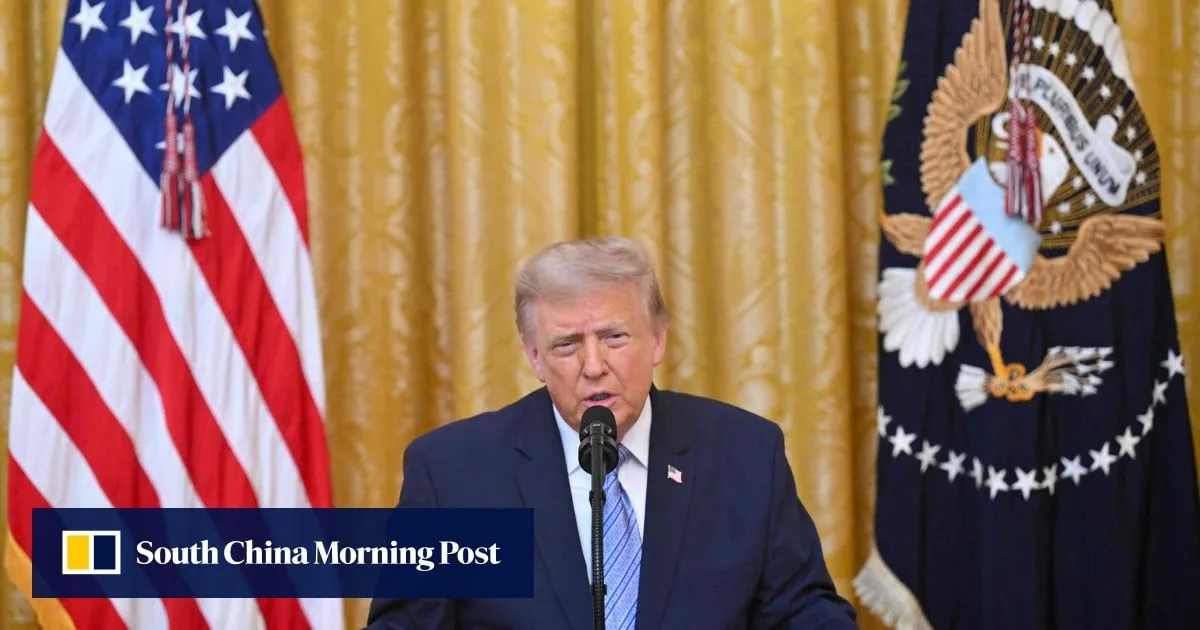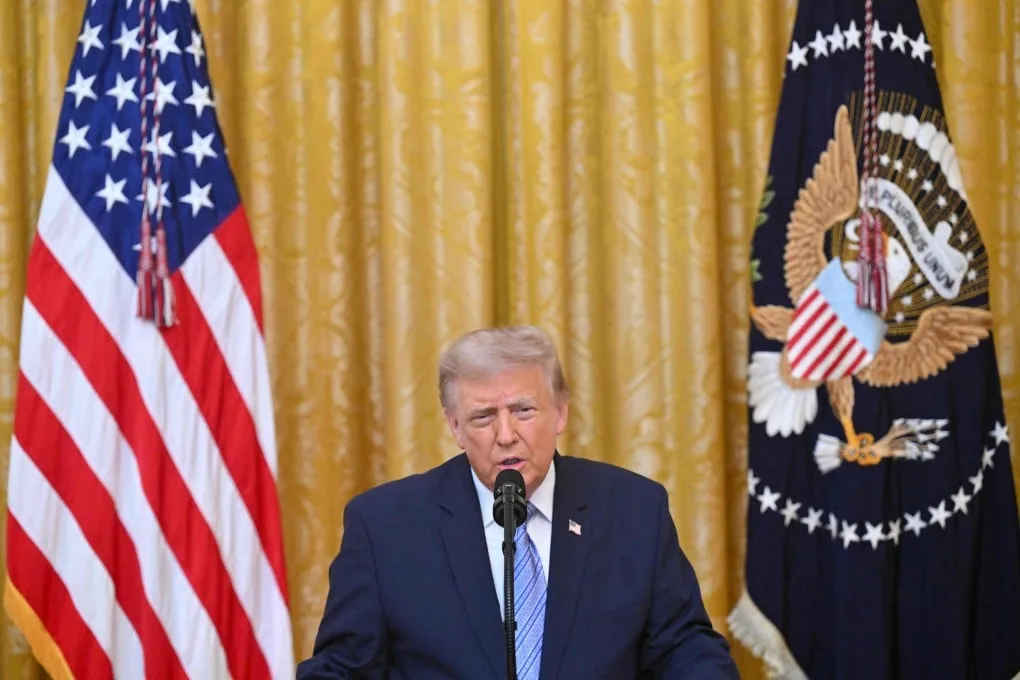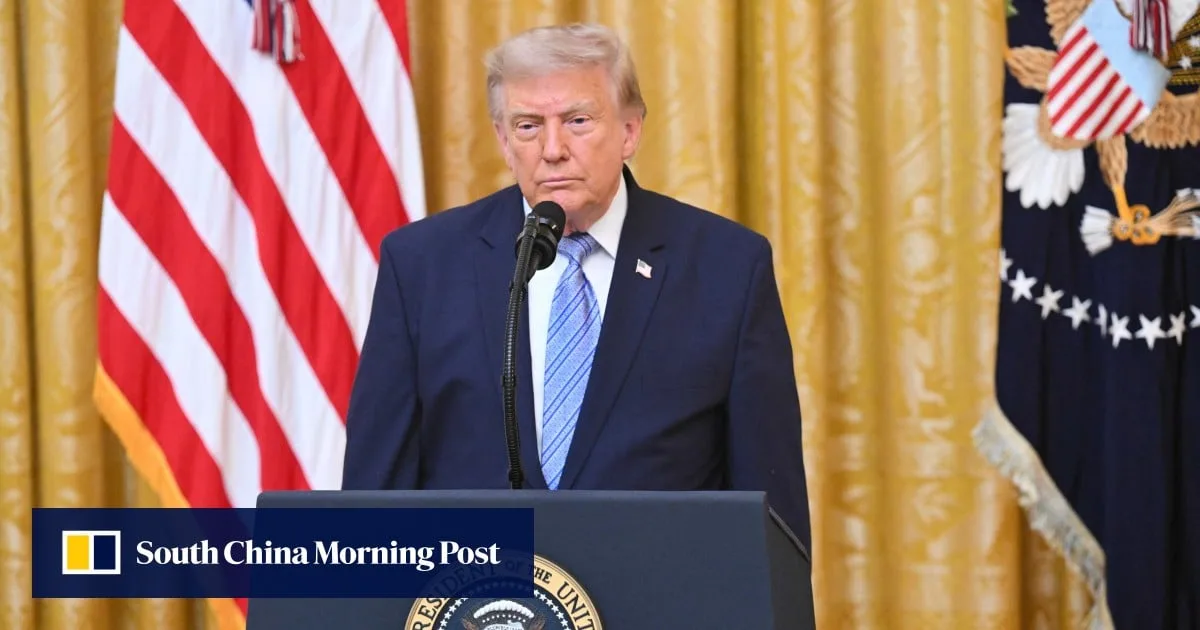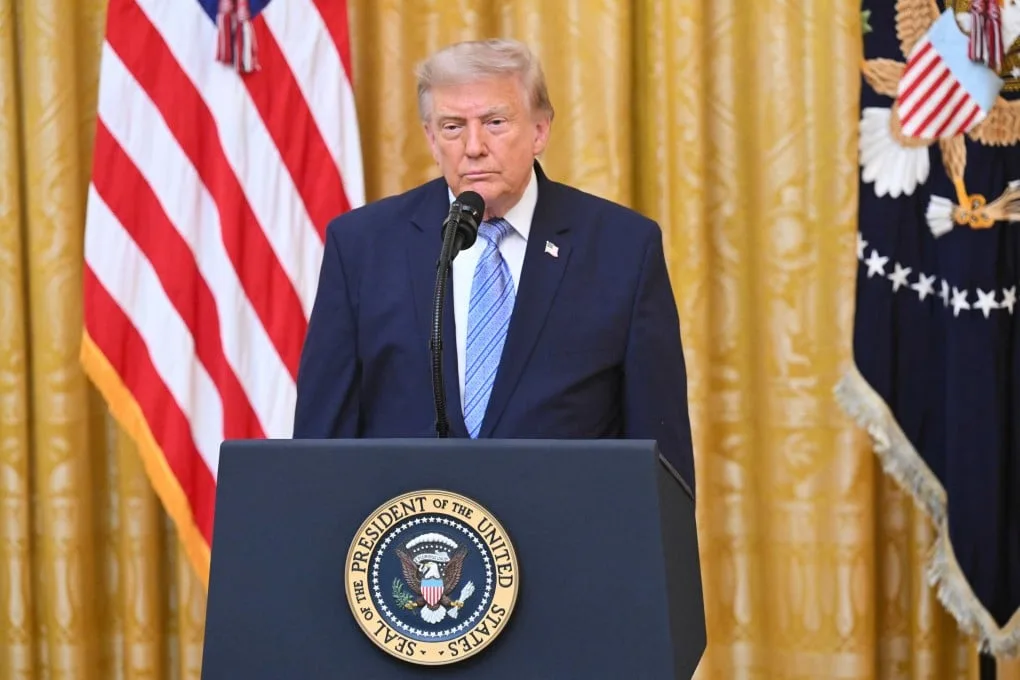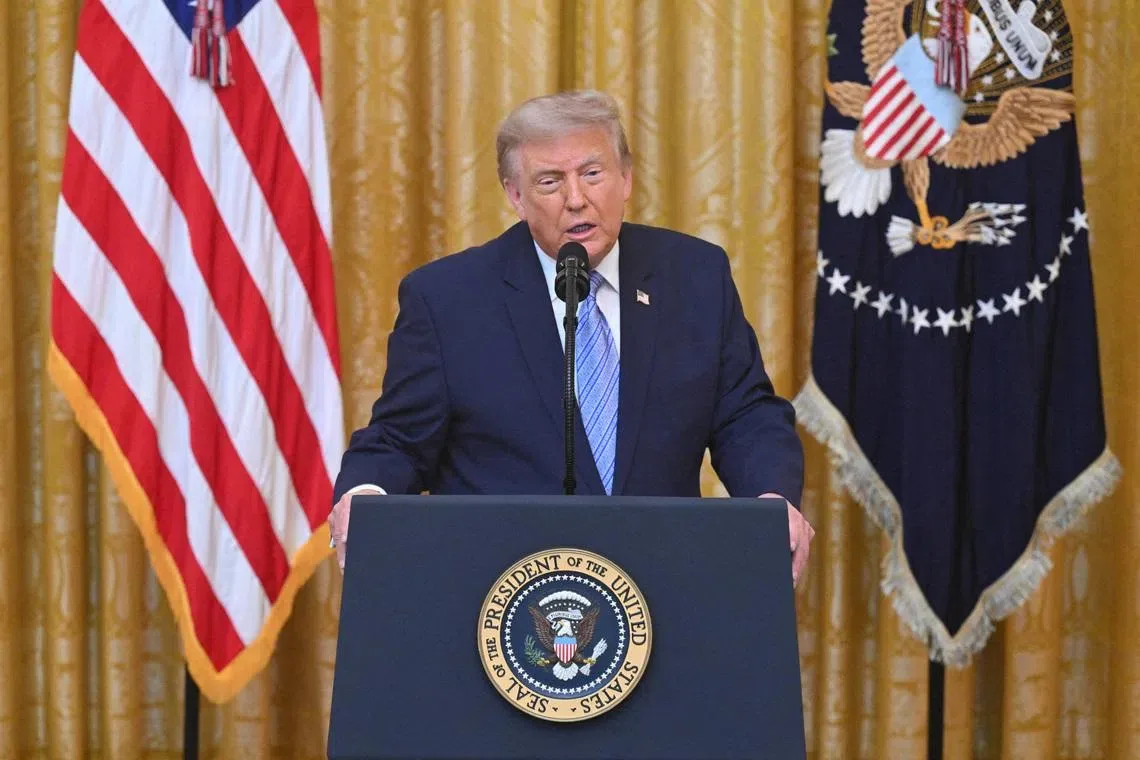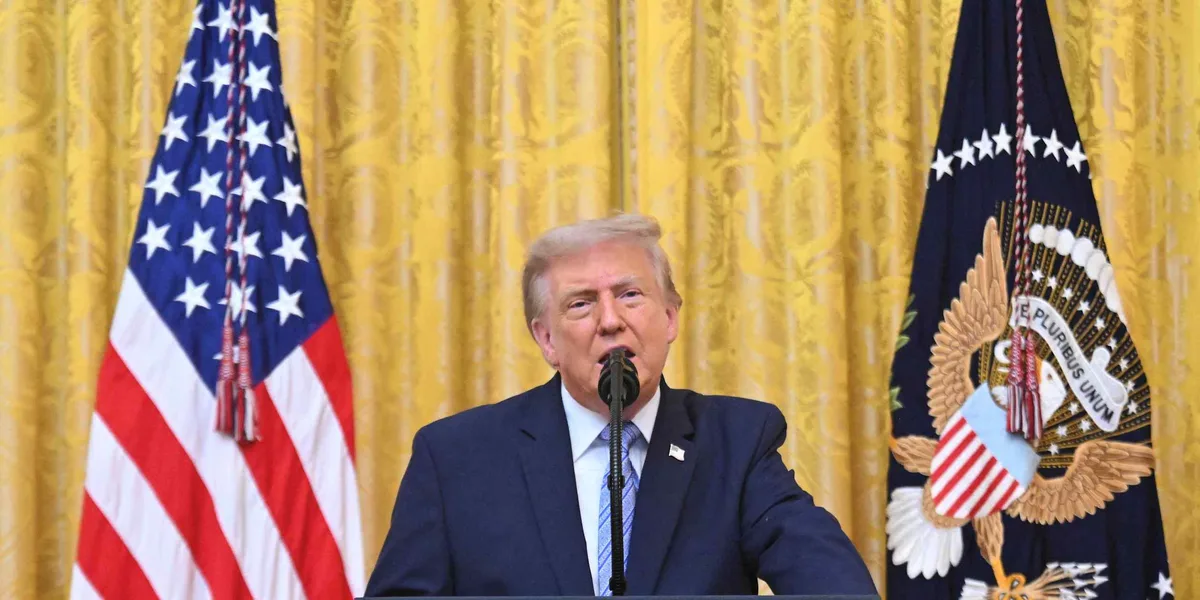
Former US President Donald Trump accused China on July 16, 2026, of carrying out what he called "the largest compromise of election data in history," targeting the 2020 US election cycle [1, 2, 3, 4, 5, 6, 7, 8]. Trump claimed China illicitly acquired about 220 million US voter files containing names, addresses, phone numbers, political party preferences, and other sensitive information, describing it as "an unprecedented election security nightmare" [1, 9, 4, 5, 6, 7, 8]. He alleged that US intelligence agencies and "deep state" actors suppressed or covered up information about China’s alleged interference activities [1, 3, 6, 7]. Trump said he planned to declassify intelligence documents proving China’s interference and would push legislation requiring voter ID and citizenship verification ahead of the 2026 midterm elections [5, 6, 7, 8].
Trump’s July 16 prime-time address framed election security as a central political issue before the November midterms, though major networks refused to broadcast the speech live [5, 7, 8]. He stopped short of claiming China altered votes or voting machines, focusing instead on data theft [7, 8]. Trump said "documents show that during this period, dozens of significant CIA and NSA reports about China’s election targeting were kept out of the presidential briefing" [6].
US intelligence agencies have historically assessed that China engaged in cyber operations globally but found no evidence that China altered the technical aspects of the 2020 election, including voter registrations, ballots, tabulations, or results [1, 5, 6, 8]. A 2021 unclassified US intelligence community assessment, led by then-Director John Ratcliffe, found no foreign actor changed the 2020 presidential election results [1, 5].
Chinese officials strongly denied the allegations, calling them "entirely fabricated and a malicious smear that has long been proven groundless," and urged the US to stop baseless accusations and reflect on its own conduct in bilateral relations [1, 4, 10]. Chinese foreign ministry spokesperson Lin Jian said the claims were "a malicious smear" and urged "the US to cease smearing China" [4, 10].
Trump’s claims follow a longstanding pattern of unproven allegations about the 2020 election, despite multiple court rulings and investigations finding no evidence to change the outcome [9, 5, 7, 8]. Some experts question the 220 million file figure because many voter records are public or purchasable and the US had fewer registered voters in 2024 [8]. However, Trump and supporters say the allegations are credible and call for action [1, 9, 4, 5, 7].
Trump’s accusation and vow to declassify intelligence set a political tone ahead of the November midterms and signal ongoing efforts to push election security legislation. How US agencies respond and whether new evidence emerges remain to be seen.