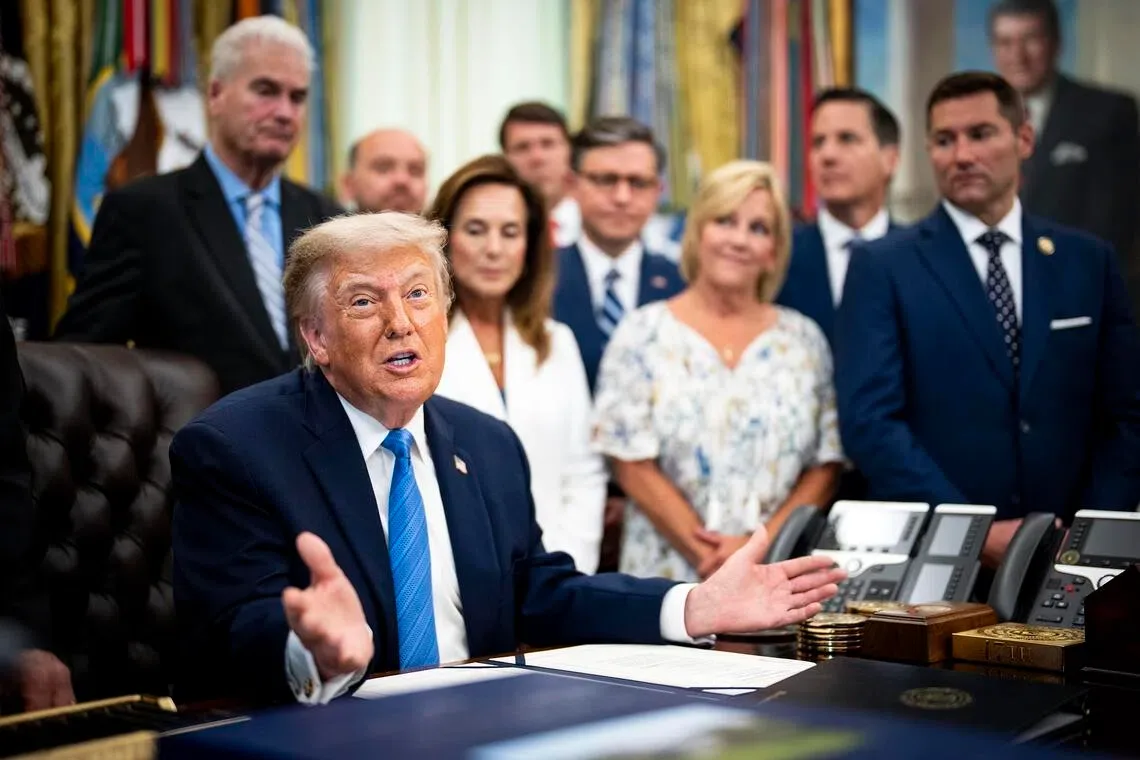
President Donald Trump announced an interim memorandum of understanding with Iran on June 14, 2026, designed to end nearly four months of conflict and reopen the Strait of Hormuz for oil shipments [1, 2, 3]. The deal aims to restore regional peace and ease global and US inflation pressures by allowing oil to flow again through the vital waterway [1, 2, 3].
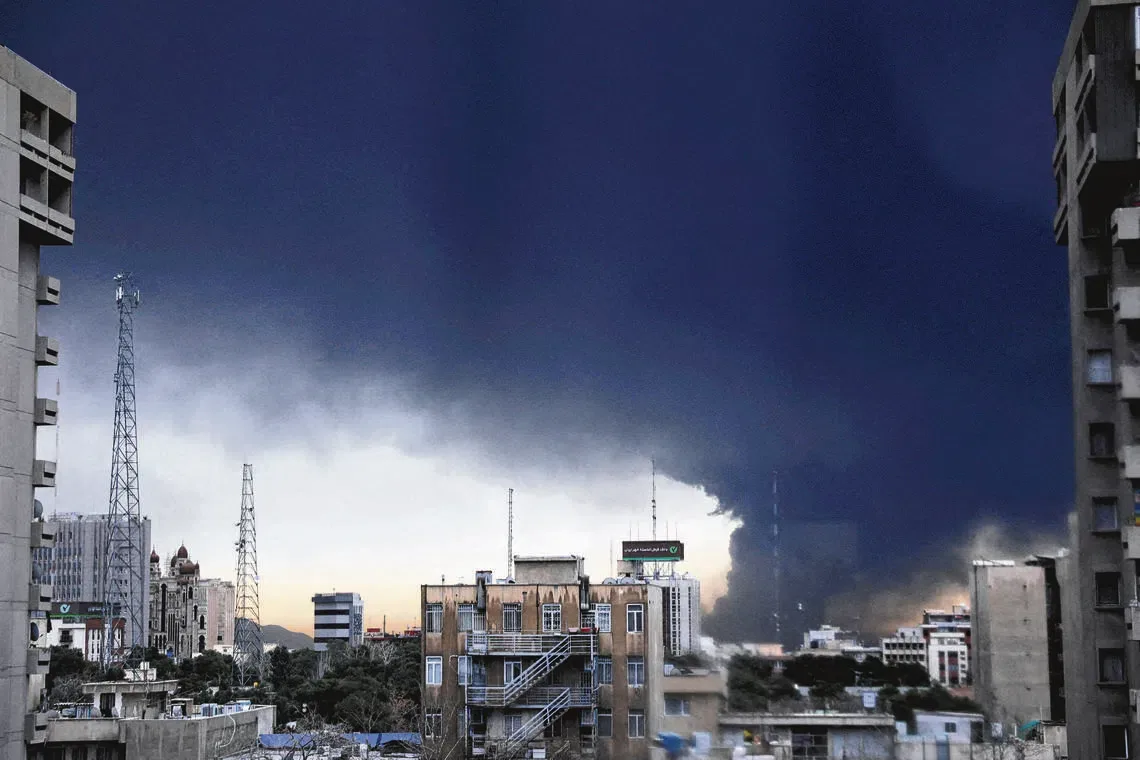
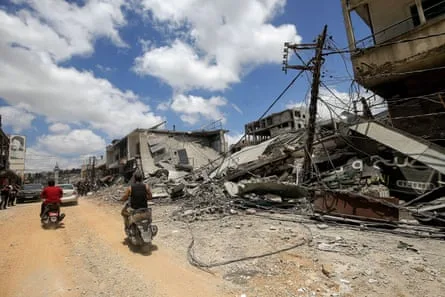
The war began on February 28, 2026, following joint US and Israeli strikes on Iran. The conflict lasted about four months, resulting in 13 US troop deaths and costing the US roughly $100 billion, according to estimates [1, 2, 3, 4, 5]. The war also inflicted deadly tolls on Iranian civilians, including the deaths of 120 children in Minab during the opening hours, deeply affecting the region [6].
Following the outbreak of hostilities, the US imposed a naval blockade that halted all oil shipments through the Strait of Hormuz. This led to Iran’s oil storage tanks quickly filling as exports were cut off [1, 2, 6]. Trump celebrated the deal with the phrase, "Ships of the world, start your engines. Let the oil flow," signaling a return to maritime trade [1].
The interim deal is scheduled for formal signing in Geneva on June 19, 2026. It paves the way for resumed negotiations on Iran’s nuclear program and a potential easing of sanctions [6, 3]. However, key details remain unclear, including whether Iran will continue charging transit tolls for using the Strait or the timing of releasing $24 billion in frozen Iranian assets [6].
Reactions within the US remain mixed. Some Republicans, like Senator Lindsay Graham, voiced concerns that Iran’s interpretation of the agreement may differ from the US negotiating team’s claims, expressing skepticism about Iran’s intentions [3]. Democrats also questioned the deal's effectiveness, with Senator Chris Murphy calling the situation a difficult balance between surrender and the need to end the conflict [3].
Former President Barack Obama weighed in on the announcement the same day, stating it was doubtful the new deal would be significantly different or better than the 2015 nuclear pact that Trump had abandoned. He remarked, "You'd think we would have learnt that lesson by now" [4, 5].
Iran has yet to officially confirm signing the deal. Tehran issued statements describing current peace talks with the US as pointless, reflecting continued distrust between the parties [4, 5]. Experts highlight ongoing ambiguities in the deal and the fragile nature of peace prospects [6].
The interim memorandum of understanding will be signed in Geneva on June 19, marking the next formal step in diplomatic efforts to stabilize the region and resume commercial oil flow through the Strait.