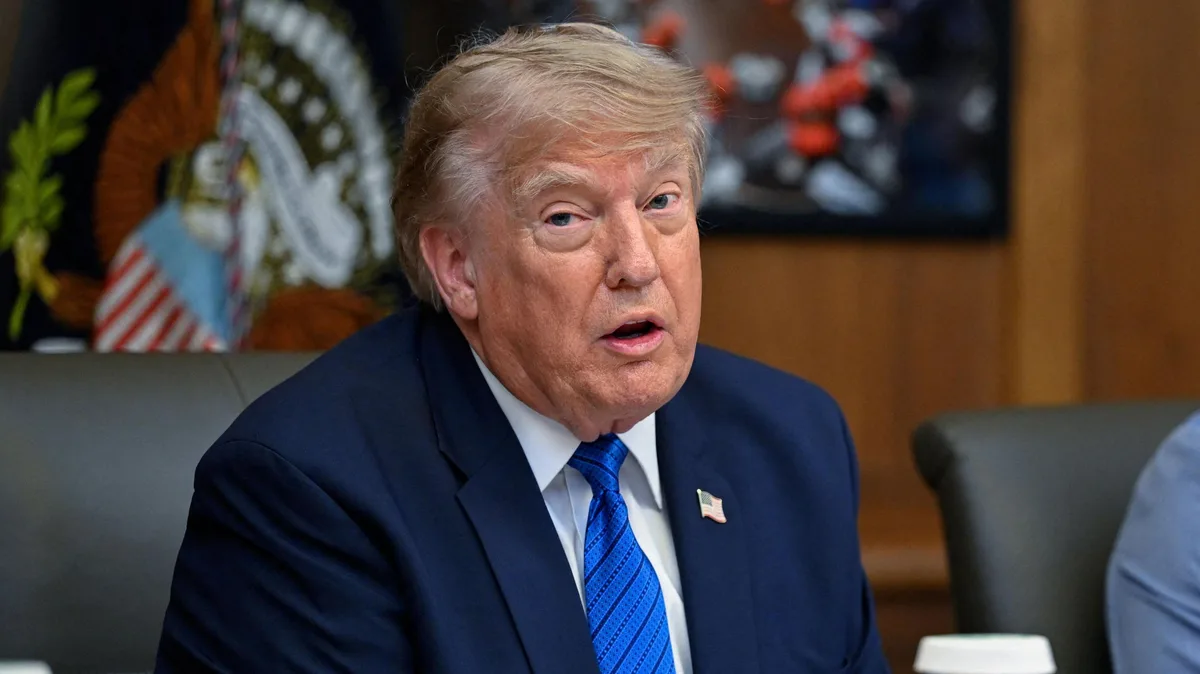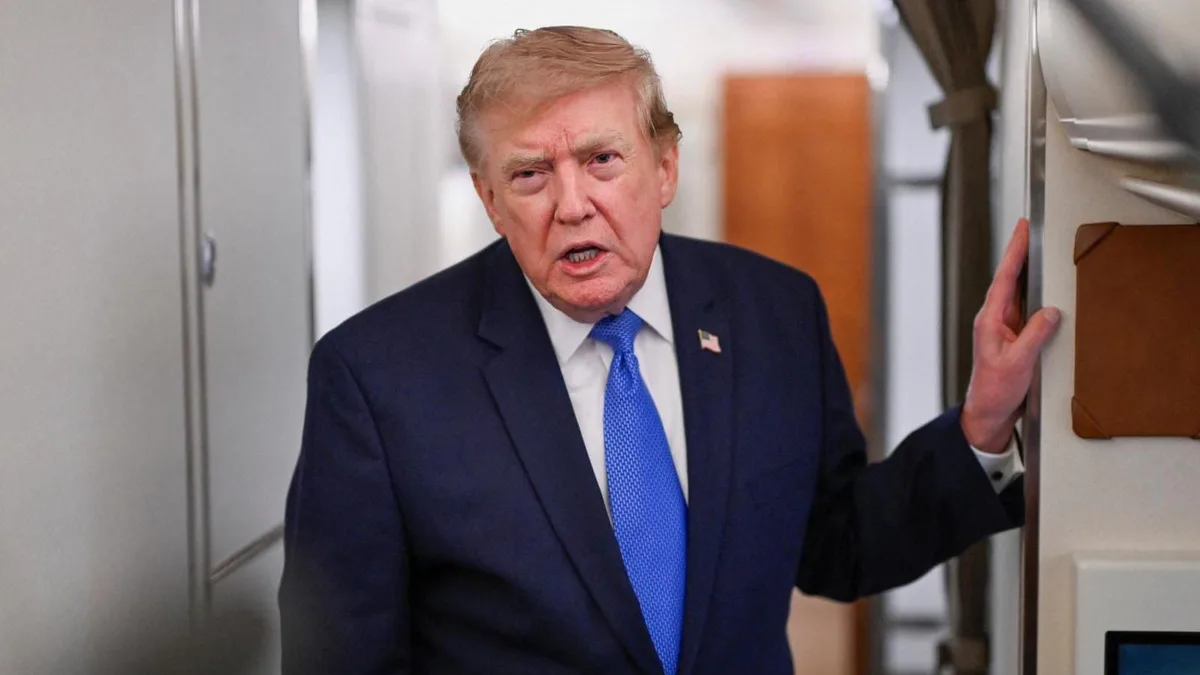
US President Donald Trump announced on August 1 and 2 that planned massive strikes on Iran were called off following requests from Iran and other Middle Eastern countries. Trump said the strikes would have been "the biggest attack since World War II" but agreed to cancel them "subject to being able to rapidly make a DEAL" [1, 2, 3, 4, 5, 6]. Saudi Crown Prince Mohammed bin Salman urged Trump in a phone call to de-escalate and refrain from launching the strikes [2, 3, 7, 6].
Trump announced that new negotiations with Iran would begin August 3 to seek an agreement covering the reopening of the Strait of Hormuz and Iran's denuclearization. He stated, "We're talking to them in the form of a negotiation. It begins tomorrow afternoon," adding, "We were all set to go. The reason they asked is [that] they think there's a deal. There's a deal on Hormuz, and there will be a deal on the nuclear" [1, 4, 5, 6].
However, Iran denies direct negotiations with the US and confirmed talks only with Oman regarding management of the Strait of Hormuz. Tehran insists no direct US-Iran talks are occurring, stating the discussions with Oman aim for a temporary solution [1, 6, 8]. Despite Trump's announcement, skepticism exists over Iran's willingness to fully reopen the strategic Strait under US terms [6, 8, 9]. The US maintains a naval blockade controlling passage through the Strait until any deal or total surrender is achieved, according to Trump [8].
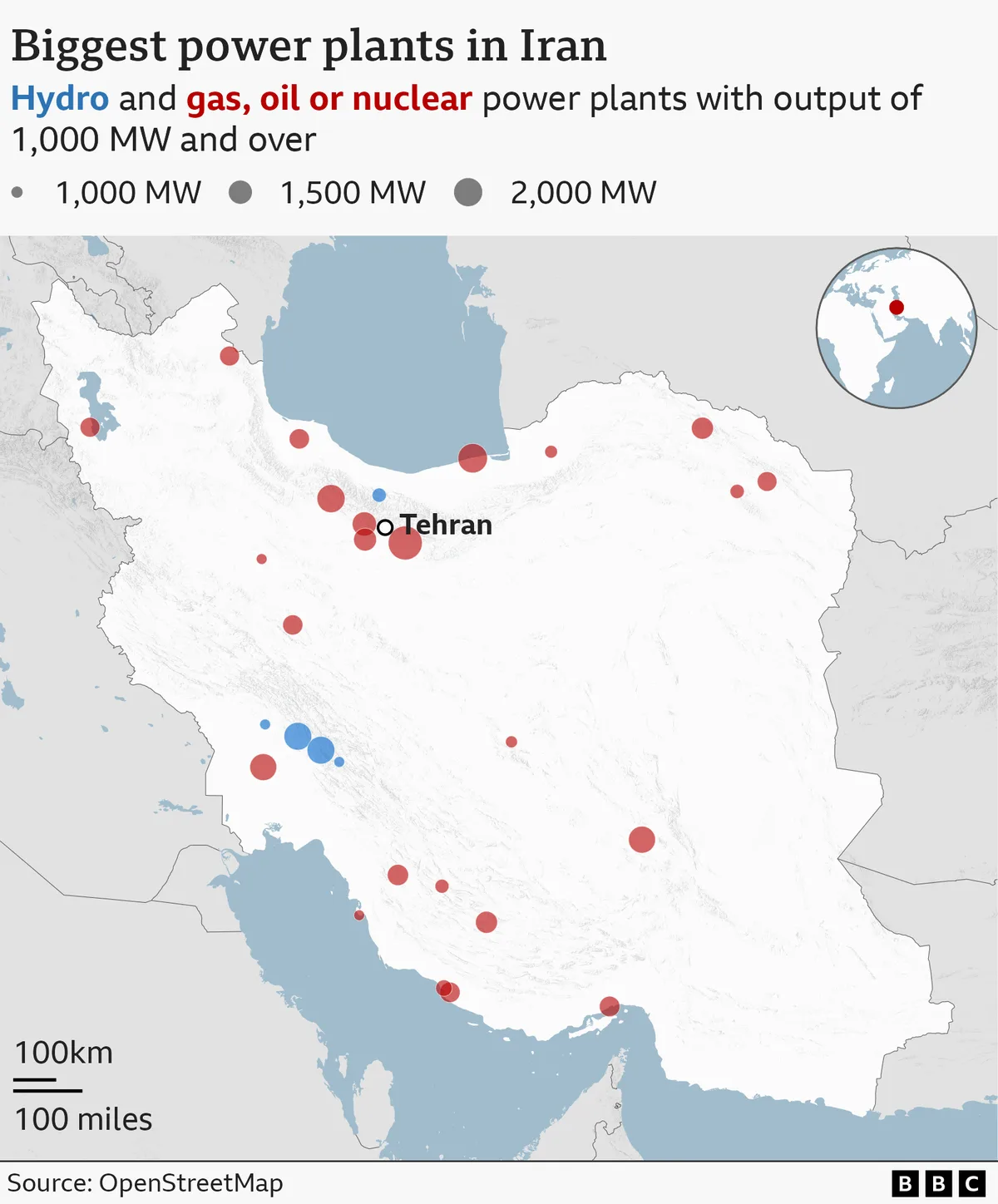
Planned US and Israeli strikes reportedly included targeting Iranian oil refineries, power plants, and energy infrastructure [2, 3, 7]. The Strait of Hormuz remains a critical chokepoint, carrying about 20% of the world's crude oil and liquefied natural gas exports [1, 6, 10]. Iranian proxies have continued attacks on Gulf shipping and US-allied targets, impacting global energy trade [7, 8, 10].
Following the announcement, global oil prices fell sharply, with Brent crude dropping about 4.5%-5.1% and similar declines in WTI. European stock markets rallied modestly while energy stocks declined [1, 4, 5, 11, 12, 6, 10]. Meanwhile, Opec+ announced an increase of roughly 188,000 barrels per day in oil production starting in September, though export disruptions keep prices volatile [11, 12].
On August 2, a tanker near the Strait of Hormuz reported an explosion, underscoring ongoing regional volatility [4, 5]. The new talks are scheduled to begin August 3, focusing on reopening the Strait and Iran's nuclear program [1, 4, 5].