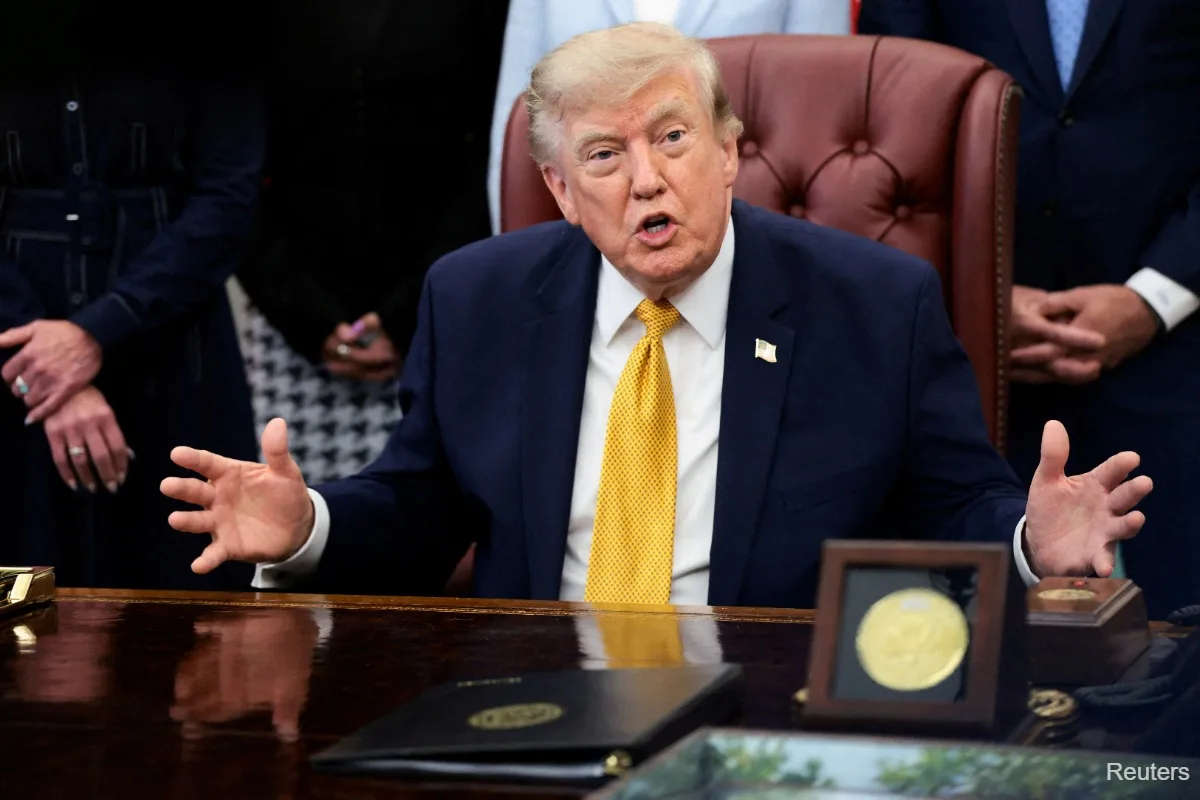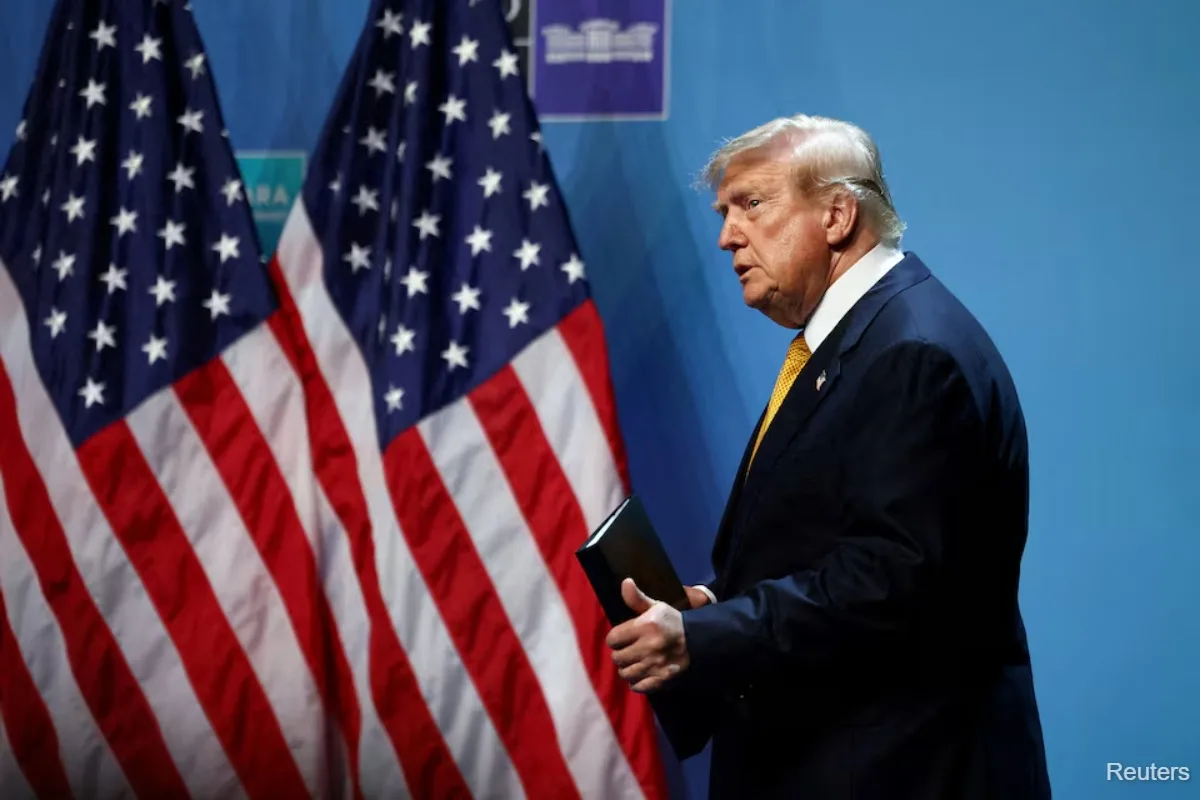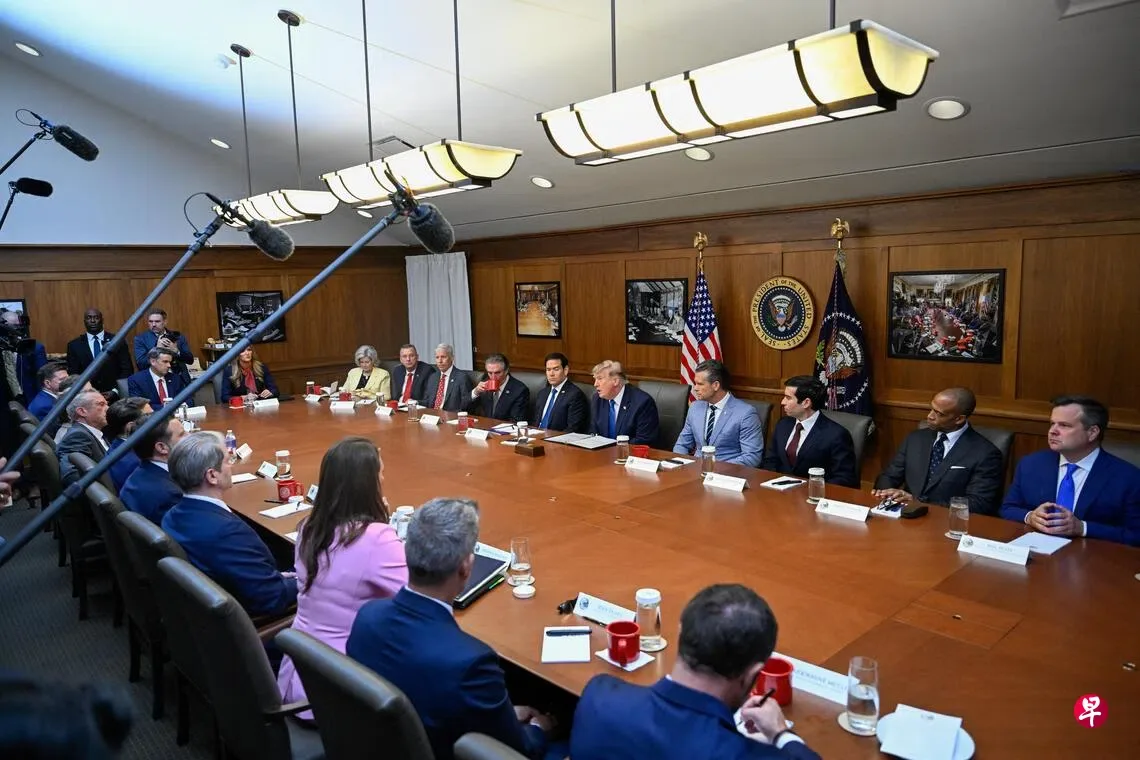
US President Donald Trump announced on August 1 a pause in planned large-scale military attacks on Iran, citing requests from Iran and other Middle Eastern countries aiming for a rapid agreement to fully reopen the Strait of Hormuz and end Iran's nuclear threat [1, 2, 3, 4]. Trump said the attacks would resume if no deal is quickly reached and declared, "We will hit them hard. Sooner or later, they will say, 'We just can’t take it anymore.'" [5]
Negotiations involving Iran and Oman about reopening the strategically vital Strait of Hormuz are ongoing, but Iran denies any direct talks with the US and its officials say no delegation exchanges are planned [6, 4]. Iranian Foreign Ministry spokesman Esmail Baqai said, "There is no plan to send or receive any delegation for direct talks with the US." [6] Trump, however, said talks with Iran began on August 3 and called them a "last chance for them to sign a good document." [7]
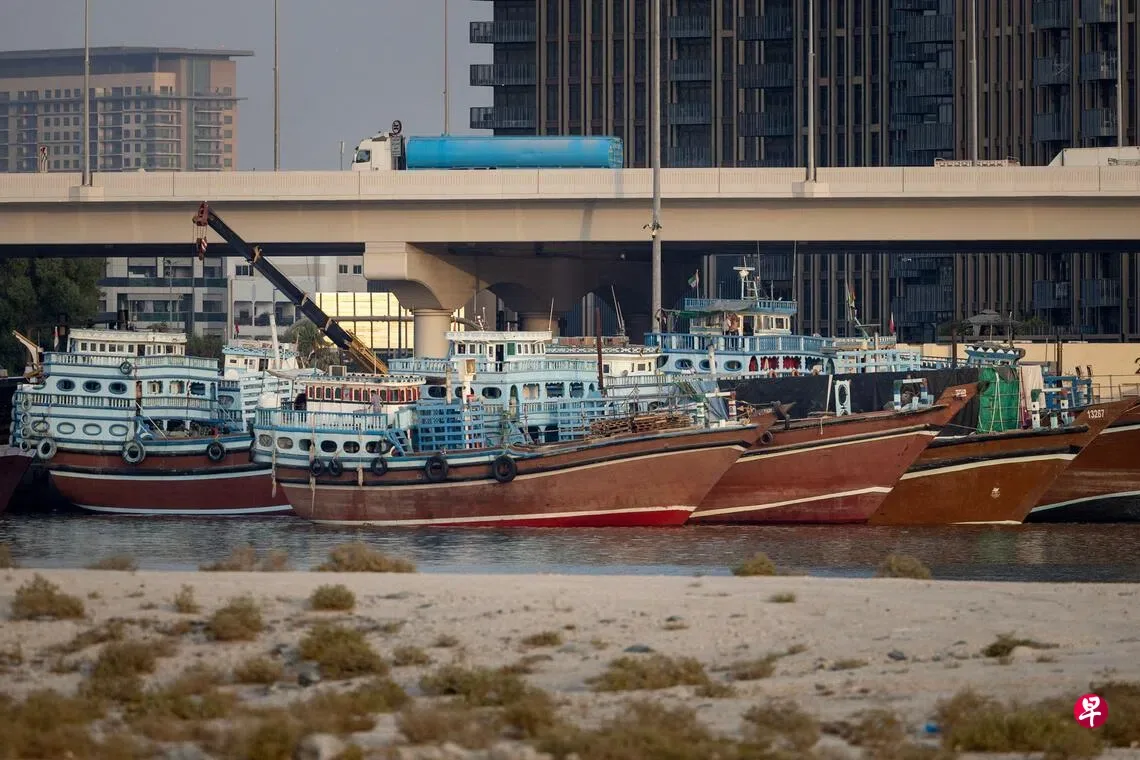
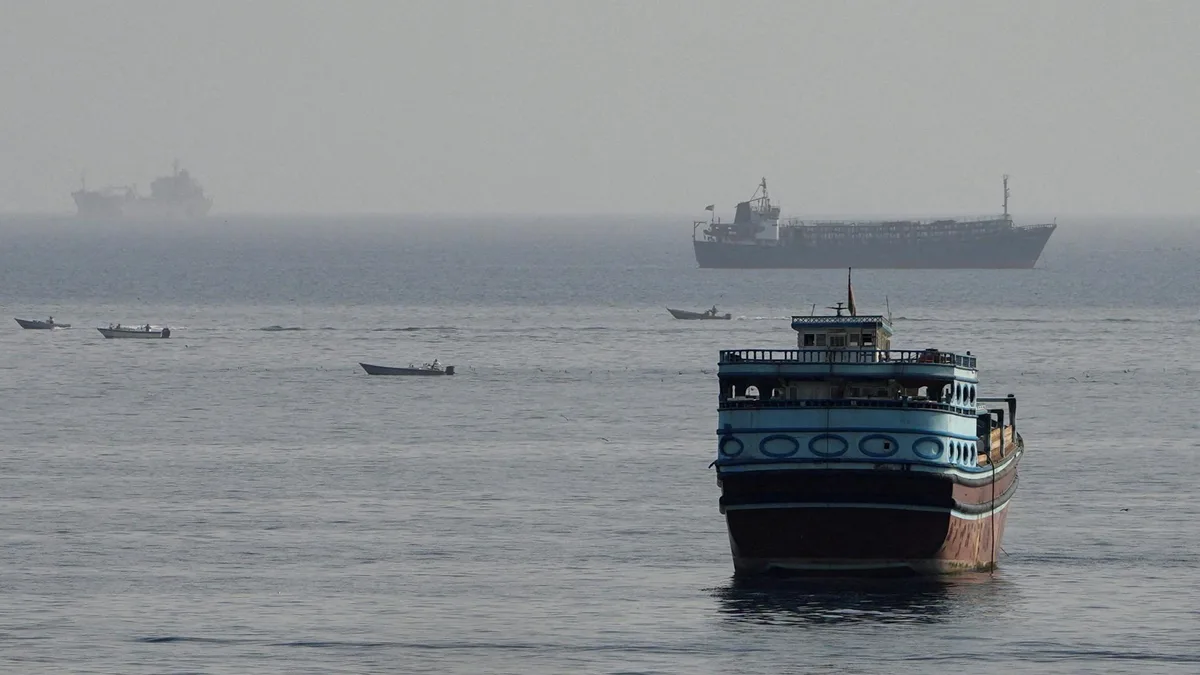
The Strait of Hormuz remains effectively closed due to conflict, disrupting about 20% of global oil and gas shipments and raising energy market tensions [6, 8, 9]. Following the announcement of the attack pause, oil prices dropped over 4% [8, 9].
Meanwhile, Qatar, Pakistan, and Oman are mediating diplomatic efforts aimed at resolving the crisis, though no direct US-Iran negotiations are planned currently [6]. The US Secretary of State Marco Rubio and Treasury Secretary Scott Bessent noted progress in these talks but said no final agreement was reached as of late July [6].
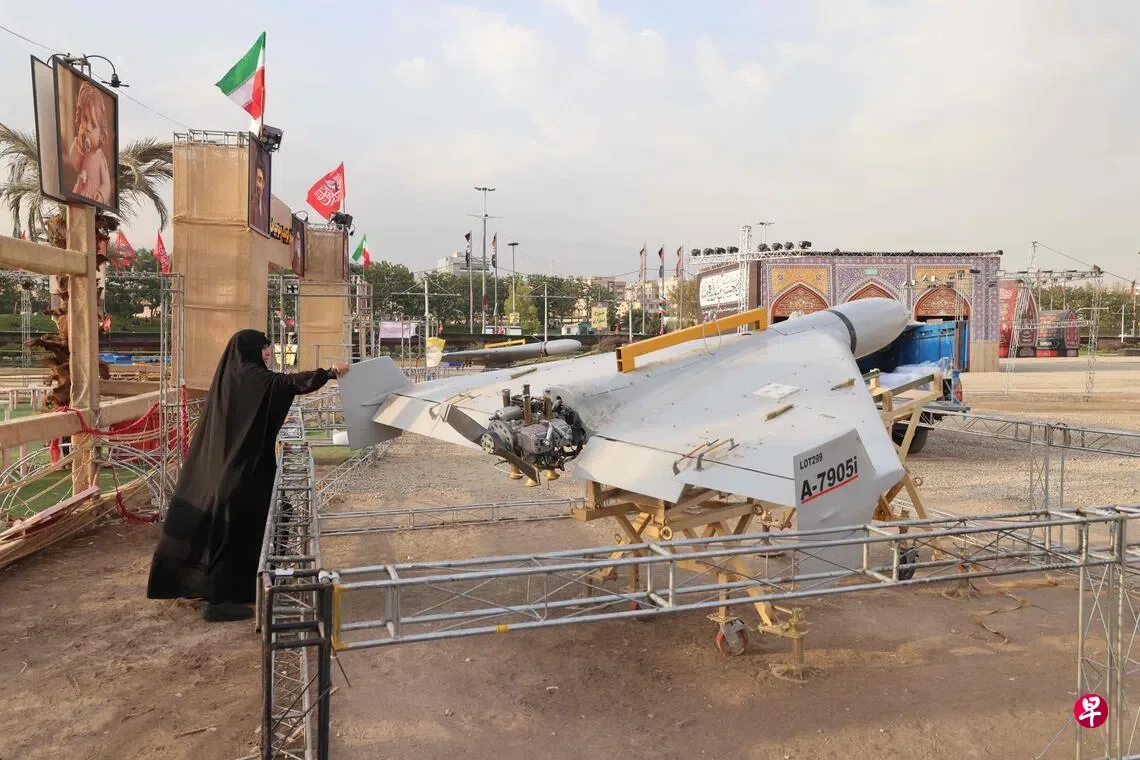
Trump has criticized Iranian diplomats as untrustworthy and threatened intensified military pressure if Iran does not comply [10, 5, 11]. He said a rapid reopening of the Strait and elimination of Iran’s nuclear threat are conditions for halting attacks [1, 2]. Iranian military officials reject accusations that Iran requested a suspension of US attacks and say their forces are on high alert ready to respond to any military action [4, 12]. One Iranian official called Trump’s claim a "purely a lie" [12].
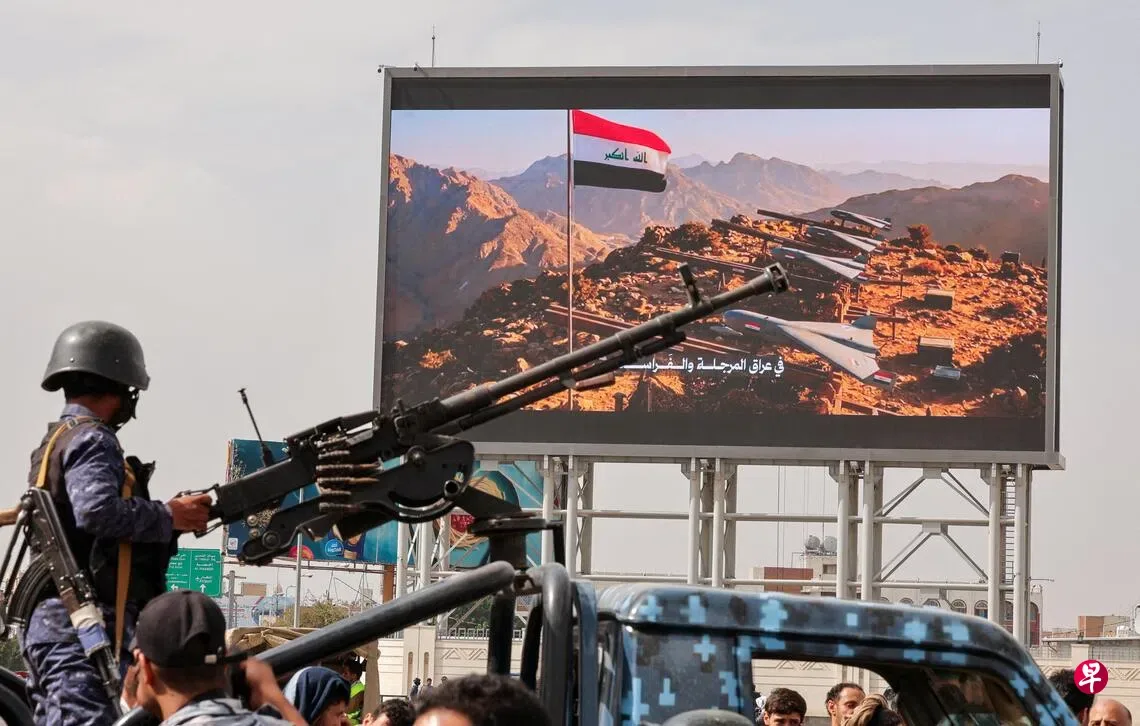
Reports continue that US and Israeli officials are preparing a major bombing campaign targeting Iran’s energy infrastructure possibly during early August, though no final US order has been given [5, 11]. Israeli sources differ on whether they have been formally notified or intend to join such strikes [5, 11]. The Houthi armed group denied plans to attack commercial ships passing through the Bab al-Mandeb Strait but maintains naval restrictions on Saudi oil tankers in the Red Sea [11].
The US government has warned its citizens in the Middle East to be cautious and ready for possible evacuation amid escalating tensions [1, 4].
The latest concrete step is that talks involving Iran and Oman to reopen the Strait of Hormuz are ongoing as of August 3, while direct US-Iran negotiations remain unconfirmed by Iran but are asserted by the US side as underway [6, 8, 9, 3, 7].