The United States and Iran signed a 14-point preliminary peace agreement in mid-June 2026 aiming to end their war and address disputes over Iran's nuclear program and regional tensions [1, 2, 3, 4, 5]. The deal includes provisions for inspections by the International Atomic Energy Agency (IAEA) and supervision of Iran's stockpile of highly enriched uranium [1, 3, 4, 5, 6].
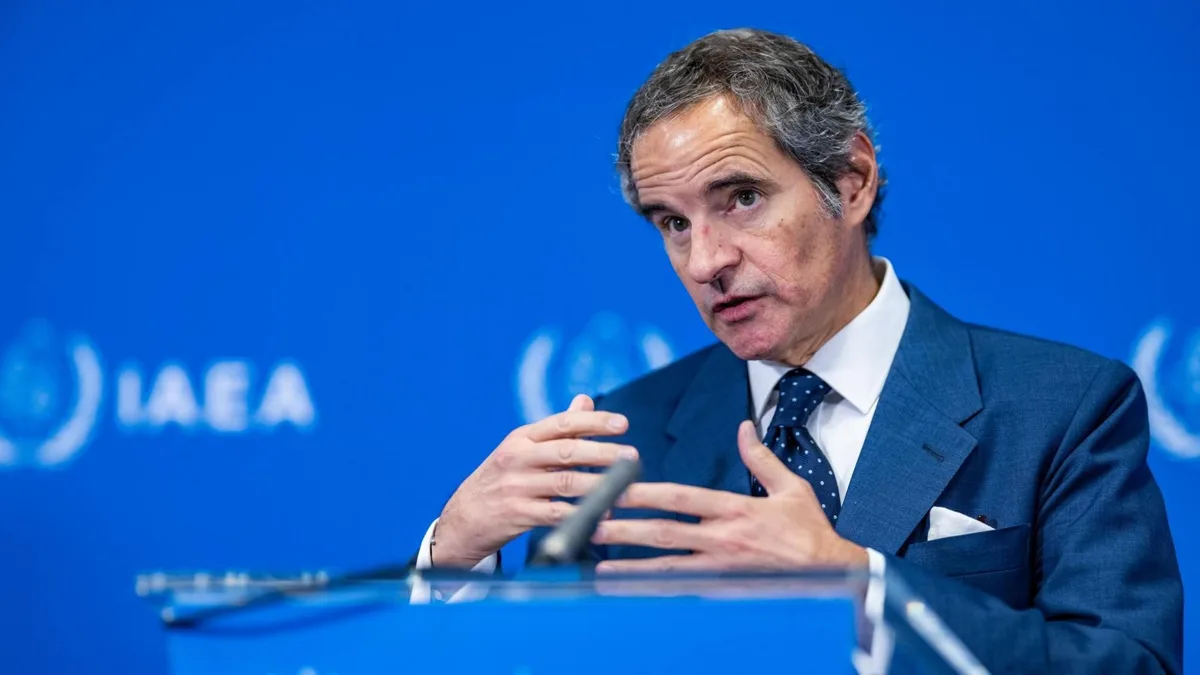
IAEA Director General Rafael Grossi said "The inspections will indeed take place ... We will be working on the modalities – dates, procedures, places – very soon," confirming inspections will begin though the precise timing and procedures remain to be finalized [1, 3, 4, 5]. However, Iran has yet to permit IAEA inspectors access to its most sensitive nuclear sites, including those damaged in airstrikes last June, and has not disclosed the status or full location of its enriched uranium stockpile [1, 4, 5, 6]. Before the 2025 strikes, Iran had about 441 kg of uranium enriched to 60%, with estimates that over 200 kg remain stored in underground tunnels near Isfahan [4, 5].
US President Donald Trump insisted Iran had "fully and completely agreed to nuclear inspections long into the future (Infinity!!!)," declaring the deal would ensure "Nuclear Honesty" and warning that without Iran’s full cooperation, negotiations would end [7, 8, 2, 9, 10, 6, 11]. In contrast, Iranian officials denied any agreement to allow long-term access to bombed sites, stating no final decision had been made on nuclear site inspection access [1, 8, 6, 11]. Iranian UN Ambassador Ali Bahreini said, "Tehran has yet to agree to the deployment of inspectors from the International Atomic Energy Agency (IAEA) to monitor its nuclear activities" [8]. Foreign Ministry Spokesperson Esmail Baghaei added, "Iran has no plans to grant IAEA inspectors access to nuclear facilities bombed by the US during the 12-day war" [6].
The US is also releasing frozen Iranian assets into a US-controlled escrow account, to be spent by Iran on food and medical supplies from the US, according to Washington [7, 9, 6, 11]. Tehran contradicts this and says it will decide how to use the funds without restrictions [6, 11].
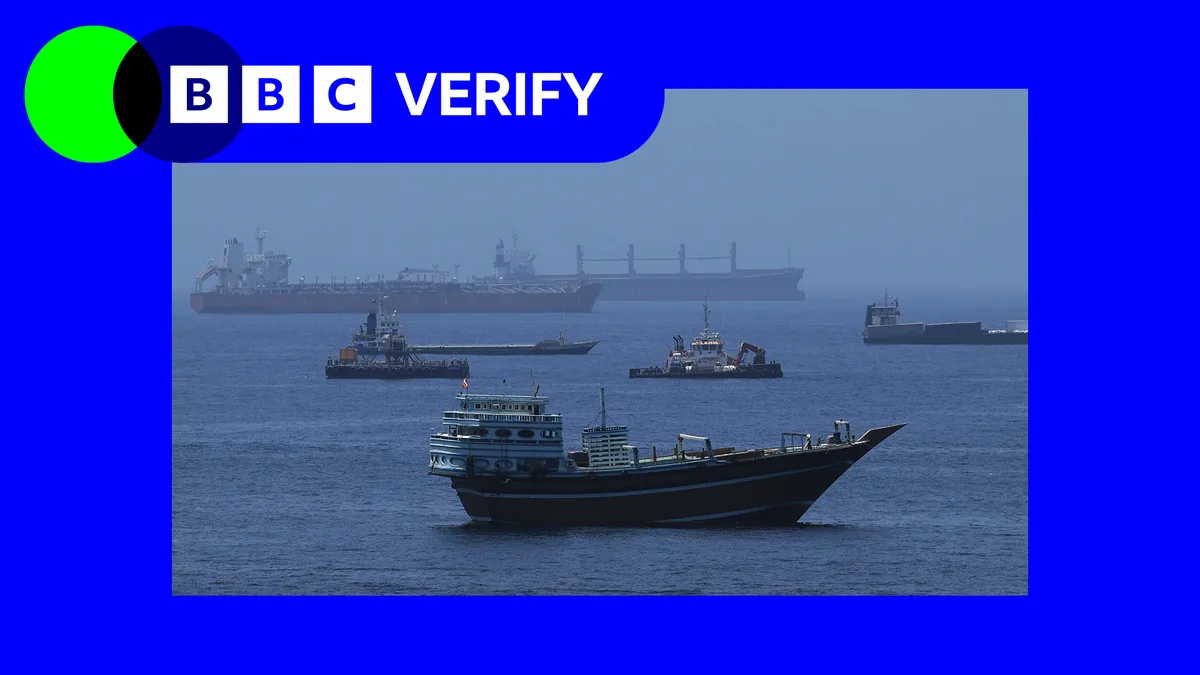
The deal calls for Iran to allow free shipping through the Strait of Hormuz without charging transit fees. Trump warned that if Iran imposes such fees, negotiations will end immediately [1, 12, 9]. Since the agreement, some shipping has resumed, with about 19 million barrels flowing through Hormuz on June 22 and oil prices dropping to pre-war levels [1, 7, 2, 9]. The US lifted its naval blockade of Iranian ports but plans to keep ships nearby to reimpose it if needed [1, 7, 9].
IAEA Director Grossi said strong verification is necessary to ensure Iran’s nuclear activities remain peaceful, noting Iran has declared no intention to develop nuclear weapons [5]. Domestically, the US Senate voted 50-48 to symbolically call for ending the war, indicating opposition to continuing the conflict [2].
The talks are limited under a 60-day memorandum of understanding signed with the preliminary peace deal [1, 3, 4]. The next key step will be finalizing modalities for IAEA inspections and continuing negotiations scheduled over the coming weeks to cement the truce and nuclear oversight.