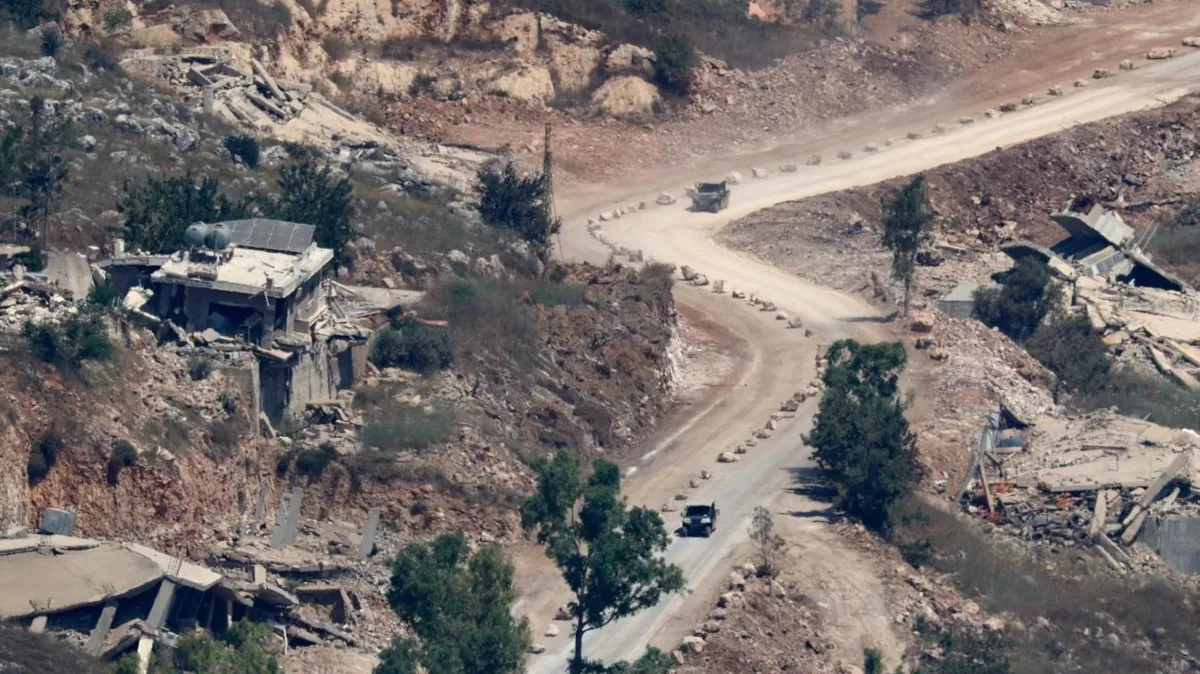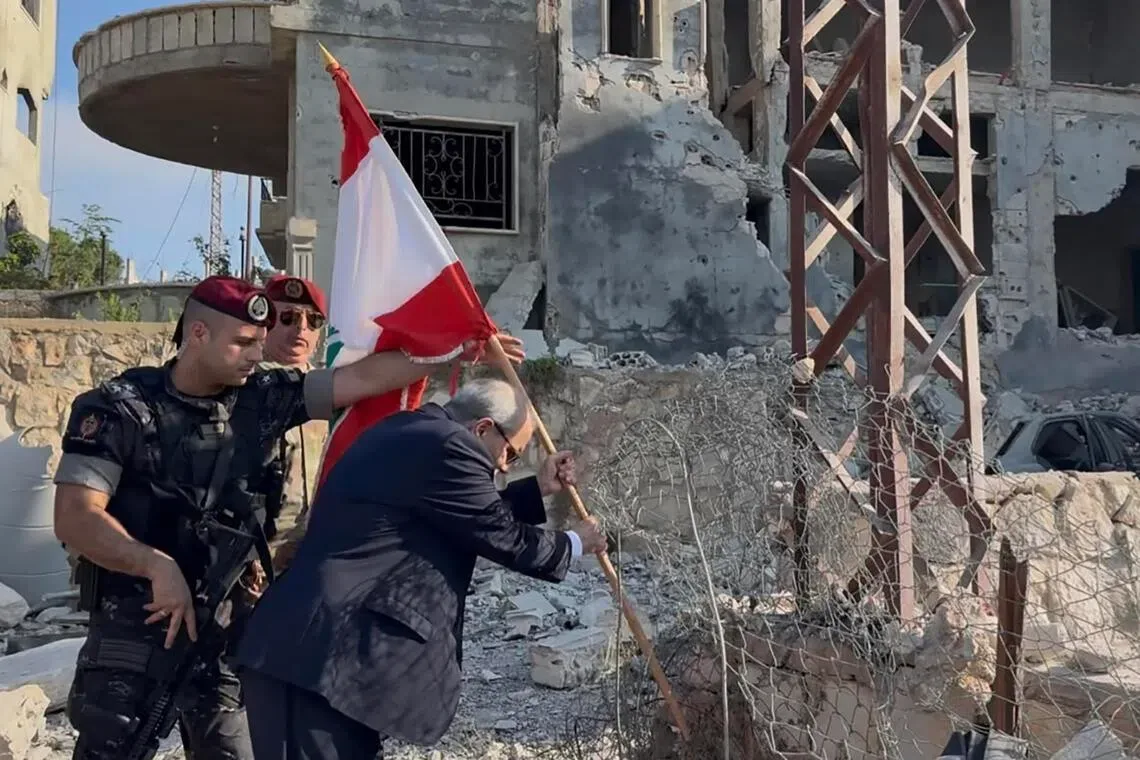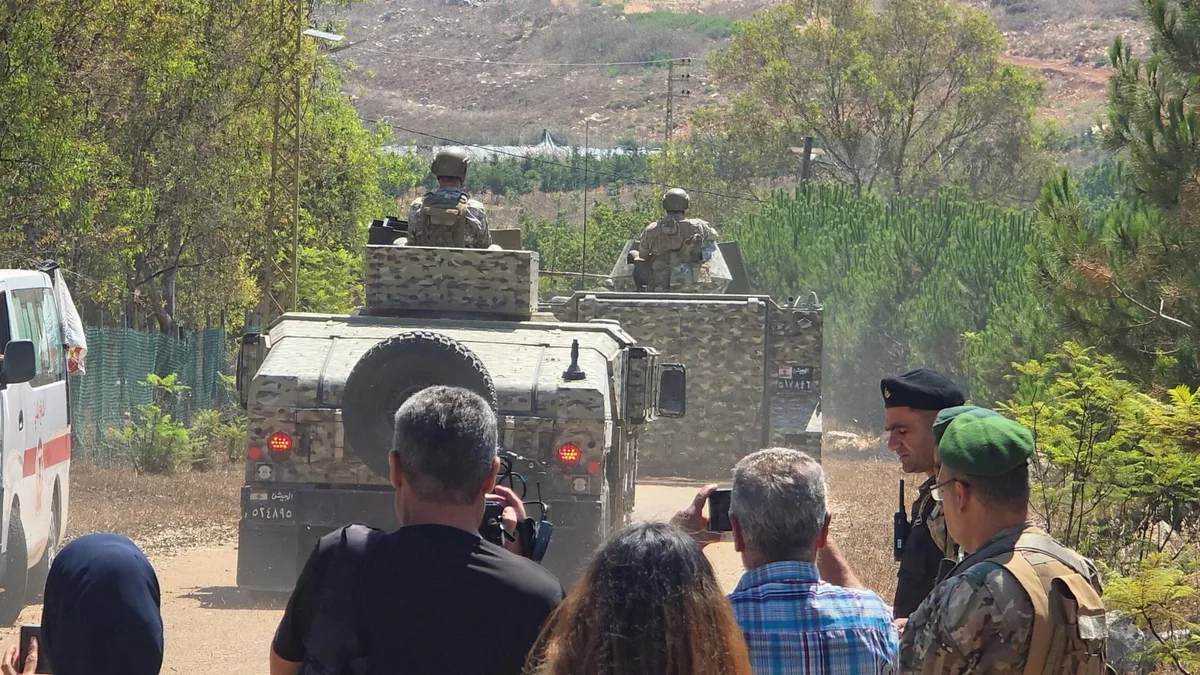
The Lebanese army started deploying troops to a 'pilot zone' in southern Lebanon on July 21, 2026, following an Israeli withdrawal under a US-brokered framework agreement signed in June 2026 [1, 2, 3, 4]. The plan aims for Israel to pull back from parts of southern Lebanon while Lebanon disarms Hezbollah in these areas as a step toward full Israeli withdrawal [1, 2, 3, 4].
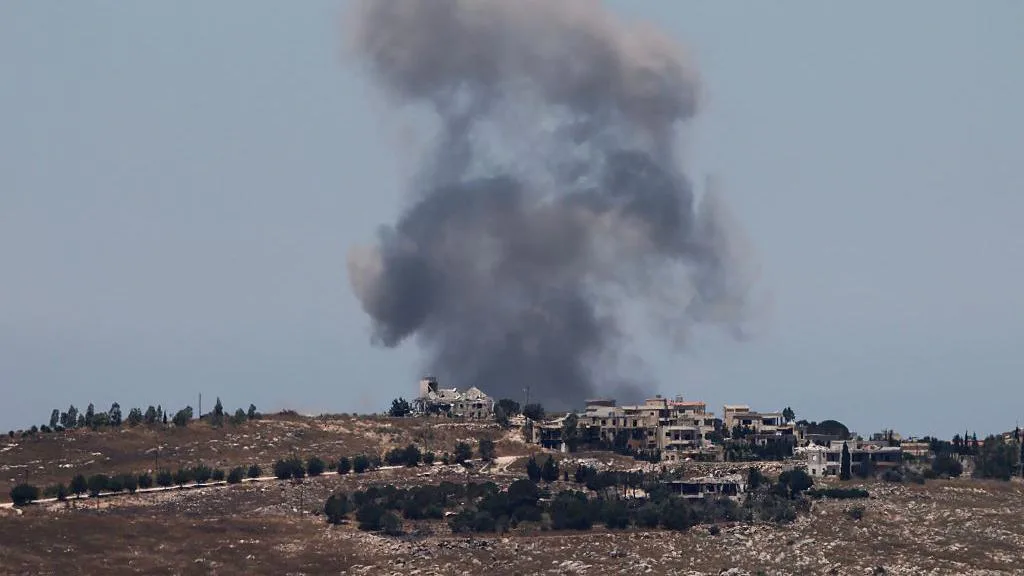
During the deployment, Lebanese forces said Israeli troops fired warning shots near their positions, signaling continued tensions along the border [1, 2, 3]. Some villagers have begun returning to pilot zone villages, though certain locals and security sources contend some of these areas, such as Froun and Ghandouriyeh, were never occupied by Israel [4]. Lebanese officials maintain these villages fall within the pilot zones [1, 3].
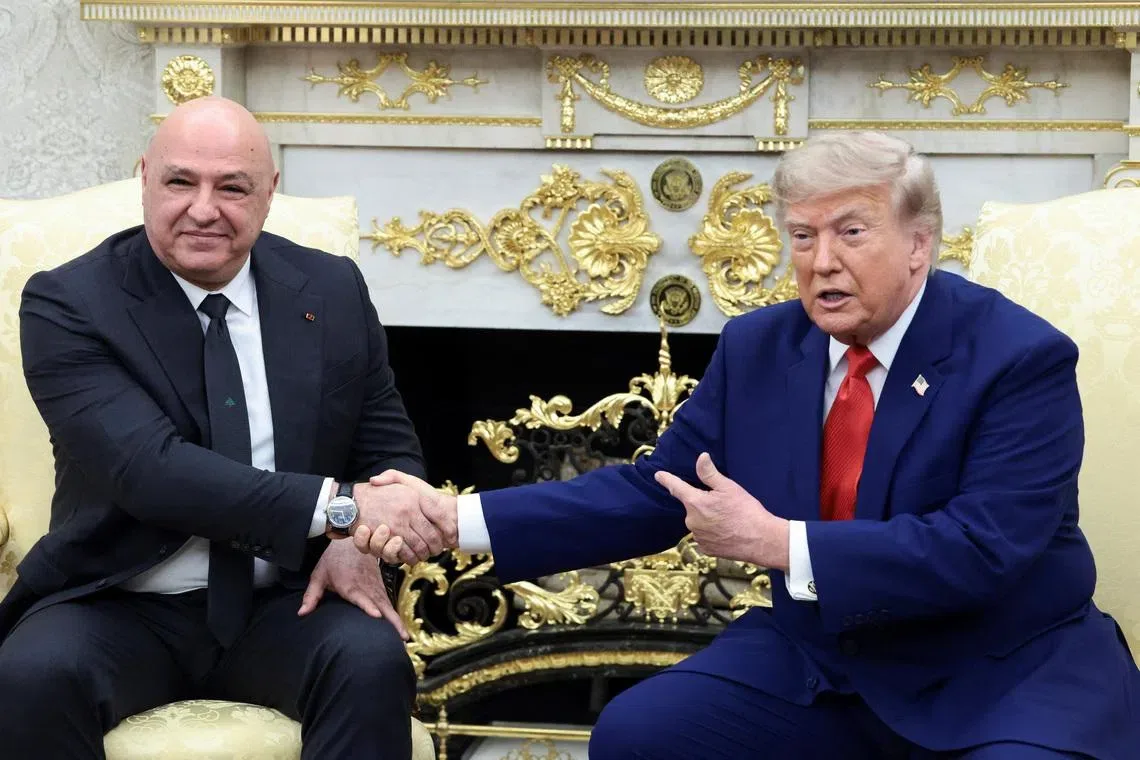
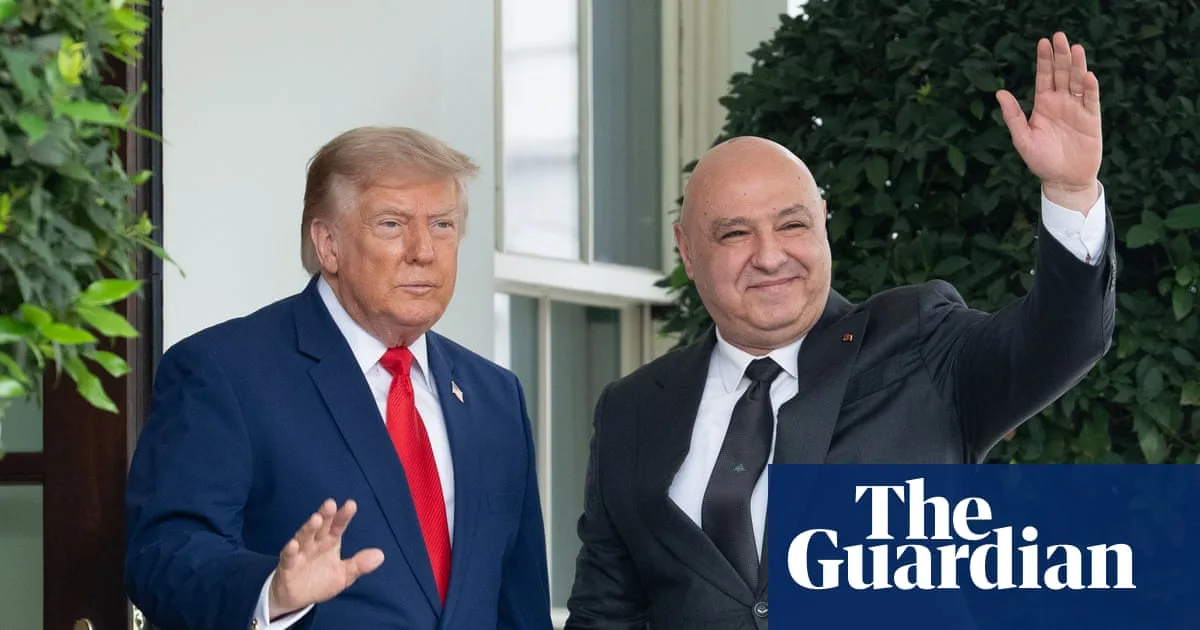
On July 21, US President Donald Trump met Lebanese President Joseph Aoun at the White House. Trump pledged extensive US support to Lebanon, stating, "We’re gonna help it a lot," and endorsed backing the Lebanese Armed Forces (LAF) to maintain stability. Aoun emphasized, "We need to support the LAF. Without the LAF, everything will collapse" [5, 2, 6, 7, 8].
Trump also announced he had directed his administration to allow US airline carriers to resume direct flights to Lebanon for the first time since 1985, when they were suspended following the hijacking of TWA Flight 847 [5, 2, 6, 9, 10]. Trump said, "I am hereby directing my Administration to allow all U.S. airline carriers to fly directly to Lebanon so that Americans can easily visit this beautiful land" [5].
The 1985 suspension ended 41 years of direct flights. Resuming air travel marks a significant step in US-Lebanon relations amid regional tensions [5, 9]. Trump also stated his willingness to speak directly to Hezbollah if requested by Lebanon's president, saying, "I would speak to Hezbollah. I speak to everybody. I'll speak to people that a lot of people think I shouldn't be speaking to, and things work out... if the president wanted me to speak to Hezbollah, I would" [7, 8].
Prime Minister Nawaf Salam visited the deployed pilot zone villages on July 22. He reaffirmed Beirut’s commitment to securing a complete Israeli withdrawal from southern Lebanon, saying, "We will continue mobilising our political and diplomatic efforts to secure a complete Israeli withdrawal from the south" [3].
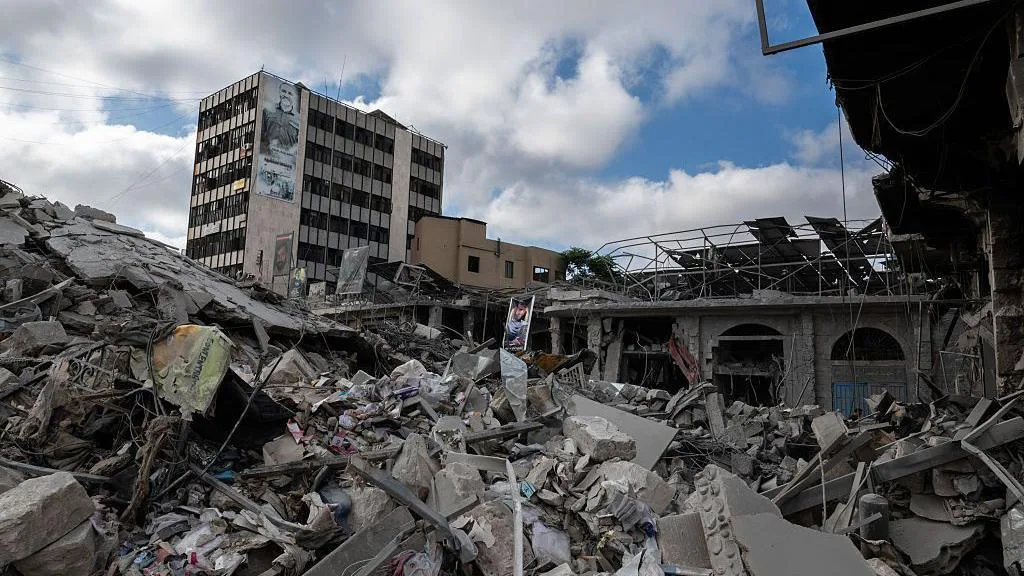
More than 4,300 people have died in Lebanon since the conflict with Israel began in March 2026, including about 800 children, women, and medics. Israeli casualties include 37 soldiers and four civilians [1, 3, 4].
The next key event in the timeline is Lebanon's continued implementation of the pilot zone plan and diplomatic efforts surrounding full Israeli withdrawal, ongoing since June 2026.