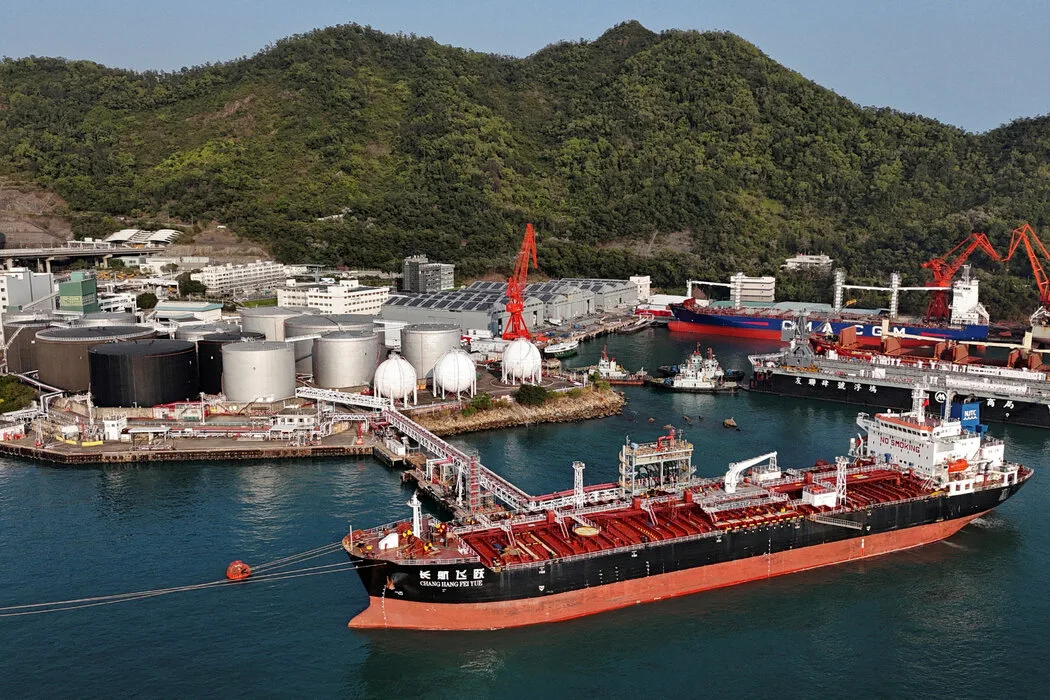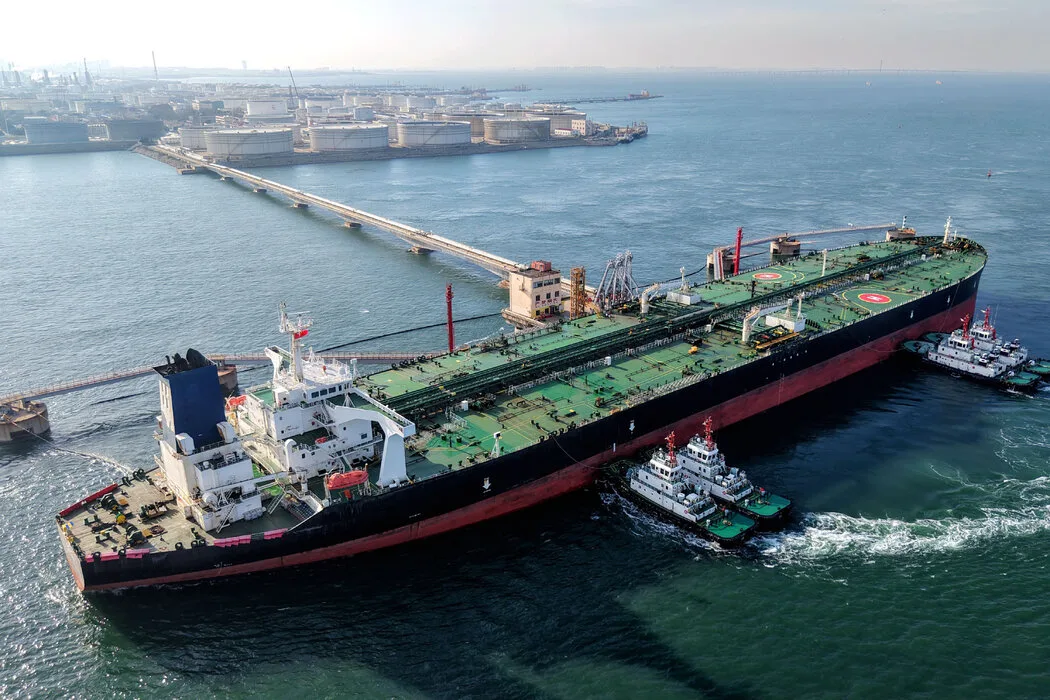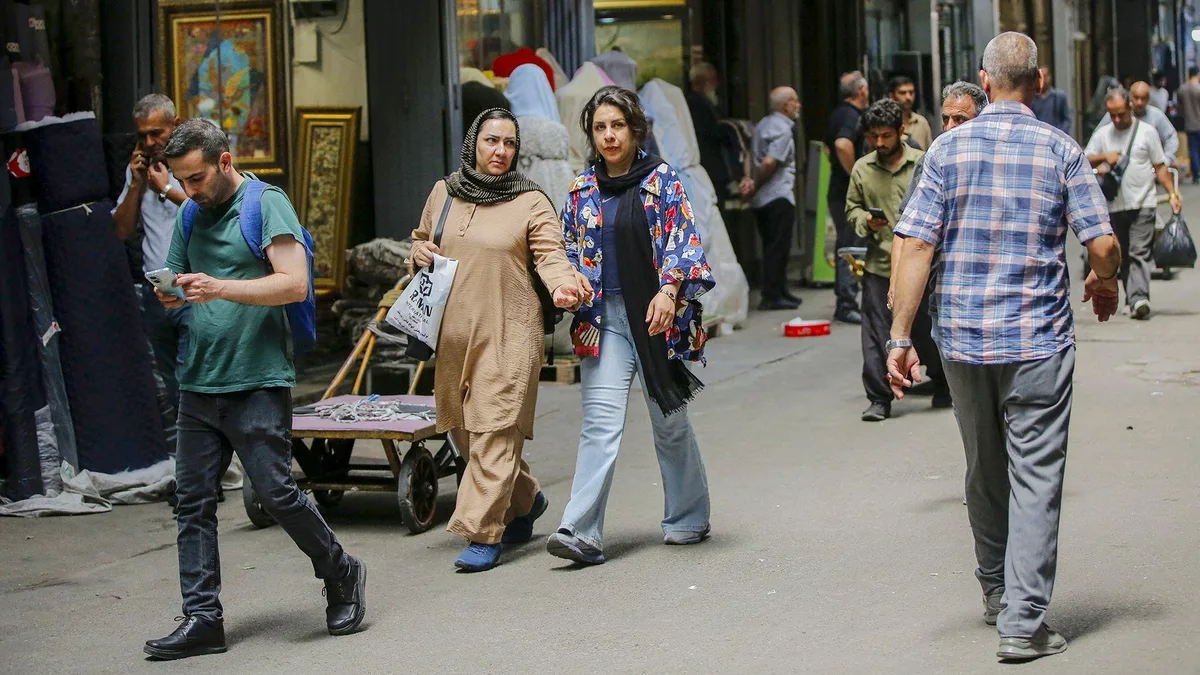
US President Donald Trump announced what he called "the MOST CRUSHING ECONOMIC OPERATION EVER TAKEN AGAINST ANY COUNTRY" to isolate Iran economically and warned any country supporting Iran’s financial or business activities will face "TREMENDOUS Economic Consequences" [1]. The campaign includes targeting oil smuggling, cash transfers, ship registries, front companies, and other Iranian trade mechanisms. [2, 3, 4]
US Treasury Secretary Scott Bessent described the sanctions as "the greatest coordinated economic isolation in the history of the world" and said the US is demanding countries choose to be "with us or against us". [5] He scheduled a press conference on August 24 to outline further details. [5]
China, the largest buyer of Iranian oil, purchased over 80% of Iran's exports in 2025 — about 1.38 million barrels daily — making it a likely target of US sanctions. [6, 7] Chinese Foreign Ministry spokesman Lin Jian condemned the unilateral US sanctions as illegal and called for political solutions. [7] Besides China, Iran exports oil to the UAE, Iraq, Turkey, Pakistan, and India, though in smaller volumes; these countries could also face secondary sanctions, according to some reports. [7, 8]
The UAE already suspended all trade and financial transactions with Iran following recent missile threats and escalations. Its trade with Iran was about US$28 billion in 2024. [9, 6, 7, 8]
Iran’s government said it is fully prepared to counter the US sanctions with a two-year plan and called the US actions a likely failure. Iranian Economy Minister Ali Madanizadeh said, "We also have our own tools and know how to play the game." [10] Iranian Foreign Minister Abbas Araghchi accused the US of "economic terrorism" and said the campaign would backfire. [4]
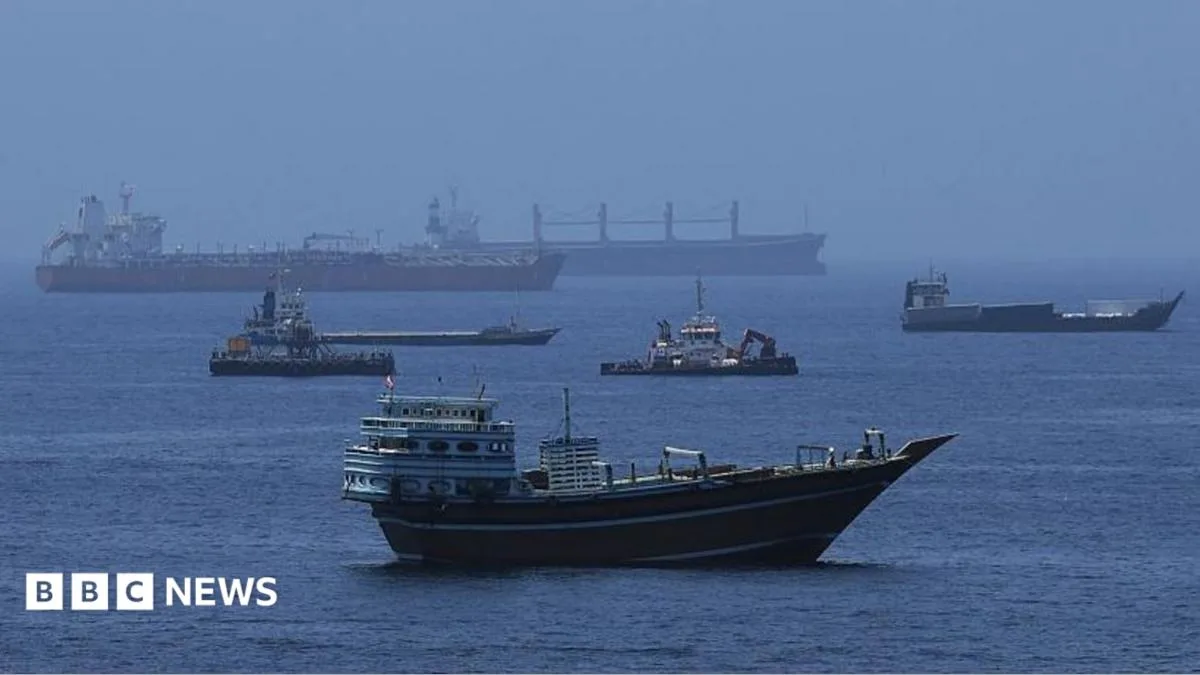
Iran continues to blockade the strategic Strait of Hormuz despite US naval efforts to counter it. [1, 11, 6, 4, 5] US strategy appears to be shifting away from costly military strikes to intensified economic pressure as the preferred approach. [9, 3, 5, 12]
President Trump had posted on social media on August 18 reaffirming the US naval blockade and rejecting talks with Iran at this time. [10, 2, 4] He formally announced the sanctions campaign the next day. [1, 11, 9, 3]
Treasury Secretary Bessent warned of the impending sanctions and the UAE’s suspension of trade on August 20. [9, 6, 7, 5, 8]
Bessent is expected to provide further details of the sanctions and targeted measures during his August 24 press briefing.
The sweeping US economic offensive aims to choke off Iran’s financial lifelines and pressure countries facilitating Iranian trade, marking an escalation in Washington’s efforts to isolate Tehran on the world stage.