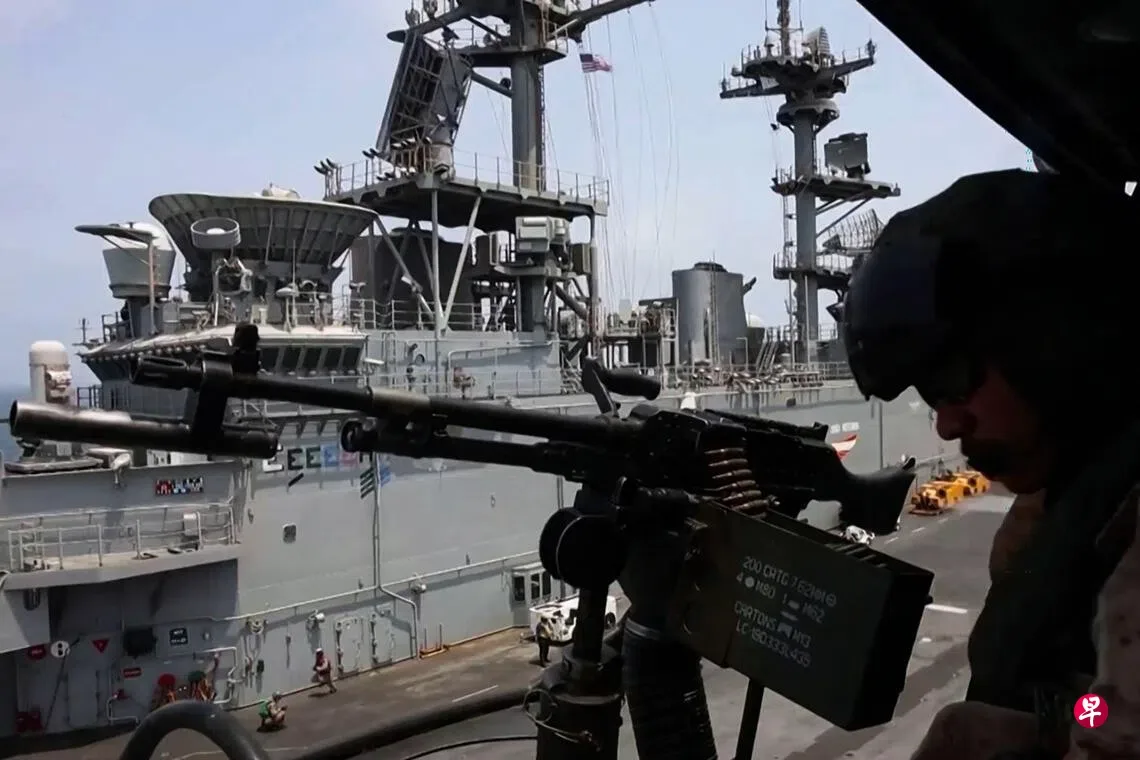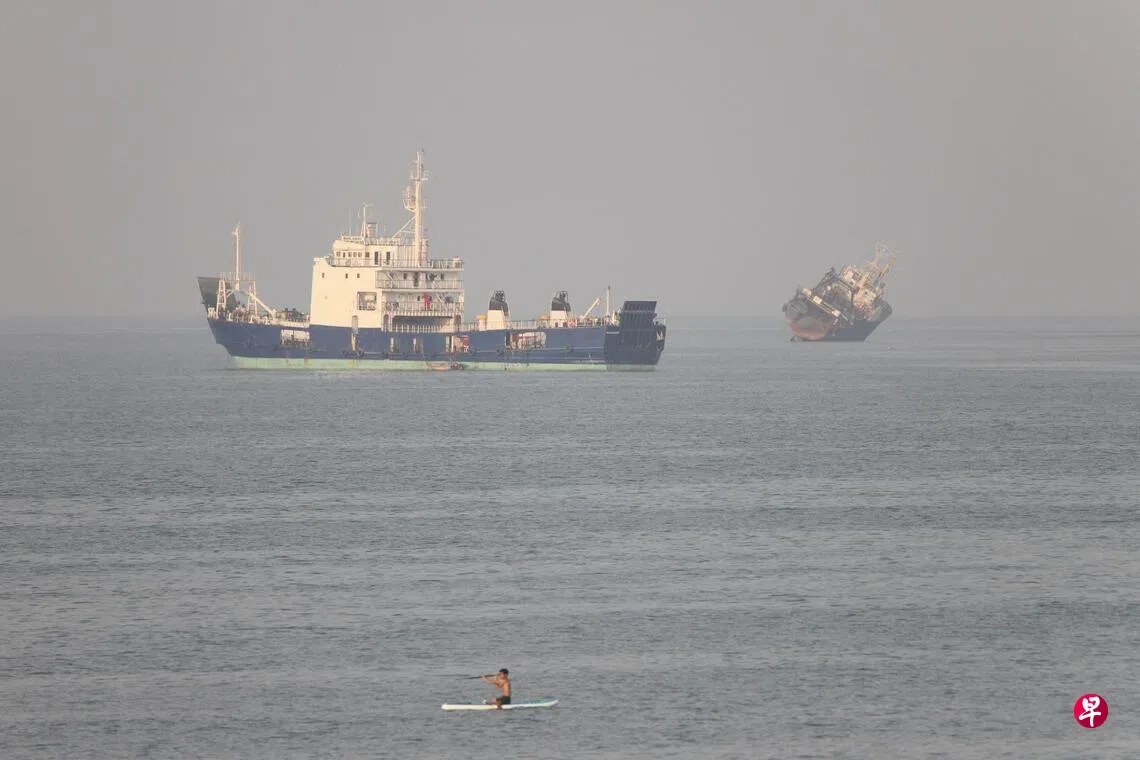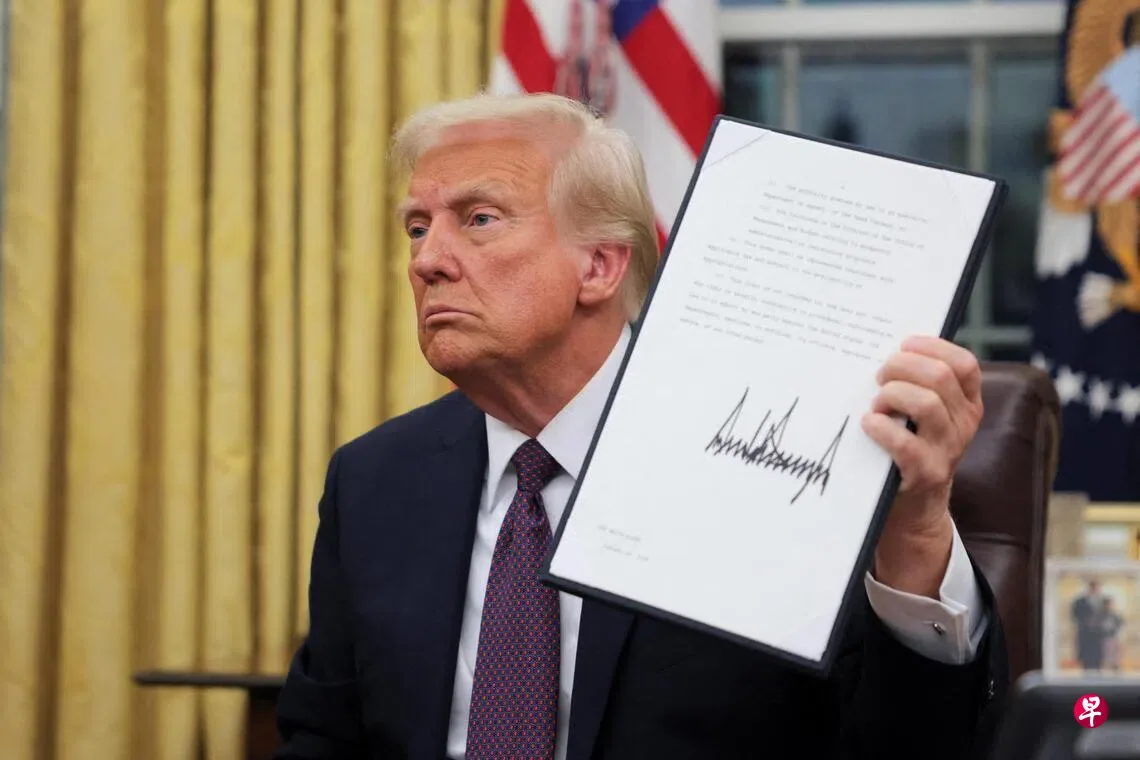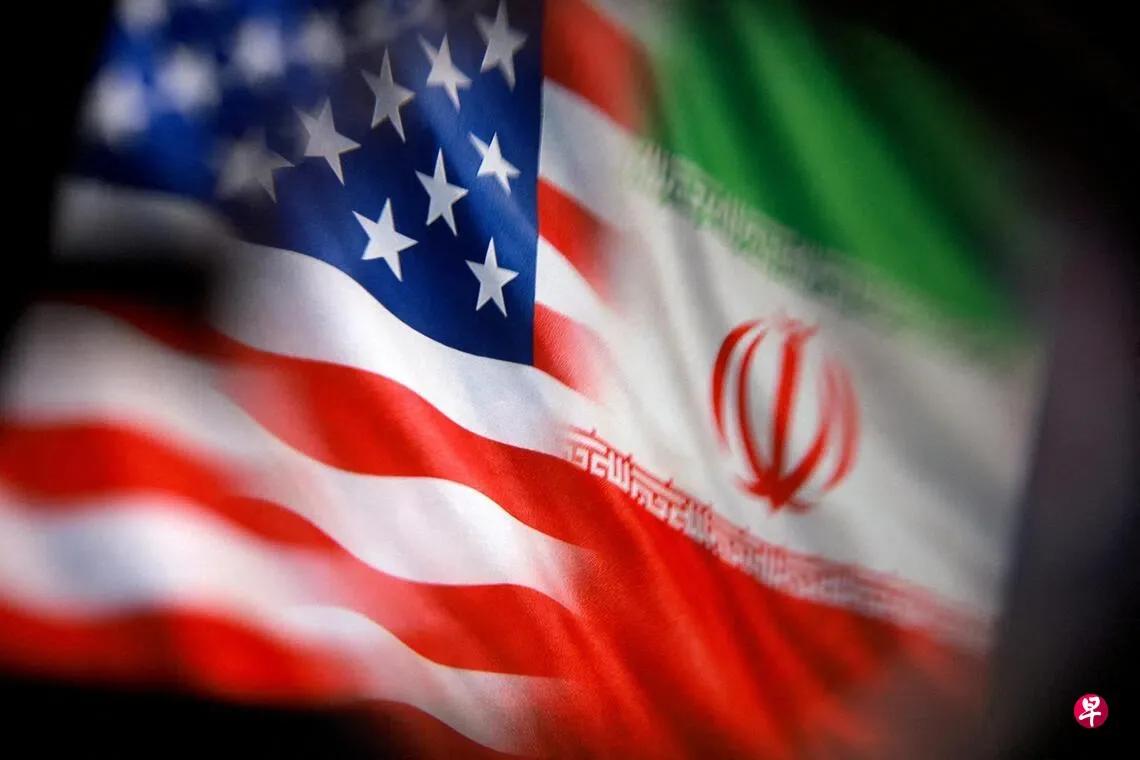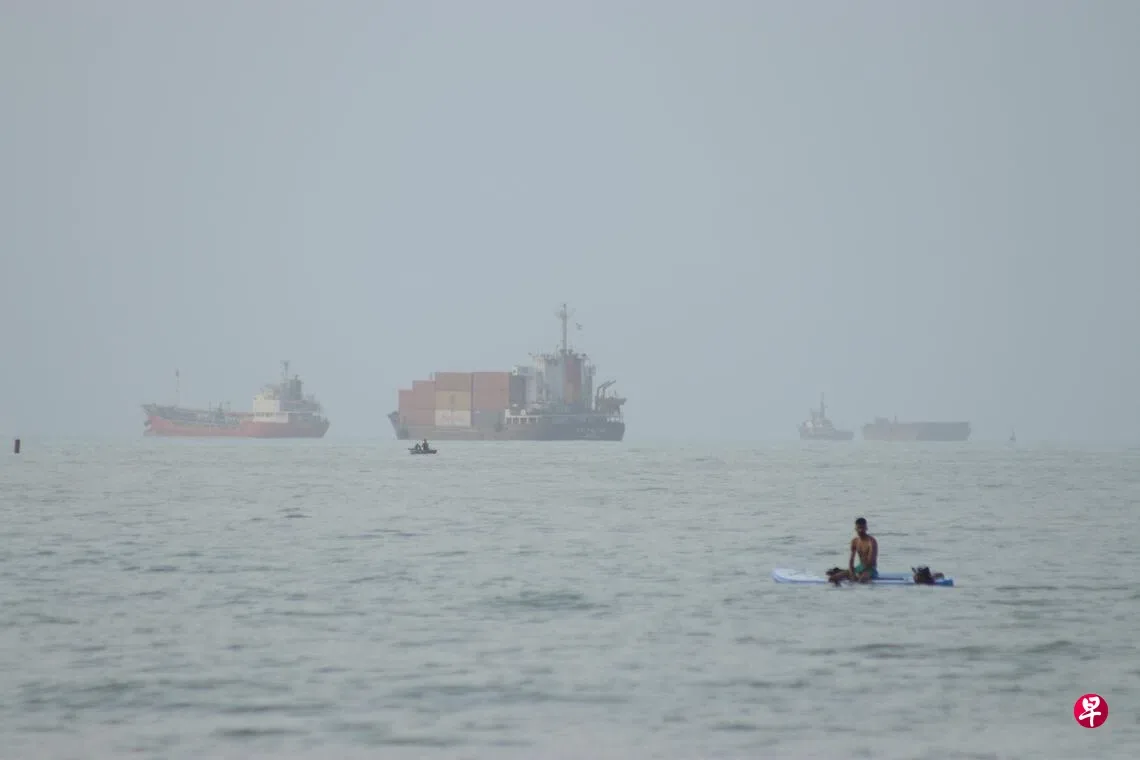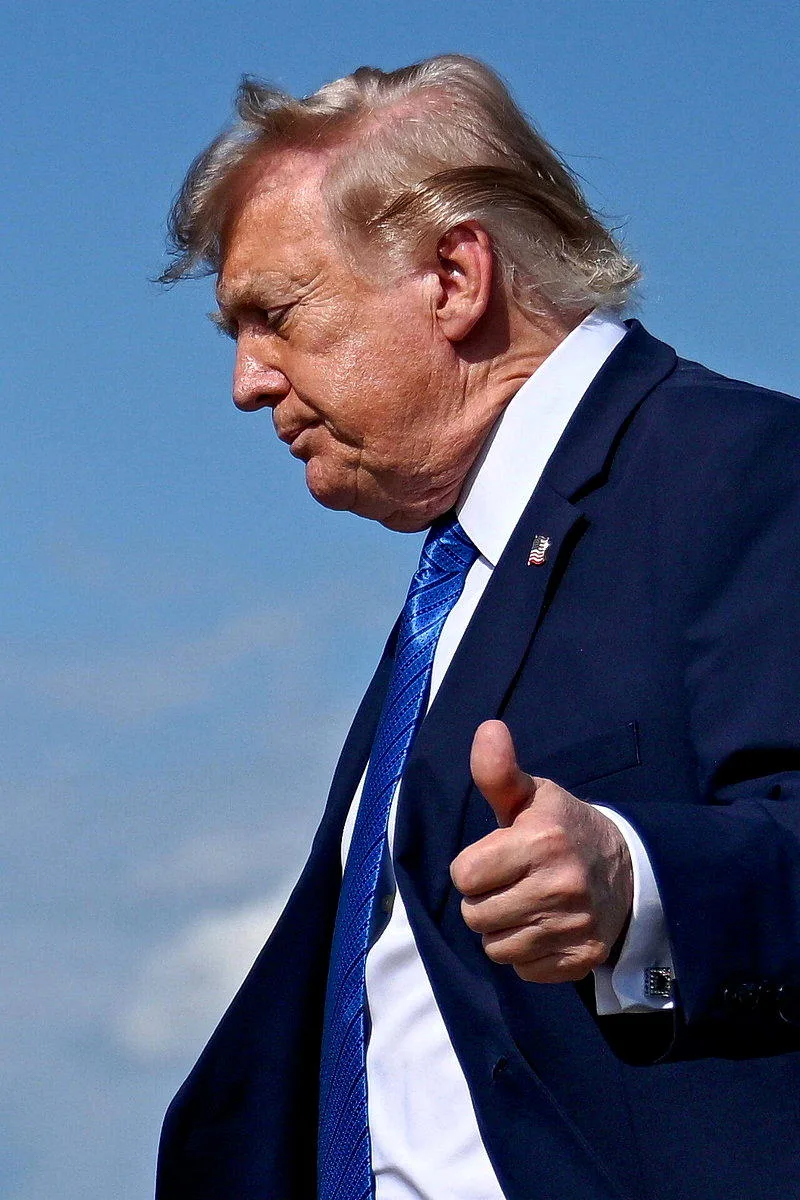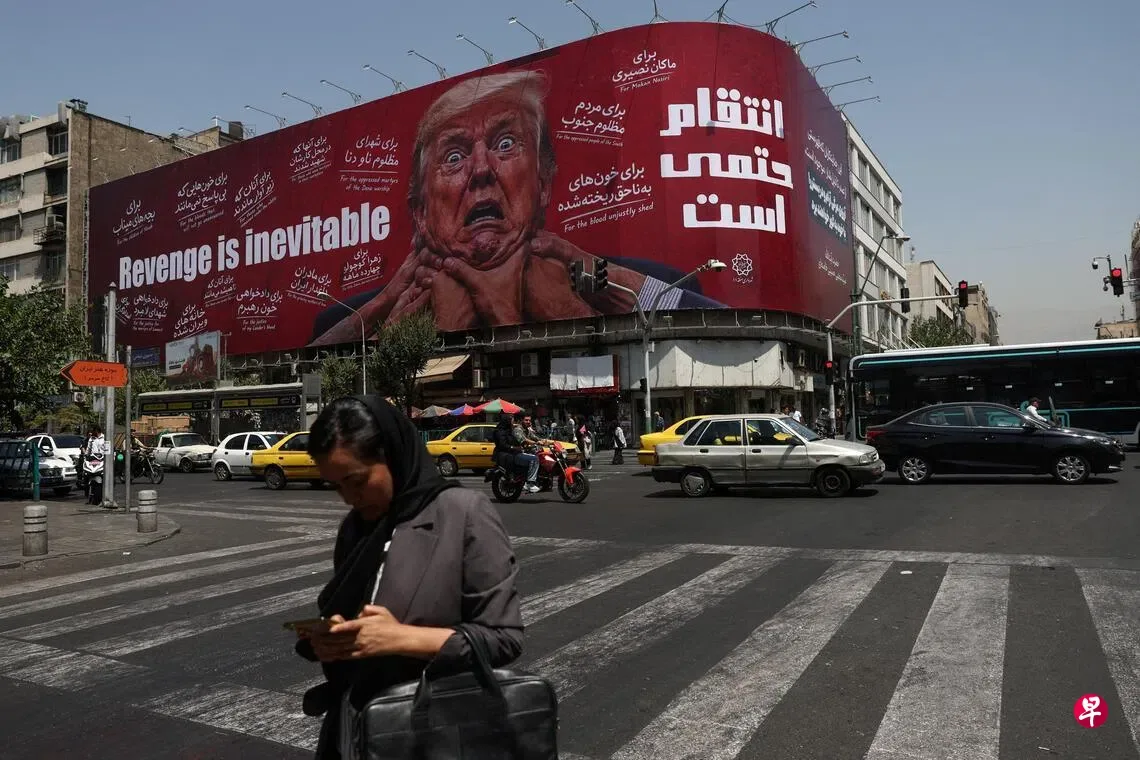
US President Donald Trump ordered the military to pause airstrikes on Iran after 13 consecutive nights of targeting Iranian forces, aiming to reduce tensions and open diplomatic channels, officials confirmed [1, 2, 3, 4, 5]. The strikes had focused on deterring Iran’s attacks on ships transiting the strategic Strait of Hormuz, a critical oil passage [1, 2, 3, 4].
On July 24, Trump declined to approve a planned 14th night of airstrikes, directly instructing the military to refrain from additional attacks that day [1, 6, 2, 3, 4]. Despite the pause in airstrikes, the US maintained a naval blockade of Iranian ports, including boarding and inspecting vessels and disabling two ships attempting to breach the blockade—one Mozambican-flagged tanker was disabled on July 24 and a Comoros-flagged tanker was boarded on July 25 [7, 8, 3, 4]. The blockade has forced approximately a dozen ships to divert routes [8, 3].
Iran halted retaliatory strikes for two nights after the US pause, following a pattern of tit-for-tat escalation, though Iranian officials remain cautious about US intentions [7, 5]. Iranian Revolutionary Guard forces struck two oil tankers on July 31 passing through an unapproved route in the Strait of Hormuz backed by the US, signaling ongoing tensions [9]. Iranian officials warned that countries supporting the US—including the UK and Gulf states—would be considered legitimate targets [1].
President Trump said the pause was aimed at creating space for diplomacy. "We are in dialogue with them. I think they are getting more serious. This time they are serious," he stated [1]. He also warned that if negotiations fail, the US will resume strong military action [10]. US Ambassador Mike Waltz confirmed, "President Trump is giving some space for diplomatic talks with Iran but has not abandoned the military option" [11].
Negotiations are primarily taking place between Iran and Oman to reopen the Strait of Hormuz, without official US participation, according to Iranian Foreign Ministry spokesman Bahkayi who said, "We are not having any negotiations with the US. The talks between Iran and Oman have nothing to do with the US" [12]. This contrasts with US reports of indirect discussions mediated by Oman and other diplomats [1, 7, 10].
Some US military advisors reportedly raised concerns about exhausting missile interceptors and alienating Gulf allies if attacks resumed at scale, though officials denied ammunition shortages are restricting options [7, 6, 11]. Meanwhile, the regional conflict expanded as Yemen’s Houthi rebels intensified attacks on Saudi oil facilities in retaliation to coalition strikes [7, 4].
The pause in airstrikes took effect on July 24, with the US naval blockade operations continuing to enforce restrictions at sea. Talks between Iran and Oman remain ongoing to resolve navigation through the Strait of Hormuz [1, 7, 10, 12].