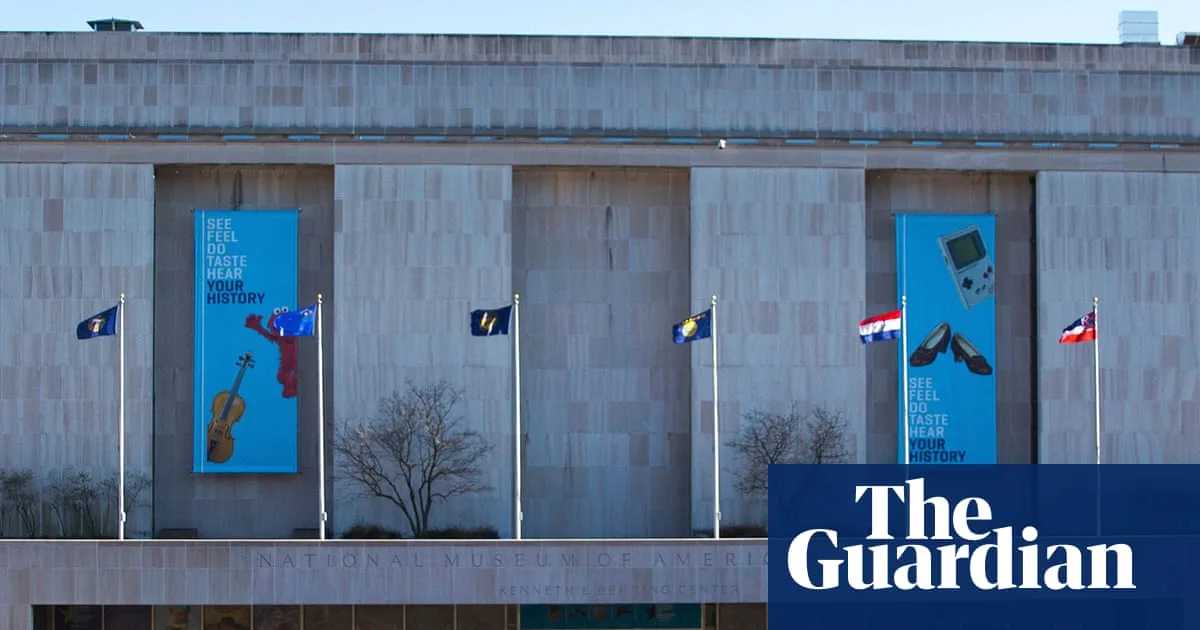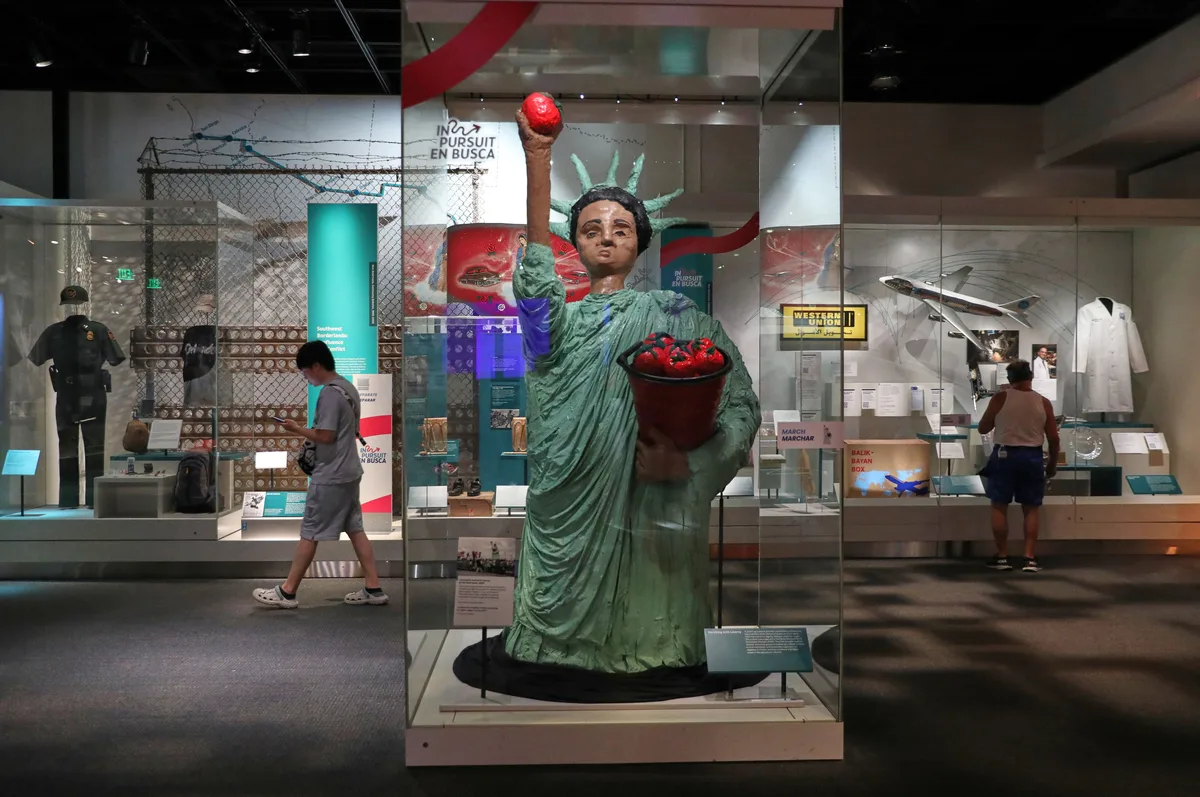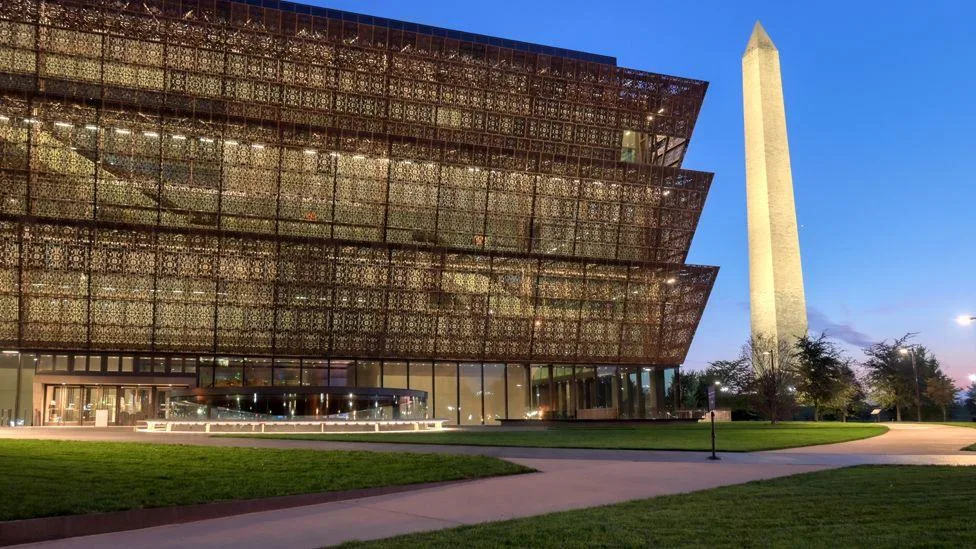
On July 24, 2026, US President Donald Trump signed an executive order directing federal officials to place warning signs outside the Smithsonian National Museum of American History in Washington, D.C. The signs will alert visitors that some exhibits contain "inaccurate" information and call for renovations to correct the museum’s portrayal of American history [1, 2, 3].
The order directs installation of temporary signage on public walkways leading to the museum. It also requires staff to inform visitors about a recent White House report criticizing the institution [1, 2, 4]. The 162-page report, released July 4 and titled "Saving America’s Story," accuses Smithsonian leadership of using history as a vehicle for "social justice and radical transformation" and promoting an anti-American ideological bias [1, 4, 5].
The report alleges the museum fails to adequately highlight the positive role of Christian belief in US history and claims "White, male, and Christian Americans are regularly denigrated as the alleged embodiment of oppressive power structures" [3, 4, 5]. Republican lawmakers, including Congressman Tim Burchett, have condemned the museum for being "infected by a woke ideology" that emphasizes oppression and politicizes history. Burchett said, "I felt the Smithsonian has become infected by a woke ideology to highlight American oppression" [2, 3, 4, 5, 6, 7].
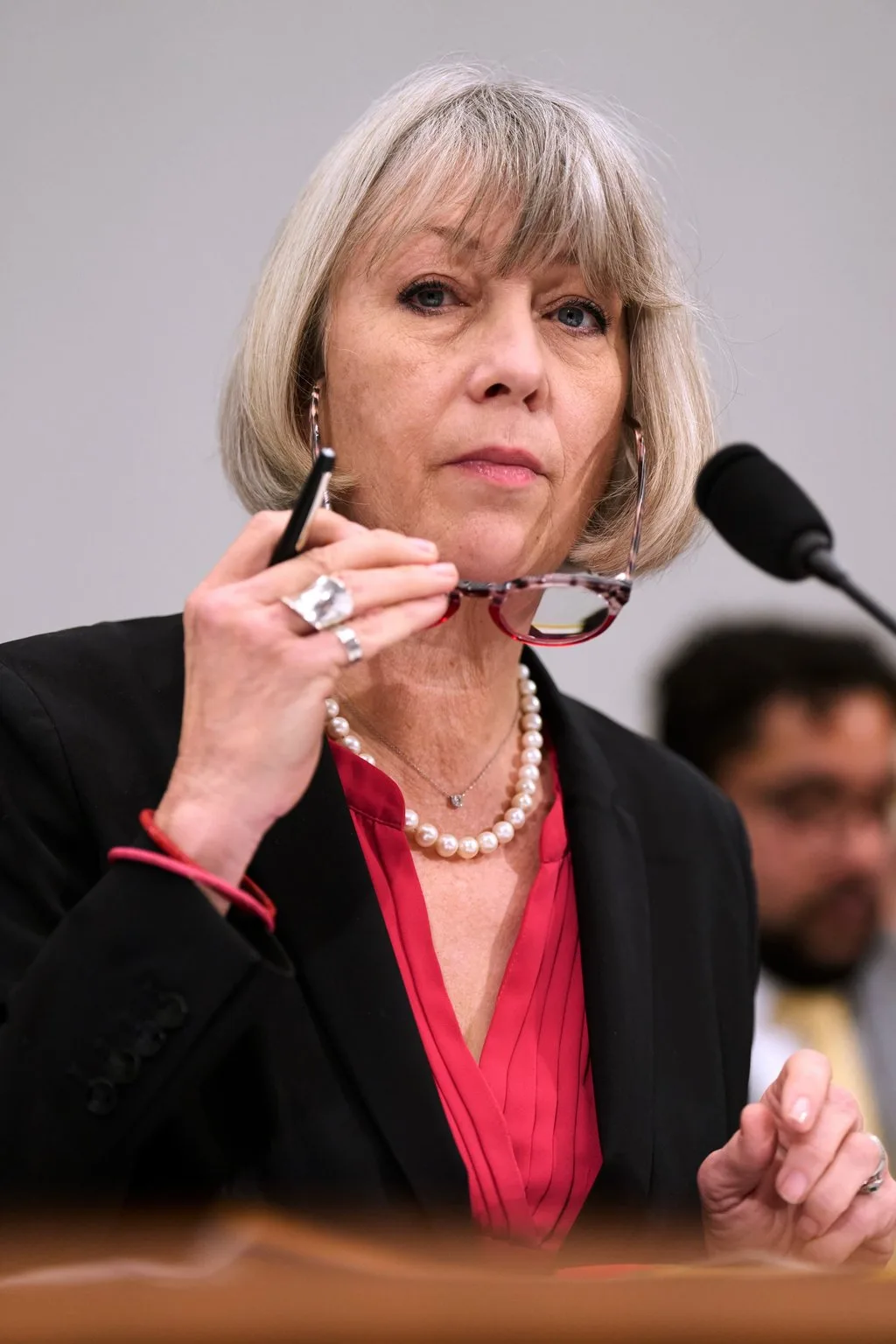
Museum director Anthea Hartig, testifying at congressional hearings in late July, defended the Smithsonian. She cited the institution’s extensive collection of important historical artifacts and described the museum as nonpartisan. "We honor the declaration, the revolution, the constitution, our national symbols, and we tell the truth about the times that the country fell short of its own founding ideals," Hartig said [2, 3, 4, 5].
Democratic lawmakers have criticized Trump’s involvement. Congresswoman Melanie Stansbury called the administration's actions an "unprecedented effort to interfere in how American history is told, researched, interpreted, presented and taught" not only at the Smithsonian but across education and government. She added, "Smithsonian is not the President’s, it belongs to the American people" and has proposed legislation to protect the museum’s independence [3, 4, 5, 6, 7].
The Smithsonian Institution operates 21 museums nationwide, offering free entry to an estimated 15 to 30 million visitors annually. It is largely federally funded and includes nationally prominent facilities like the National Museum of American History [1, 8].
Trump’s July executive order follows a prior directive from March 2026 that aimed to eliminate divisive or anti-American ideology within the Smithsonian. The administration has pursued a broader cultural agenda, including renaming and refurbishing other institutions [1, 5, 7, 8]. The recent order does not specify what alternative narratives or sources should replace the museum’s current exhibits [1, 2].
The Smithsonian and the White House are now expected to begin installing the mandated signage outside the National Museum of American History in the coming weeks, marking a new phase in the political debate over historical interpretation at the federally funded institution [1, 4].