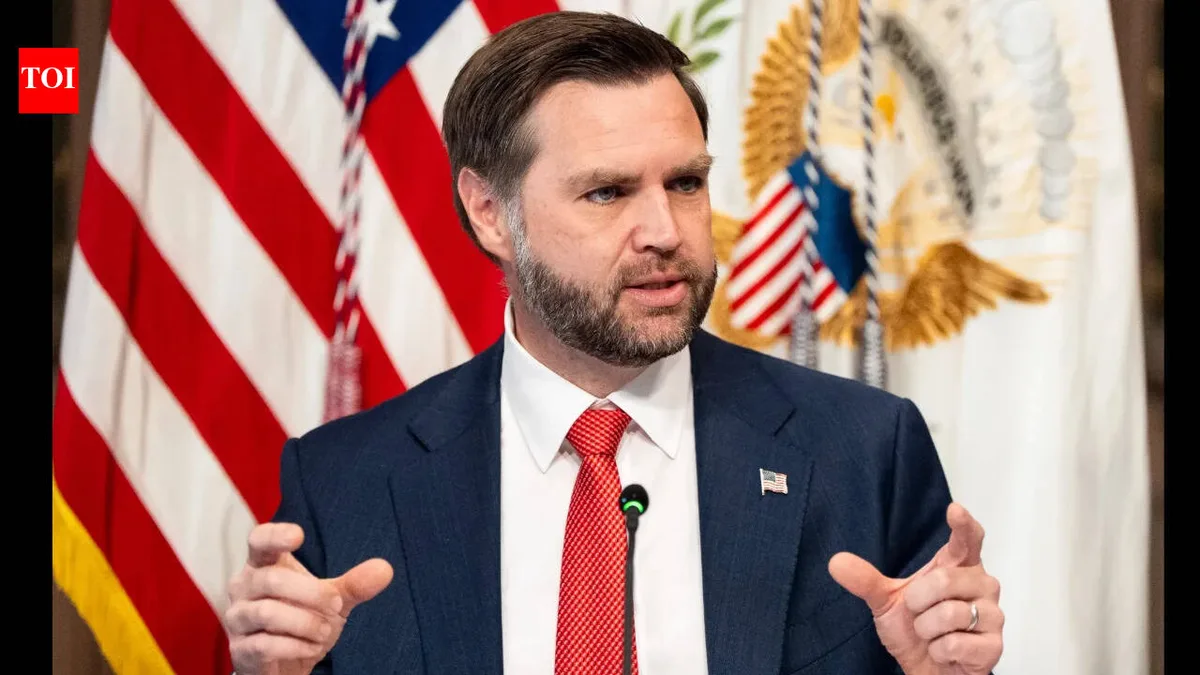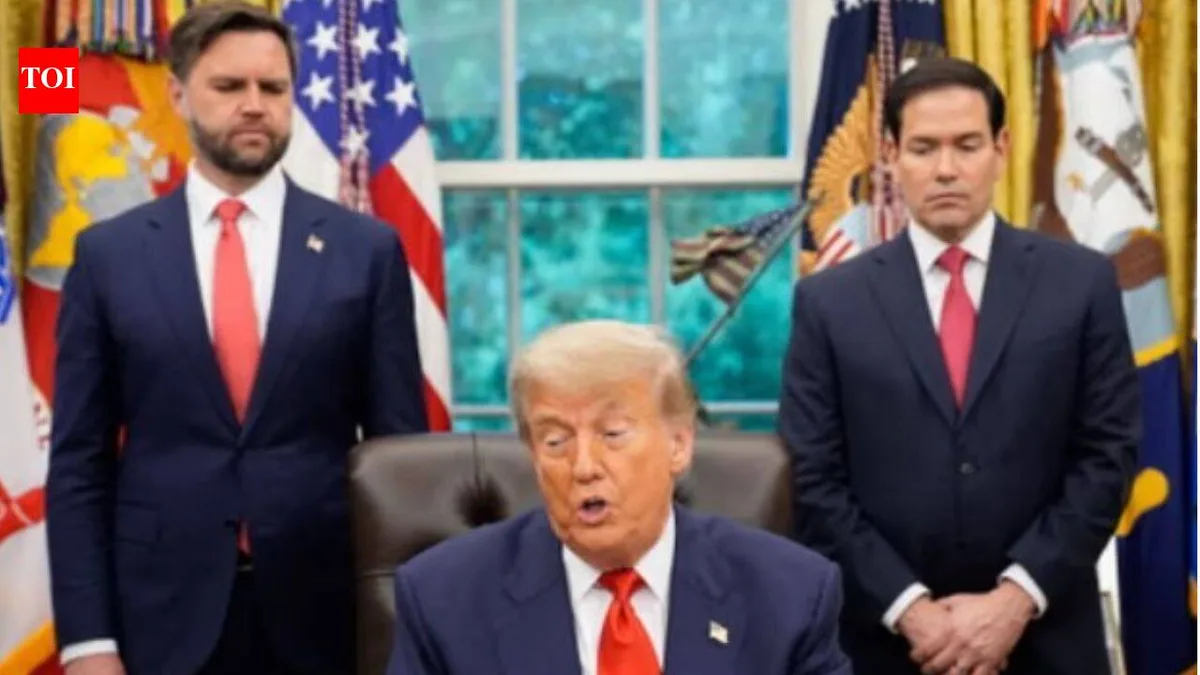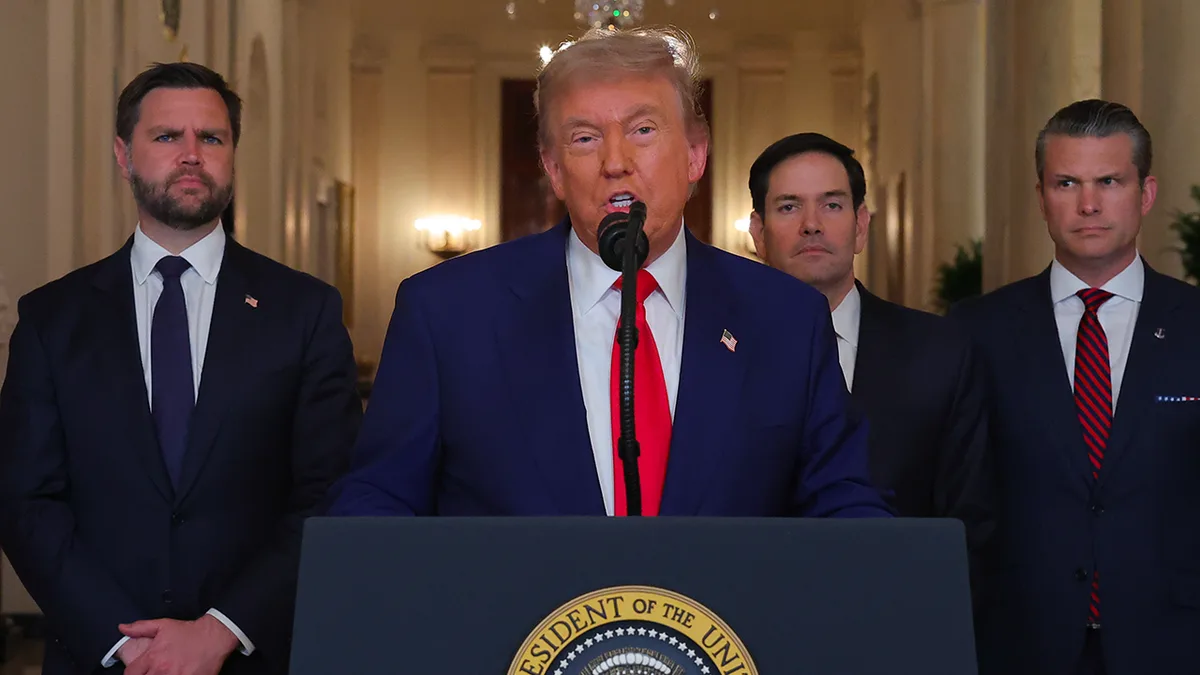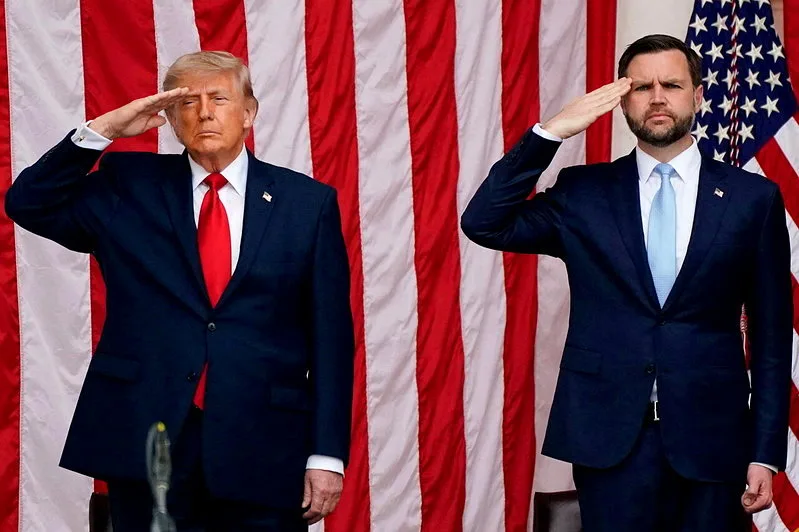
Donald Trump told Republican donors two weeks ago in a private White House Oval Office meeting that "At the end of the day, we need to elect JD," referring to Vice President JD Vance as his preferred Republican candidate for the 2028 presidential election [1, 2, 3, 4, 5]. Despite this private endorsement, Trump has publicly expressed openness to both Vance and Secretary of State Marco Rubio as potential contenders, suggesting a possible Vance-Rubio ticket but without confirming who would lead [1, 2, 3, 4, 5].
Trump, who is constitutionally barred from running for president again in 2028, has joked about mounting another campaign but is seen as exerting significant influence over the party's succession planning [1, 3, 5]. He continues to privately consult aides about the two potential successors, including discussions during Marine One helicopter rides late last month, indicating the decision is still fluid [1, 2, 4].
Vice President Vance has not officially declared a 2028 presidential run. He said he will discuss a potential campaign with his wife after the 2026 midterm elections. Vance’s family life has recently changed with the birth of their fourth child on July 19 [3].
Vance is currently the Republican National Committee’s finance chair and controls over $128 million in cash according to June filings, giving him substantial party resources and influence [5]. Rubio, who received strong support from many pre-Trump Republican donors during the 2024 vice-presidential selection, contrasts with Vance’s strong backing from the younger MAGA coalition [3, 5].
Some of Trump’s advisers caution that the private endorsement of Vance is not finalized, noting Trump often tailors his message differently to various audiences [1, 2]. The ultimate selection and support for the Republican 2028 candidate are expected to hinge critically on the results of the 2026 midterm elections and internal GOP dynamics [1, 2, 3].