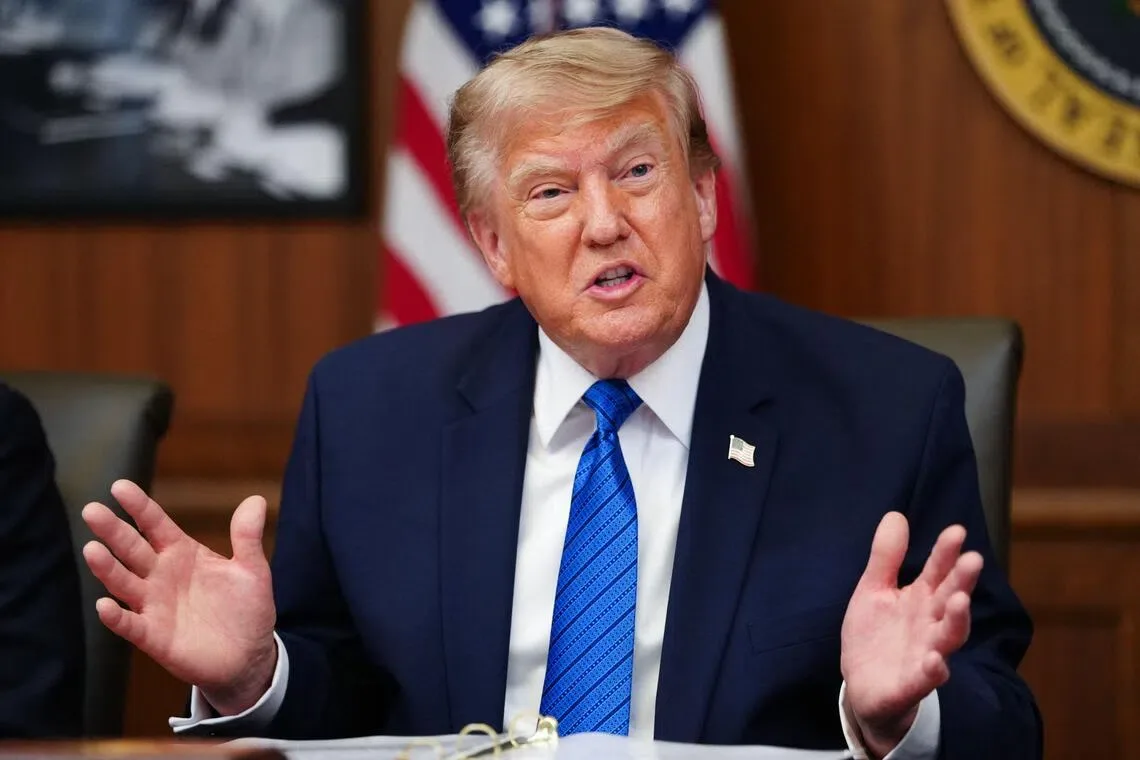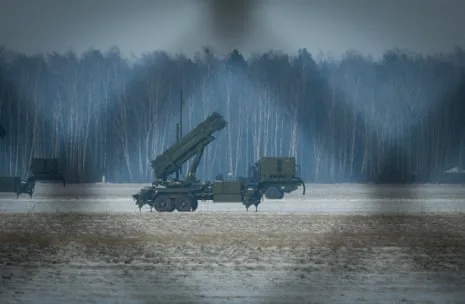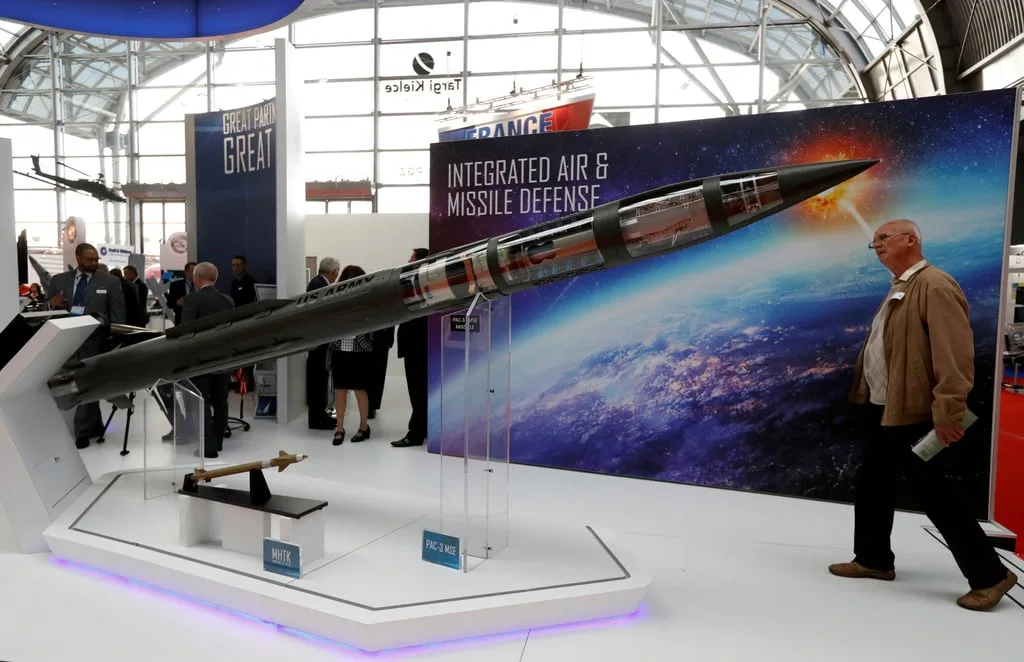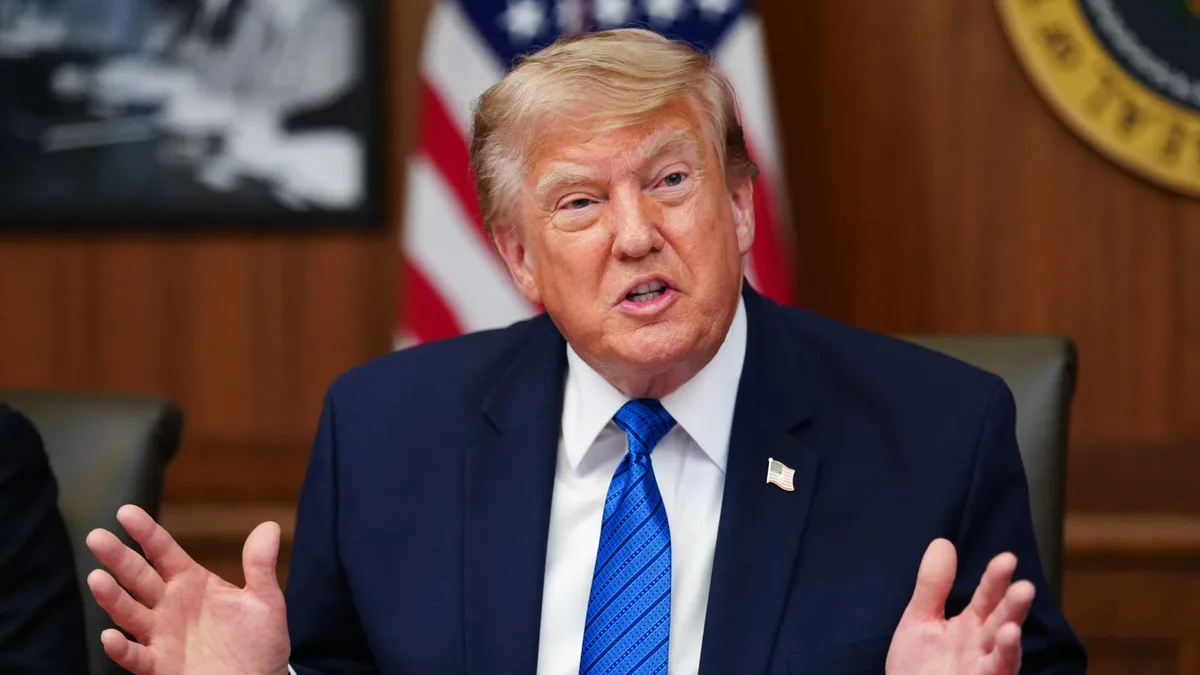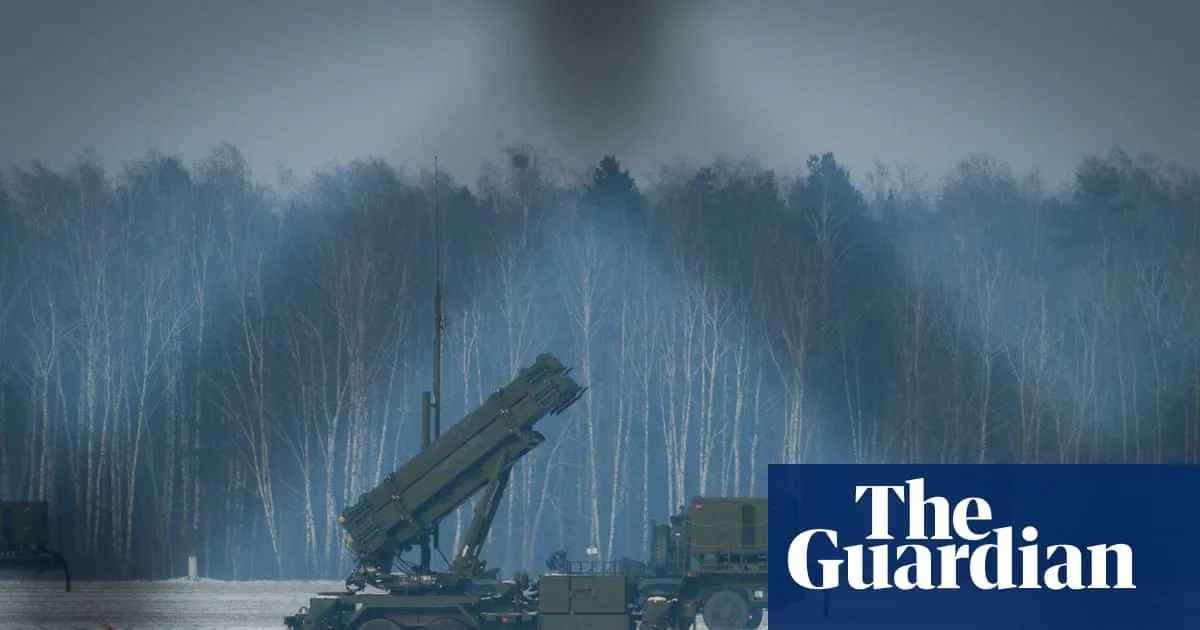
US President Donald Trump said on July 31, 2026, that the United States has not agreed to give Ukraine a license to produce Patriot air defense missiles, citing the advanced technology involved and risks of transfer [1, 2, 3, 4, 5, 6, 7]. During a cabinet meeting at Camp David, Trump said, "We have not agreed to that. We're talking about it, but it's a hard thing to give away that kind of technology. And I don't think this would ever happen" [7]. He added the Patriot missile system is highly advanced, with interceptors traveling at 8,600 miles per hour, and U.S. plans to build many production plants domestically to meet demand [2, 7].
Trump expressed concerns that sharing the technology could backfire if recipients turned the weapons against the US or allies in the future. "You have to be very judicious, but you have to be very careful. Now we have not agreed to that... there's people that you give that technology, they can someday turn on you," he said [4].
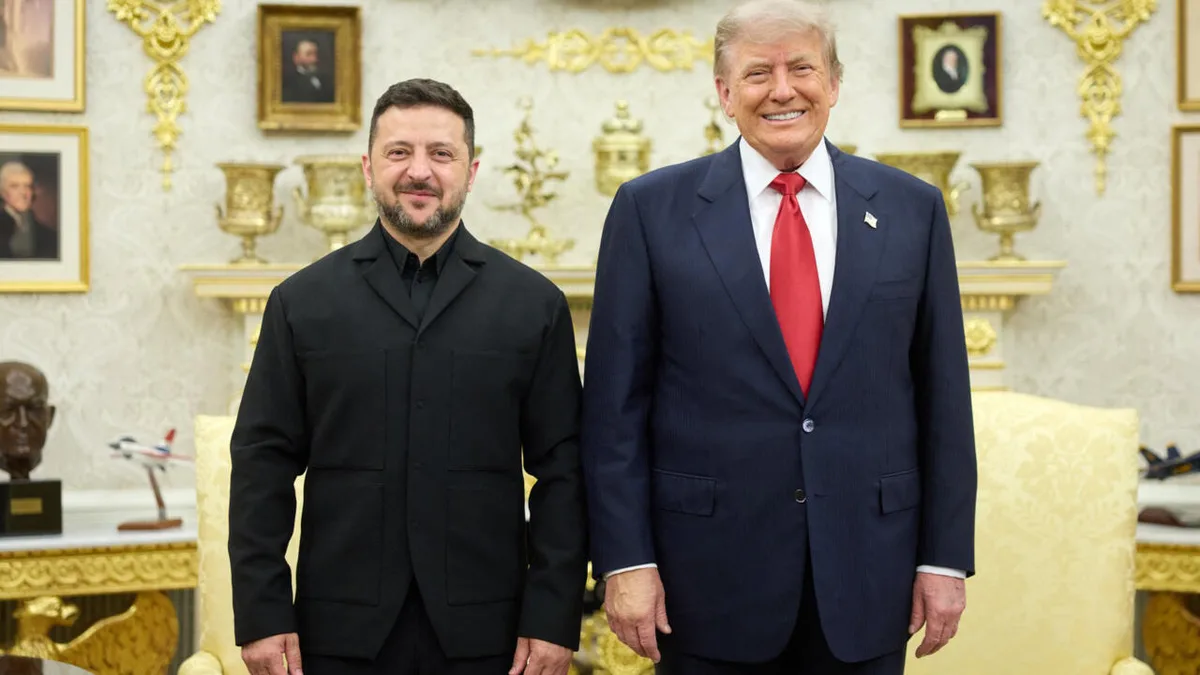
In late July, Ukrainian President Volodymyr Zelenskyy met Trump twice, including a one-hour meeting at the White House on July 28, to discuss the possibility of Ukraine producing Patriot missiles domestically [1, 2, 3, 6, 7]. Zelenskyy described the meeting as positive, saying ‘‘The meeting went very well!’’ [1]. However, after the meeting Zelenskyy publicly stated that Trump had agreed to license Ukraine to produce the missiles, while Trump only confirmed many topics were discussed, not a formal agreement [1, 2, 6, 7].
Ukraine has sought a co-production agreement for Patriot PAC-3 interceptor missiles to defend against Russian ballistic missile attacks amid shortages [1, 3, 6]. Ukrainian Ambassador Olha Stefanishyna said Lockheed Martin and Raytheon, the missile manufacturers, are actively engaging with Ukraine, with Lockheed planning to send experts soon [3, 6]. Stefanishyna noted, "Lockheed Martin, maker of the PAC-3 missiles, was fully committed to deepening cooperation with Ukraine" and described recent overnight attacks involving 30 to 40 ballistic missiles as "devastating" [3, 6].
Trump indicated earlier in July, around a NATO summit in Turkey, a willingness to grant the license and suggested Ukrainian long-range strikes inside Russia could help end the war [1, 2, 5]. He also commented on regional security, describing Iran’s military as ineffective and warning of a strong US response if negotiations fail [2].
Experts estimate that licensed Ukrainian production of PAC-3 missiles could take between 12 months and 5 years [6]. The US continues to weigh the strategic risks and benefits of sharing such advanced missile technology.
The next scheduled discussion on the issue is expected as part of ongoing security talks between the US and Ukraine, with Lockheed Martin’s planned deployment of experts signaling continued engagement on co-production efforts [3, 6].