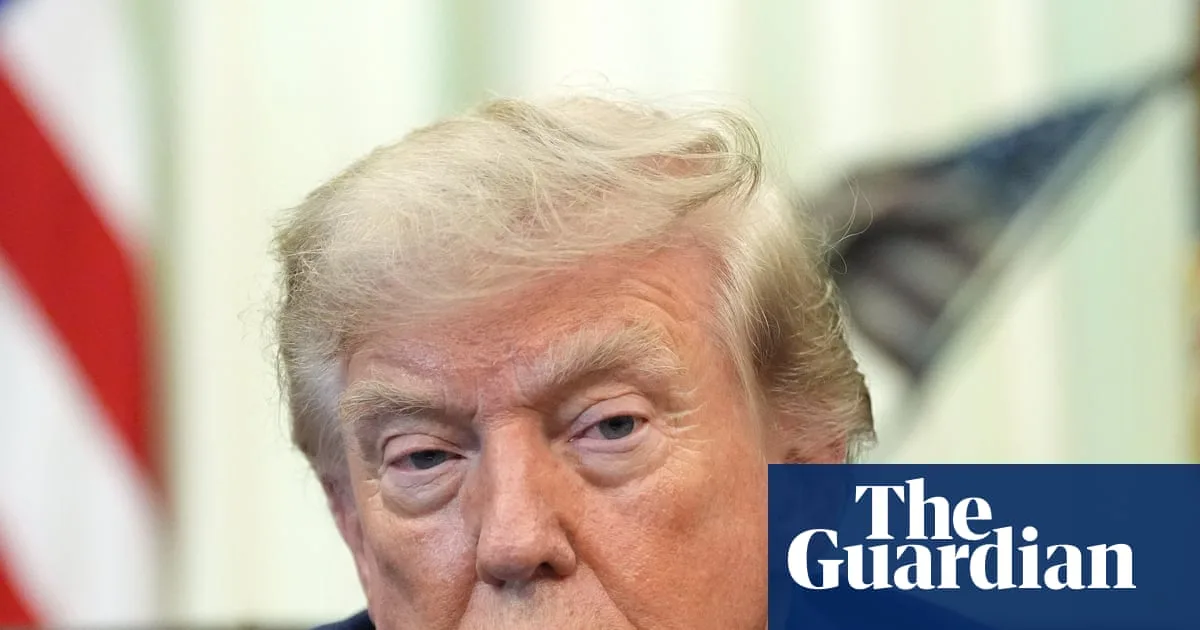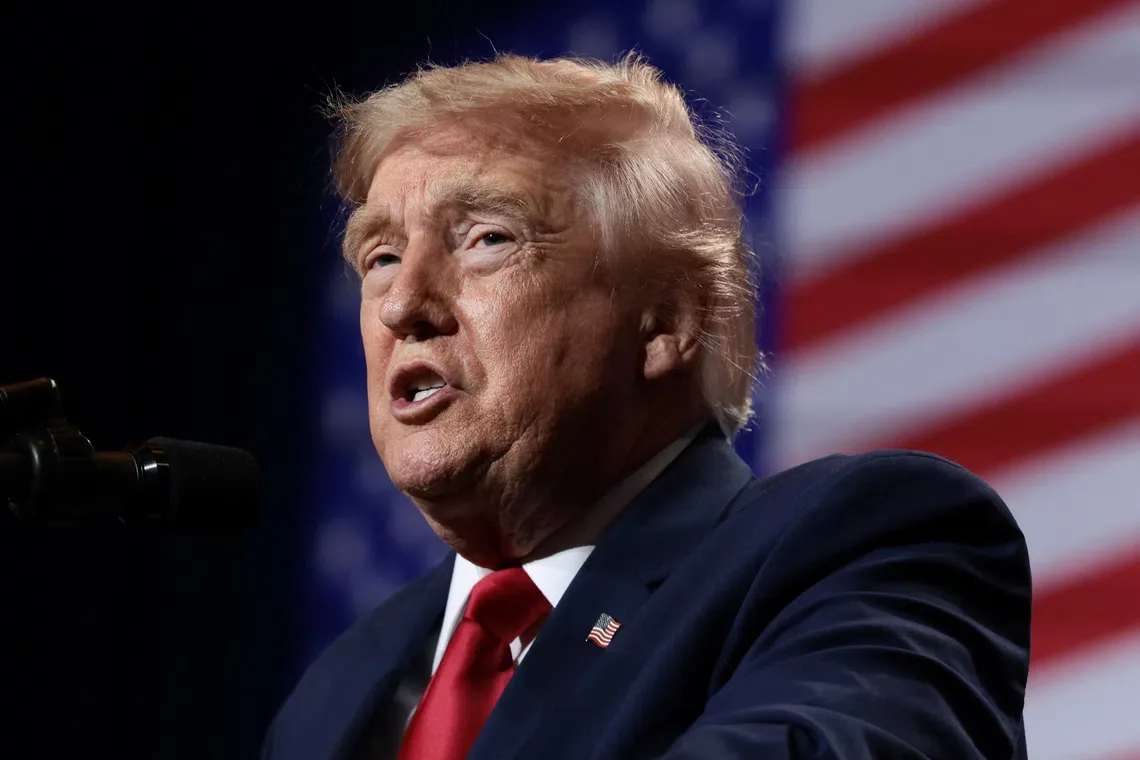
The conflict between the United States and Iran has lasted about six months, far longer than initial US predictions of a short fight, after air attacks by the US and Israel launched the war on February 28, 2026, including closure of the strategic Strait of Hormuz [1, 2, 3]. President Donald Trump said on August 6 that he believes the war will end "pretty soon" and does not think Iran can continue much longer. "I think it's going to end pretty soon. I don't think they can go much longer," Trump said [4, 5, 6, 2, 7, 8].
Trump acknowledged that while the US has an almost unlimited supply of some powerful munitions, stocks of other weapons are running low due to the prolonged conflict. "We have certain types of munitions that are very powerful, that we have unlimited, virtual unlimited supply. We have others where it's a little bit tighter," he said [4, 5, 6, 9, 7, 8]. US defense companies are expanding production capacity by building new manufacturing plants, including for Patriot surface-to-air and Tomahawk cruise missiles [4, 5, 6, 9, 7, 8].
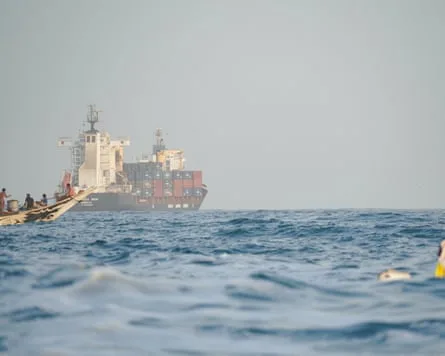
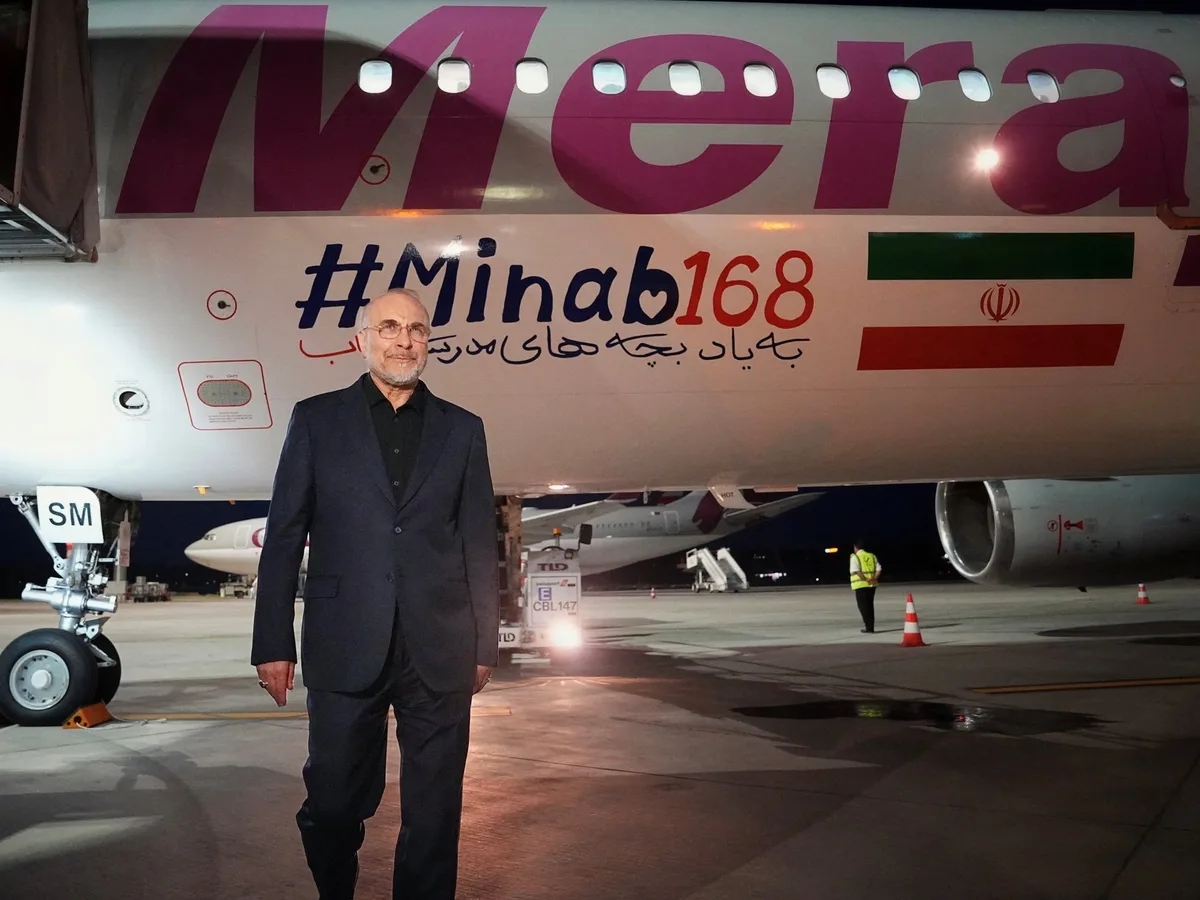
Iran and Oman are negotiating a deal over shipping route coordinates through the Strait of Hormuz. This could grant Iran some supervisory control over the waterway, a significant shift from prior to the war [1, 10, 2, 3]. Former Middle East negotiator Aaron David Miller said Trump may be considering "recognition of a new Iranian reality in the strait" as the war stalemates [1]. Meanwhile, Iran’s parliament speaker Mohammad Bagher Ghalibaf criticized the US approach, accusing Trump of repeated "show diplomacy" — threatening strikes then calling them off — calling the tactics a "failed strategy." Ghalibaf said on August 6, "Massive attack coming…wait, never mind, they want to negotiate. That’s theater diplomacy on loop. Using bullying + broken promises + fake news as leverage is a failed strategy" [9, 2].
The war presents Trump with three main options: accept Iran gaining some control over Hormuz through the Iran-Oman deal; launch another wave of airstrikes risking a prolonged crisis; or maintain the status quo — with an ongoing blockade and intermittent retaliation [1, 3]. The situation creates political risks for Trump ahead of November's US midterm elections, with reports that some of Iran's strategy aims to keep him entangled until then [1, 10, 3].
Before the war, Trump publicly supported Iranian anti-government protesters, but he has not fulfilled promises to back them. At least 26 protest-related executions by Iran have taken place since the conflict began, causing feelings of betrayal among some Iranians [11, 12]. Iran has warned Gulf countries that any new US attack will trigger retaliation against US regional assets and key energy infrastructure [8].
Negotiations between Iran and Oman on the Strait of Hormuz are close to finalization, representing a concrete development in the crisis that began six months ago with the US-Israel attacks in late February [10, 2, 3].