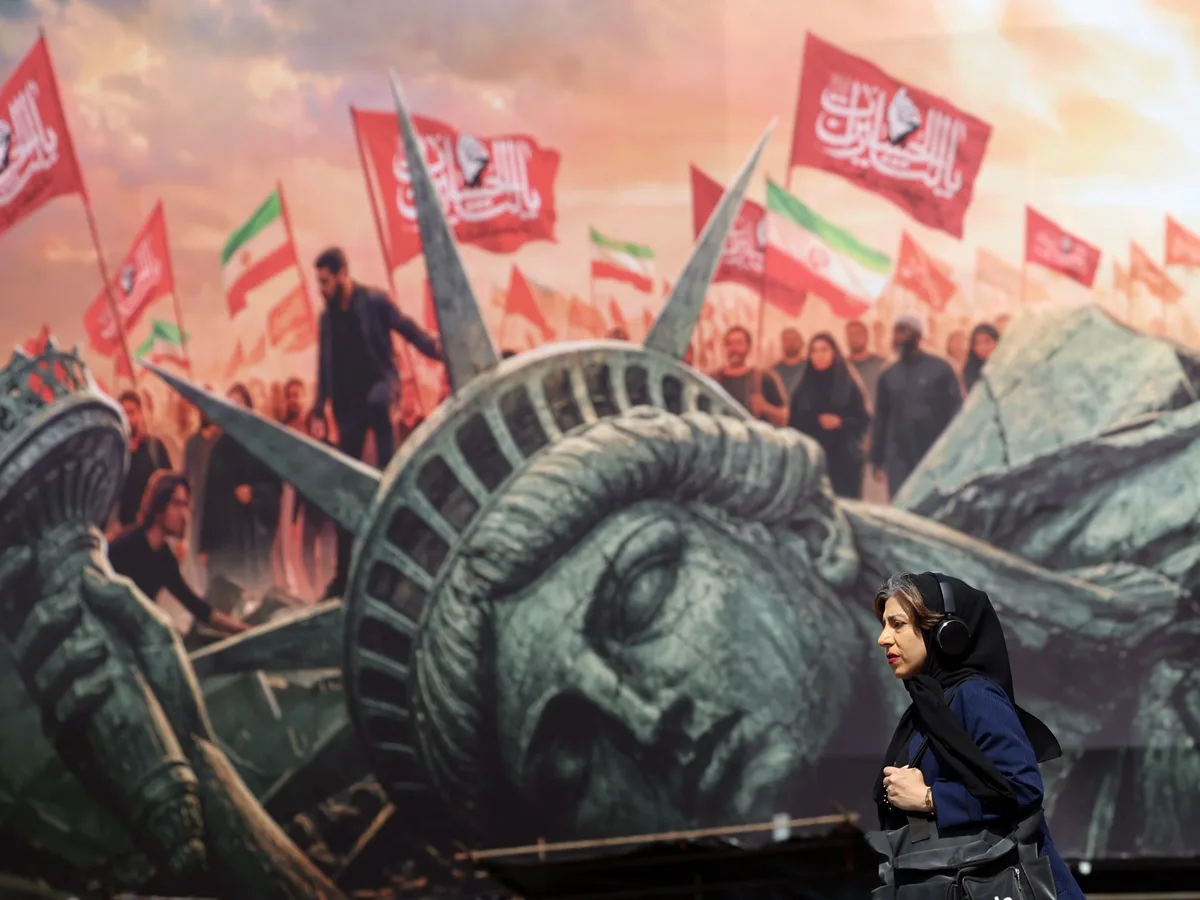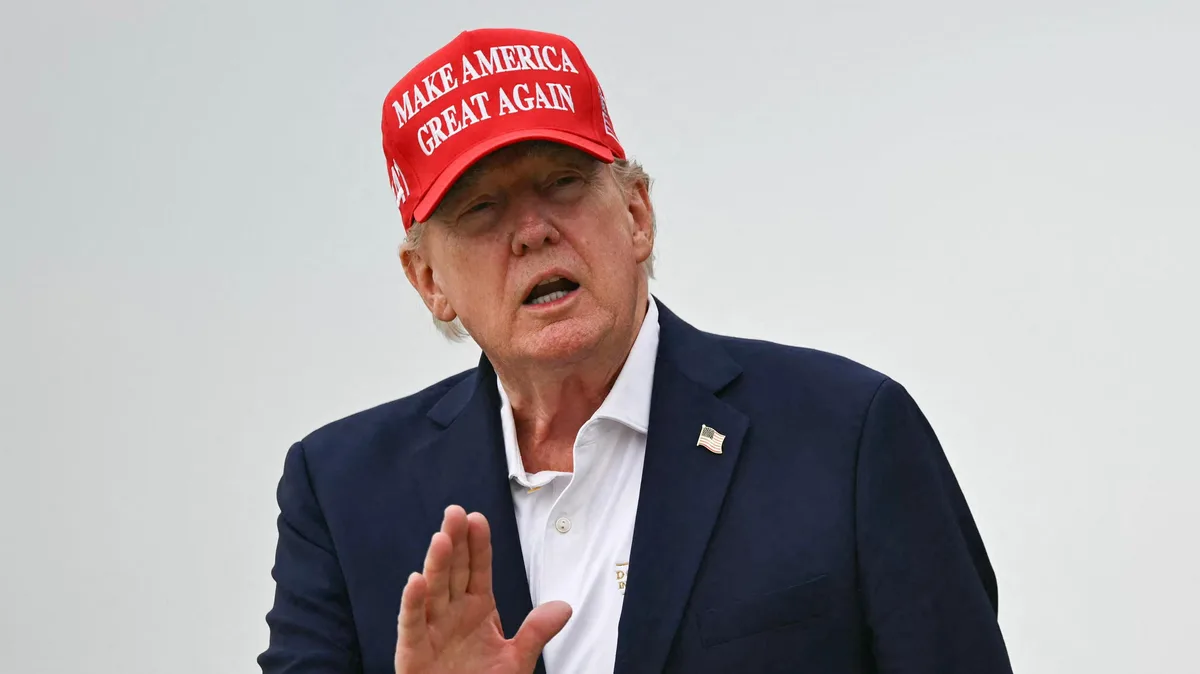
The 60-day Memorandum of Understanding between the United States and Iran expired on August 17, 2026, without an extension or final agreement [1, 2, 3, 4, 5, 6, 7]. Following the expiration, President Donald Trump demanded that Iran "put up the white flag of surrender" [2, 3, 4, 5, 6, 7]. Trump emphasized that the US goal remains to prevent Iran from acquiring any nuclear weapons, stating, "The number one Goal is, and always will be, that Iran cannot have, in any way, shape, or form, a Nuclear Weapon" [7].
Trump also confirmed the existence of a direct backchannel between the US government and Iran's Islamic Revolutionary Guard Corps (IRGC), a claim denied by Iranian officials. An IRGC spokesman told Tasnim News that "There are no talks taking place between IRGC officials and the Americans, and this lie by Trump is merely fantasies caused by the delusions and nightmares he has suffered as a result of defeat and desperation in the war" [1].
Oman continues its neutral role as a mediator in negotiations focused on reopening commercial shipping routes through the Strait of Hormuz. Iranian Foreign Ministry spokesman Esmail Baghaei described this as the first mechanism aimed at "simultaneously safeguard[ing] the sovereign rights of the two littoral states and ensure the safe passage of commercial vessels" [3]. However, Trump threatened Oman directly, saying, "If Oman gets in the way, we'll bomb the shit out of them" [1].
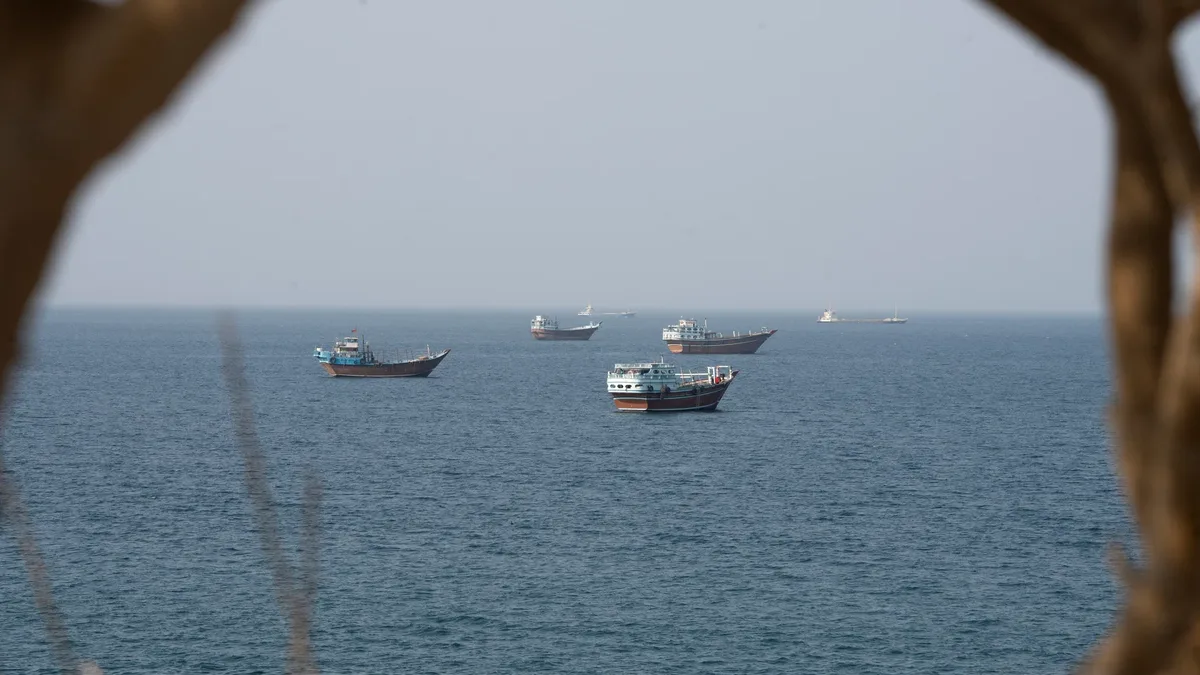
Since US and Israeli strikes against Iran began on February 28, 2026, Iran has largely blocked navigation through the Strait of Hormuz, a crucial chokepoint through which about 20% of the world's oil and liquefied natural gas passes [1, 2, 4, 5]. Iran has shifted to a fully offensive policy, warning of military action in the strait if diplomacy with the US fails [4, 5].
The interim MoU signed on June 17, 2026, set a 60-day deadline to negotiate a broader deal covering Iran’s nuclear program and US sanctions [2, 4, 5, 7]. Trump had declared the MoU "over" on July 7, citing disputes over control of the Strait of Hormuz as a key factor [2, 4, 5]. He also dismissed suggestions that the upcoming US midterm elections in November would influence his Iran policy, saying, "Midterms have nothing to do with my thinking" [2, 3, 7].
The immediate next step will be observing if renewed talks occur after the expiration of the MoU or if tensions escalate further around the Strait of Hormuz, a critical artery for global energy shipments.