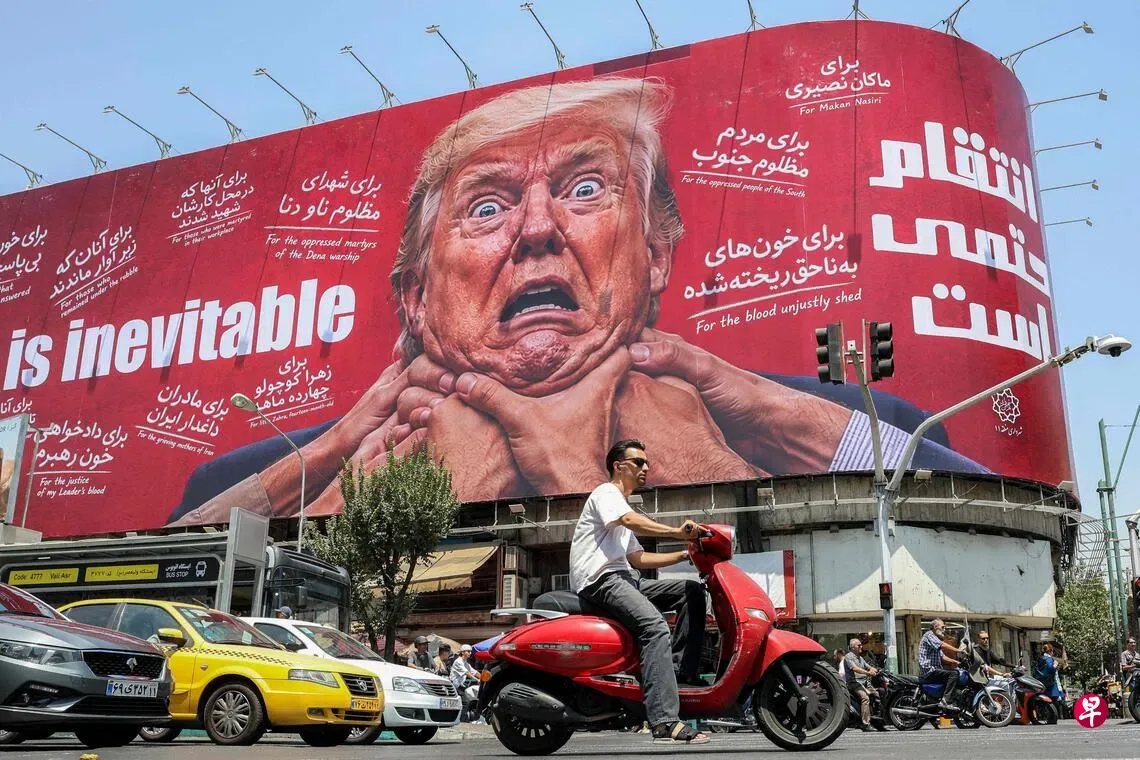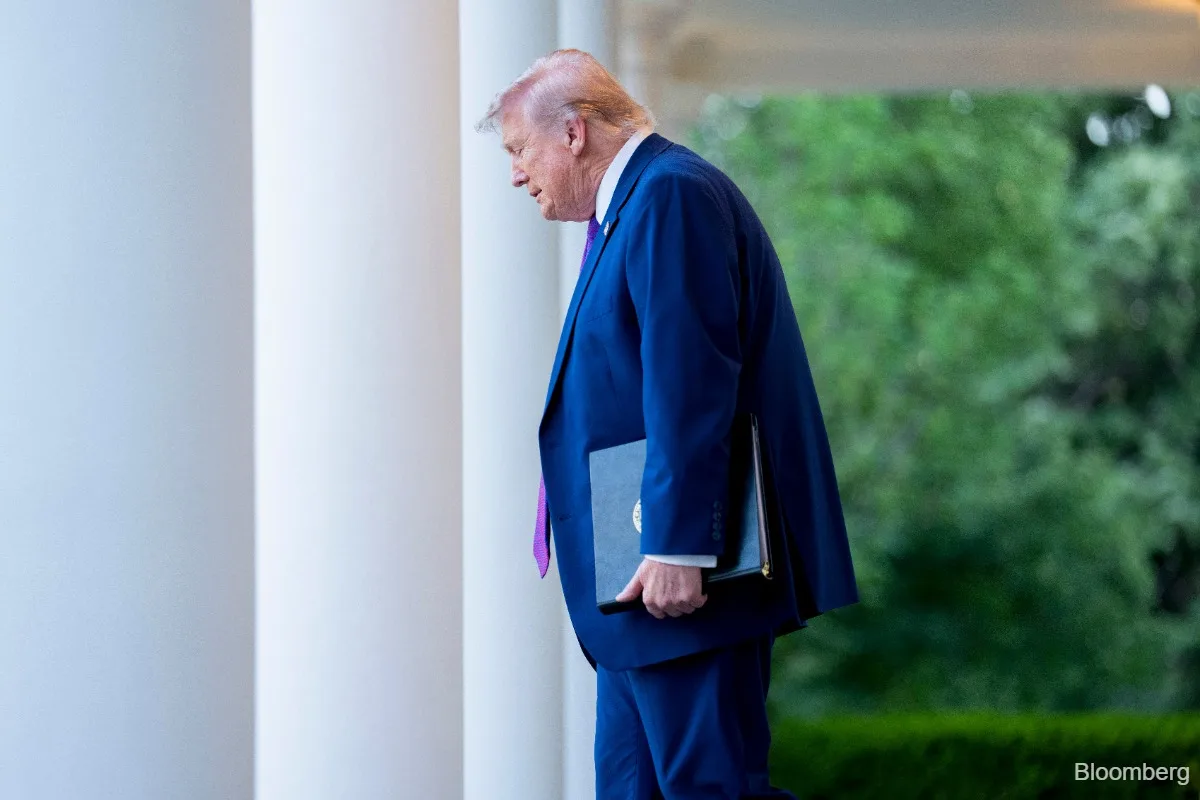
US President Donald Trump warned Oman on August 17, 2026, that the US would "bomb the s***t out of them" if Oman obstructs American efforts related to the Strait of Hormuz and Iran, during interviews with Fox News [1, 2, 3, 4]. The next day, Trump posted a map declaring the Strait of Hormuz as "NEW US Territory," and said there are no ongoing or scheduled talks with Iran [2, 5, 6, 7, 8, 9].
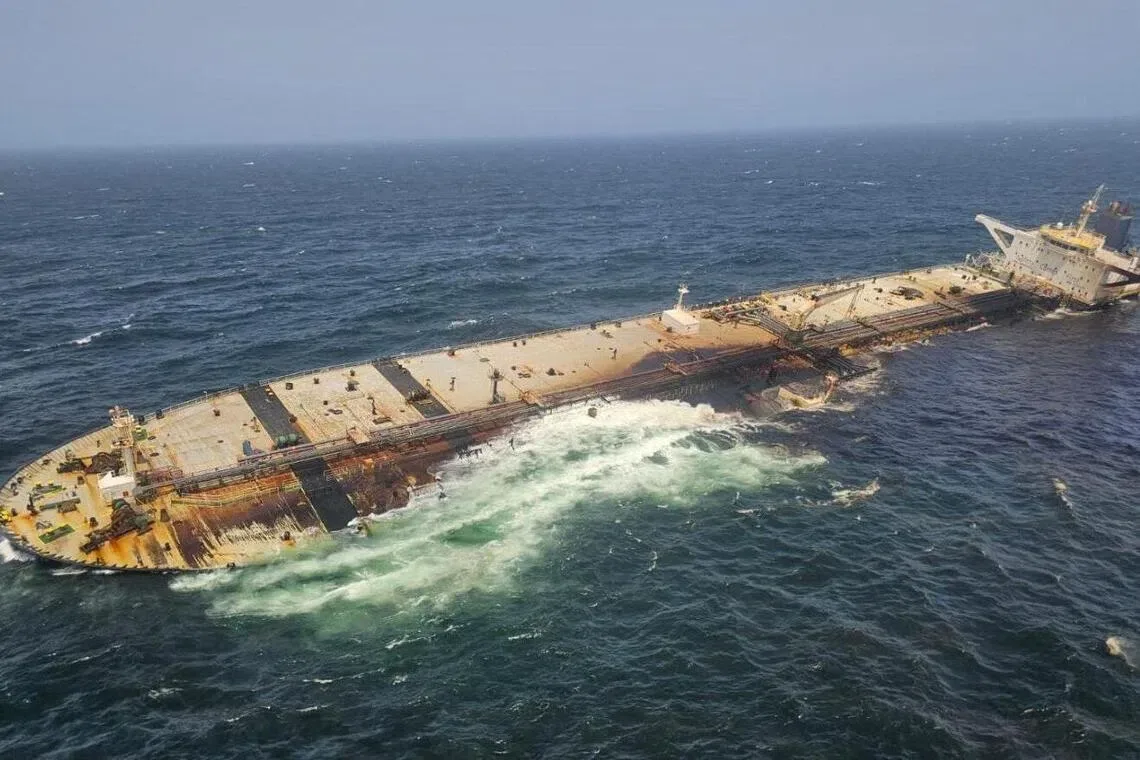
The Strait of Hormuz is a vital chokepoint for global oil trade, carrying about 20% of seaborne oil shipments under normal conditions [2, 3, 5, 6, 7, 4]. However, Iran effectively closed the strait at the start of the US-Israel war on Iran on February 28, 2026, when the conflict began and has maintained severe restrictions on maritime traffic since [3, 4, 10].
Iran and Oman have held talks over maritime navigation arrangements in the strait for weeks, but Trump opposes these discussions [3, 8, 4]. Despite Iran's blockade, Trump insists US forces control the strait, stating "The Naval Blockade remains in full force and effect. The Hormuz Strait is open and operating. All water mines have been removed or detonated" [1, 3, 4, 9].
The memorandum of understanding between the US and Iran signed in June 2026, intended to ease tensions, expired by mid-August without extension plans, increasing friction [6, 7, 11, 8, 9, 10]. Iran demands lifting of US port blockades, release of frozen assets, removal of oil sanctions, and a halt to military actions before reopening the strait, according to Iran’s lead negotiator Mohammad Bagher Ghalibaf [6, 7, 11].
On August 18, the United Arab Emirates severed trade and financial ties with Iran following ballistic missile launches targeting maritime traffic near the strait [6, 7, 11, 8]. Several recent attacks on shipping, including damage to a UK vessel on August 18 with one casualty, have heightened tensions [6, 7, 11]. Iran’s Revolutionary Guard Corps remains ready for defensive and possible offensive actions after the MoU expiration, a senior IRGC official said [10].
Brent crude oil prices rose above $91 per barrel on August 18 amid uncertainty over the strait’s reopening [6, 7, 11]. Shipping data shows a recent decline in traffic volume through the strait with ships increasingly hugging the Oman side, possibly indicating Iranian control is weakening [8].
Trump’s administration is considering additional sanctions and economic pressure measures against Iran as the war nears six months with no resolution [11, 12]. The conflict and related maritime disputes continue to unsettle one of the world's most crucial oil trade routes.
US-Iran tension remains high as Trump maintains firm control assertions and threats toward Oman, while Iran holds firm on preconditions to end its blockade. The expiration of the US-Iran MoU and UAE’s cutoff of ties mark new hurdles to negotiations. Further sanctions and military actions may emerge in the coming weeks.