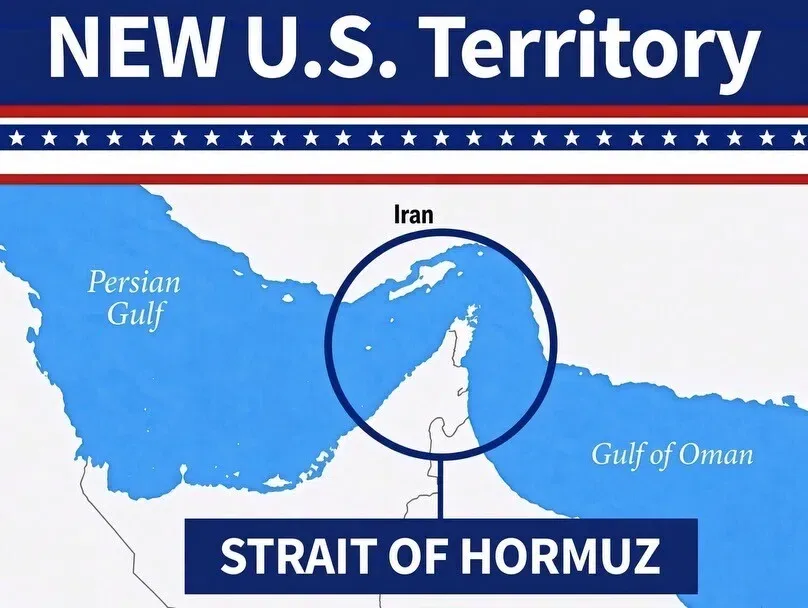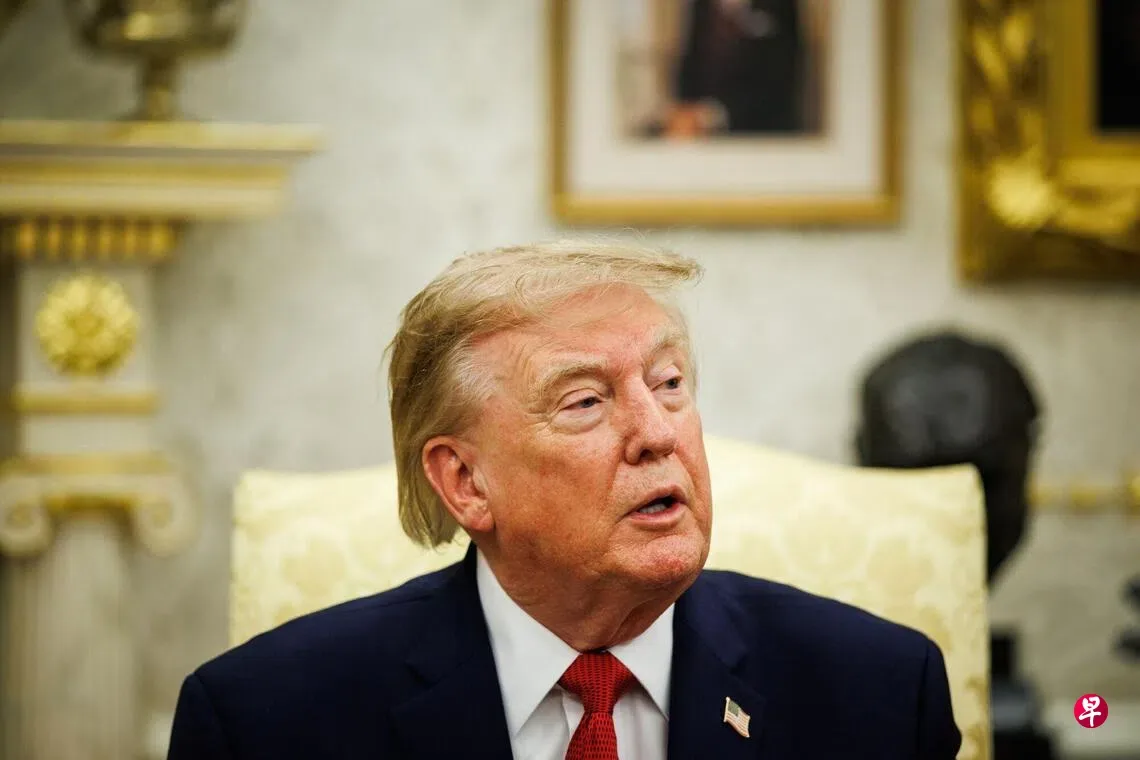
U.S. President Donald Trump posted a map on August 18 labeling the Strait of Hormuz as new U.S. territory to assert control over the vital waterway, amid escalating tensions with Iran [1, 2]. Trump declared there are "currently no negotiations or talks planned with Iran," adding that the naval blockade on Iran remains fully in effect, while the strait is open and all naval mines have been cleared or detonated [1, 3, 2].
The move came a day after the 60-day deadline set in a memorandum of understanding between the U.S. and Iran expired. Signed on June 17, the agreement aimed to negotiate terms on Iran's nuclear program and related issues, but Trump refused to extend the ceasefire period beyond August 17 [1, 4, 5].
Iranian officials reject the U.S. interpretation of the ceasefire, asserting it was only a negotiation timeline and accusing the U.S. of violating terms [6]. Iran is currently negotiating with Oman over control of the strait without U.S. involvement. Iran's chief negotiator, Mohammad Baqer Qalibaf, said "the Strait will remain closed until U.S. conditions are met," including lifting the naval blockade, ending sanctions, and unfreezing Iranian assets [1, 4, 6, 3].
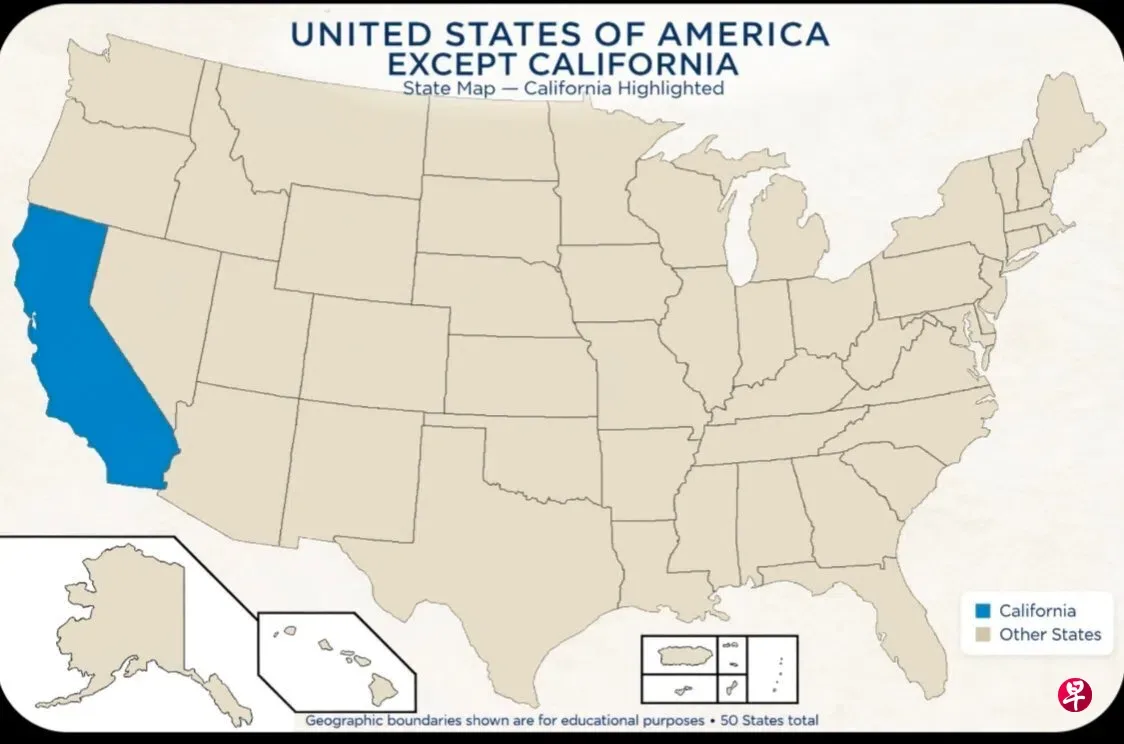
In response to Trump's territorial claim, an Iranian diplomat mocked the move by posting a map labeling California as Iranian territory [7]. Tensions further escalated after Trump threatened Oman, warning, "If Oman causes trouble, we will bomb them to smithereens" over its role in the negotiations [1, 8, 4, 5, 6].
Trump also claimed the U.S. established a secret communication channel with Iran's Islamic Revolutionary Guard Corps (IRGC), though Iranian state media denied this, calling it delusional [8, 4, 5].
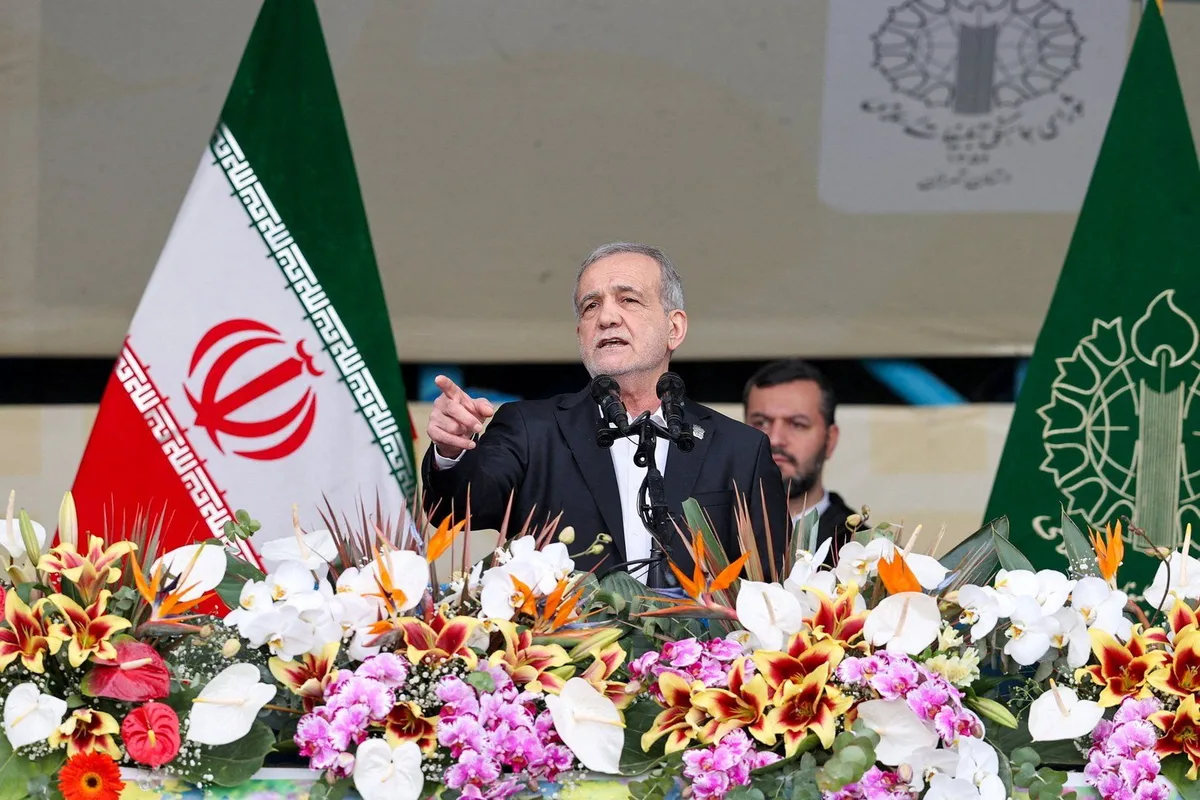
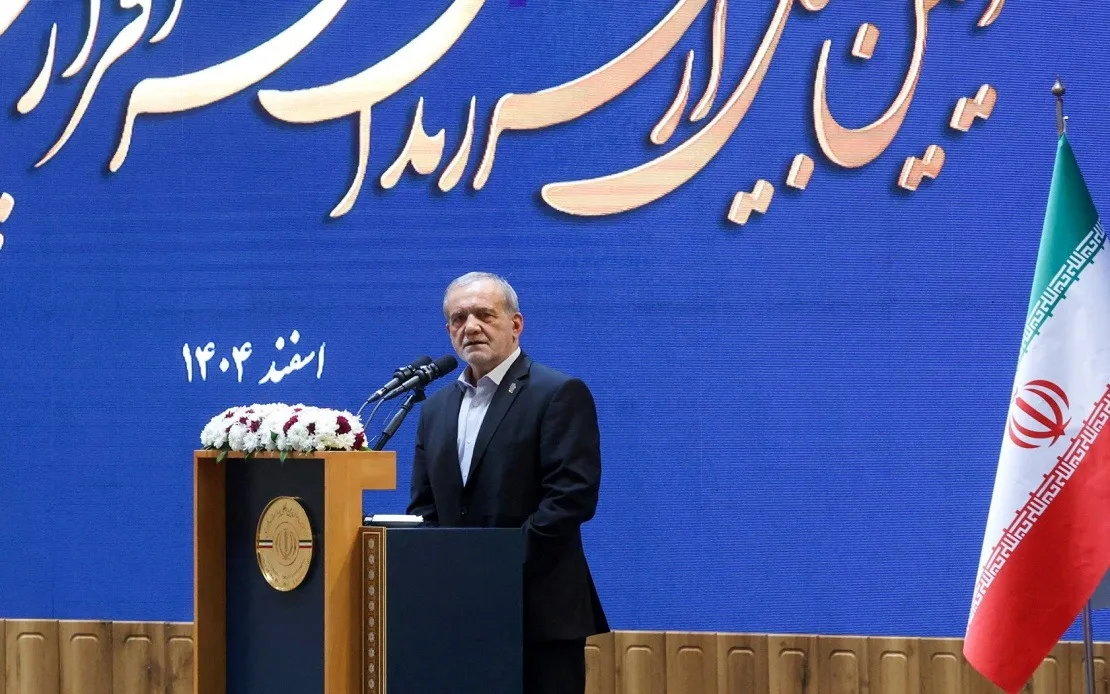
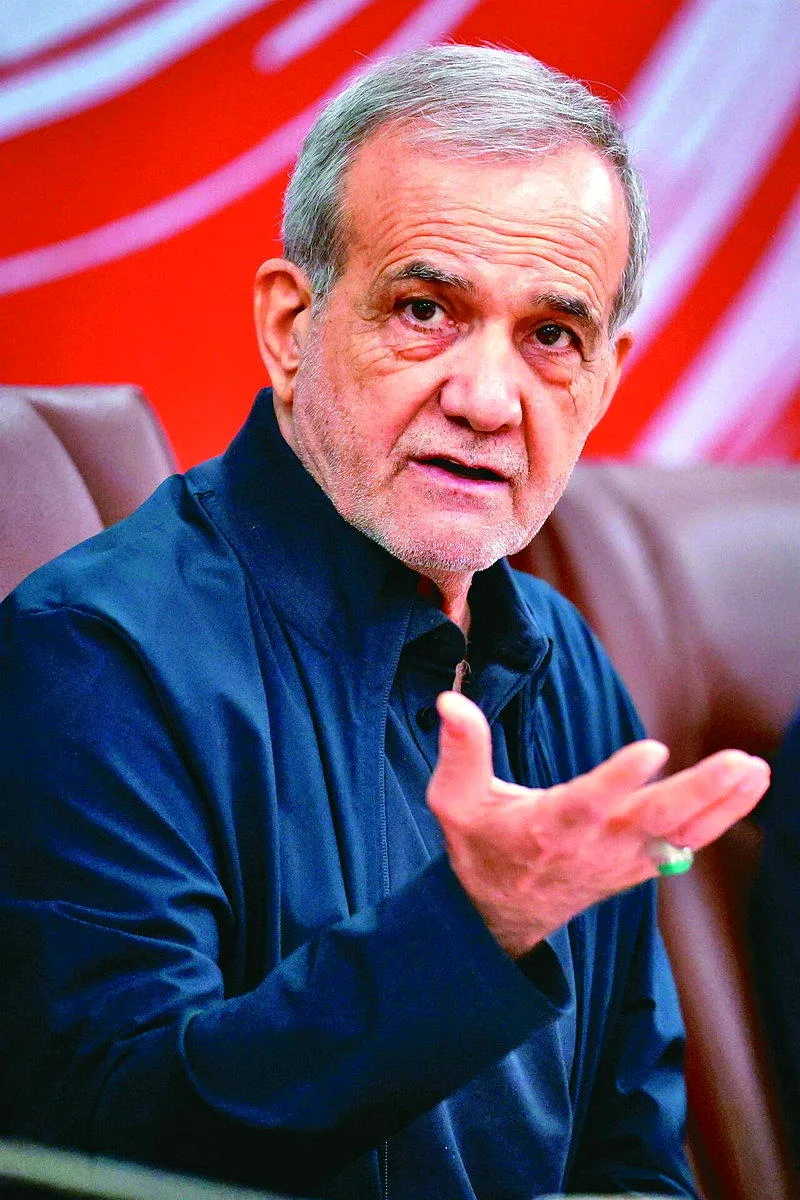
On August 20, Trump stated that U.S. military actions against Iran have been "very successful," but acknowledged that heavy leadership losses in Iran complicate peace efforts [9, 10]. Two days later, Iranian President Masoud Pezeshkian said Iran remains "in a strong and dignified position" and urged an early end to the conflict while criticizing increased U.S. sanctions [11].
The Strait of Hormuz remains a critical passage for 5 to 10 million barrels of oil daily, with Brent crude prices near $91 per barrel [4, 5, 11]. The standoff continues with no scheduled talks, and the U.S. blockade remains in place as both sides hold firm on their demands.