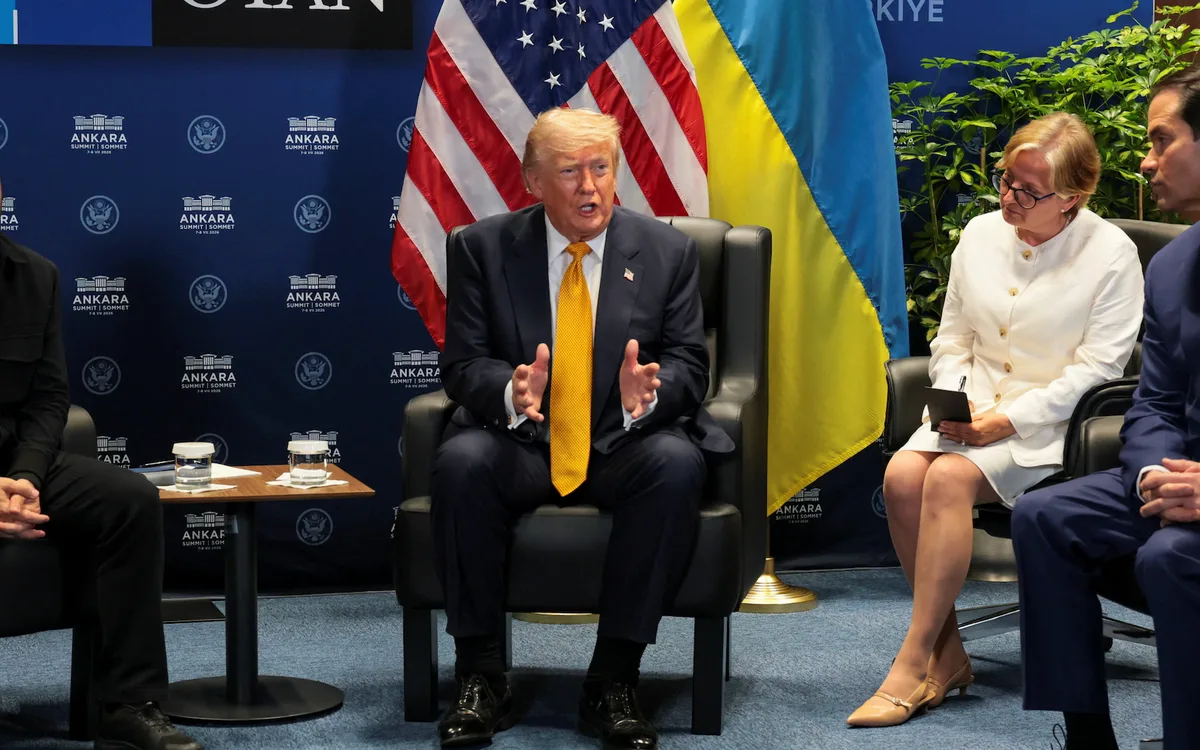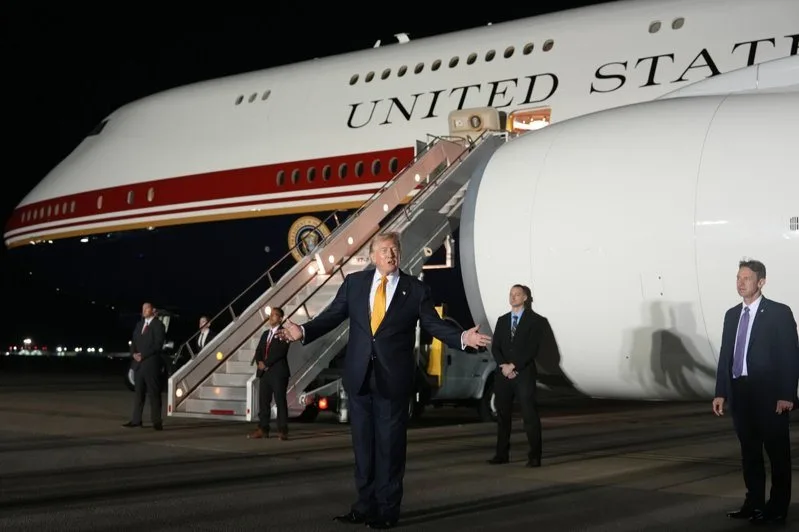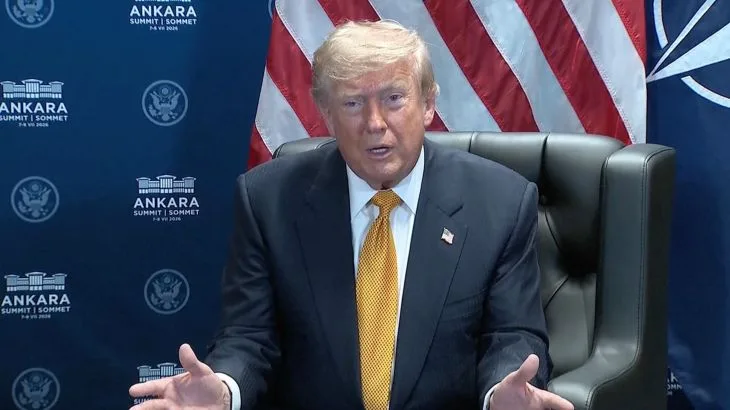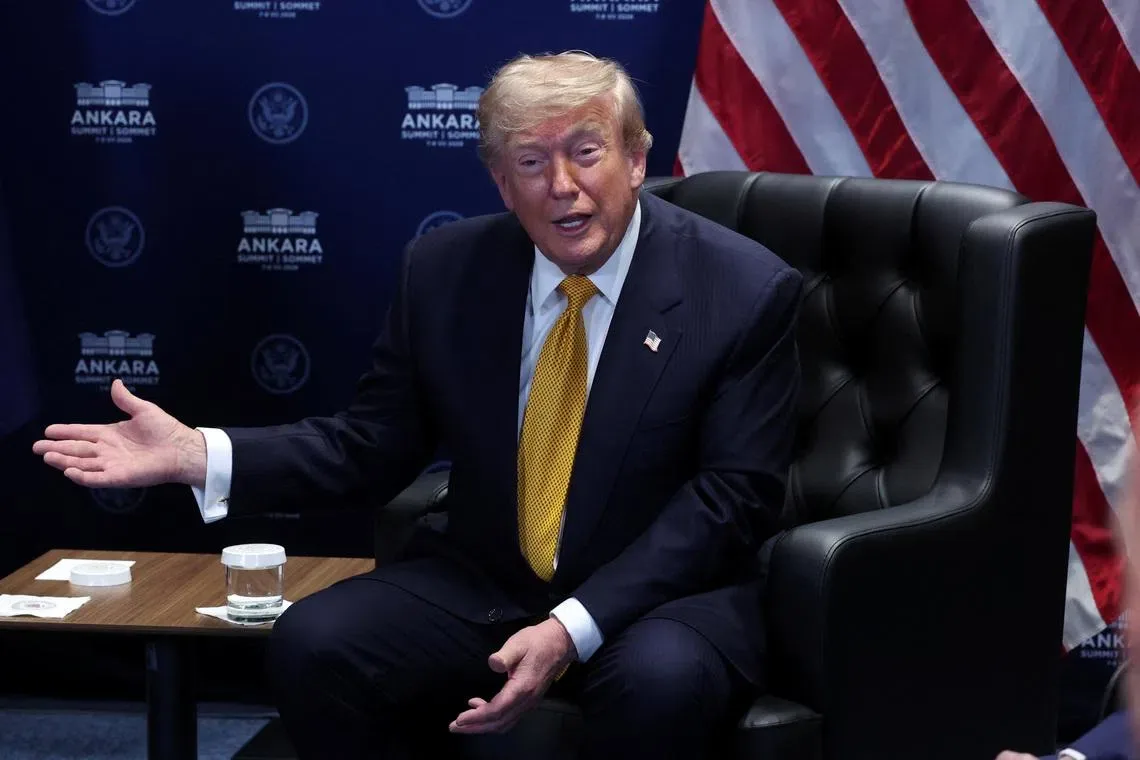
US President Donald Trump warned on July 8 at the NATO summit in Ankara that the United States will probably launch further strikes against Iran that night, saying, "I'll give a little warning: We're going to hit them hard tonight" [1, 2]. He declared the memorandum of understanding that served as the initial ceasefire between the US and Iran is over, signaling a sharp escalation in hostilities [1, 2]. Trump said, "We hit them very hard last night, very, very. Probably hit them hard again tonight," referring to US strikes launched since July 7 on Iranian targets in response to attacks on ships in the Strait of Hormuz [1, 2, 3].
Iran retaliated by attacking US military bases in Bahrain and Kuwait on July 8, according to Iranian claims reported that day [1, 2, 4, 5]. The renewed fighting has forced at least four oil and gas tankers to turn back rather than risk transiting the Strait of Hormuz, raising regional security concerns [1, 2, 4]. Trump criticized Iran's leadership as "liars and cheats" who have violated agreements for decades and dismissed the former Obama administration's nuclear deal as a failure compared with his tougher approach [2, 6].
Trump reaffirmed US policy that Iran "will never be allowed to develop a nuclear weapon under our deal" while signaling that formal negotiations may continue but with low chances of success. "I don't know if we're going to have a deal. We may just do it without a deal," he said [2, 6]. He also threatened deeper attacks including targeting Iran's electricity infrastructure and desalination plants, warning that US forces "hit the things they need to operate" [6, 7]. Trump mentioned the possibility of seizing Kharg Island, a vital oil export hub, and reinstating a naval blockade of the Strait of Hormuz [8, 3, 9].
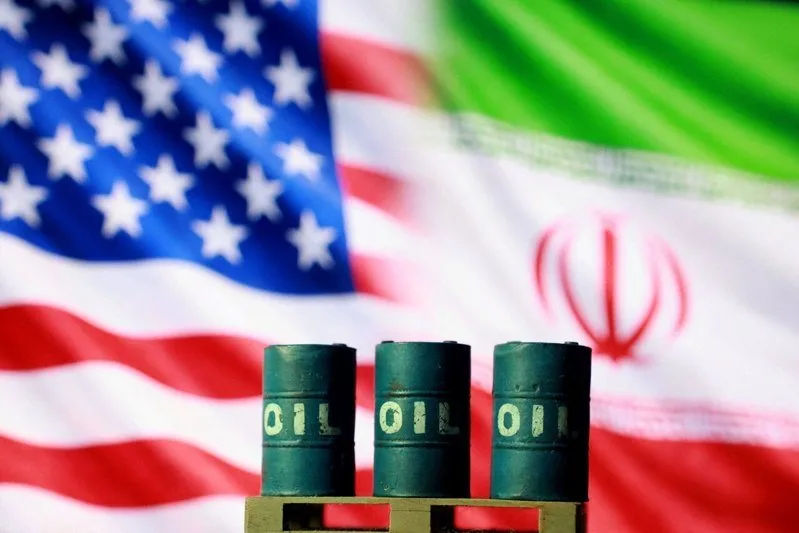
The escalating tensions sent international oil prices soaring. Brent crude briefly topped $80 per barrel, trading above $79 on July 8, while West Texas Intermediate rose 2.2% after an earlier 4% jump [10, 11]. Analysts warned the price surge could contribute to US inflation pressures and risk prompting the Federal Reserve to increase interest rates [10].
US forces have conducted strikes for at least two consecutive days aimed at degrading Iran's ability to threaten freedom of navigation in the Gulf [11]. In related moves, Trump announced authorization for Ukraine to manufacture Patriot missile systems [3, 7].
The next concrete step in this crisis remains the anticipated US strike on Iran on the night of July 8, as indicated by Trump at the NATO summit [1, 2].