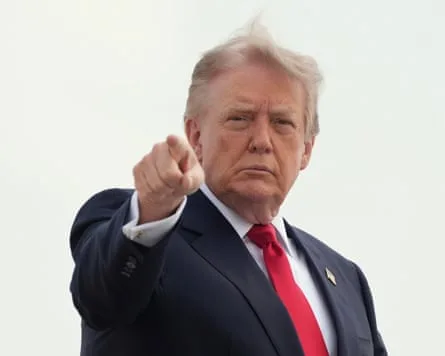
US President Donald Trump warned on July 27 that if diplomatic talks with Iran fail, the United States will return to strong military action, emphasizing a narrow window for negotiations. "We are in very deep talks with Iran. If they don’t work out, we will go back to very strong military action," Trump said, adding, "Not much time. Either it goes fast or not at all." [1, 2, 3]
Trump’s statement came after nearly two weeks of paused US airstrikes on Iran, which began around July 24-25 at the request of mediators including Oman, Qatar, and Pakistan. US military officials recommended halting attacks because the bombing campaign had reached its limit of effectiveness. [1, 2, 3]
The conflict between Iran and the US began in late February 2026 with joint US-Israeli strikes targeting Iranian sites amid concerns about Iran’s nuclear program. The attacks killed several senior Iranian figures, including former Supreme Leader Ali Khamenei. [1, 3, 4]
Despite the active military campaign, there are no direct negotiations between Tehran and Washington. Iran’s official position is that communication is only through mediators. Iran maintains that US oversight of southern shipping routes violates a ceasefire agreement, complicating talks. [1]
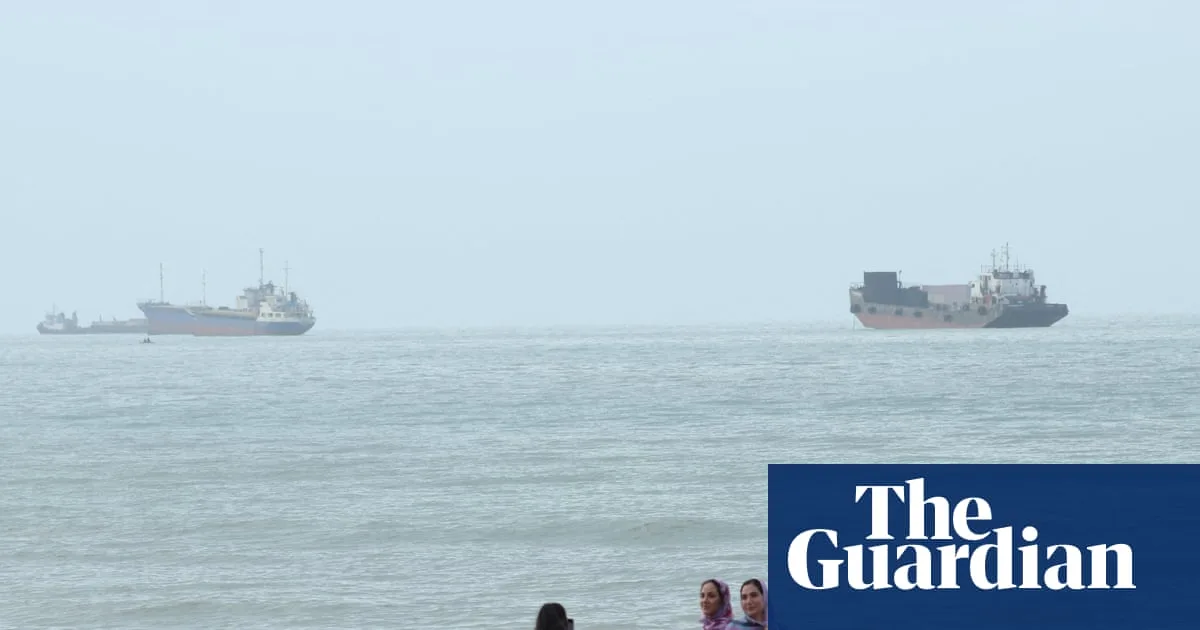
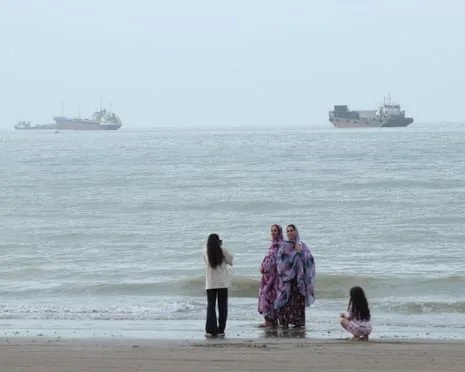
Oman and Iran are engaged in technical talks over the Strait of Hormuz, including Iran’s demand for transit fees on ships as part of negotiations to reopen the critical waterway. A memorandum of understanding signed in June aimed to halt fighting and reopen the strait, but tensions resumed due to disputes over navigation. [1, 5, 3]
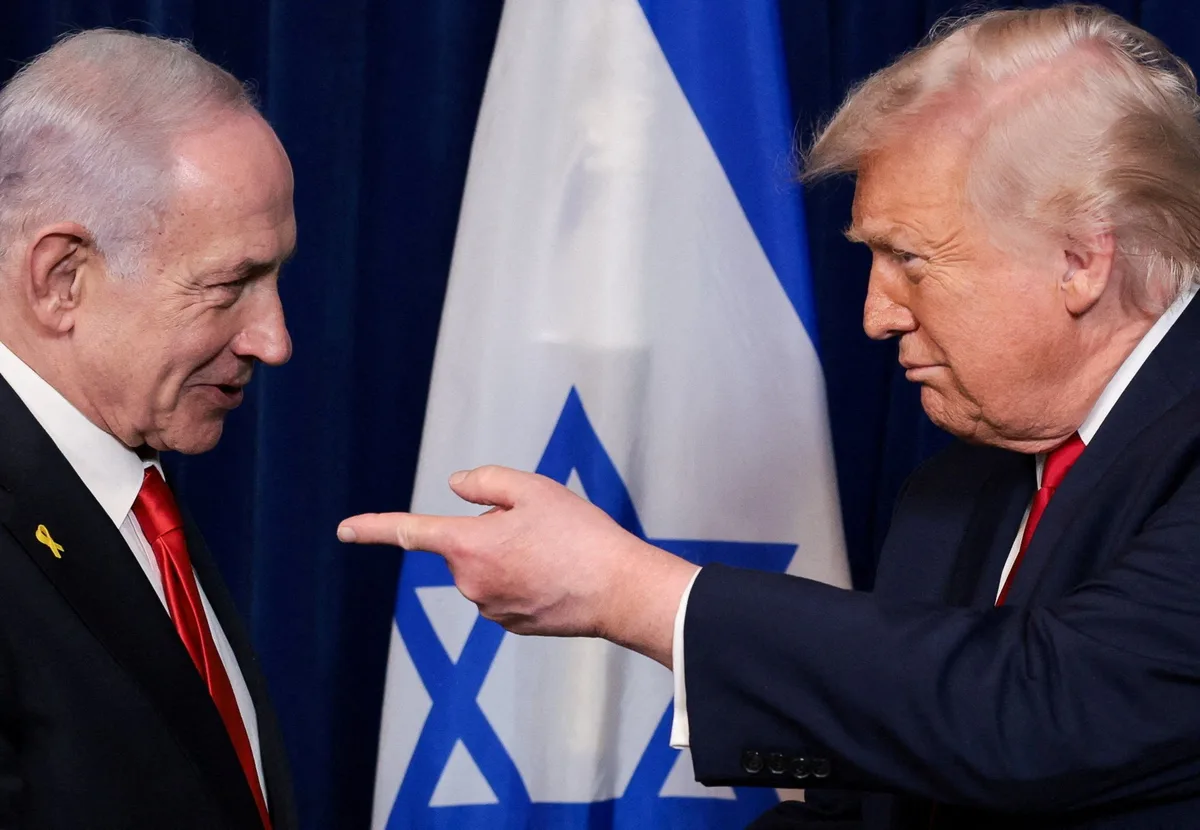
Meanwhile, US-Israel relations have shown visible strain. Trump expressed irritation publicly with Israeli Prime Minister Benjamin Netanyahu, who had planned to brief Trump on alleged Iranian nuclear developments at a site called Pickaxe Mountain. Trump criticized the public disclosure of the briefing, saying, "I don’t need Bibi to tell me that. Bibi’s telling me that because he wants me to stay involved. Why don’t you just tell it to me? Why do you have to announce it to the world?" [6, 7, 5, 2]
Despite downplaying policy differences as minor, Trump acknowledged some disagreements remain with Netanyahu on Iran strategy. US-Israel coordination was initially united during the early months of the conflict but became strained by late July, marked by public rebukes and disagreements. [5, 4]
Reports on July 30 indicated Trump is exasperated by stalled peace efforts and divisions among advisers over Iran strategy. An unnamed US ally said, "The president is exasperated. I don’t think he believed it was going to be this difficult to get the Iranians to agree to a deal." [8]
White House officials denied any internal breakdown, with Press Secretary Karoline Leavitt stating the president has trust in his team and is the final decision-maker. [8]
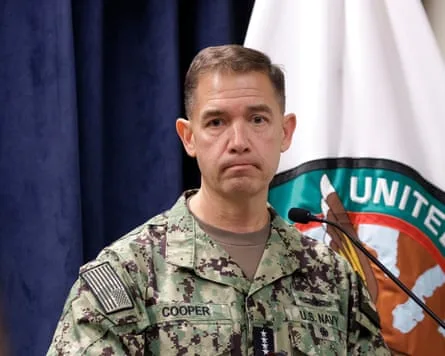
The Department of Defense confirmed it remained prepared to act instantly if ordered. Chief Pentagon spokesperson Sean Parnell said, "The Department of Defense was locked and loaded, ready to execute the president’s directives at a moment’s notice." [8]
The next immediate step involves ongoing diplomatic efforts mediated by Oman, Qatar, and Pakistan. With talks described as "deep" but indirect, the clock is ticking on a diplomatic resolution before military actions resume. [1, 2, 3]