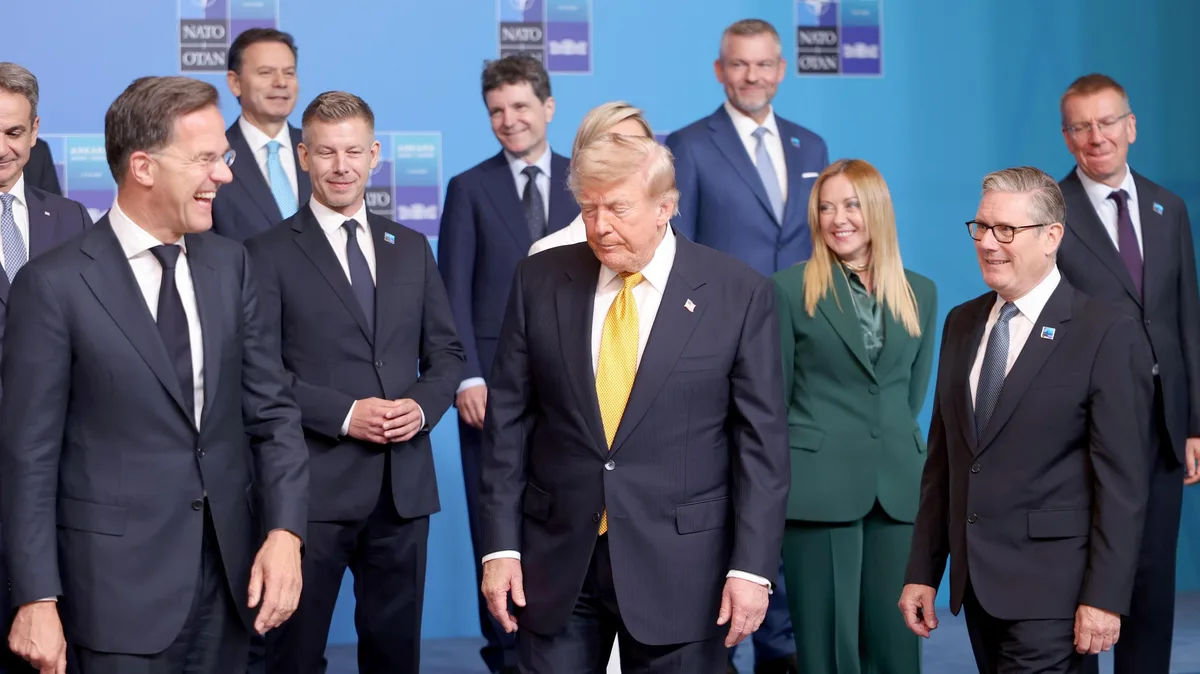
Twelve NATO members, including the UK, agreed on a £37 billion ($50 billion) investment over 10 years for the Deep Precision Strike long-range missile project at the Ankara summit on July 6, 2026 [1]. The missile will initially hit targets nearly 200 miles away, potentially extending to 1,250 miles, but is not expected to deploy until the 2030s [1].
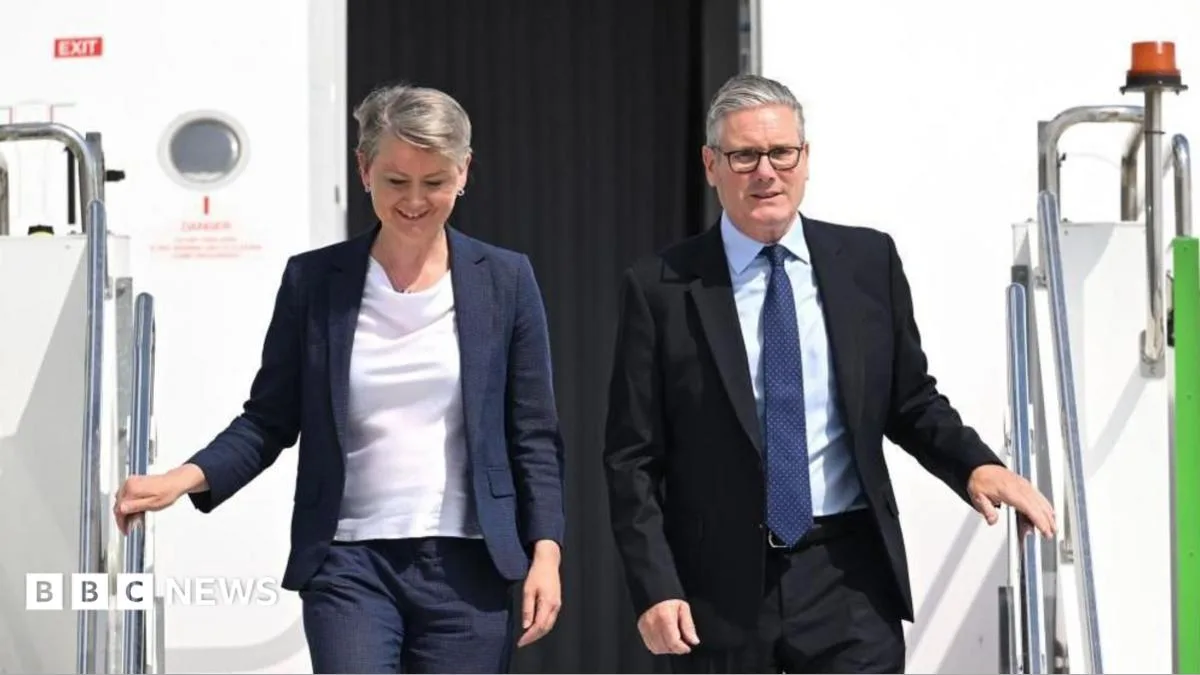
UK Prime Minister Sir Keir Starmer attended his final NATO meeting before leaving office and stressed the need for "a stronger, more European NATO" to counter threats from Russia and uphold allied defence commitments [1, 2]. "We must step up to deliver a stronger, more European Nato," he said [1]. Foreign Secretary Yvette Cooper highlighted the missile’s deterrent role, saying it will enable allies to target "high value military targets and the logistical engines that drive armies" [1].
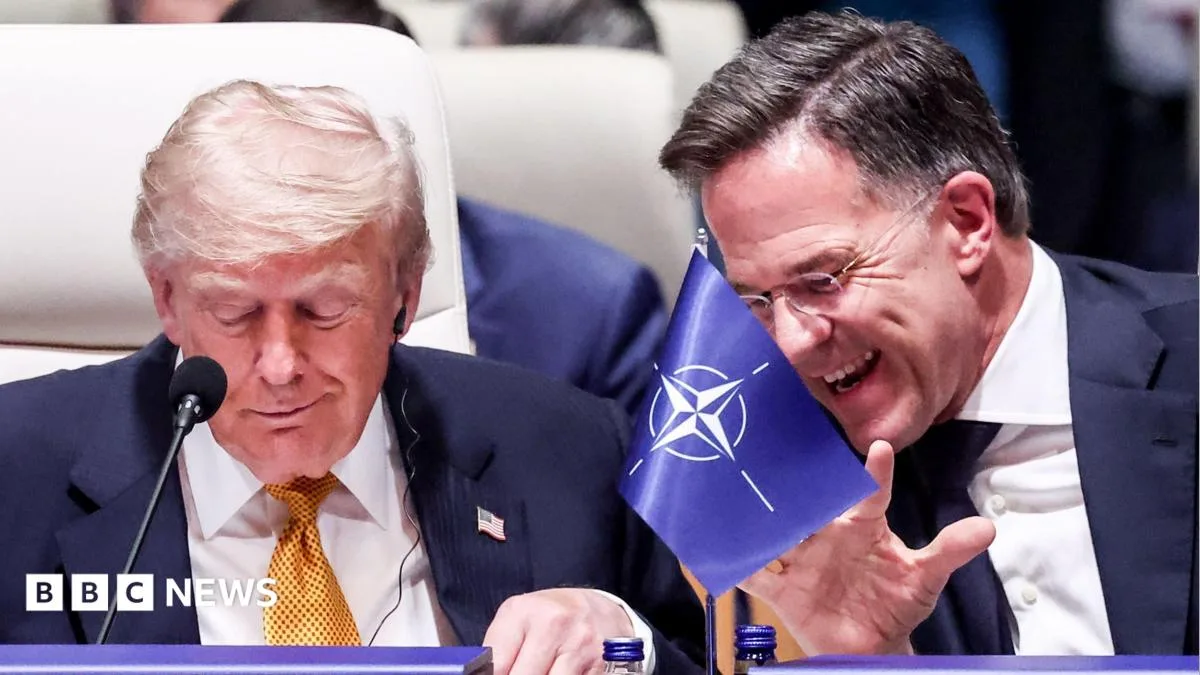
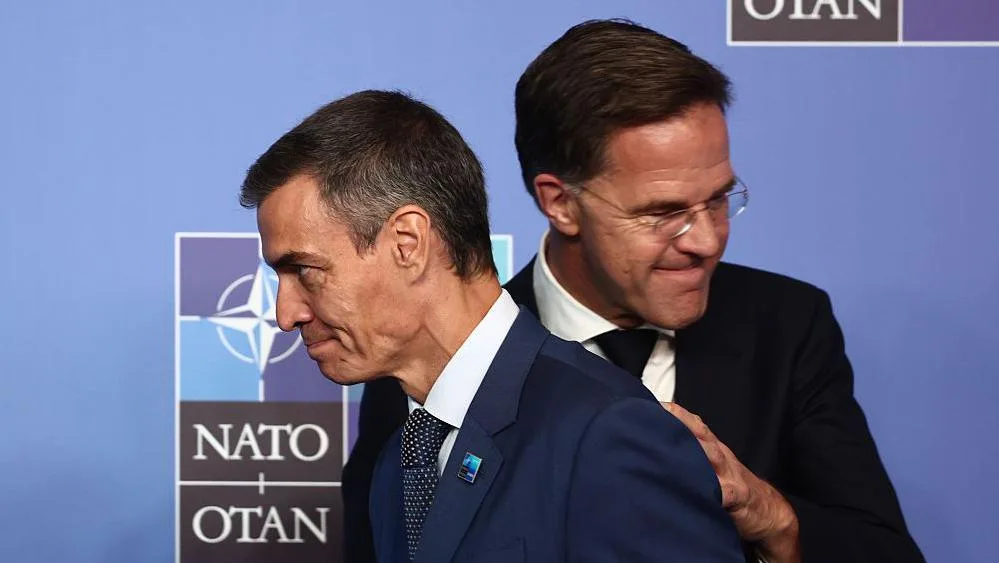
NATO Secretary General Mark Rutte described the alliance as "stronger than ever despite tensions with US President Donald Trump". He compared NATO dynamics to family disputes: "you have families where you never quarrel and then it bursts out completely" [3]. Rutte confirmed Trump’s push for allies to increase defence spending to 5% of GDP by 2035, including a core target of 3.5%, calling the US pressure "successful in terms of getting the Europeans to spend more" [4].
At a 2025 summit, all 32 NATO members agreed to raise defence spending toward a 5% GDP goal by 2035, including 3.5% for core defence and 1.5% for related infrastructure [5, 4, 6]. Several members have already exceeded the 3.5% core target in 2026 projections: Lithuania (5.33%), Estonia (5.1%), Latvia (4.92%), Poland (4.68%), and Greece (3.65%) [6]. However, major powers like the UK (2.56%), Germany (2.69%), France (2.22%), and the US (3.17%) remain below the core spending goal [6]. Germany announced plans to more than double defence spending to over €200 billion ($228 billion) by 2030, leveraging borrowing exemptions [7].
The UK government denies claims it is falling short on defence commitments and says it remains one of NATO's top defence spenders, with a plan to invest £300 billion in defence by 2030 [2, 1]. However, some sources report a £5 billion funding gap within the UK's defence investment plan [7].
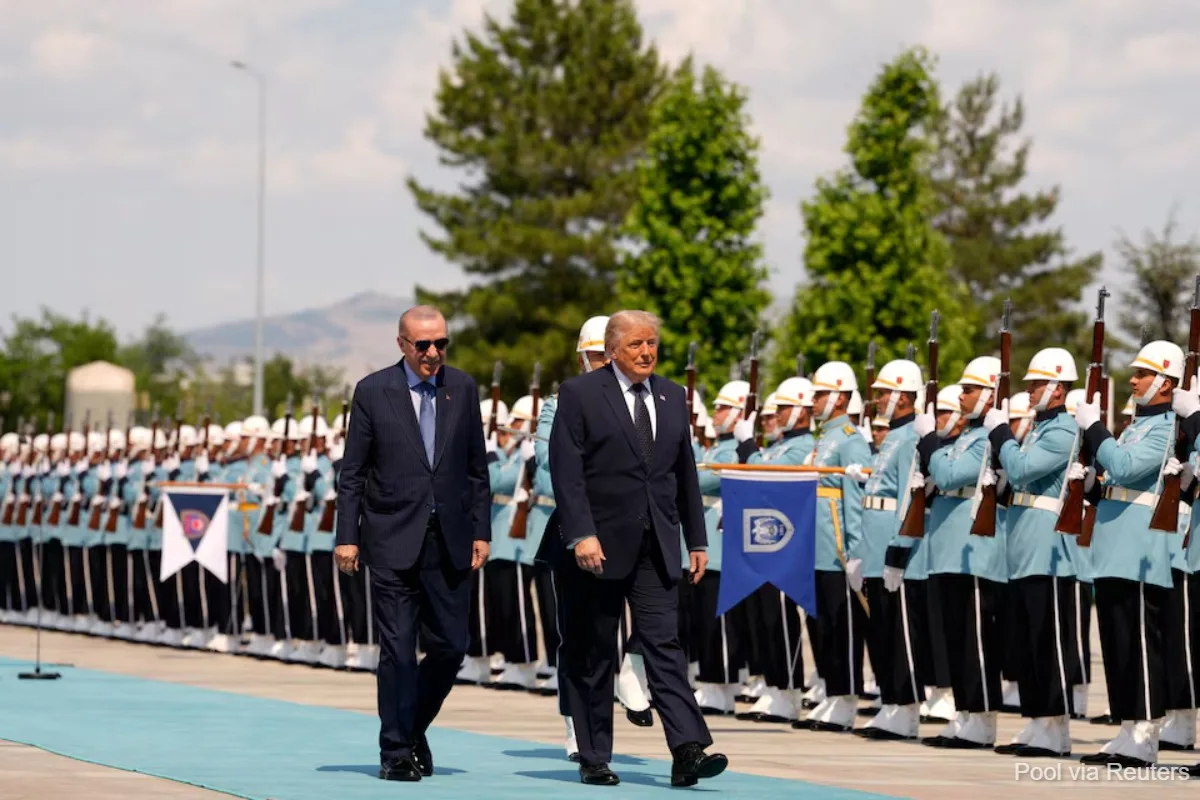
NATO scrambled jets over 700 times recently to intercept Russian aircraft, while Russian naval activity around UK waters has surged 30% over two years, raising tensions [1, 2]. Turkey hosted the summit, emphasizing its role as a regional mediator and growing arms supplier, exemplified by delivering an offshore patrol vessel to Romania ahead of the meeting [8, 9].
Alongside the summit, the NATO Defence Industry Forum announced new arms contracts worth tens of billions, aiming to demonstrate progress amid pressure from the US administration [4, 10, 11]. Europe faces concerns about depleted US defence stockpiles due to conflicts in Ukraine and Iran, causing delays or cancellations of missile shipments including Tomahawk and Patriot systems [12].
Despite US President Donald Trump’s continued criticism of NATO allies’ defence spending and threats of troop withdrawals, Rutte affirmed his conviction that Trump remains committed to the alliance, though other sources describe strained relations and a US review of its military presence in Europe [3, 4, 11].
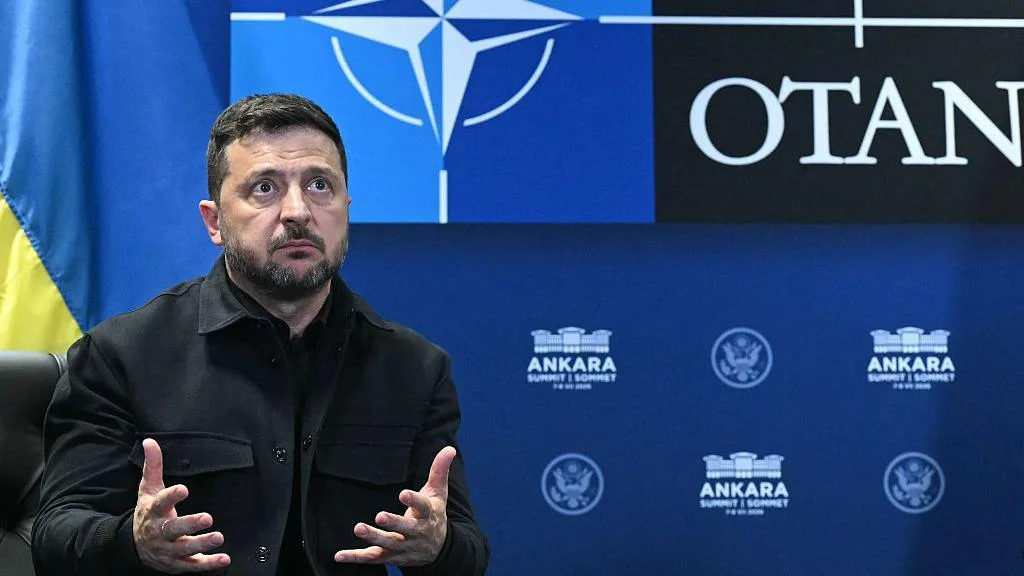
NATO members also agreed to pledge a symbolic €70 billion (£60 billion) in military assistance to Ukraine for 2026-2027, reaffirming support amid ongoing conflict [5, 4].