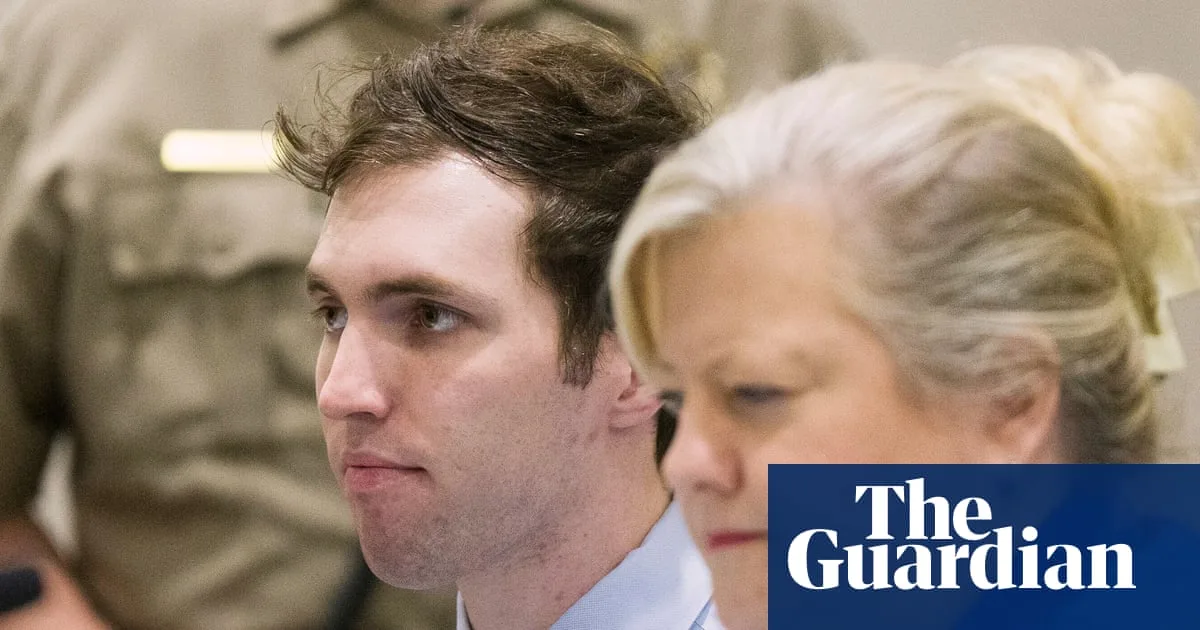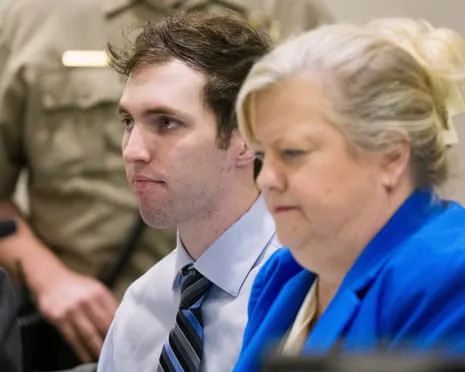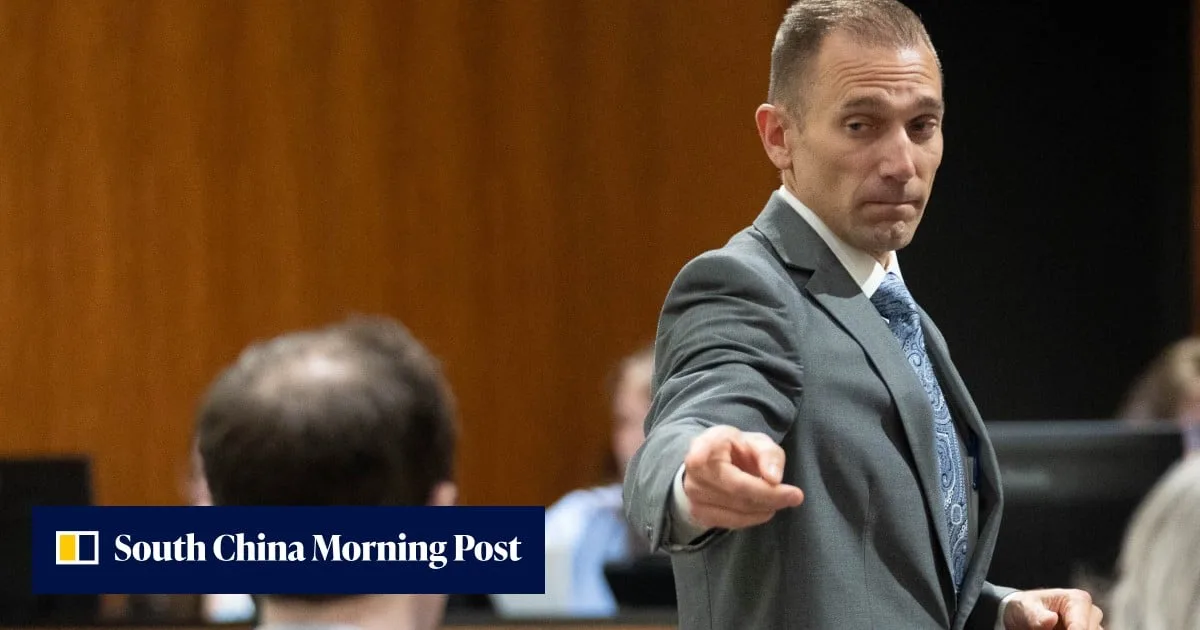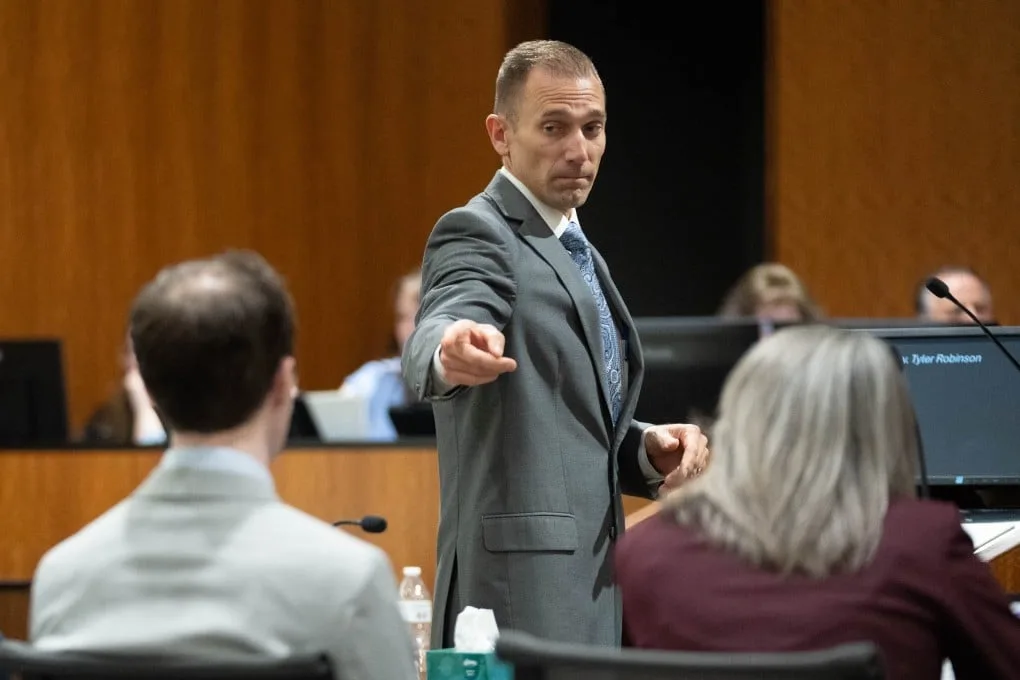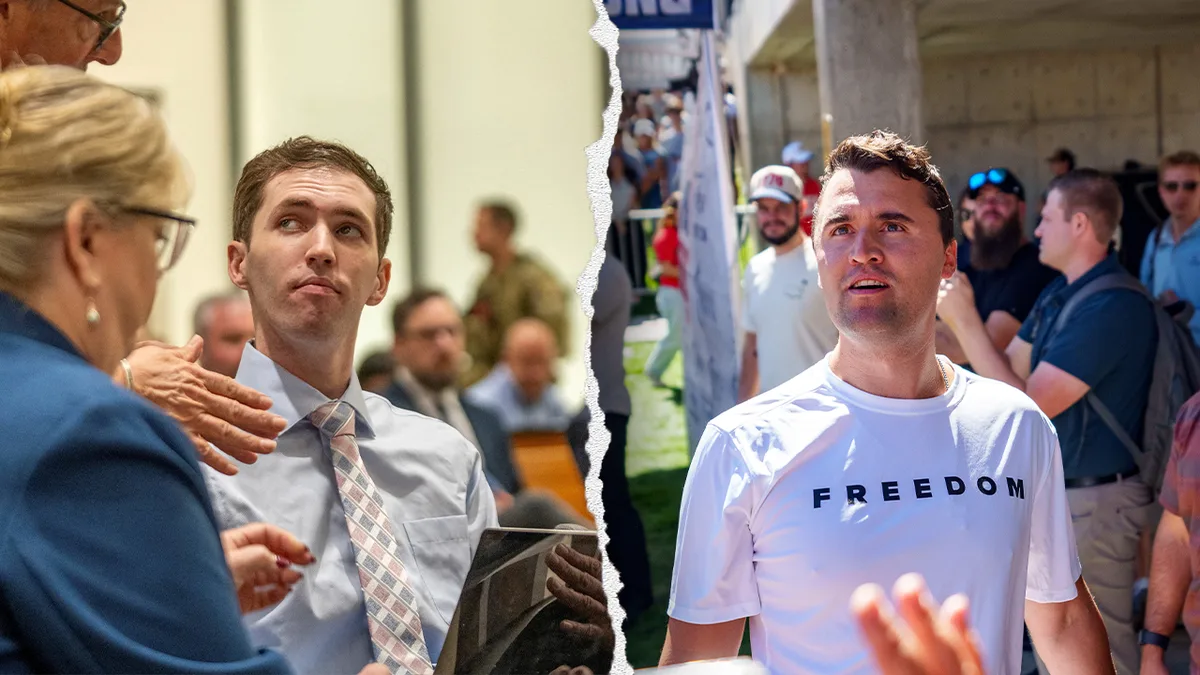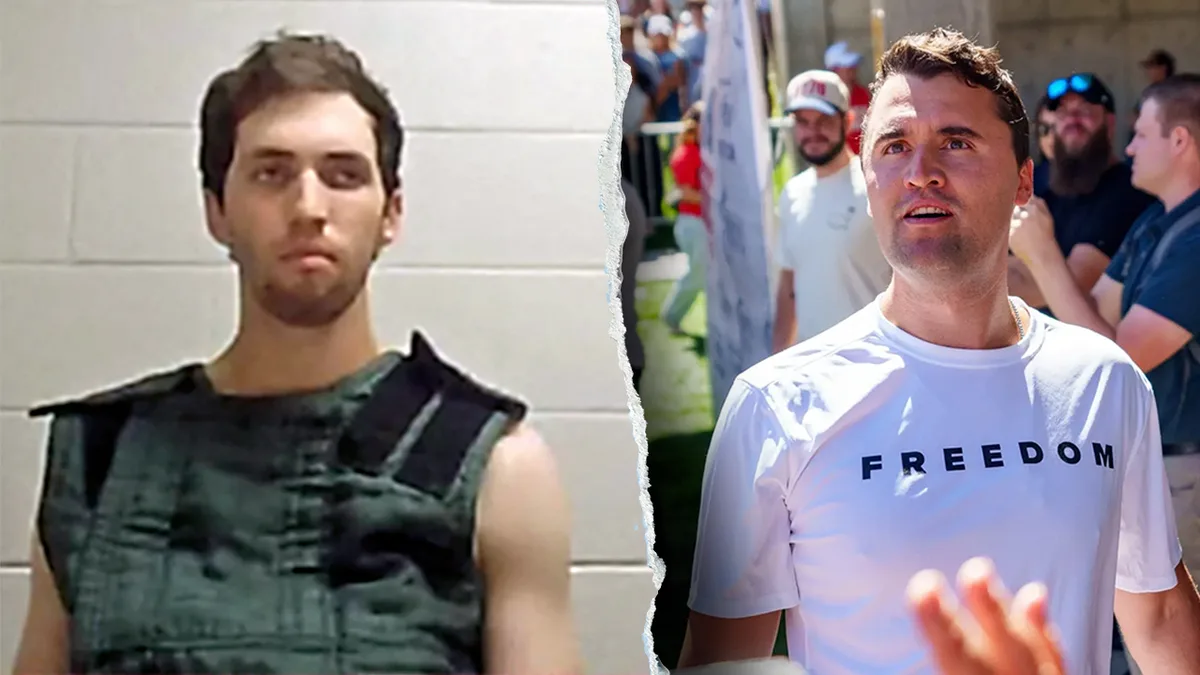
Tyler Robinson, 23, will stand trial for fatally shooting conservative activist Charlie Kirk at Utah Valley University on September 10, 2025. Judge Tony Graf ruled on September 1 that there is sufficient evidence to try Robinson on aggravated murder and related charges, allowing prosecutors to seek the death penalty [1, 2, 3, 4, 5].
Robinson faces seven charges including aggravated murder, felony discharge of a firearm causing serious injury, obstruction of justice, witness tampering, and committing a violent offense in the presence of a child [5]. Prosecutors argue Robinson targeted Kirk, 31, co-founder of Turning Point USA and ally of Donald Trump, because of his political views and endangered a crowd of about 3,000 people by firing into it [1, 2, 3, 4, 5]. Judge Graf said, "Viewed in the light most favorable to the prosecution, this evidence is sufficient at this stage to support a reasonable belief that the defendant is the individual who shot and killed Charlie Kirk" but added that whether aggravating factors are proven beyond reasonable doubt "remains for trial" [5].
Robinson's defense denies any political motive and disputes that the shot endangered others [1, 2, 3, 4]. The shot was fired from a rooftop about 122 meters (400 feet) away, adding complexity to the case [2]. Former FBI agent and sniper Greg Rogers said firing into a crowd is always dangerous because people can move unpredictably. He said, "When you have a rank amateur that is shooting, it’s clearly, clearly very dangerous" [4].
Robinson pleaded not guilty to all charges at his arraignment immediately following the judge’s ruling [2, 5]. The family of Charlie Kirk expressed gratitude for public support, saying, "Every step in this process carries the weight of all that Charlie’s murder has taken from his family, especially his children who will grow up without their father" [2].
A week-long preliminary hearing was held in July 2026 before today’s ruling [1, 4]. The next legal steps now focus on preparing for trial, where prosecutors will decide whether to formally pursue the death penalty.