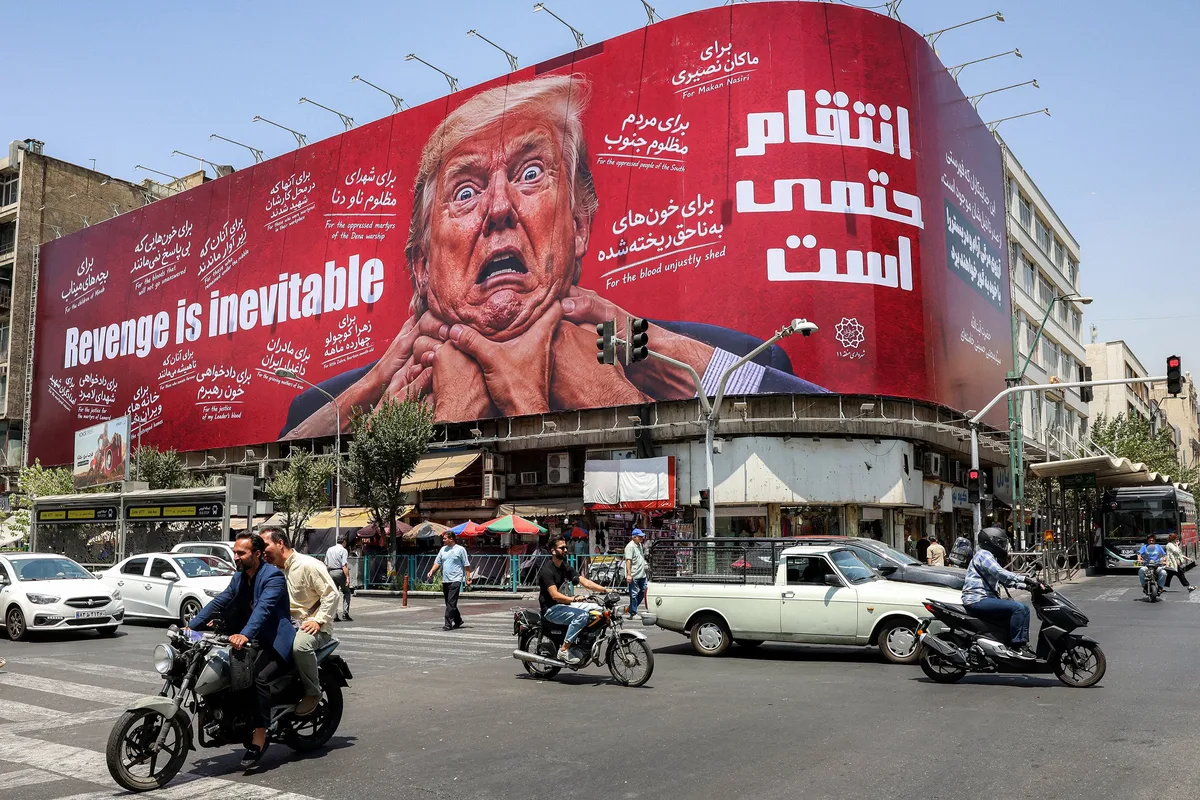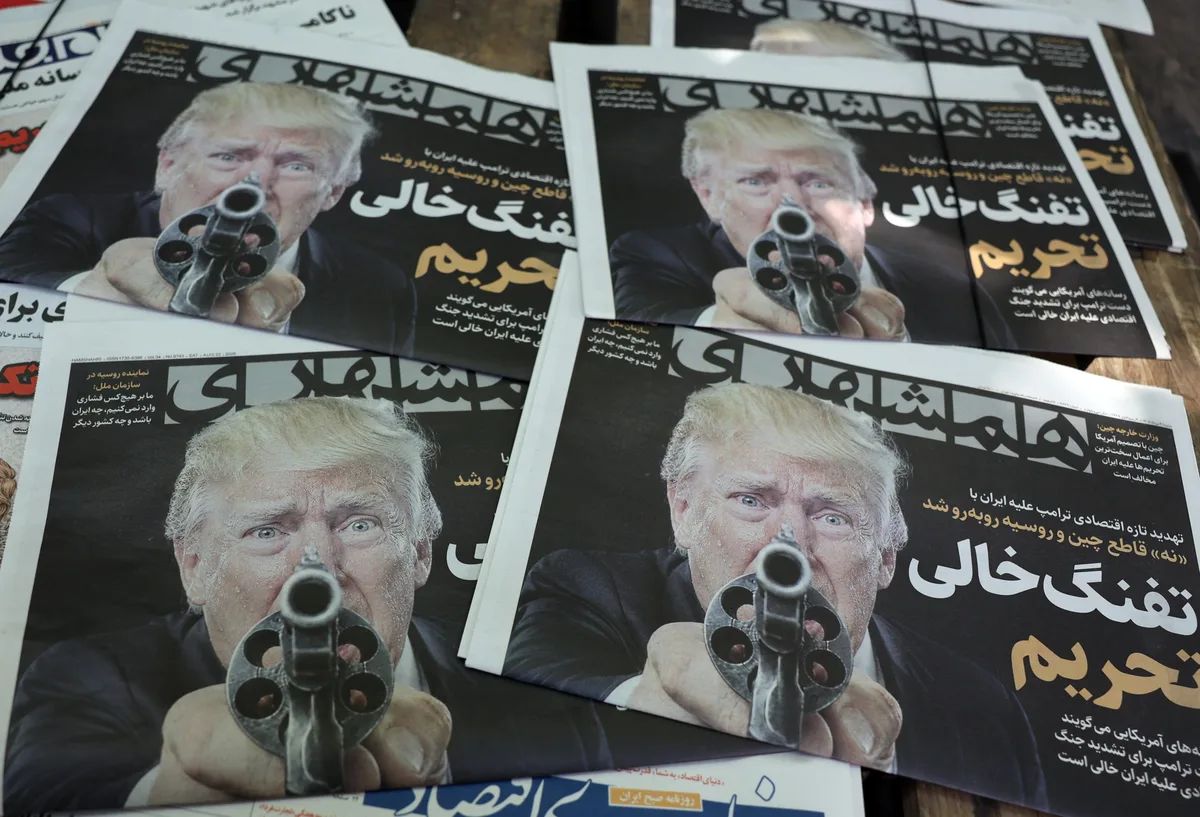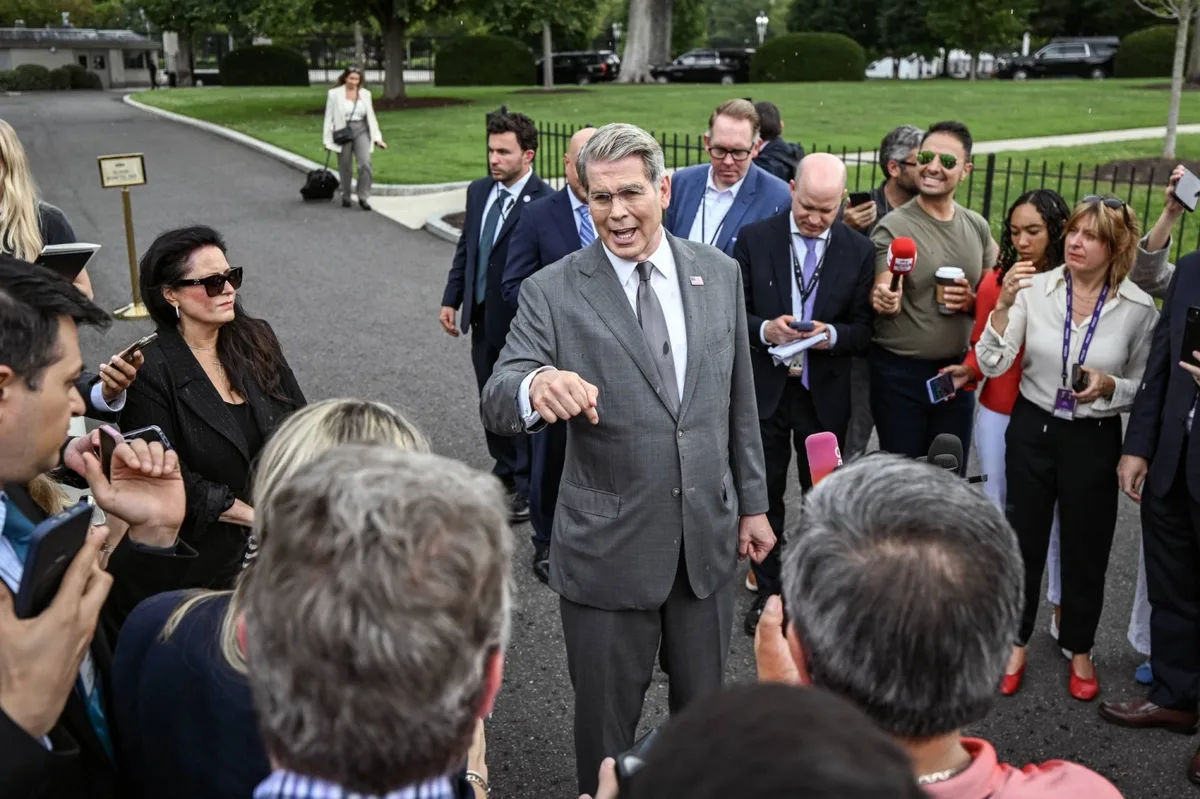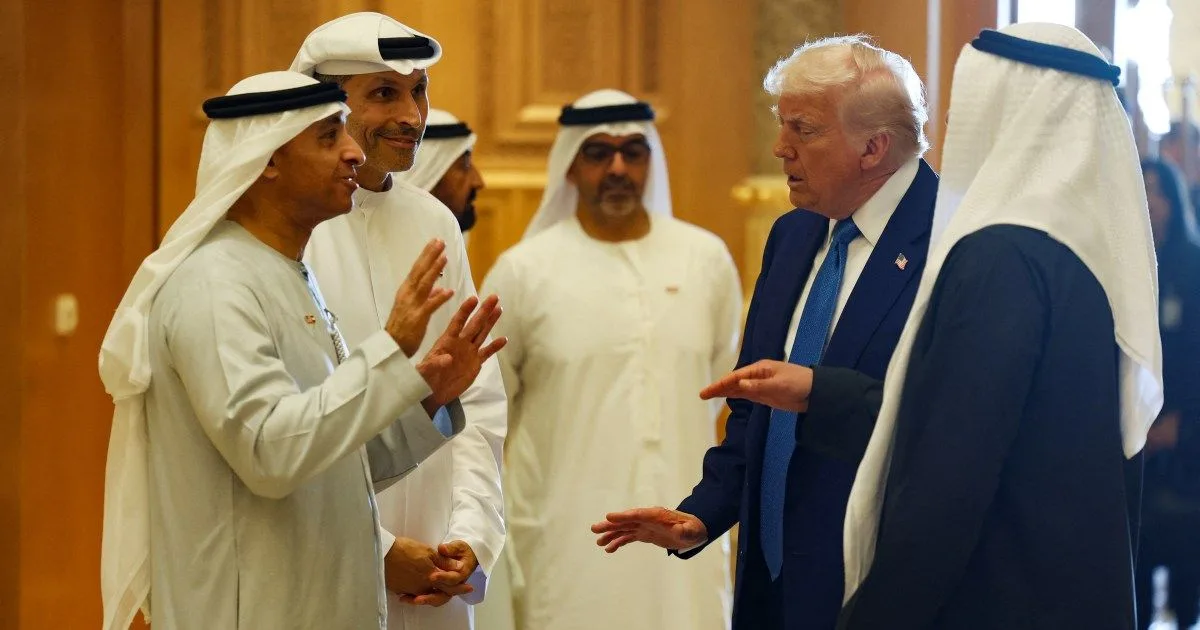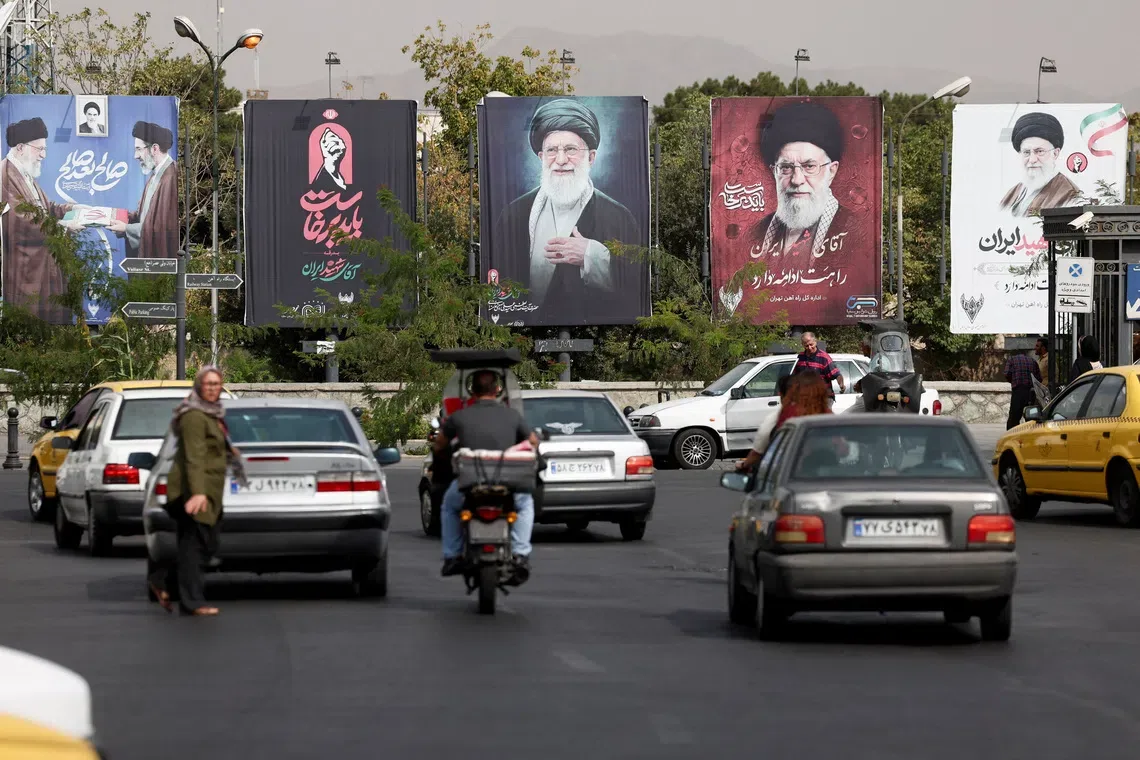
US Treasury Secretary Scott Bessent announced "Operation Economic Outcast," the largest financial campaign ever against Iran, imposing sanctions on nearly 60 entities tied to Iran’s digital assets, technology, gold, aviation, shipping, and oil exports to China [1, 2, 3]. Bessent described the package as "the single greatest financial offensive ever against Iran," warning that "no one is above the reach of US sanctions" [3].
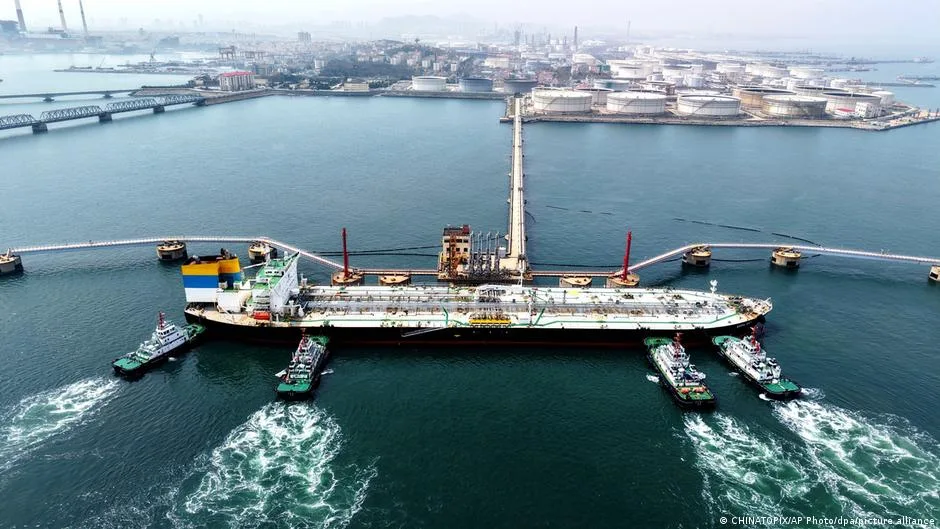
The sanctions include smaller Chinese firms, individuals, and vessels involved in Iranian oil trade and sensitive goods procurement, but major Chinese banks are initially spared to avoid disrupting US-China ties before planned leadership talks [1, 2]. China, Iran’s biggest oil buyer accounting for up to 90% of exports, criticized the sanctions as "illegal" and defended its cooperation with Iran as within international law, seeking to balance relations with both Iran and Gulf states like Saudi Arabia and UAE [1, 2].
On August 24, Bessent called the sanctions "economic D-Day" against Tehran and said economic engagement with Iran will carry heavy consequences [4, 1]. In response, Iranian official Mohsen Rezaei warned that "if the economic war continues, not a single drop of oil will be exported, neither through the Strait of Hormuz nor from anywhere in the Persian Gulf," threatening to block a chokepoint that moves around one-fifth of global energy in peacetime [4, 3].
Iran’s Revolutionary Guard, which controls the Strait of Hormuz, has responded to US pressure with drone and missile attacks on Gulf shipping and energy infrastructure [4, 5, 6]. Experts warn the sanctions risk provoking further Iranian military retaliation targeting Gulf states’ energy facilities to push oil prices higher and pressure Washington [5, 6, 3]. "If this is actually effective, at some point, Iran will lash out again – they just will have no alternative," said Atlantic Council’s Nate Swanson [5].
Shipping activity through both the Strait of Hormuz and Bab el-Mandeb has recently fallen sharply due to threats and attacks by Iranian and Houthi forces, disrupting global energy transit [4].
The US campaign not only aims to cut Iran off economically but also to isolate it diplomatically and militarily amid ongoing Gulf tensions. Further details on the enforcement of the sanctions and possible naval blockade are expected as the US continues to tighten pressure on Tehran [5, 6, 3].