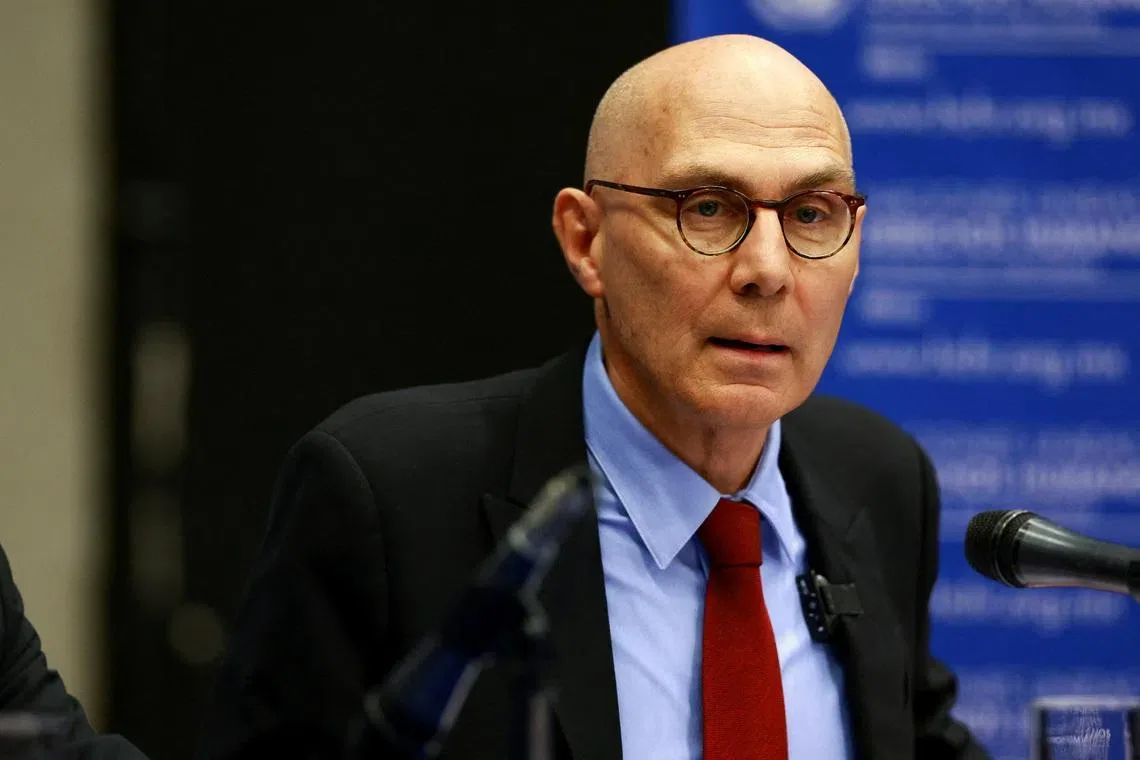
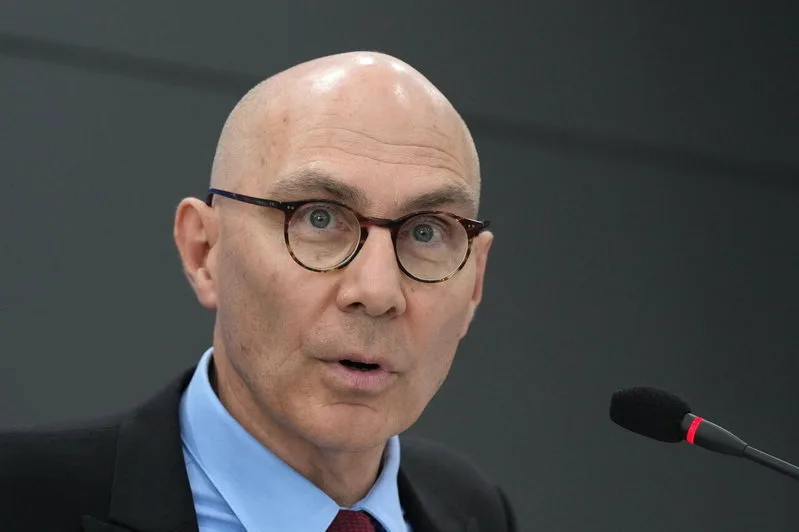
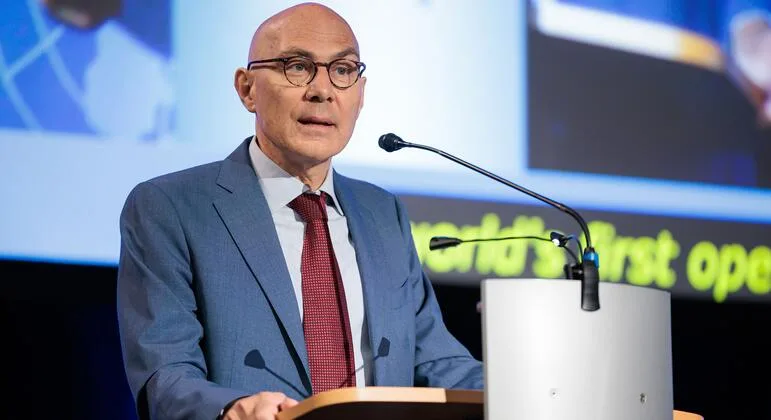
The United Nations General Assembly approved Volker Turk’s second four-year term as UN High Commissioner for Human Rights on July 24, 2026, by a vote of 144 in favor, 10 against, and 13 abstentions [1, 2, 3]. Turk’s new term will run from October 12, 2026, through October 11, 2030 [4, 1, 3].
Turk, an Austrian lawyer, began his first term as UN Human Rights Chief in October 2022. He has a long career in the UN system, including refugee work and senior Secretariat roles [4, 5, 3]. During his first term, Turk was an outspoken critic of rights abuses by Russia, Israel, and the United States. He condemned Russia’s invasion of Ukraine, human rights violations in the Gaza conflict, and US immigration detention deaths, drawing sharp opposition from those countries [4, 1, 2, 6].
Russia, Israel, and the United States strongly opposed Turk’s reappointment. Russia went further and proposed a counter-motion to limit Turk’s term only until December 31, 2026, which the Assembly overwhelmingly rejected [4, 1, 5, 3, 7]. The US requested postponing the vote for additional consultations, a request that was denied [1, 6, 3].
US Representative Jeff Bartos said the vote demonstrated that "the U.N.’s fiercest critics" are correct in calling the body dysfunctional. He warned the US would reevaluate its engagement, participation, and funding of the UN [1]. In response to criticism from the US, France’s mission said the US had lost its moral standing and now stood alongside regimes such as North Korea and Russia [8]. A social media dispute between US and French officials followed, with the US accusing France of supporting oppressors and France condemning the US stance [8, 9].
Turk has received praise from European Union and African Union member states. French Ambassador Jerome Bonnafont called him "a voice of conscience who showed rigor and impartiality during his first term" [3]. Turk himself said, "Human rights are the antidote to today’s turbulence and defeatism. I will give my all for the rights of everyone, everywhere" [2].
Some countries expressed reservations about Turk’s reappointment, suggesting the UN Secretary-General’s successor should decide future appointments [4, 3, 10]. Turk’s second term officially begins on October 12, 2026.
The vote and ensuing diplomatic tensions mark a contentious chapter in UN human rights leadership as Turk prepares for his new mandate starting in October.
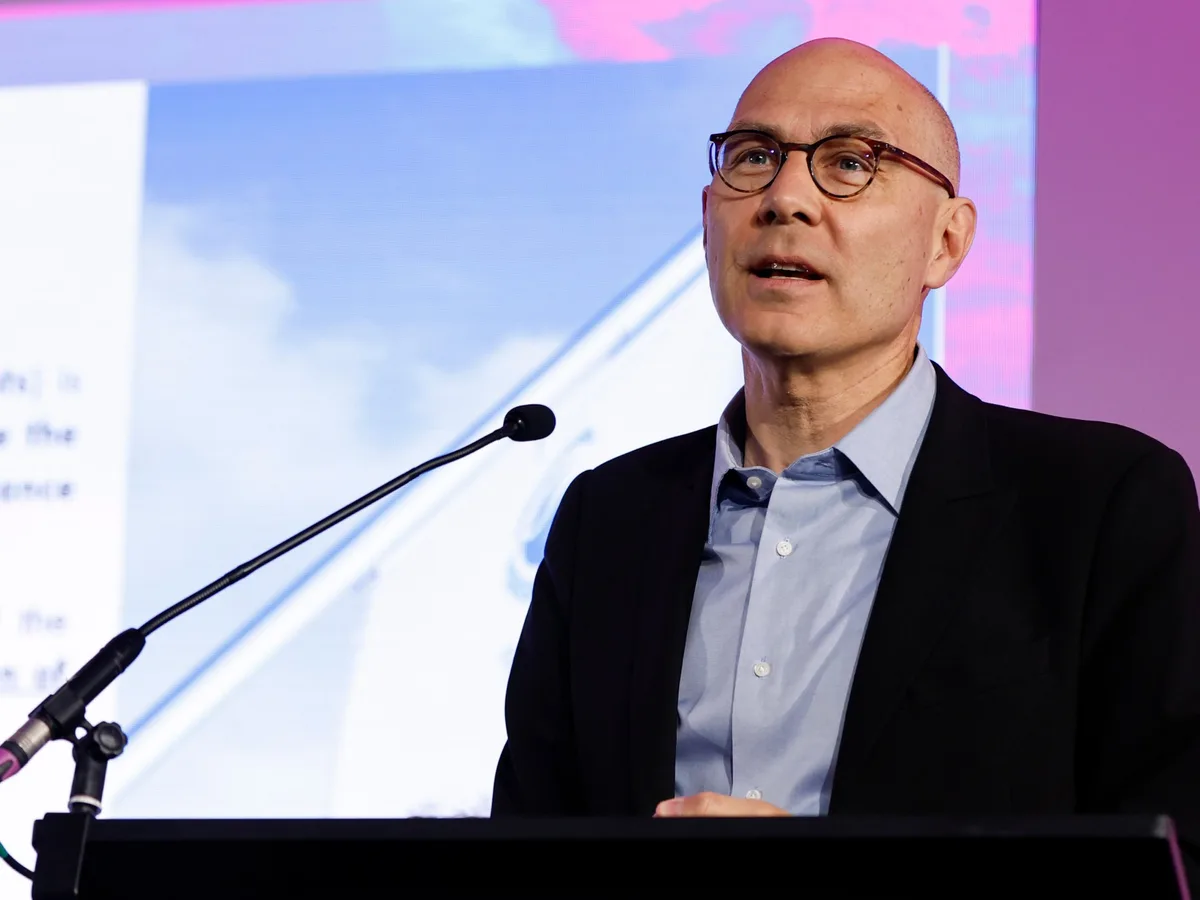
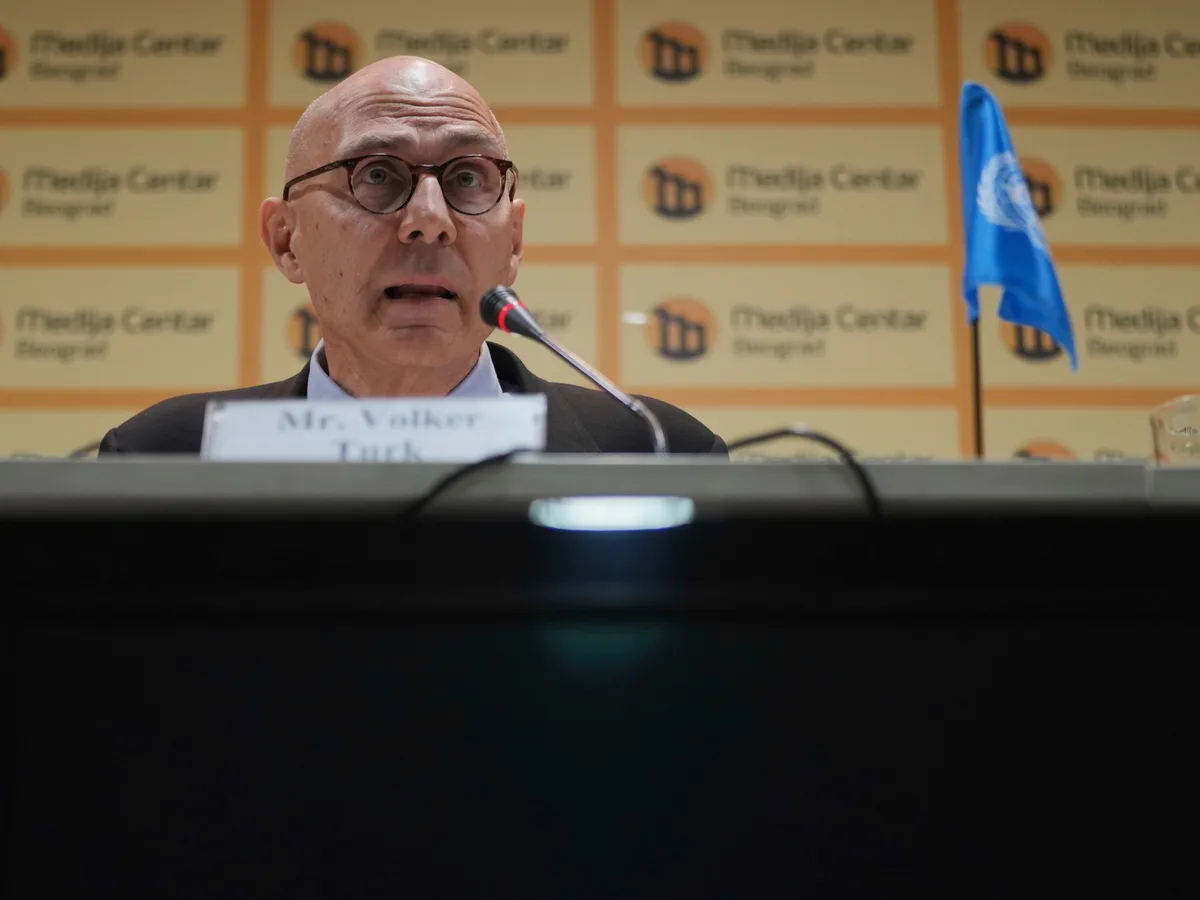
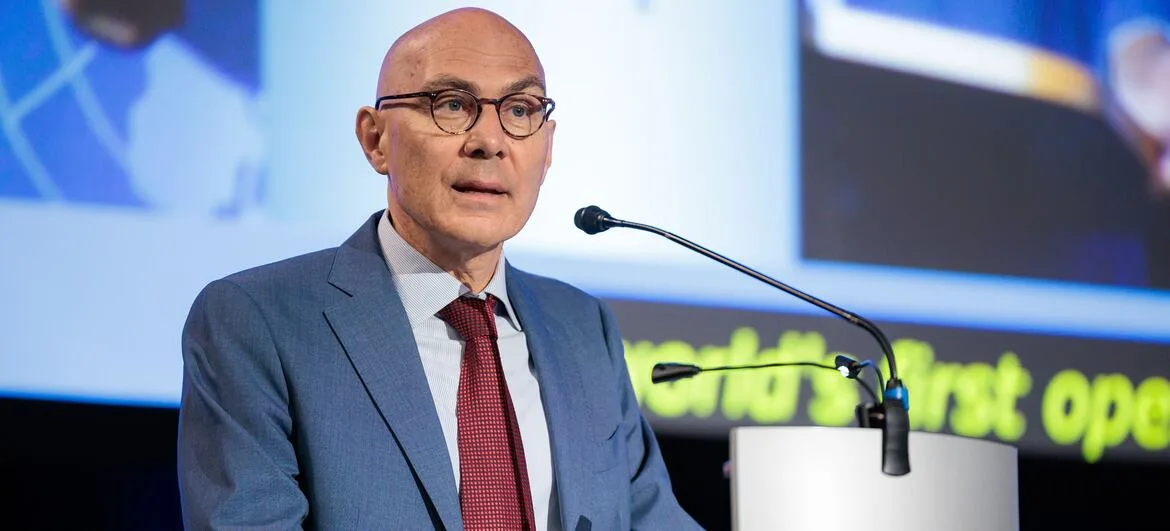
![Volker Turk's reappointment as UN Human Rights Chief angered the US and Israel. [John Phillips/Getty Images for SXSW London]](/uploads/2026/07/25/ef03149d1a155174888ce264.webp)