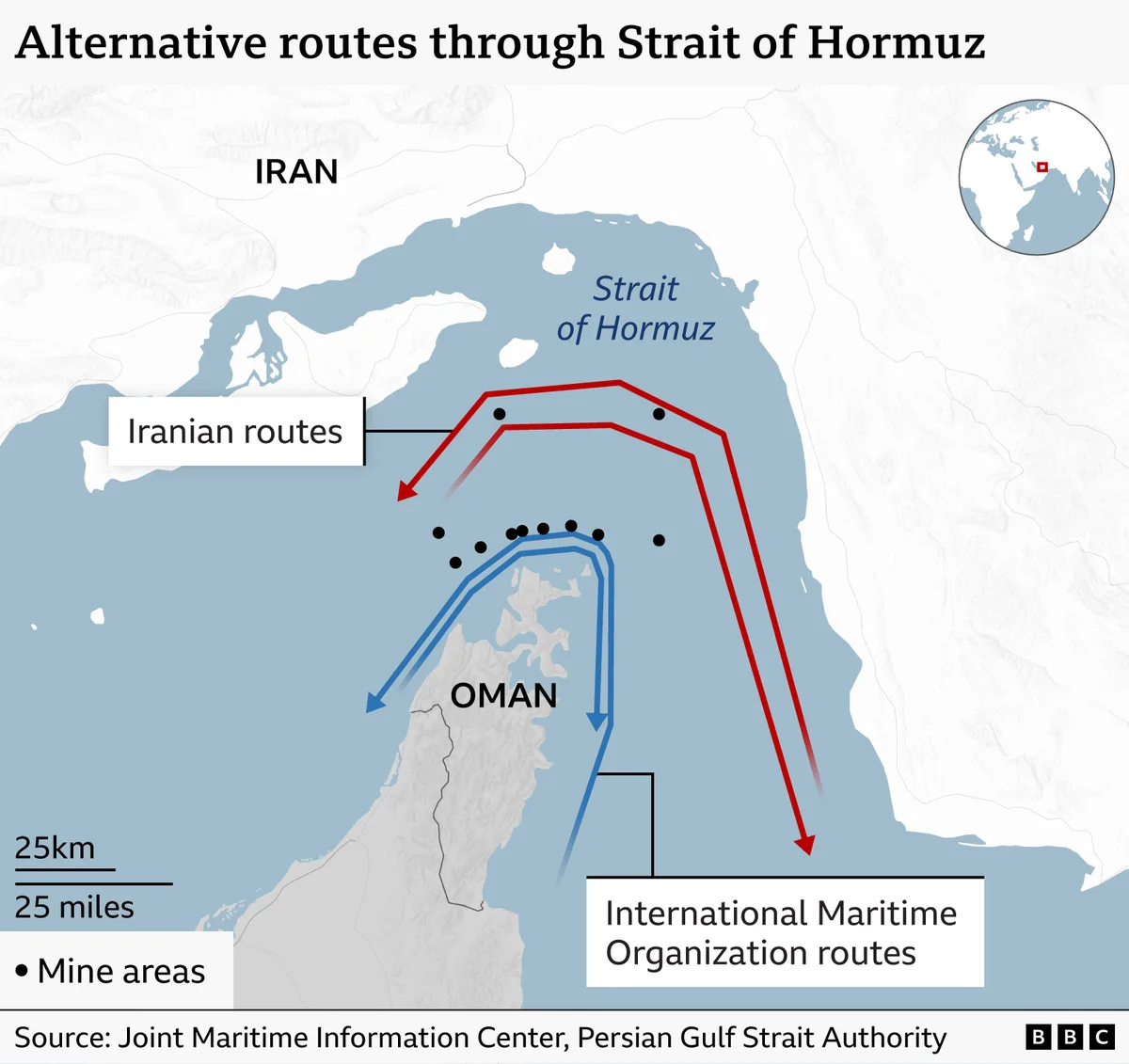
The United States and Iran signed a 14-point memorandum of understanding (MoU) on June 17, agreeing to cease hostilities and reopen the Strait of Hormuz, with a 60-day window to negotiate a final deal on Iran's nuclear program, sanctions, and a permanent truce [1, 2, 3, 4, 5, 6]. About 20% of global oil and gas shipments pass through the strategically vital Strait of Hormuz [1, 3, 5, 6].
Following renewed attacks between June 25 and 28, including Iran striking cargo vessels and launching missile and drone attacks on US bases in Kuwait and Bahrain, both sides agreed to halt offensive actions before resuming talks [1, 2, 3, 4, 7, 8]. Kuwait intercepted the missiles with no casualties reported [2, 3, 4, 7, 8]. The US responded with strikes on Iranian military sites [2, 3, 4, 7, 8].
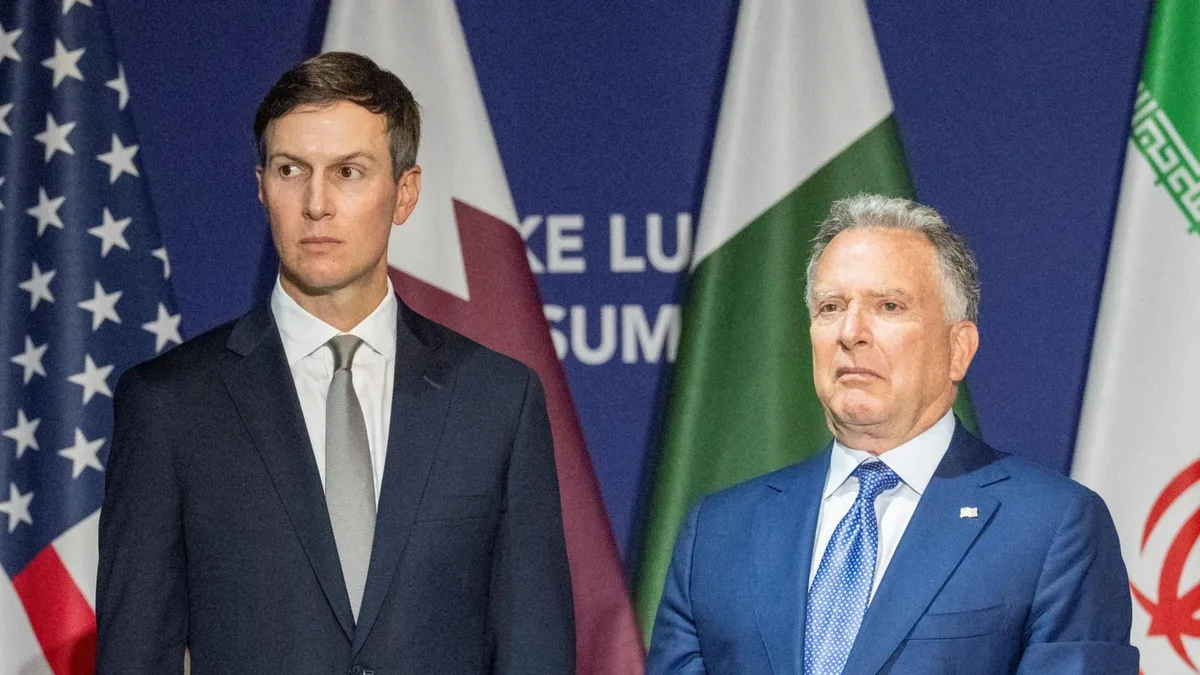
President Donald Trump announced that Iran had requested a meeting, stating, "IRAN HAS REQUESTED A MEETING. IT WILL TAKE PLACE TOMORROW IN DOHA!" and confirming the participation of Trump envoys Steve Witkoff and Jared Kushner in high-level talks planned for June 30 in Doha, Qatar [1, 2, 3, 4, 5, 8, 6, 9, 10, 11]. White House Press Secretary Karoline Leavitt said the envoys would meet "as we continue to discuss the memorandum of understanding" with technical talks occurring on the sidelines [5]. Trump also warned that military action could resume if diplomacy fails: "There may come a point when we are no longer able to be reasonable, and will be forced to militarily complete the job that we very successfully started. This situation once happens, Iran will no longer exist!" [2].
Qatar is acting as mediator to facilitate communication and ensure safe passage of commercial vessels through the Strait [1, 6]. Yet Iran denies any scheduled direct negotiation with the US during the Doha talks, stating that an Iranian technical delegation’s visit is unrelated and no meetings with American officials are planned in the coming days, according to Iranian Foreign Ministry spokesperson Esmaeil Baghaei who said, "We will not have any negotiation meetings at any level with the American side in the coming days." [1, 9, 10, 12]
Iranian President Masoud Pezeshkian called the memorandum "a great victory for the Iranian people," and announced the release of $6 billion of frozen Iranian assets held in Qatar, out of a total $12 billion frozen, following the accord [6, 11]. He added Iran answers "unreasonable boasting and unfounded threats with rationality, dignity and decisive and fearless action." [12]
Meanwhile, Israel conducted airstrikes on Hezbollah militants in southern Lebanon around June 27-28, shortly after signing a ceasefire deal with Lebanon on June 26 [2, 4, 11]. Despite ceasefire agreements, disagreements remain over reopening the Strait of Hormuz and implementation of technical talks [1, 9, 11].
The Doha meetings between US envoys and Iranian officials are scheduled for June 30, with the outcome expected to clarify the future course of negotiations and adherence to the ceasefire agreement [2, 6, 9, 10, 11].