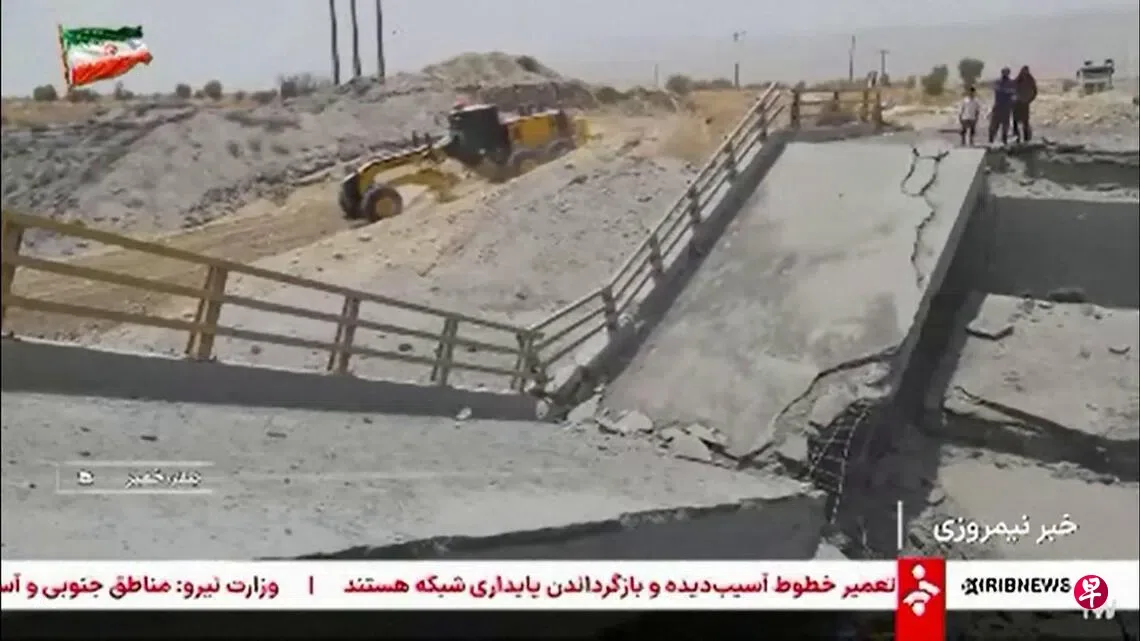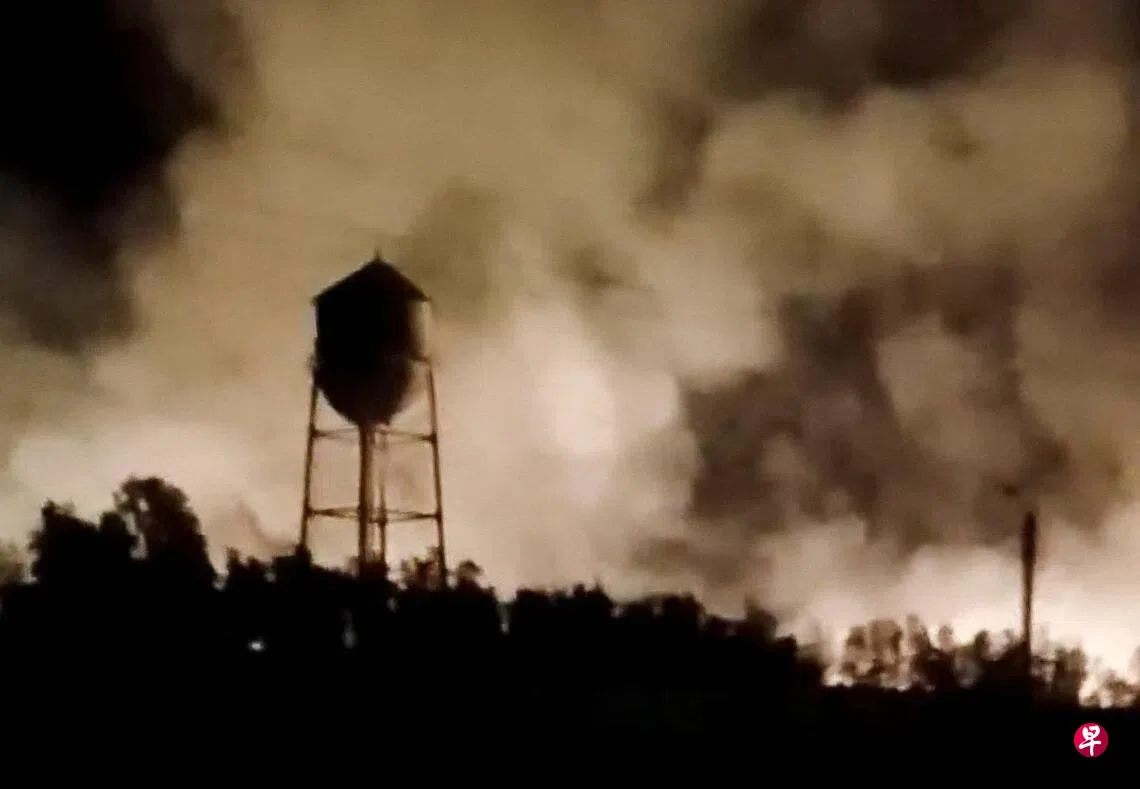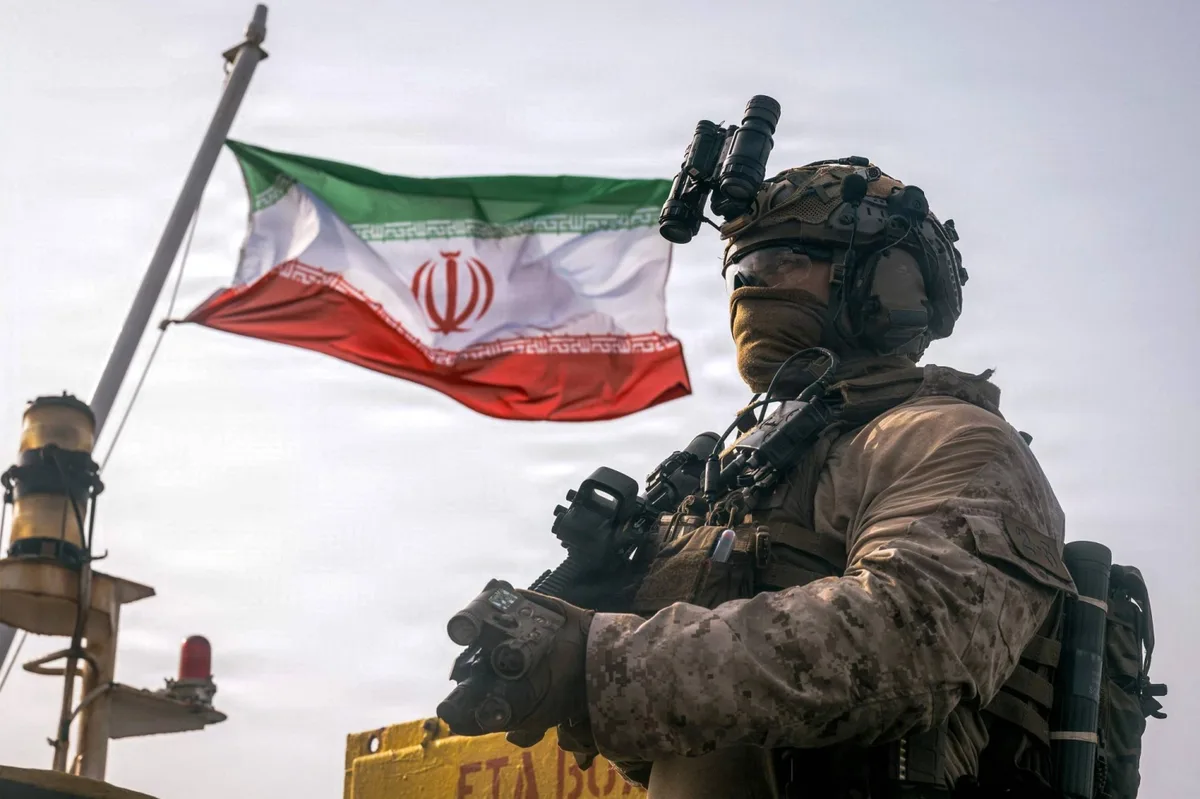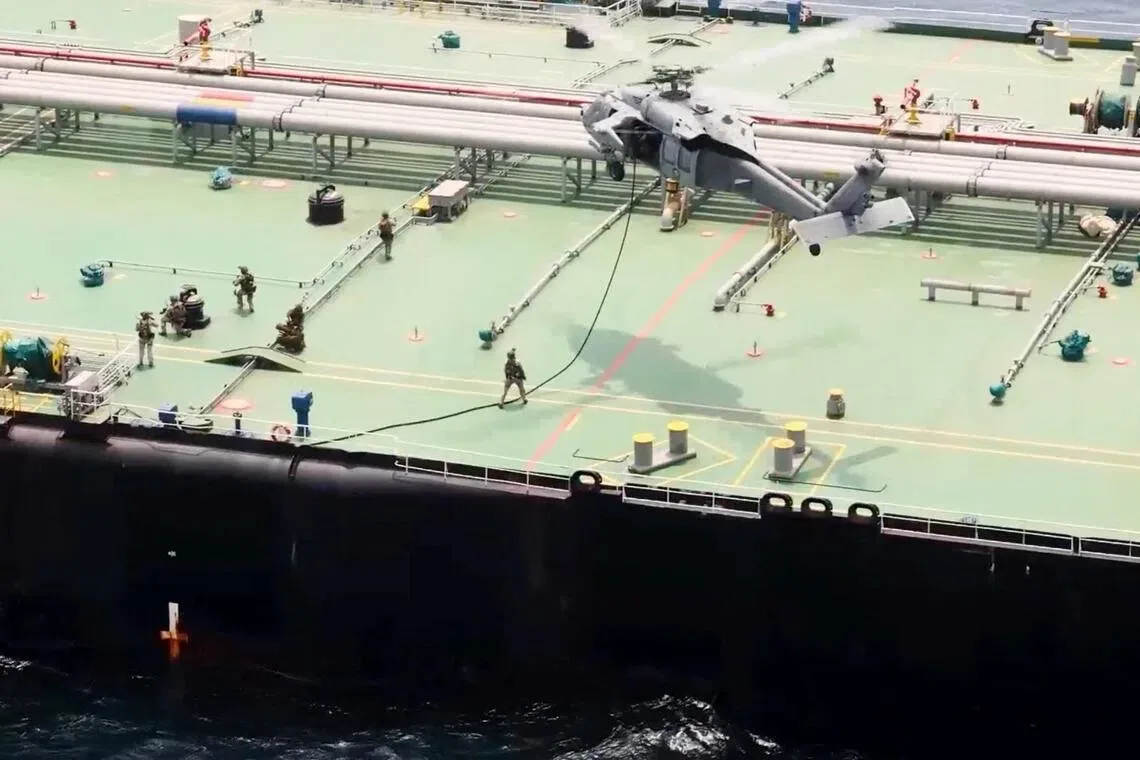
The US military has carried out 11 consecutive nights of airstrikes against Iranian military bases, missile and drone facilities, air defenses, and logistics hubs, starting July 17, aiming to reduce threats to the Strait of Hormuz and commercial shipping, according to US Central Command [1, 2, 3, 4]. These strikes targeted Iranian command centers and maritime capabilities, with CENTCOM stating they sought to degrade Iran's ability to attack vessels flowing through the Strait [3].
Iranian forces, including the Islamic Revolutionary Guard Corps, responded with missile and drone attacks targeting US forces and allies in the Gulf states of Bahrain, Kuwait, Jordan, Qatar, Oman, and Syria. These attacks killed at least two US soldiers near Jordan on July 19, as reported by CENTCOM [1, 5, 6, 7]. Iran has also hit civilian infrastructure in Gulf states such as power plants, oil installations, desalination facilities, and airports, causing casualties and disruption [1, 5].
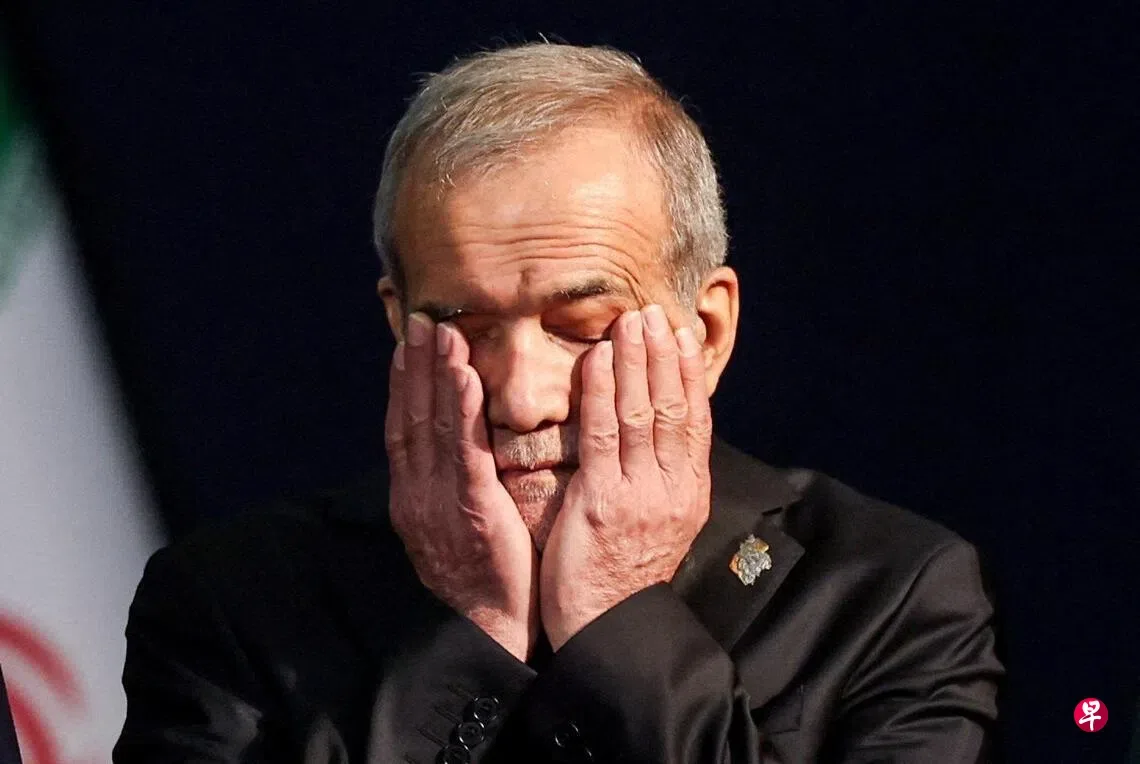
On July 20, Iranian President Masoud Pezeshkian declared Iran was in a state of full-scale war with the US, urging the Iranian people to accept the inevitable consequences of resistance. He said, "The reality is that today's Iran is in a full-scale war. We must face reality and accept the inevitable results of this resistance" [8, 9, 10, 6]. Following continued US strikes, Iranian air defenses around Tehran activated multiple times to intercept unidentified flying objects [2, 4].
The conflict has inflicted heavy casualties. Iranian authorities report over 3,000 Iranian deaths since escalation began, though foreign NGOs believe tolls could be higher [9]. The US lost two soldiers in attacks near Jordan [5]. Meanwhile, Iran’s economy strains under US pressure and war impacts, with annual inflation close to 90% and the rial falling to about 1,950,000 to one US dollar [8, 9, 10].
The US is ramping up military presence in the region. Besides airstrikes, fighter jets have been redeployed from Europe to the Middle East. The 11th Marine Expeditionary Unit has been reinforced with over 2,000 troops [1]. Iran-backed Houthi militants in Yemen declared a naval blockade of Saudi Arabia in the Red Sea on July 21, threatening a new front [1, 3].
Multiple mediation proposals for a 10-day ceasefire have surfaced since July 20 to de-escalate tensions and restore temporary agreements, but progress remains unclear [11, 12, 3, 10]. US President Donald Trump tweeted, "Every time Iran kills an American Soldier they will pay for that killing many times over!" [12]. An Iranian top leader's adviser warned if US airstrikes continue, Tehran will go beyond retaliation to a "full offensive phase" [1].
The conflict continues with no ceasefire in place, and both sides maintaining intense military operations as of late July.