On July 28, Iran launched multiple ballistic missiles aimed at US forces in the Middle East. The missiles targeted a US base and command center in Jordan, according to several sources, though US Central Command declined to confirm exact locations. All missiles were successfully intercepted by US defenses, ending a brief pause in fighting between the two countries [1, 2, 3, 4, 5, 6].
In response, US and Saudi forces carried out joint airstrikes targeting Iran-aligned militias’ logistics and weapons sites in eastern Iraq the same day. These strikes followed over 30 Iranian drone attacks within the previous 72 hours and continued with additional US military actions on July 29 [1, 7, 4, 8, 9, 10].
US President Donald Trump warned Iran of strong retaliation, saying, "We're going to be hitting them very hard because it's our turn to hit them. They know what’s coming. They’re asking us not to do it," underscoring US resolve to respond firmly [11, 9].
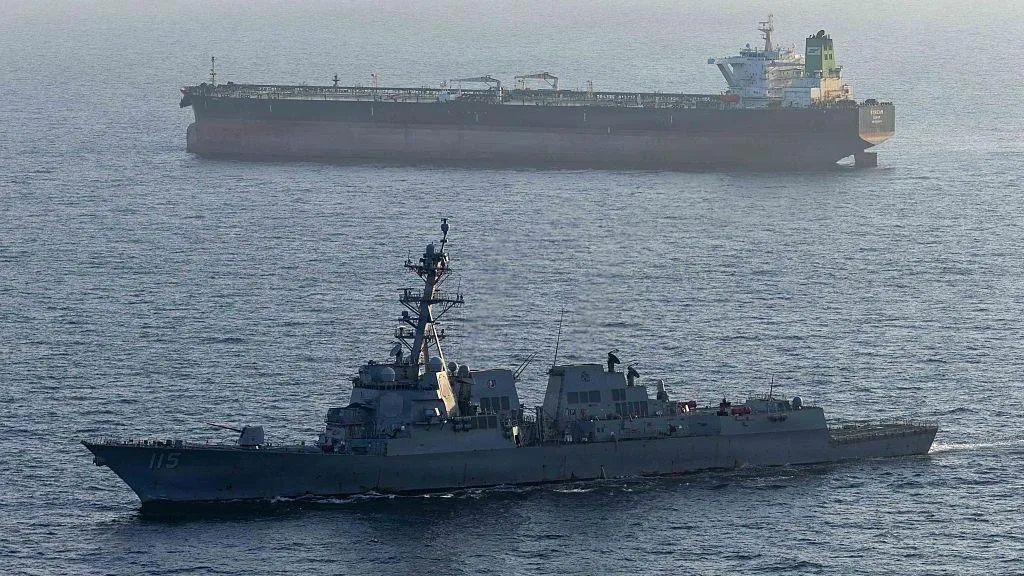
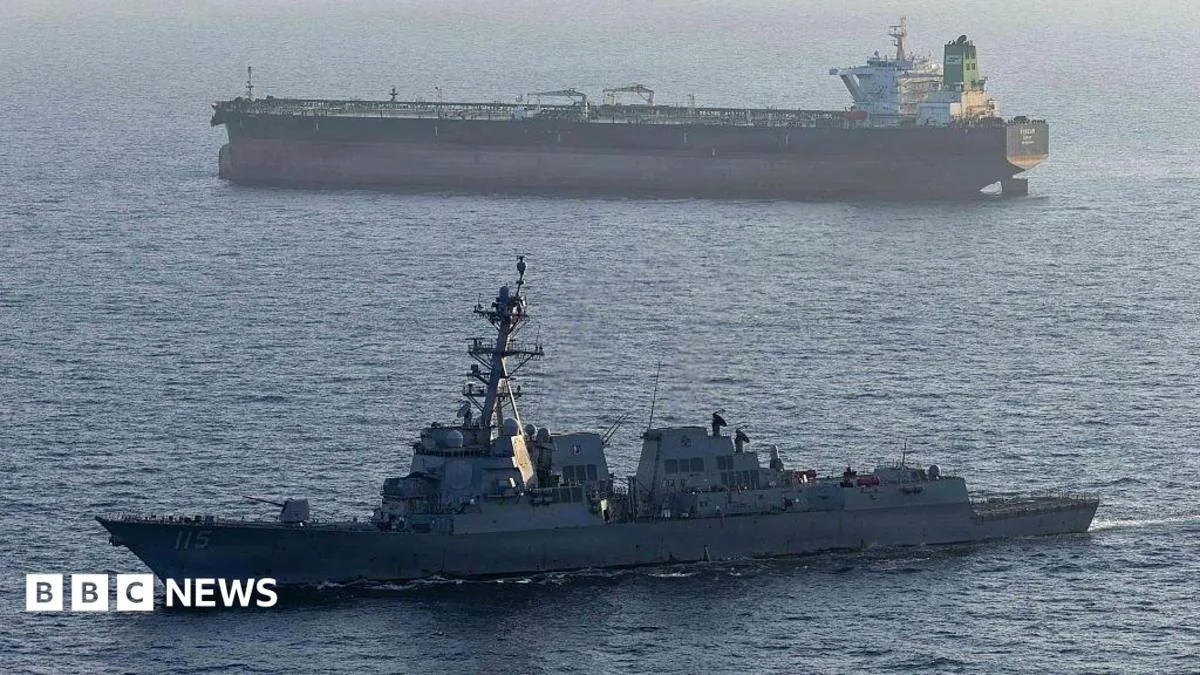
The Iranian Islamic Revolutionary Guard Corps took responsibility for the missile attacks on US forces in Jordan as well as strikes on oil tankers in the Strait of Hormuz, alleging the vessels ignored warnings [7, 4]. At least 20 Iran-backed militia members and six Iranian advisers were reported killed in US and Saudi strikes in Iraq around July 29 [7, 11].
Meanwhile, fires broke out on two liquefied natural gas vessels at Egypt’s Damietta port on July 29, reportedly caused by drone strikes. Responsibility remains unclear but has been linked to the ongoing regional conflict [11, 9, 10].
The escalation occurred during Israeli Prime Minister Benjamin Netanyahu’s visit to Washington, where he met President Trump and attended US Senator Lindsey Graham’s funeral from July 28 to 30 [1, 8, 11, 6].
Prior to the July 28 missile attack, US and Iran had experienced several days of calm. There were reports of "very friendly negotiations," though Tehran denied any talks were underway [1, 7, 3, 4, 9].
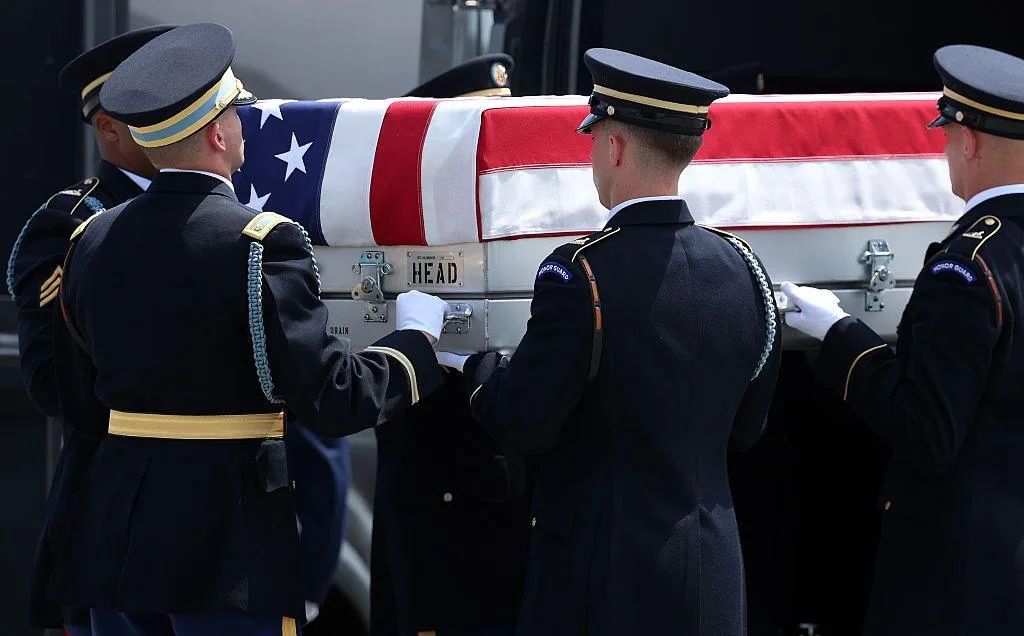
US military personnel have continued to sustain casualties since the conflict began earlier this year, with at least 624 wounded overall and 417 wounded in the ongoing Operation Epic Fury [1].
US military strikes against Iranian targets and Iranian-backed militias are expected to continue in the near term as tensions remain high following the July 28-29 hostilities.