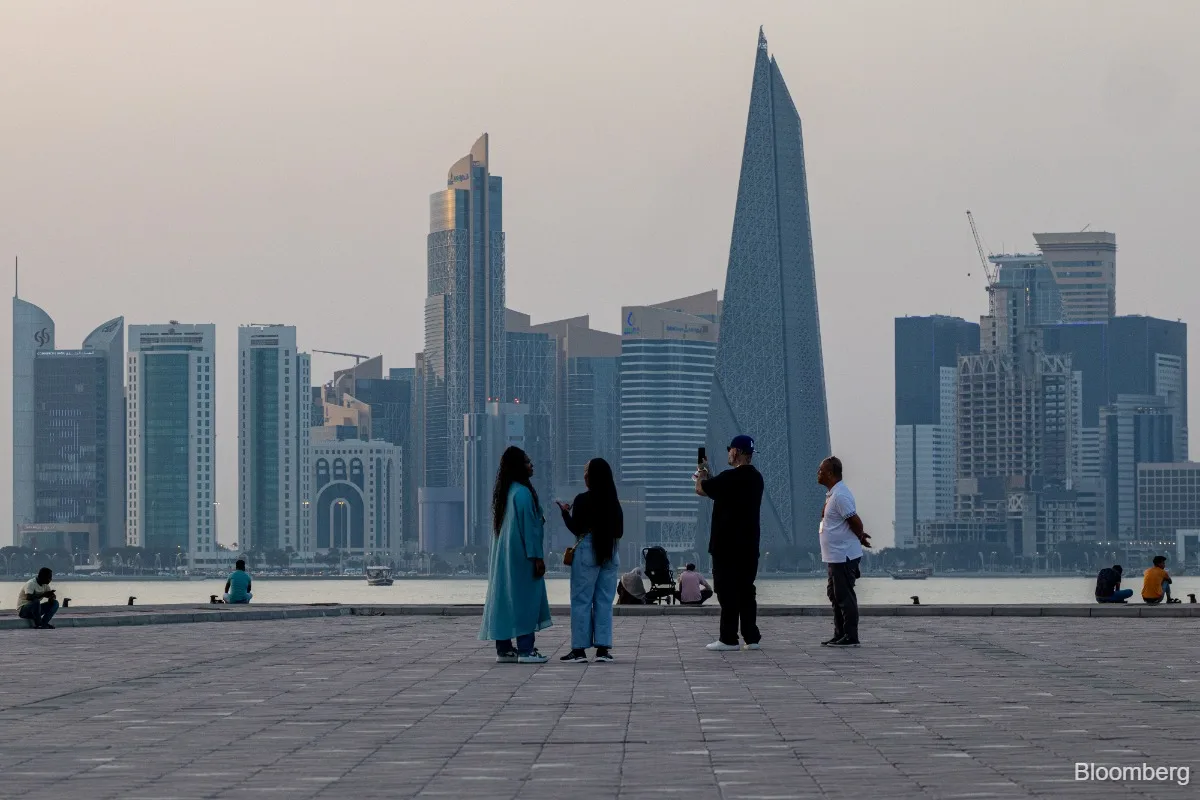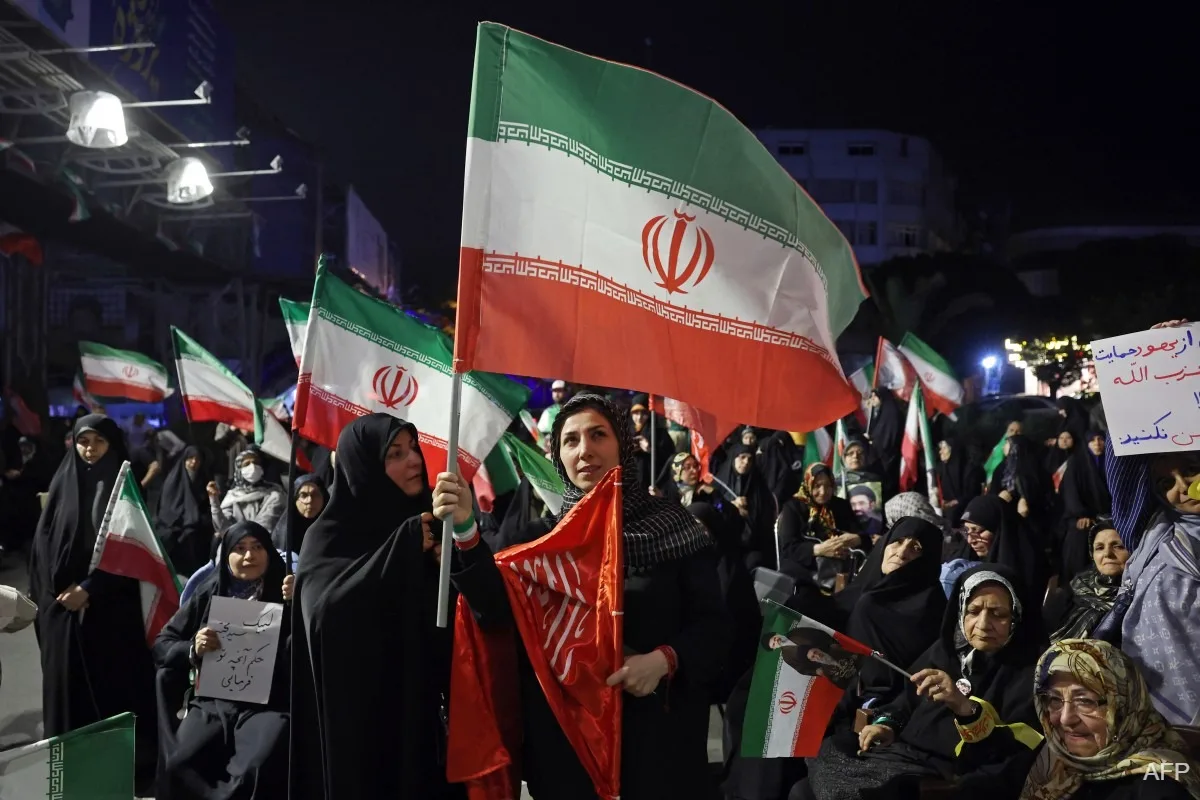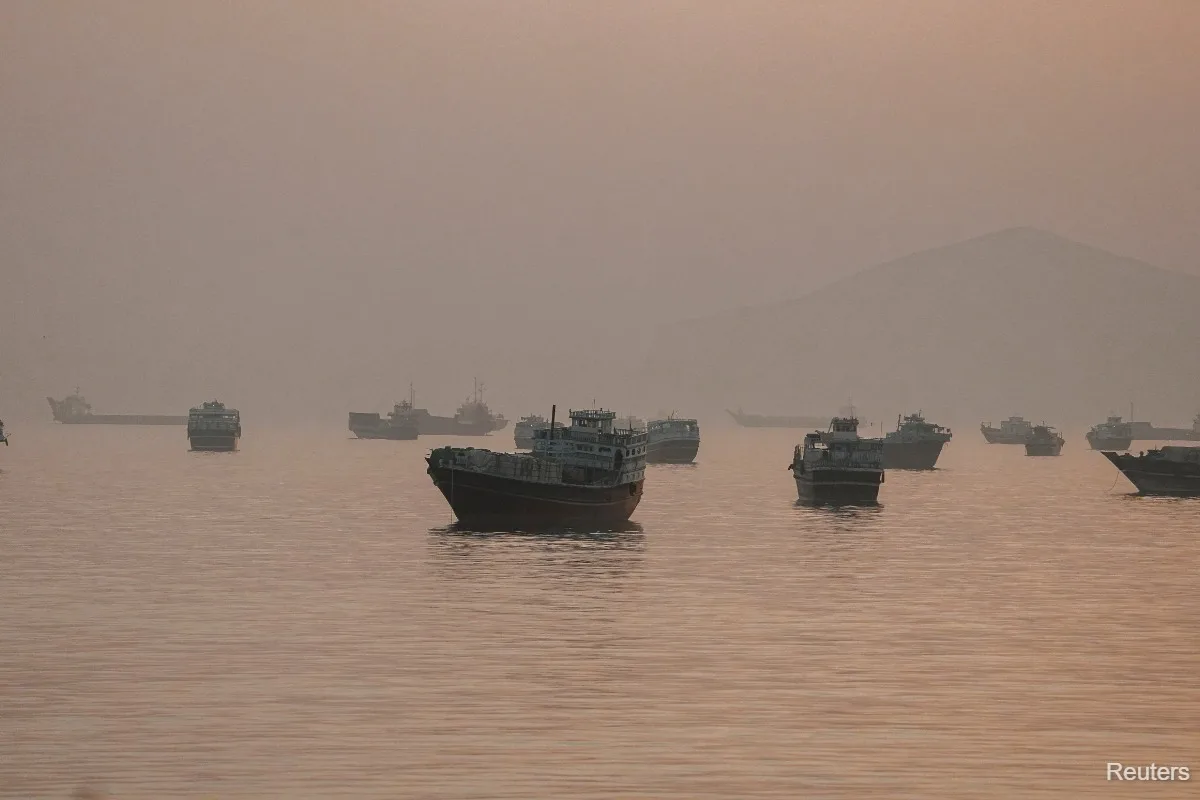
US and Iranian technical teams met in Doha in early July to discuss the implementation of a 14-point interim peace deal aimed at ending four months of conflict and reopening the Strait of Hormuz to shipping [1, 2, 3, 4]. The deal was signed on June 17 and included a ceasefire and commitments to ease tensions in the strategic waterway through which about 20% of the world's oil and liquefied natural gas passes [1, 2, 5, 6].
The interim accord provides a 60-day toll-free period for ships passing through the Strait of Hormuz. After that, Iran intends to impose fees for passage. Iran insists on maintaining control over the Strait, including overseeing which ships pass and their routes, despite US objections [5, 6, 7, 3]. Iranian Deputy Foreign Minister Kazem Gharibabadi said Iran seeks to negotiate jointly with Oman to manage the route but will proceed unilaterally if Oman refuses. He stated, "if for any reason Oman is not interested in doing so," Iran would take control itself [8, 5].
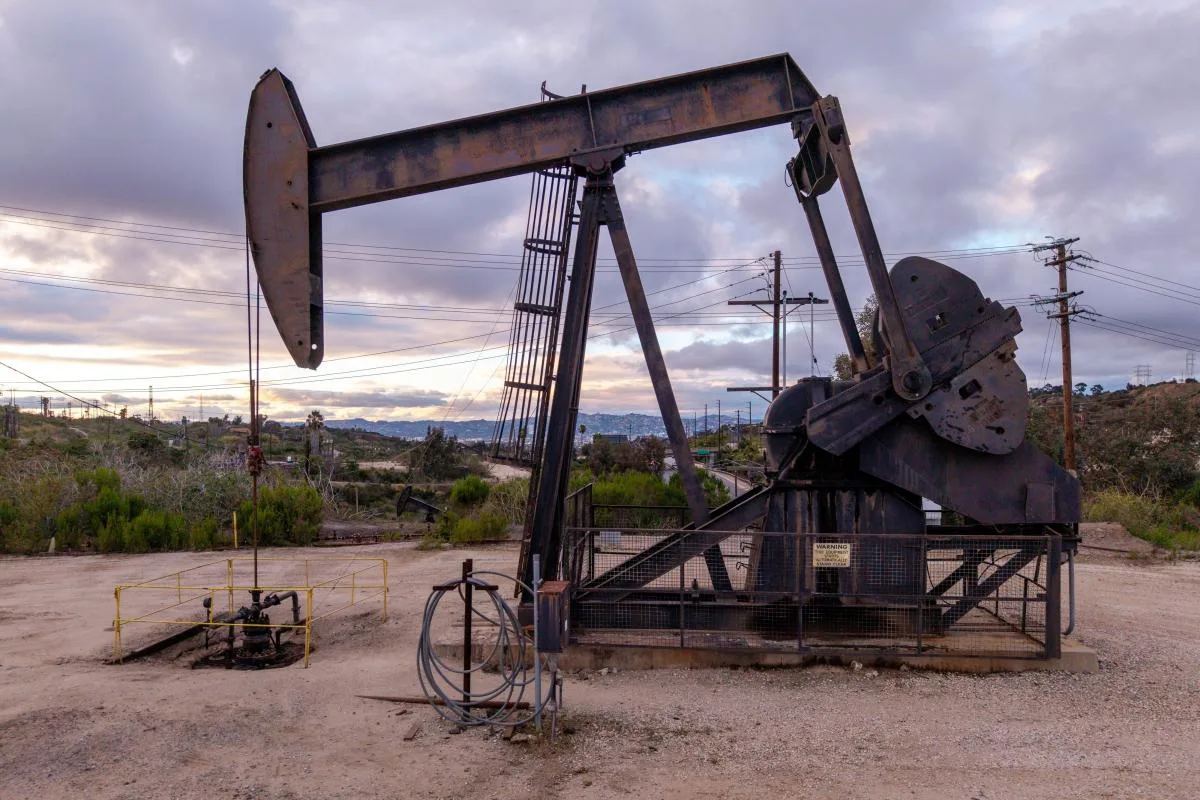
There have been recent tit-for-tat strikes on ships and sites near the Strait involving US and Iranian forces, escalating tensions in late June. Iran at one point threatened to halt talks following these clashes [1, 9, 4]. Oil prices briefly spiked above $100 per barrel during closures but stabilized around $70 to $73 after confirmation of resumed diplomacy [1, 2, 8].
US President Donald Trump and spokespeople confirmed the talks in Doha, attended separately by high-level US envoys Steve Witkoff and Jared Kushner alongside the technical teams. Trump said, "The denuclearisation of Iran is moving along well" and called the meetings "very good" [2, 3, 4].
On June 30, the Iranian deputy foreign minister reaffirmed Iran’s determination to control the Strait, emphasizing willingness to act even if Oman does not cooperate [8, 5]. China also weighed in on July 3, with Foreign Ministry spokesman Guo Jiakun urging "safe and unimpeded passage in the strait at an early date" to protect global oil supplies [10].
Under the deal, Iran will partially release $12 billion in frozen assets held in Qatar in tranches totaling $6 billion [1, 2]. The next scheduled engagement will be the follow-up technical discussions to finalize arrangements around shipping fees and maritime controls as the 60-day toll-free period progresses [6, 7, 3].