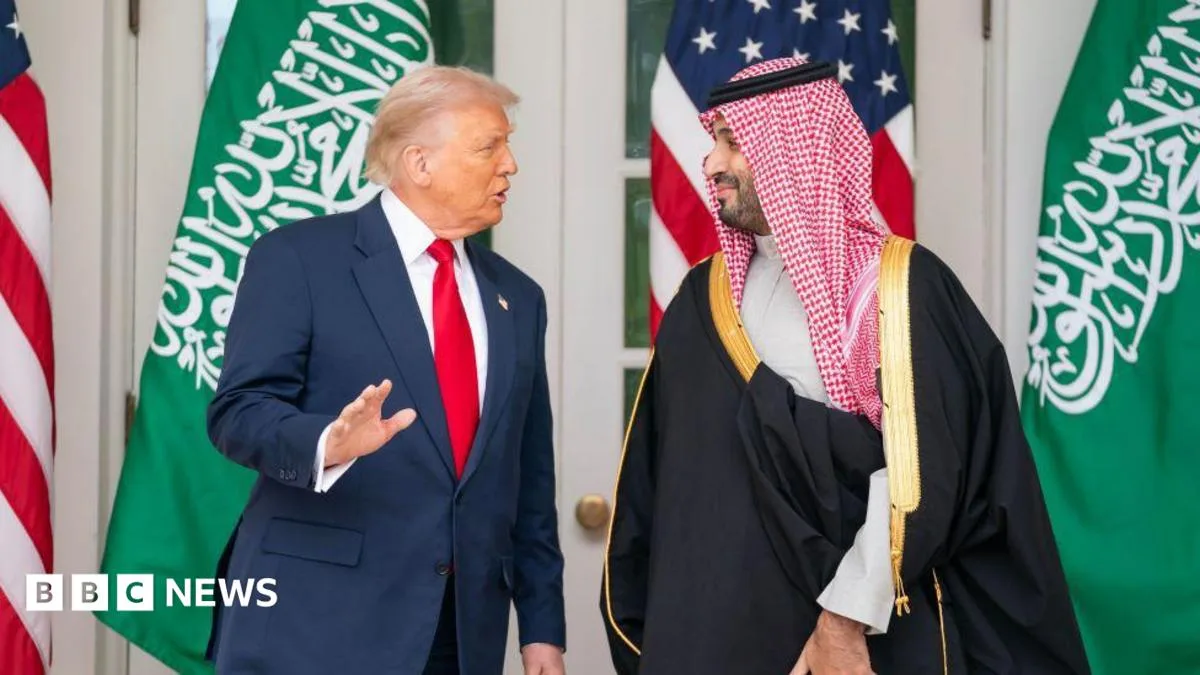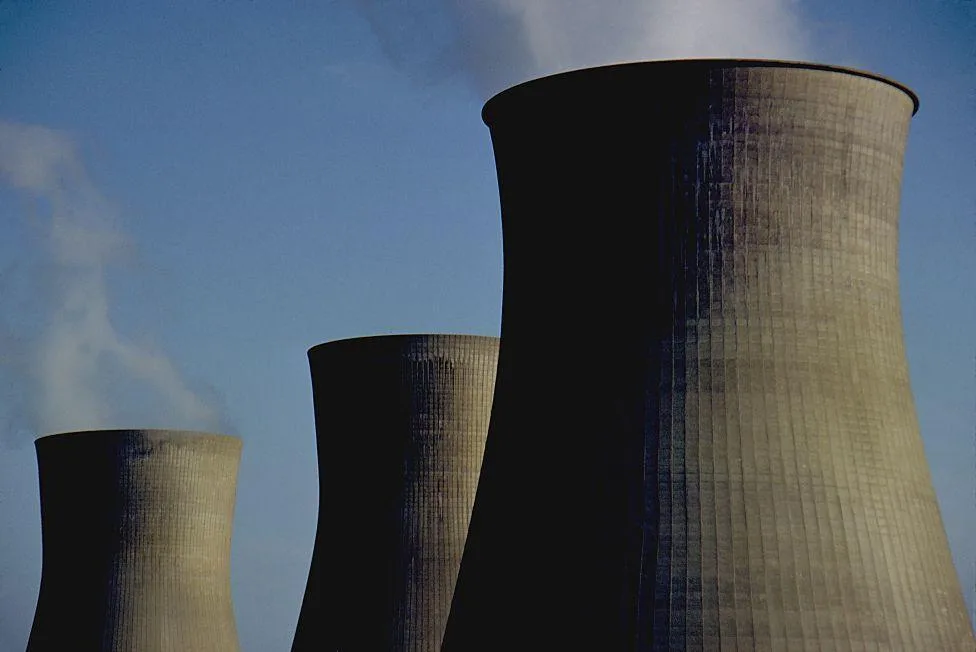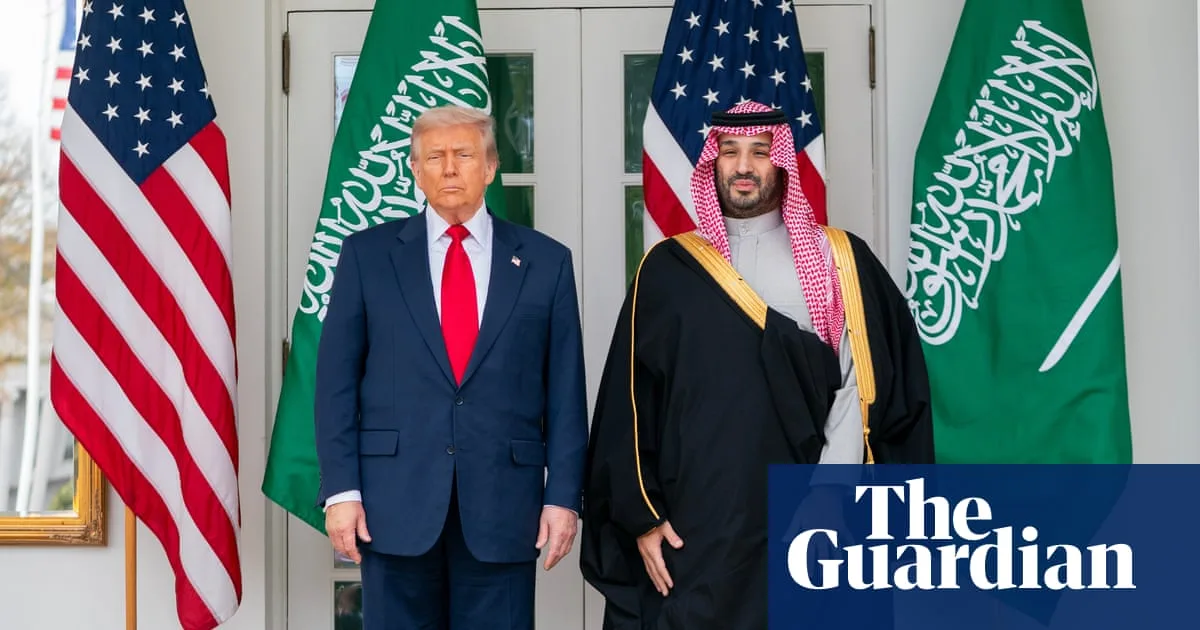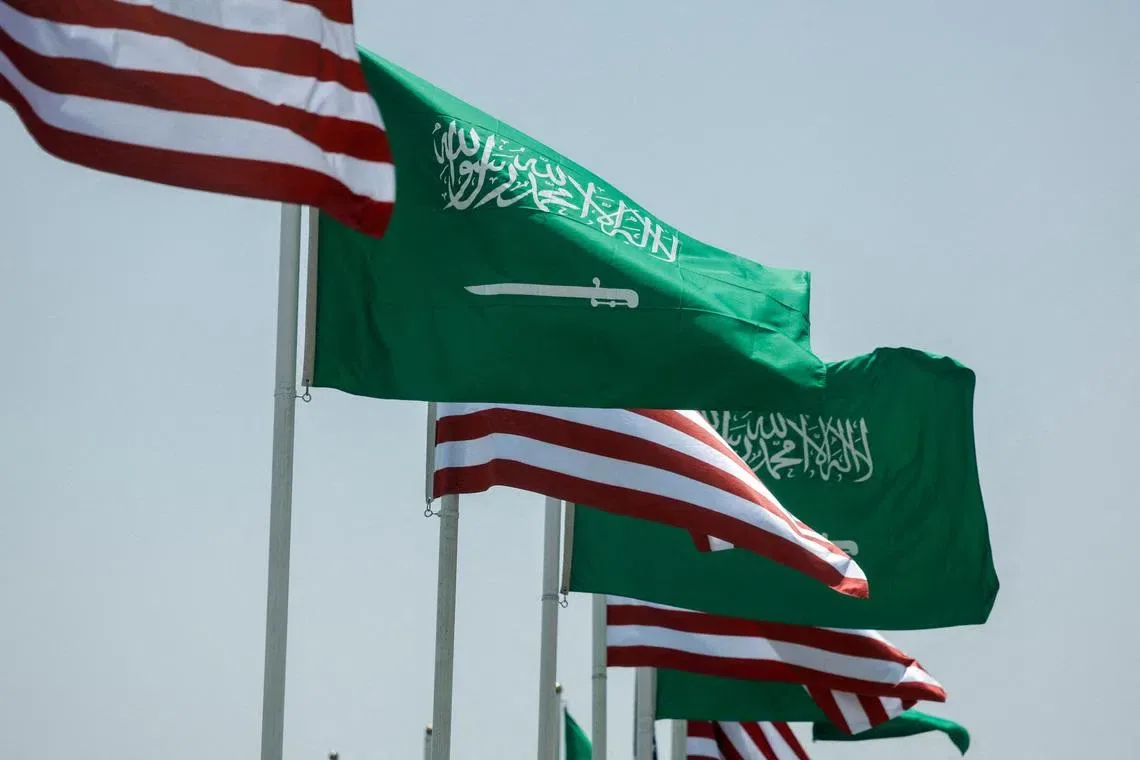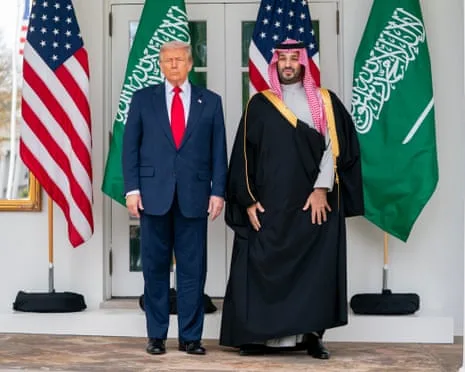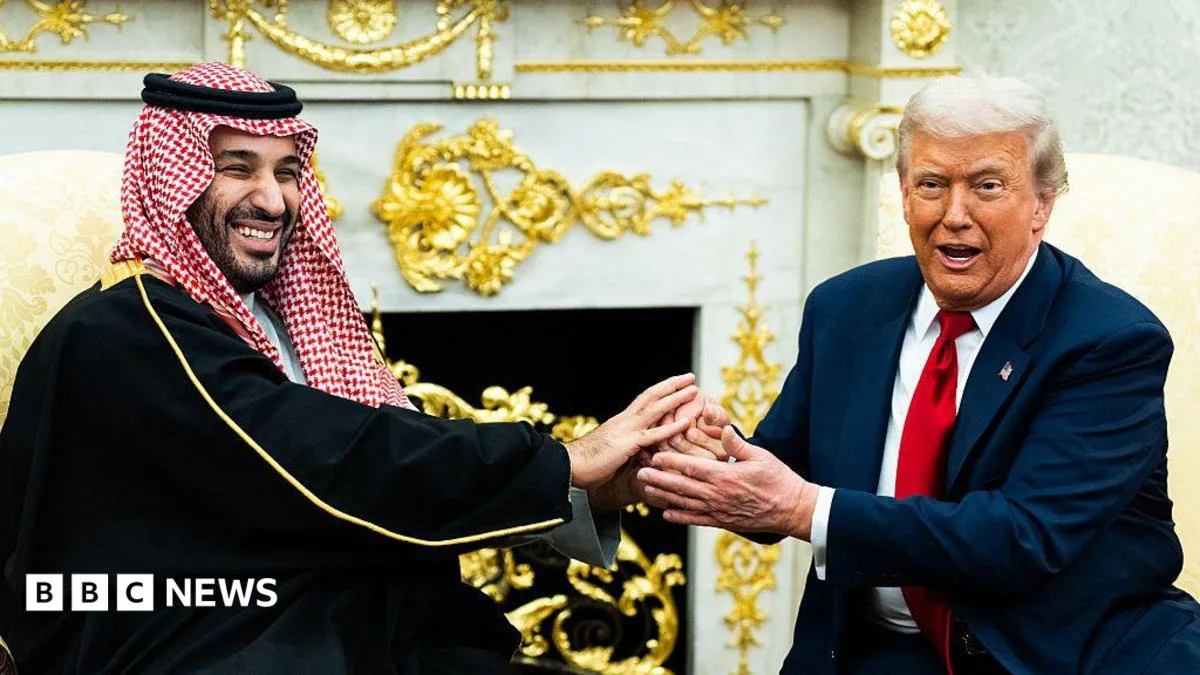
The United States and Saudi Arabia have signed a civilian nuclear cooperation agreement that could allow Saudi Arabia to develop a civilian nuclear program including uranium enrichment facilities, according to multiple sources [1, 2, 3, 4, 5]. The deal, approved by former President Donald Trump, is expected to last 30 years and authorizes US firms to assist in building Saudi Arabia's nuclear infrastructure, potentially including enrichment after a joint US-Saudi study [1, 2, 3, 4, 5].
US Energy Secretary Chris Wright and Saudi counterpart Prince Abdulaziz bin Salman signed the peaceful nuclear cooperation and bilateral safeguards agreements on July 22, formalizing the arrangement [2, 4, 5]. Wright said the agreements "reflect our two nations’ shared commitment to strengthening US-Saudi commercial relations, delivering prosperity at home and security to our allies abroad" [2]. Westinghouse CEO Dan Sumner called the deal a "landmark step" for energy security and US industry [2].
However, the agreement has sparked controversy. Unlike the US deal with the UAE, which includes strict non-proliferation terms forbidding uranium enrichment and mandates IAEA inspections, the Saudi deal lacks those stringent restrictions [1, 6]. Some lawmakers in the US and Israeli officials oppose the deal, fearing it could spur a Middle East nuclear arms race [1, 2, 7, 4, 6]. Former Israeli Prime Minister Naftali Bennett called it a "serious strategic failure" and former Defense Minister Avigdor Lieberman warned it could lead to a "crazy arms race" [7].
Trump publicly stated on social media that the deal would not include uranium enrichment and was limited to peaceful nuclear uses only if Saudi Arabia normalized relations with Israel under the Abraham Accords [8, 9, 10]. White House Press Secretary Karoline Leavitt said the normalization condition "is a condition that the president has spoken about many times with our Gulf and Arab allies" [10]. Saudi Arabia has not publicly responded to this condition and has refused to join the Abraham Accords [8, 11, 10].
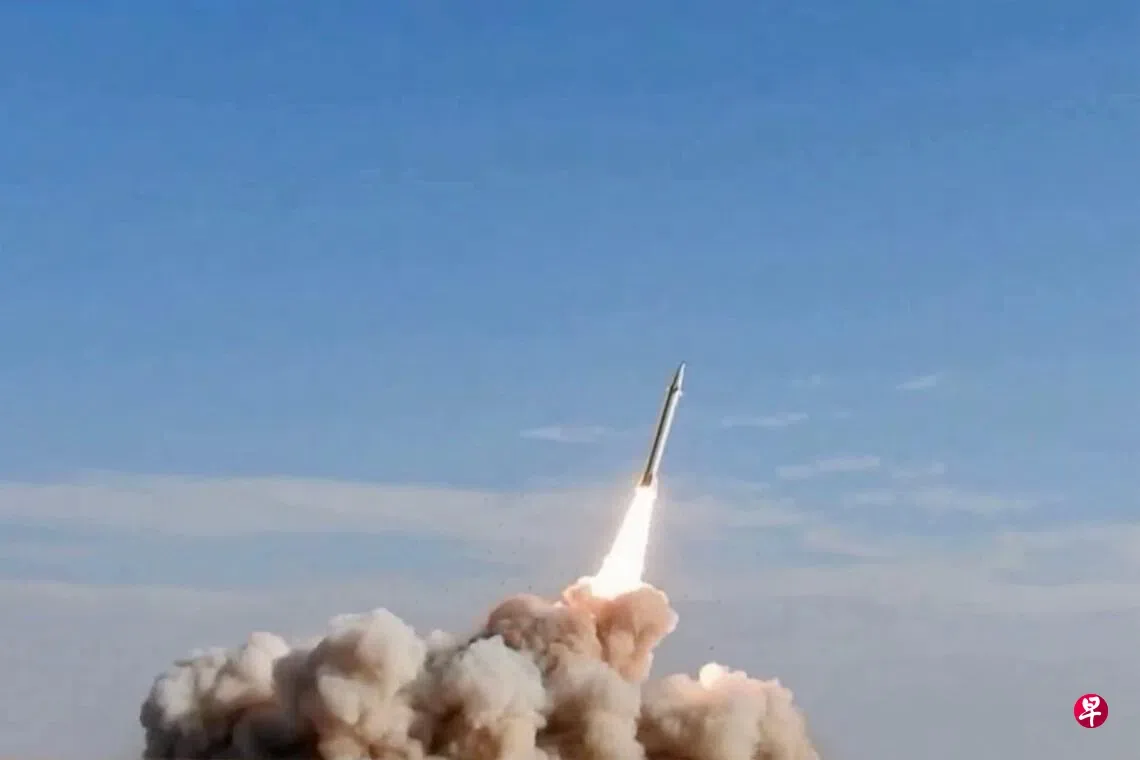
The deal's future depends on congressional review and approval. Trump conditioned moving forward on Saudi normalization with Israel, a stance meeting resistance as Saudi leaders have declined the demand [1, 8, 9, 11, 6, 10]. The agreement comes amid ongoing US efforts to prevent Iran's nuclear weapon development, with Saudi Crown Prince Mohammed bin Salman previously stating Saudi Arabia would likely develop nuclear weapons if Iran does so [1, 12, 7, 6].
The formal agreements were signed on July 22, with Trump linking the deal to Saudi-Israeli normalization publicly on July 23 and 24 [2, 8, 9, 11, 6, 10]. With congressional review pending, the next concrete step is the US legislative body's decision on whether to ratify the deal.