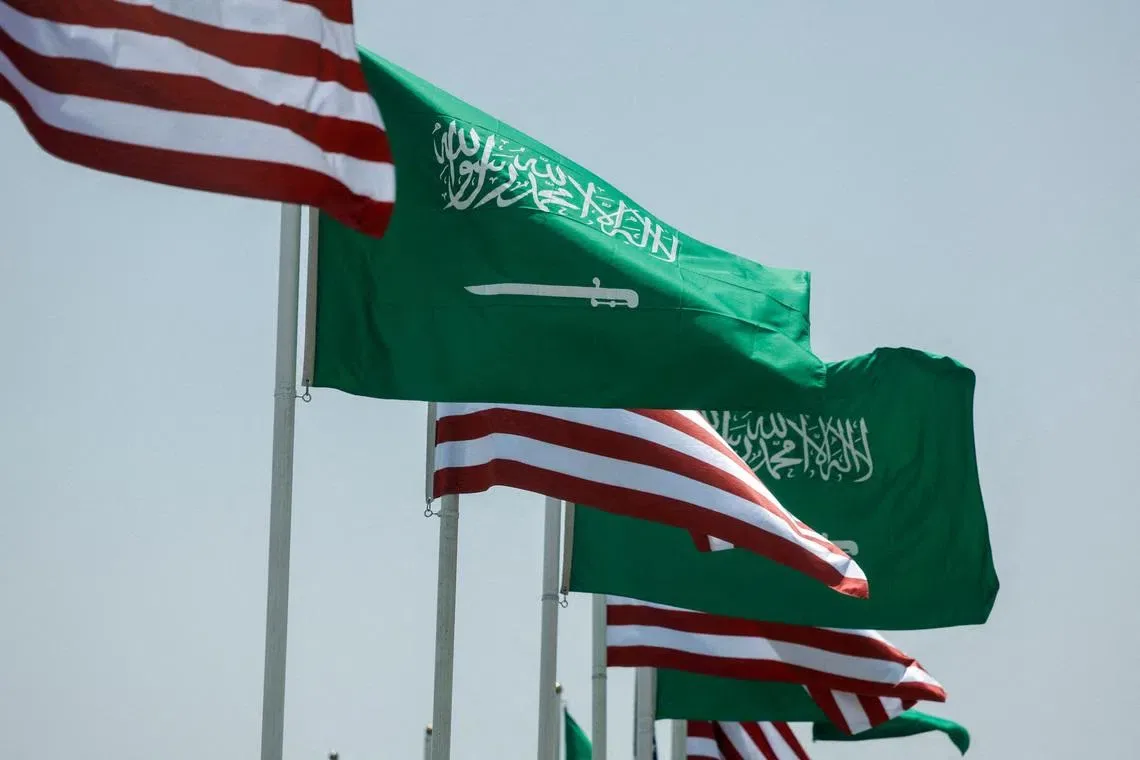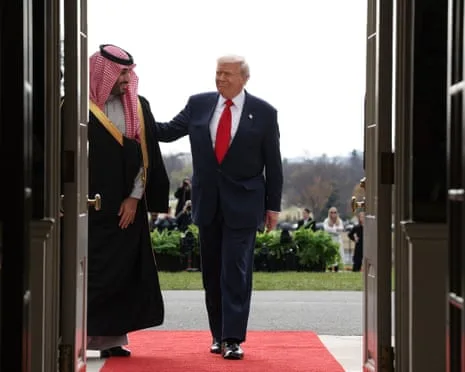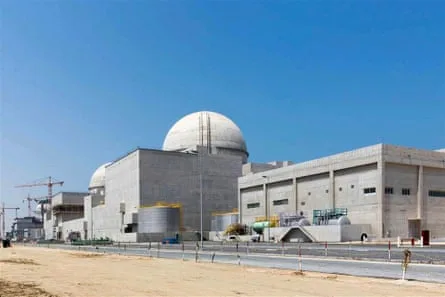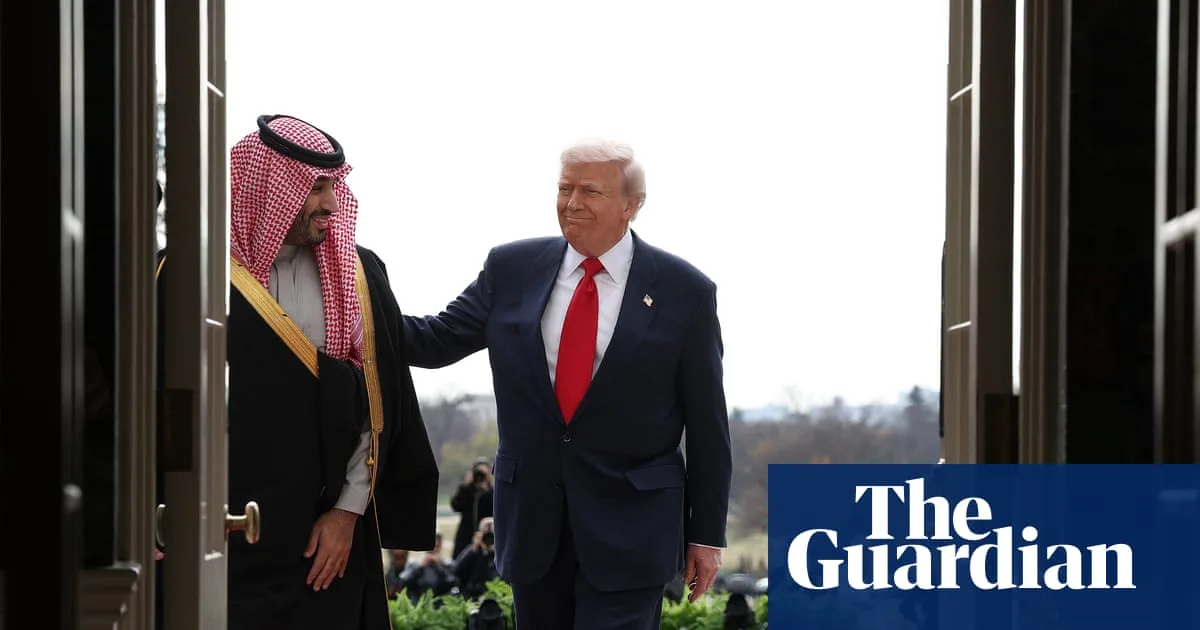
The United States and Saudi Arabia signed a civil nuclear cooperation agreement on July 22, 2026, permitting Saudi Arabia to build nuclear reactors using American technology and to enrich uranium domestically [1, 2, 3, 4, 5, 6, 7, 8]. Known as a 123 Agreement, it also includes a bilateral safeguards agreement but notably excludes the Additional Protocol, which allows for intrusive snap inspections by the International Atomic Energy Agency (IAEA) [1, 2, 3].
The deal allows Saudi Arabia to potentially reprocess nuclear waste, a capability that experts say poses potential pathways to weapons development [1, 2]. This marks a significant departure from previous US Gulf deals, such as that with the United Arab Emirates, which forbade uranium enrichment and reprocessing [1, 2, 6].
Saudi Crown Prince Mohammed bin Salman has stated that while the kingdom does not seek nuclear weapons, it would develop them if Iran does so [1, 2]. The US is currently engaged in a conflict aimed, in part, at preventing Iran from advancing its uranium enrichment program to a weapons level [4, 6, 7].
Democratic lawmakers have expressed strong opposition, warning the deal could trigger a regional nuclear arms race. Senator Edward Markey criticized it as allowing "a belligerent and authoritarian nation to develop nuclear weapons technologies," while Senator Chris Murphy said the accord "will set off a nuclear race in the region" [1, 2, 9, 6, 7]. Rosemary Kelanic of Defense Priorities called providing Saudi uranium enrichment technology "a terrible idea on many counts," especially amid ongoing tensions with Iran [3].
President Donald Trump publicly stated July 23 the deal is contingent on Saudi Arabia normalizing relations with Israel through the Abraham Accords and denied that enrichment would occur before such normalization. However, the US Energy Department did not confirm this condition, and the deal text has not been made public [9, 6]. This disagreement over timing of enrichment is a key point of contention [1, 2, 3, 9, 6, 7].
US Energy Secretary Chris Wright and Saudi Energy Minister Prince Abdulaziz bin Salman announced details on July 23 and submitted the deal to Congress for review [6, 8]. Under US law, Congress has 90 session days to object; otherwise, the agreement will go into force, subject to a two-thirds vote to override any presidential veto [1, 2].
The accord is expected to last 30 years and involve US companies like Westinghouse in developing Saudi Arabia’s nuclear program [3, 7].