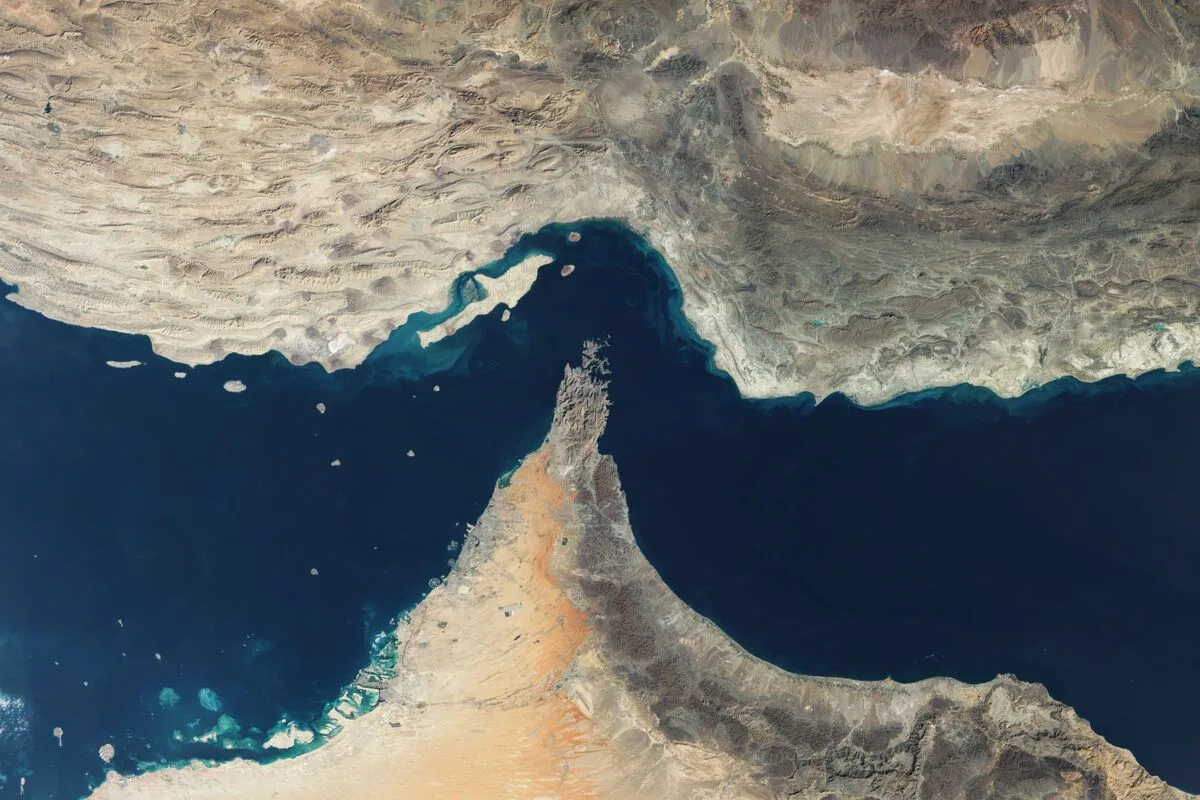
The United States and Iran have signed an interim peace deal aimed at ending hostilities and reopening the vital Strait of Hormuz shipping lane [1, 2, 3].
The agreement includes an extension of the ceasefire, the reopening of the Strait, and the lifting of the US naval blockade of Iranian ports [1, 4, 5]. It commits both sides to an immediate and permanent end to military operations on all fronts, including Lebanon, as outlined in a 14-point Memorandum of Understanding (MoU) [2, 5, 6].
The deal was electronically signed by US President Donald Trump, Iranian Parliament Speaker Mohammad Bagher Ghalibaf, and US Vice President JD Vance. A formal signing ceremony took place June 19 in Switzerland, with a hard copy signed later at the Palace of Versailles in France during the G7 summit [1, 7, 3, 8, 9]. President Trump said, "I am very happy to say it's signed, the deal is all signed," adding "Let the oil flow!" [4, 3].
The agreement includes a $300 billion reconstruction and economic development plan for Iran, although the US is not obligated to provide direct funding [10, 6, 9]. Technical-level talks on Iran’s nuclear program will begin immediately, with a 60-day extendable timeframe to negotiate a comprehensive final deal [2, 3, 10]. The US insisted Iran will never develop nuclear weapons under this deal, though detailed protocols are still to be worked out [4, 10].
Iranian officials expressed cautious optimism but retained some mistrust. Foreign Ministry spokesman Esmaeil Baghaei said, "we will have to wait and see about the exact date of the signing ... although it will not be tomorrow" [2]. Parliament Speaker Ghalibaf warned, "If the enemy does not understand the language of logic, we will enter again with the language of power" [9].
Israel strongly opposed the deal. National Security Minister Itamar Ben-Gvir said, "We are not partners to this agreement that does not ensure our security," with Prime Minister Netanyahu also expressing concerns and plans to maintain military operations as needed [11, 3].
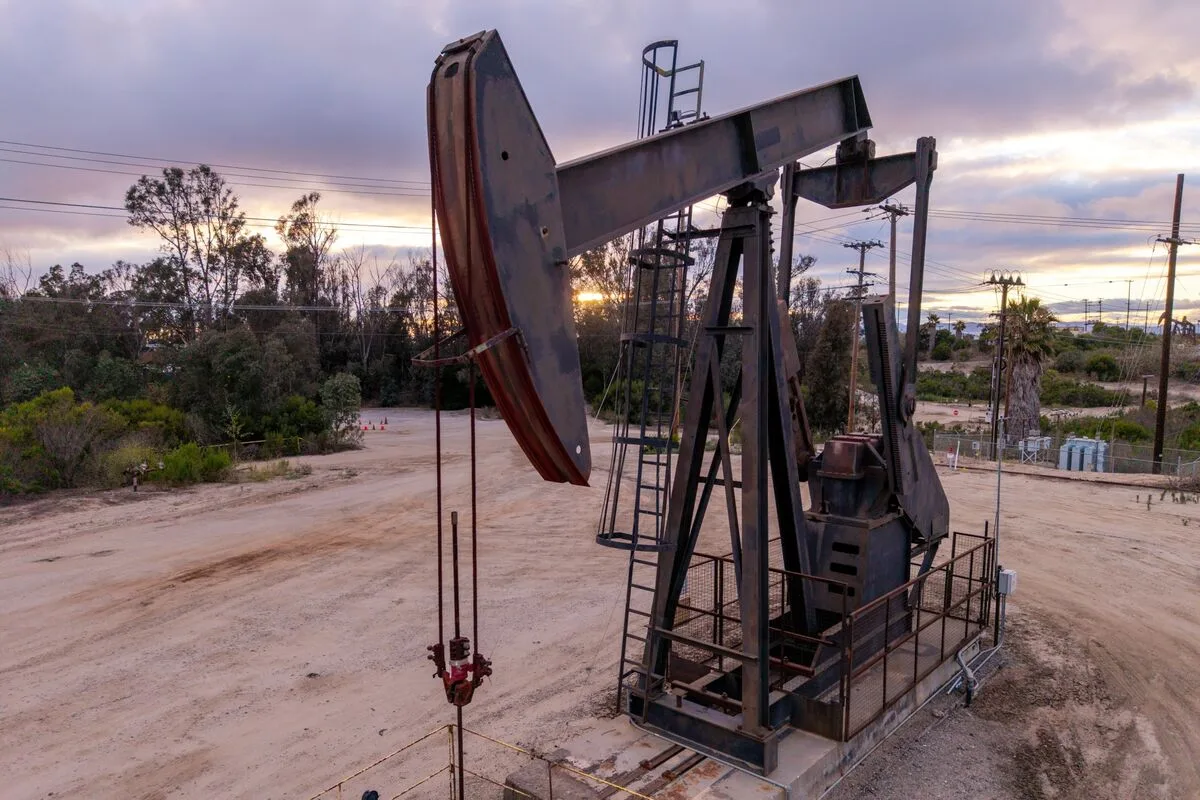
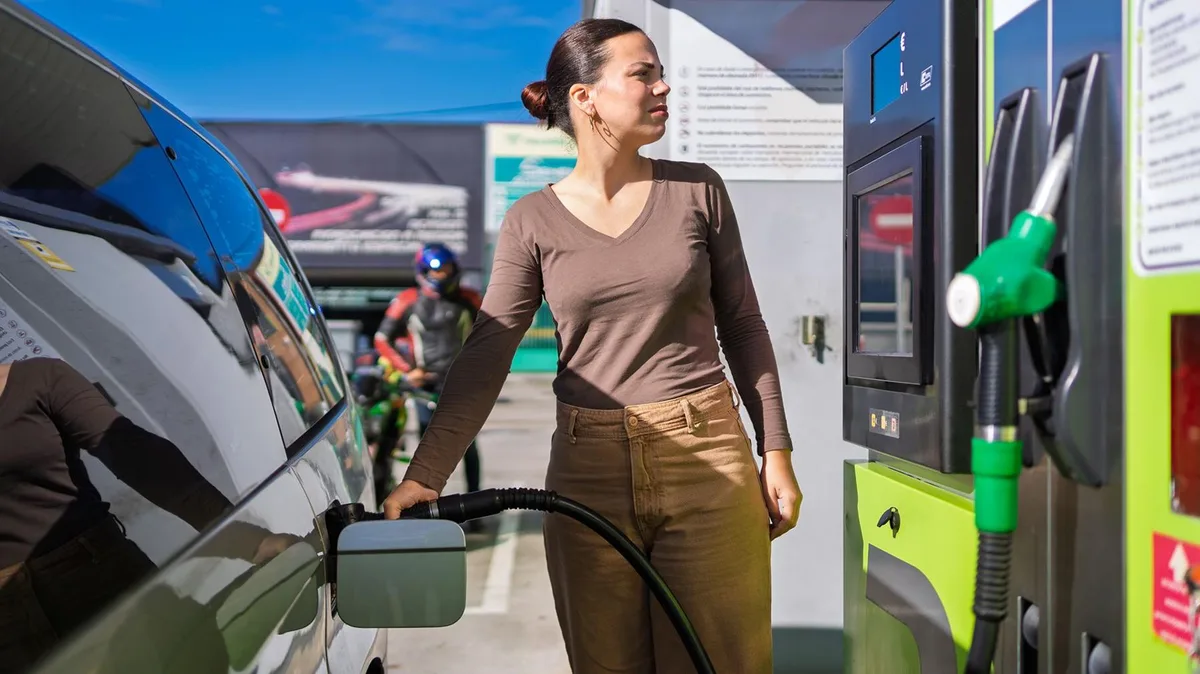
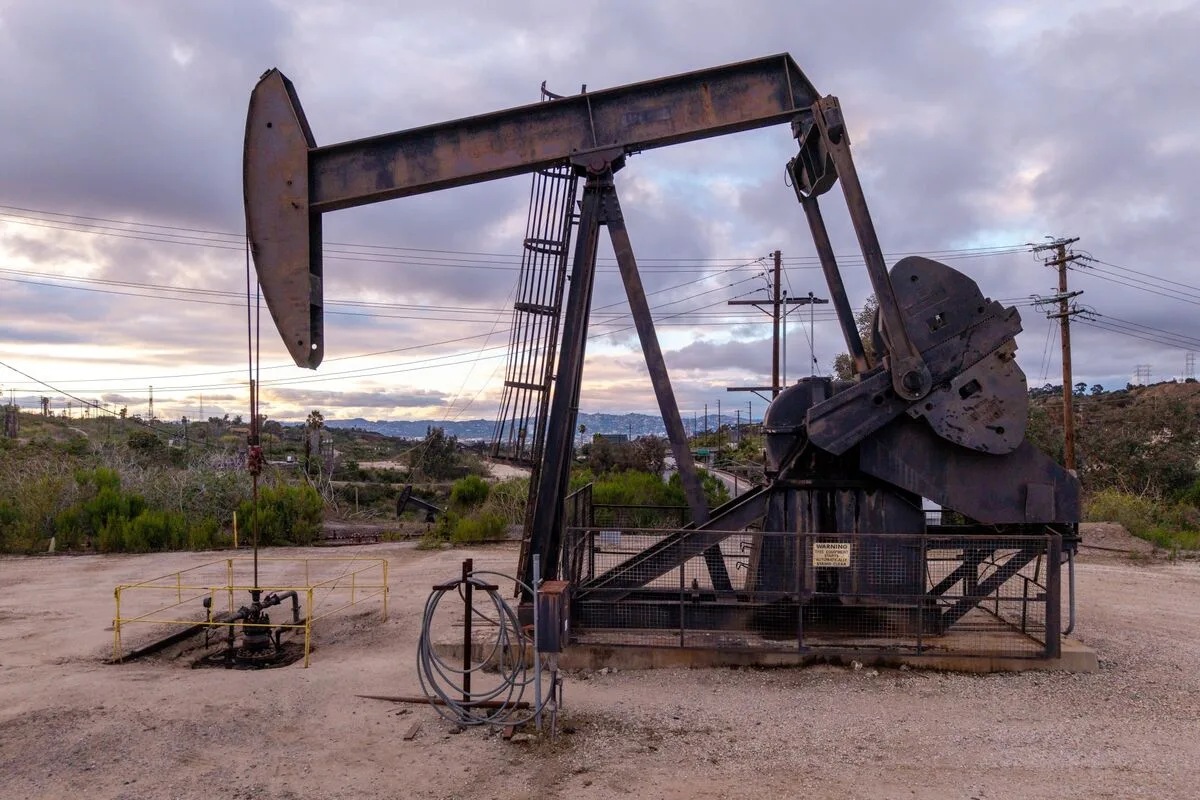
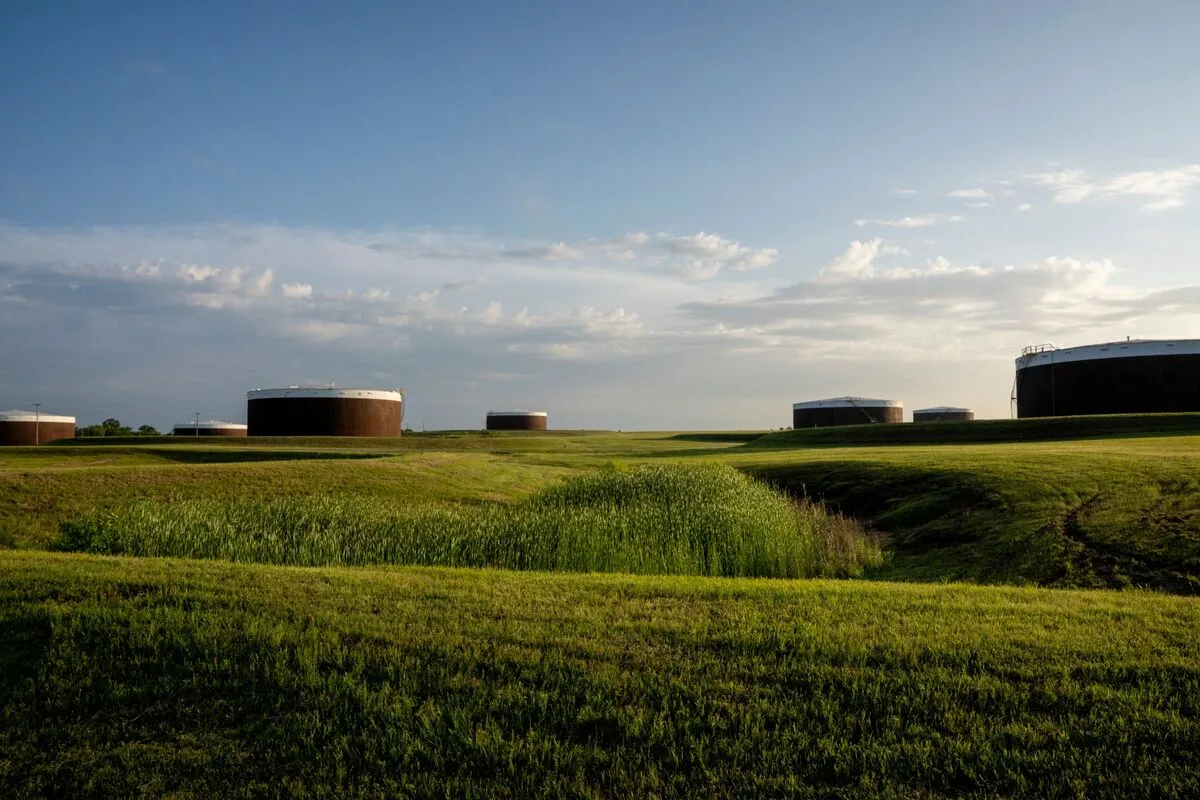
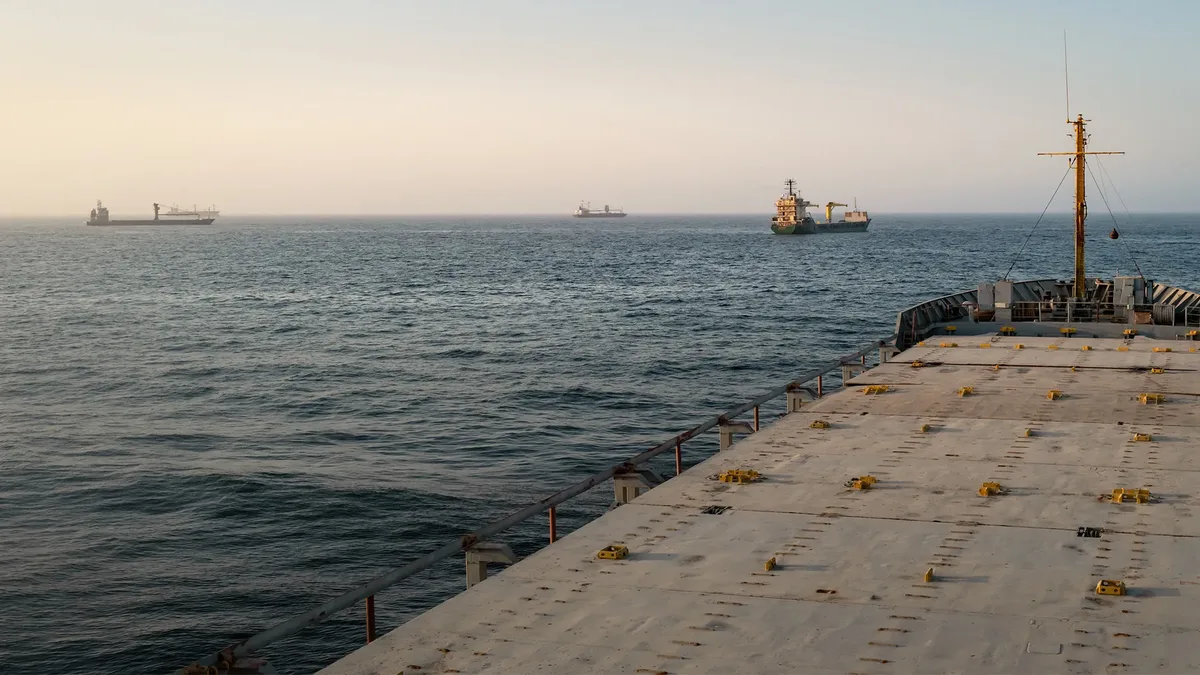
The war between the US, Israel, and Iran started February 28 with regional strikes that led to closure of the Strait of Hormuz and escalating conflict [2, 5, 9]. Oil prices fell after the deal announcement, with Brent crude down 4% to $83.81 per barrel. Experts warned full reopening may take weeks or months due to mine clearance and tanker backlogs [7, 12].
Technical talks on Iran's nuclear program and detailed negotiations will continue during the 60-day ceasefire extension period following the signing [2, 10, 6, 9].