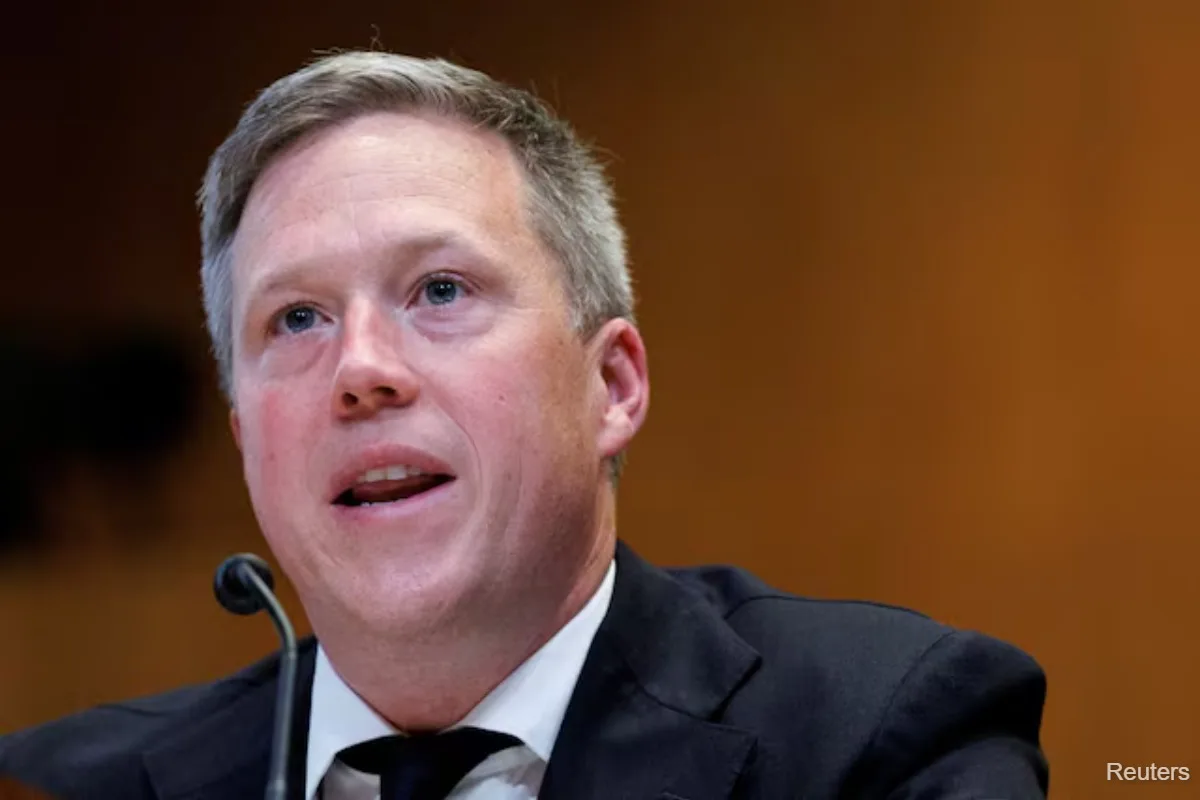
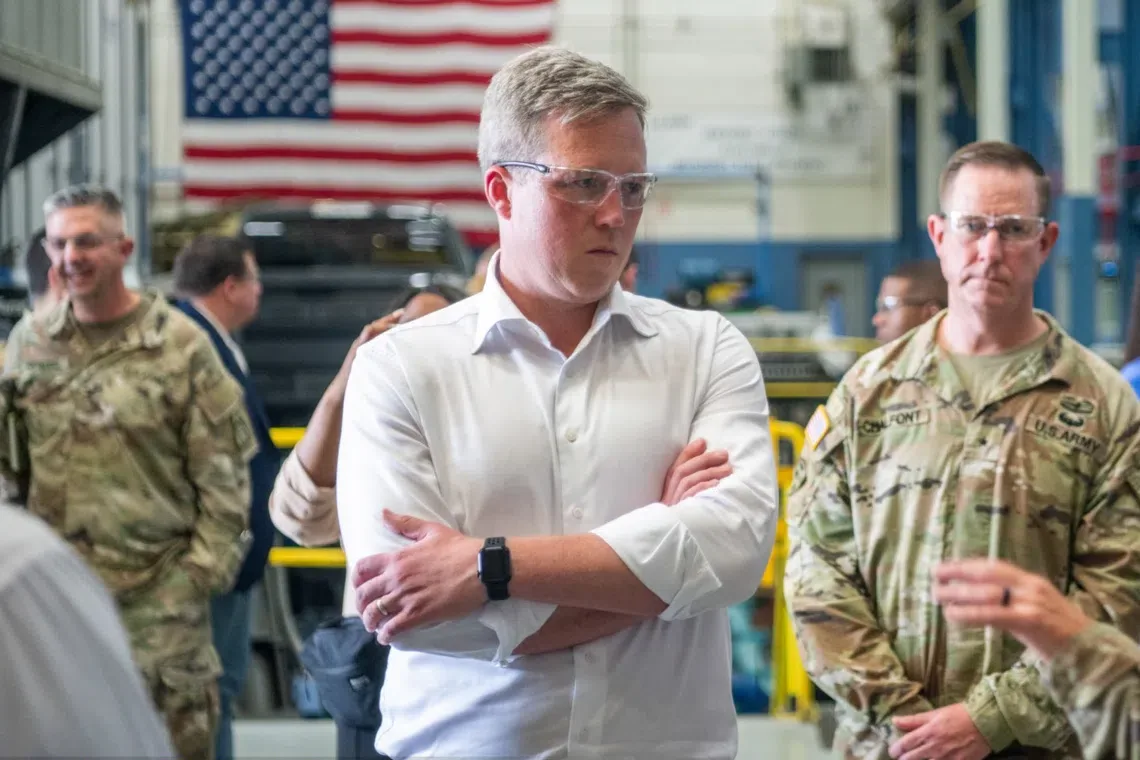
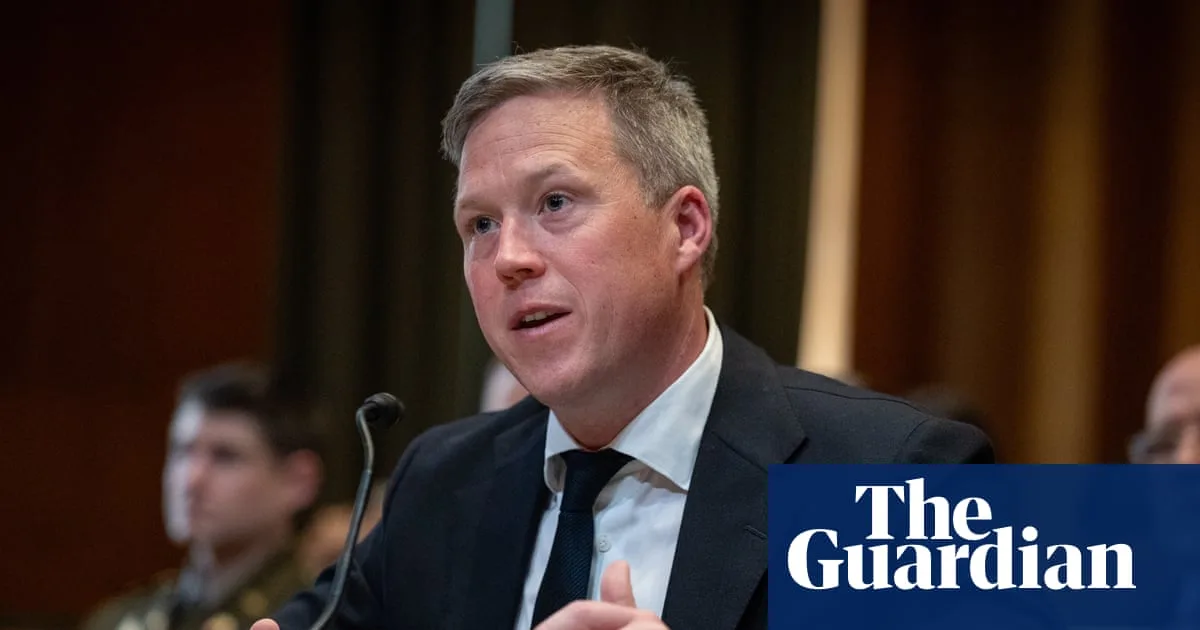
Dan Driscoll, confirmed as US Army Secretary in February 2025 at age 38, resigned after 18 months on the job amid rising tensions with Defense Secretary Pete Hegseth [1, 2, 3]. Driscoll was the youngest person ever confirmed for the post, winning Senate approval 66-28 [1, 2].
The dispute between Driscoll and Hegseth centered on Army transformation, readiness priorities, and personnel decisions. Hegseth fired Army Chief of Staff General Randy George, a close Driscoll ally, in April 2026 [1, 4, 5]. Other senior Army leaders, including General Christopher Donahue, stepped down or were ousted under Hegseth’s leadership [1, 6, 7]. This included a roughly 20% reduction in four-star generals, raising concerns about the erosion of Army leadership [5].
Driscoll had emphasized modernization efforts, pushing for faster drone acquisition and supporting peace talks aimed at ending the Russia-Ukraine war [1, 3, 4]. He also criticized large defense contractors and advocated for more agile weapons procurement [3]. Driscoll maintained a close relationship with Vice President JD Vance, a longtime friend and Yale Law classmate [1, 2].
The White House acknowledged Driscoll’s resignation, with spokesperson Anna Kelly praising his leadership and contribution to readiness and ongoing military operations. Kelly said, "Secretary Driscoll has been highly effective in advancing President Trump’s agenda... providing outstanding leadership during historic military operations, restoring an emphasis on readiness and lethality, assisting with negotiations between Russia and Ukraine, and more" [1].
Driscoll submitted his resignation to President Donald Trump in late August 2026 [1, 2]. Following his departure, the US Army will temporarily lack any Senate-confirmed civilian or military leaders [2, 5]. Dave Fitzgerald, deputy undersecretary focused on Army innovation and close to Driscoll, is also expected to resign soon [3, 5].
Senator Jack Reed sharply criticized Defense Secretary Hegseth on September 1, warning that Hegseth’s leadership is causing lasting harm by pushing out experienced commanders and punishing dissent. Reed said, "It is far past time for President Trump to recognize the lasting harm that Pete Hegseth is inflicting... Secretary Hegseth is cultivating a culture where dissent is punished and competence is secondary to personal allegiance" [4].
These personnel changes unfold amid ongoing US military engagements, including conflicts in the Middle East involving Iran [2, 7]. Driscoll had previously denied plans to resign, stating, "I have no plans to depart or resign as the Secretary of the Army" before his departure announcement [4].