The US Climate Prediction Center (CPC) forecasts a very strong El Nino event with an 81% chance of peaking during October to December 2026 and a 97% chance it will persist through early spring 2027 [1, 2, 3]. Sea surface temperatures in the Nino 3.4 region of the equatorial Pacific Ocean are currently 1.2 degrees Celsius above average, signaling a developing event of significant intensity [2, 4, 5].
This El Nino is expected to rank among the largest since reliable records began in 1950, based on its predicted strength [1, 2, 4]. Tim Stockdale, an expert at the European Centre for Medium-Range Weather Forecasts, said, “It would be a very, very big surprise if the event failed to be a record-breaker.” [1] The Japan Meteorological Agency also confirmed the event has been active since spring 2026 and will persist through northern hemisphere autumn with 100% probability, expecting it to reach a "strong" level [6].
El Nino events typically peak between November and February, though global temperature increases often lag behind the peak [6, 5, 7]. June 2026 was the second hottest globally on record for that month, with ocean surface temperatures at record highs—conditions consistent with the evolving El Nino [2].
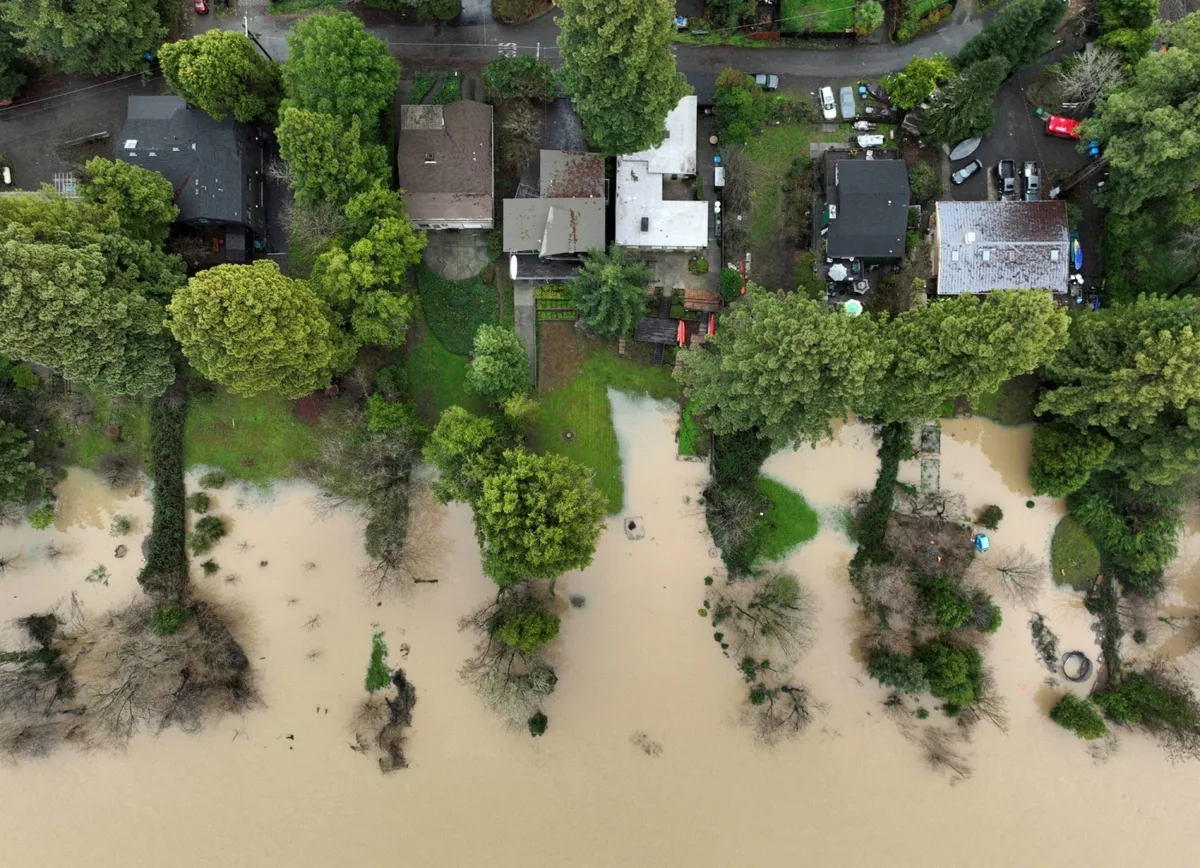
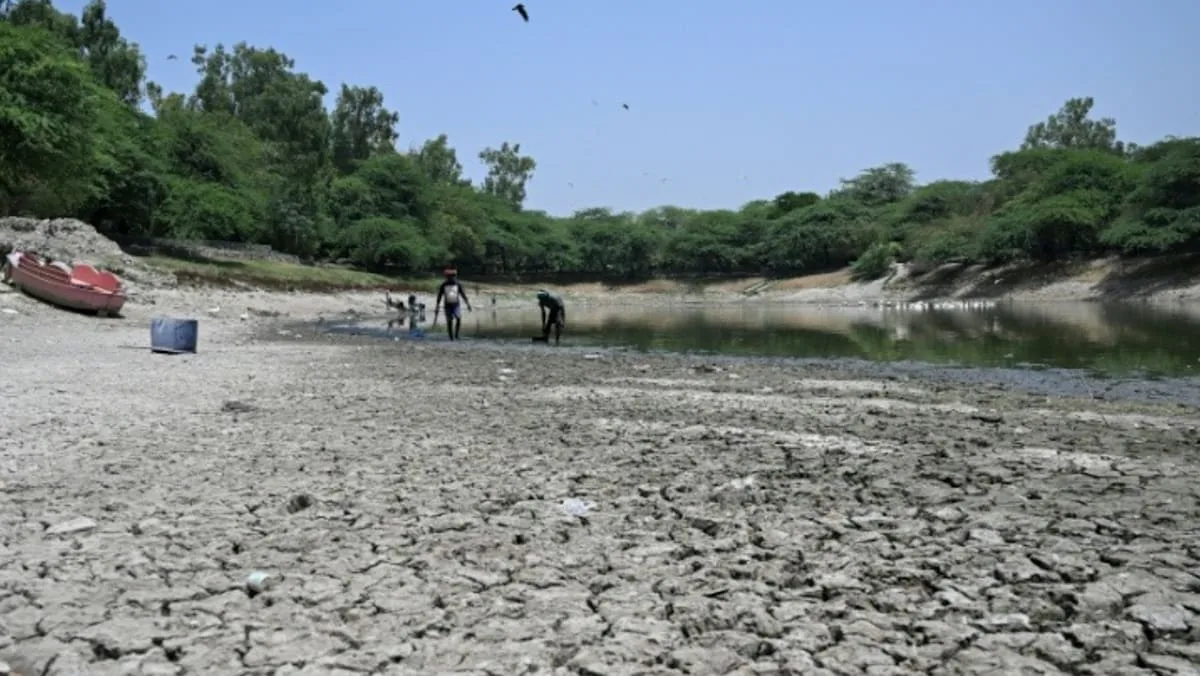
El Nino influences global weather patterns. It typically brings droughts to Australia, wetter winters to East Africa and the southern US, and mixed effects across other US regions [1, 4, 3]. In the US, El Nino can relieve drought in parts of California while causing drying in others [1, 3]. There is some evidence El Nino increases the chance of cold late-winter conditions in parts of northern Europe, though those links are less certain [1, 4, 3].
Isla Simpson, a climate scientist at the US National Center for Atmospheric Research, explained that global warming increases the scale and intensity of El Nino and La Nina events. "There’s quite a lot of evidence from our models that global warming increases the variance of El Nino, so you get bigger El Nino events and also bigger La Nina events," she said [1]. Simpson also noted, "Most likely, what we’ll see are the canonical El Nino teleconnections, but in any given event, things can deviate from that just because we have all of these random uncertainties" [4].
The typical duration of El Nino events ranges from 9 to 12 months, with onset usually between March and June [6]. With the event now underway, forecasters will continue monitoring sea surface temperature changes and associated impacts over the coming months.
The next key period to watch is the October to December 2026 peak, when the strongest effects are expected globally and regionally.