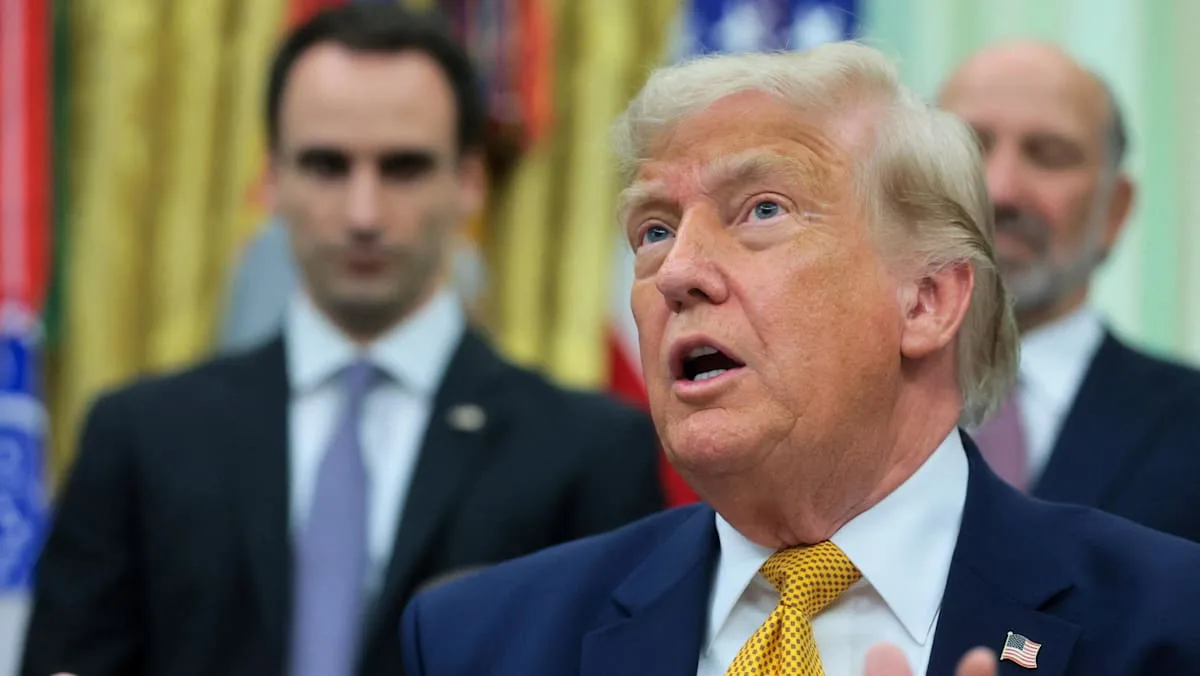
US President Donald Trump announced on June 27 that US warplanes targeted multiple Iranian military sites, including missile and drone storage areas as well as coastal radar stations, citing Iran’s breach of a ceasefire agreement signed June 19 regarding the Strait of Hormuz navigation and hostilities [1, 2, 3, 4]. The strikes came in retaliation to Iranian drone attacks the previous day on at least two commercial vessels passing through the Strait, the Panama-flagged oil tanker Kiku carrying about 2 million barrels of oil, and the container ship Ever Lovely [1, 3, 4]. US Central Command stated the airstrikes hit Iranian surveillance, communications, air defense, drone storage, and minelaying capabilities tied directly to aggression against commercial shipping [1, 3, 4, 5].
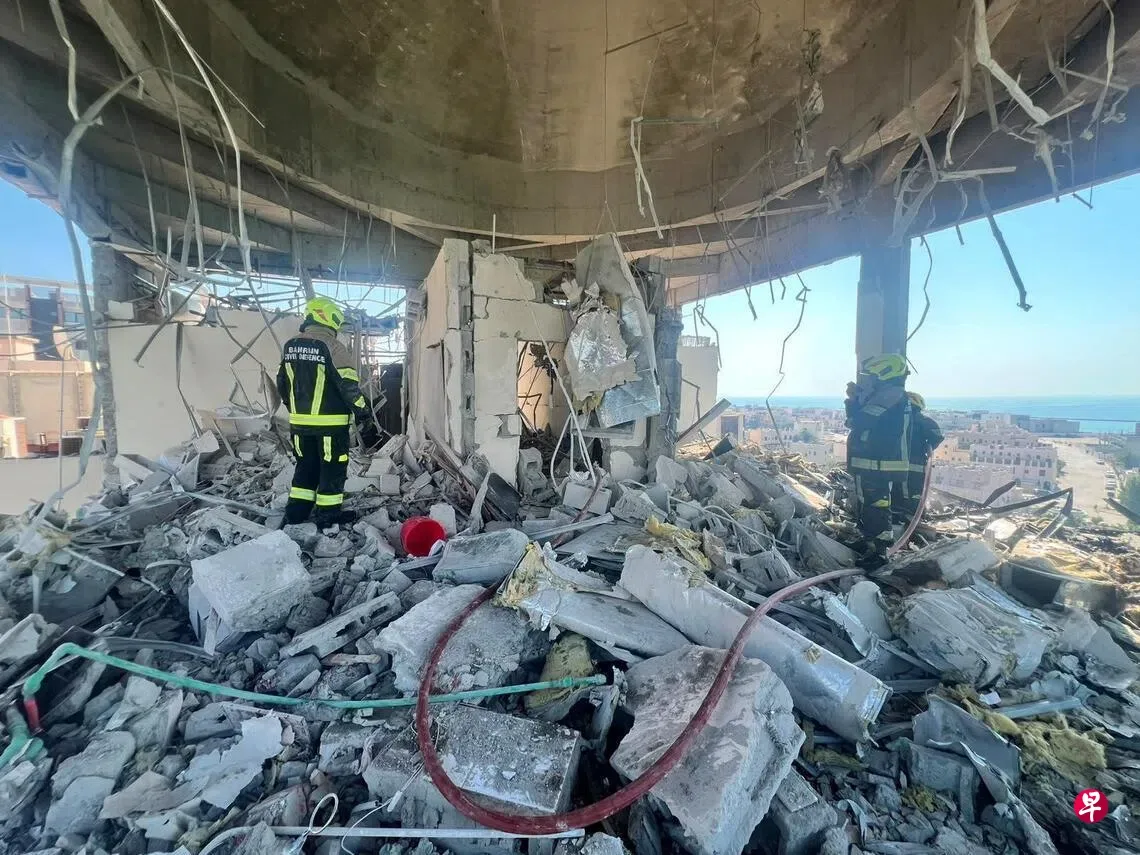
Following the US strikes, Iran’s Revolutionary Guards launched missile and drone attacks against US military installations in Kuwait’s Ali Al Salem Air Base and US Fifth Fleet facilities in Bahrain overnight June 27-28 [1, 3]. Bahrain’s military reported intercepting and destroying the incoming Iranian missiles and drones, condemning Iran’s actions as sabotage of peace efforts [1, 3]. Iranian state TV reported explosions and damage to communications infrastructure during the conflict in southern Iran’s Sirik and Qeshm areas on June 28 early morning [3, 5].
Iranian Foreign Minister Araghchi warned that any external intervention in the Strait of Hormuz would escalate tensions and delay reopening, placing the responsibility for restoring navigation on Tehran per the ceasefire memorandum [1]. Mohsen Rezaei, a top military adviser to Iran’s Supreme Leader, accused the US of deliberately escalating tensions in the strait and warned Iran would respond decisively to any further ceasefire violations [5].
In a forceful social media message on June 27, Trump cautioned that if forced to resume military action, the US would “completely finish the job” and Iran “will no longer exist,” emphasizing US resolve to enforce the ceasefire [1, 2, 3, 4].
The ceasefire agreement was struck June 19 after prolonged regional tensions. However, the Iranian drone strikes on June 26 marked the most serious breach so far, swiftly followed by US retaliation [1, 4, 5]. Meanwhile, Israel launched strikes on Hezbollah targets in Lebanon in related regional conflict developments through June 28. Israeli Prime Minister Netanyahu reaffirmed that Israel would not withdraw troops from Lebanon until Hezbollah is disarmed under a trilateral framework with Lebanon and the US [1, 3, 5]. Hezbollah leader Naim Qassem condemned the agreement as a betrayal of Lebanon’s sovereignty [1].
The recent exchanges underscore an escalation centered on control of the Strait of Hormuz and regional military presence. US President Trump and Iranian officials have made stark warnings reflecting the high stakes. The situation remains volatile after the missile and drone responses on both sides.
The ceasefire memorandum signed June 19 remains the latest formal attempt to ease hostilities. Saudi and Gulf naval patrols continue monitoring shipping lanes for further incidents. Further diplomatic or military developments are expected in the coming days.