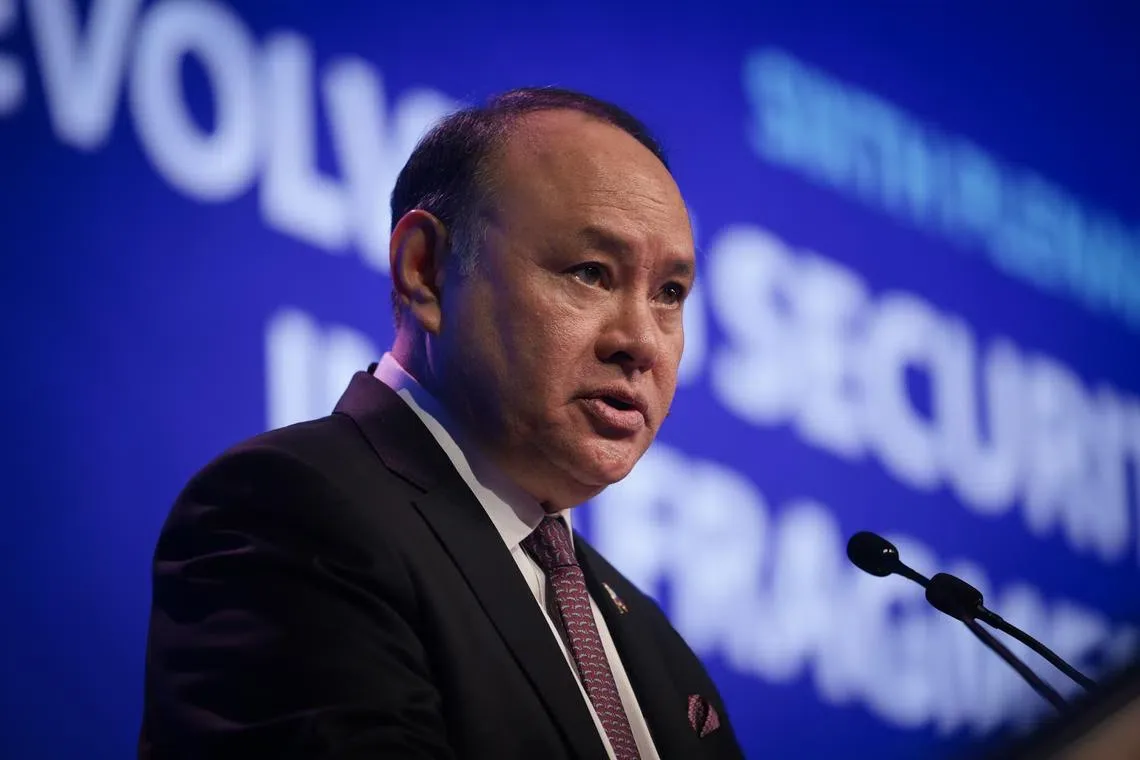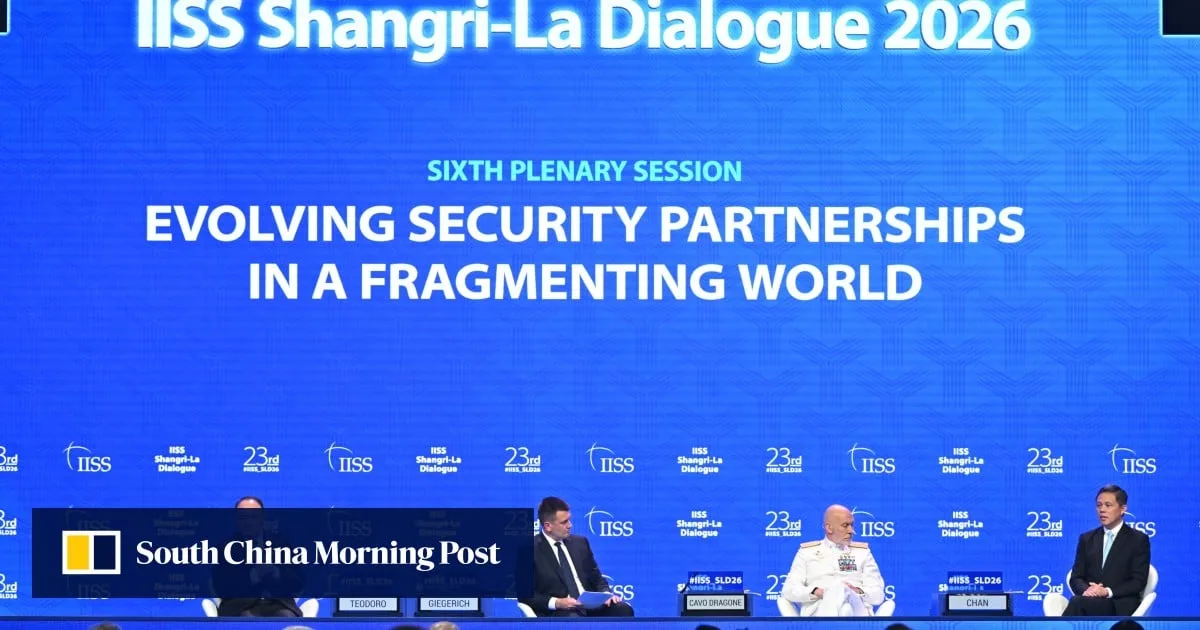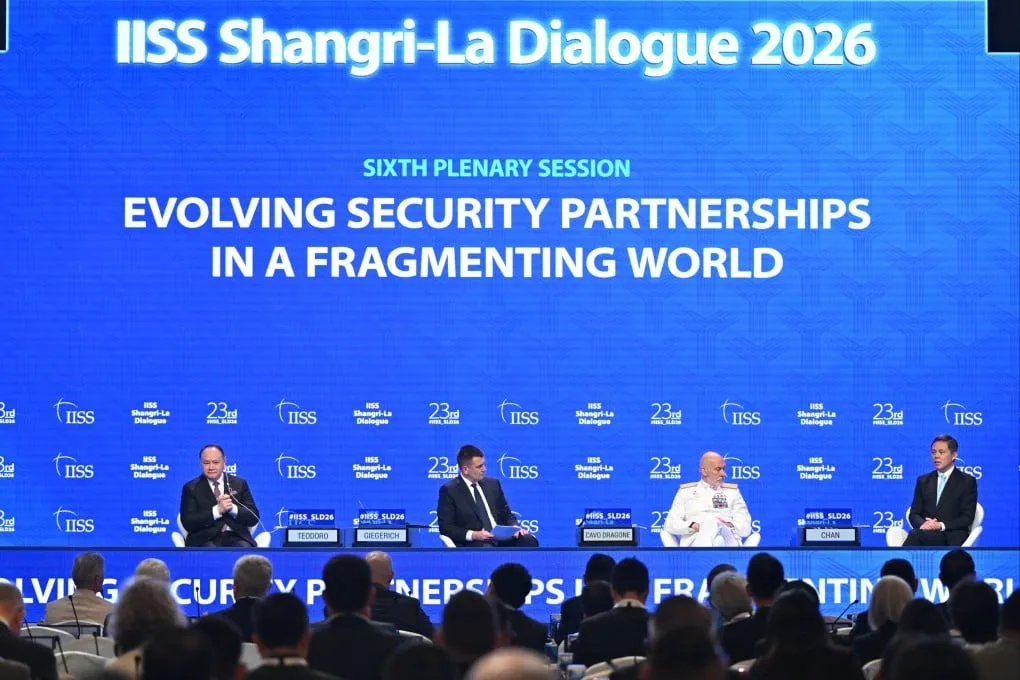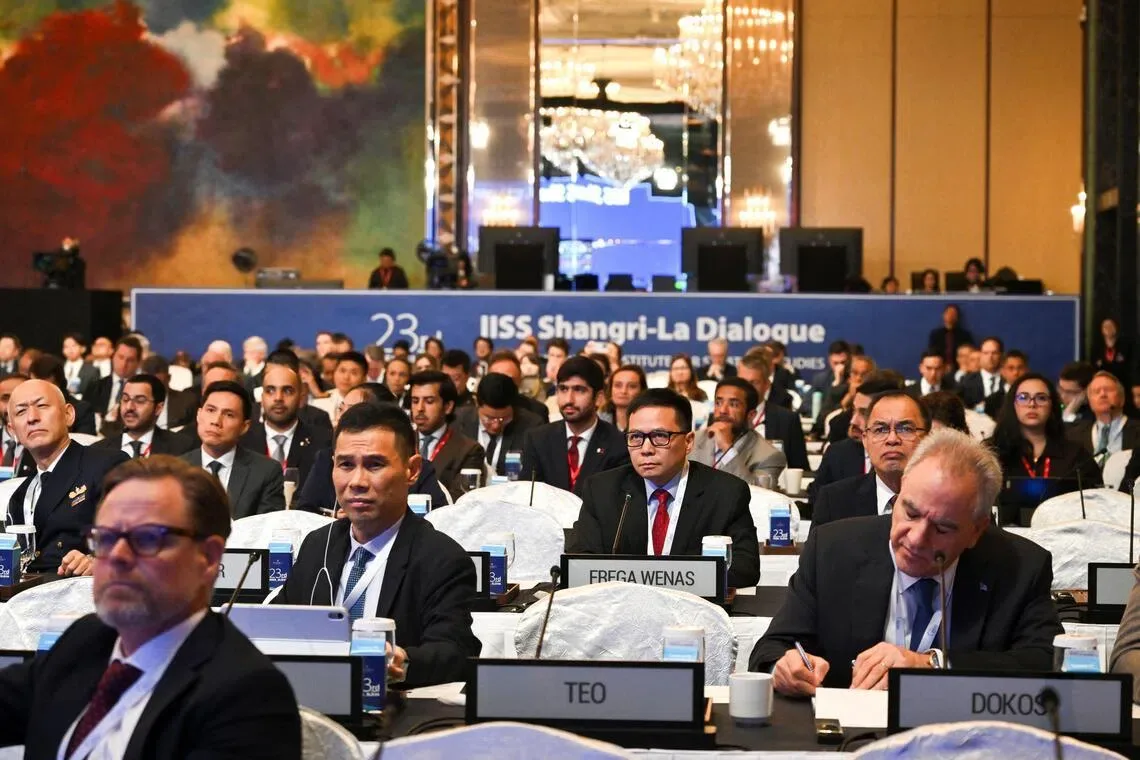
US Defence Secretary Pete Hegseth urged a stronger focus on military hardware and combat readiness instead of diplomatic summits at the 23rd Shangri-La Dialogue on May 30 in Singapore [1, 2, 3, 4, 5]. He criticized European allies for relying on US defence spending and warned that those refusing to raise their defence budgets risked losing favourable US treatment [1, 2, 3, 4, 5]. Hegseth stated, "I’m sorry to say this here, but less Shangri-La – more ships, more subs" and added that "those who long for peace must prepare for war" [1, 4]. He also said alliances should be measured by combat formations rather than the number of flags or conferences [2].
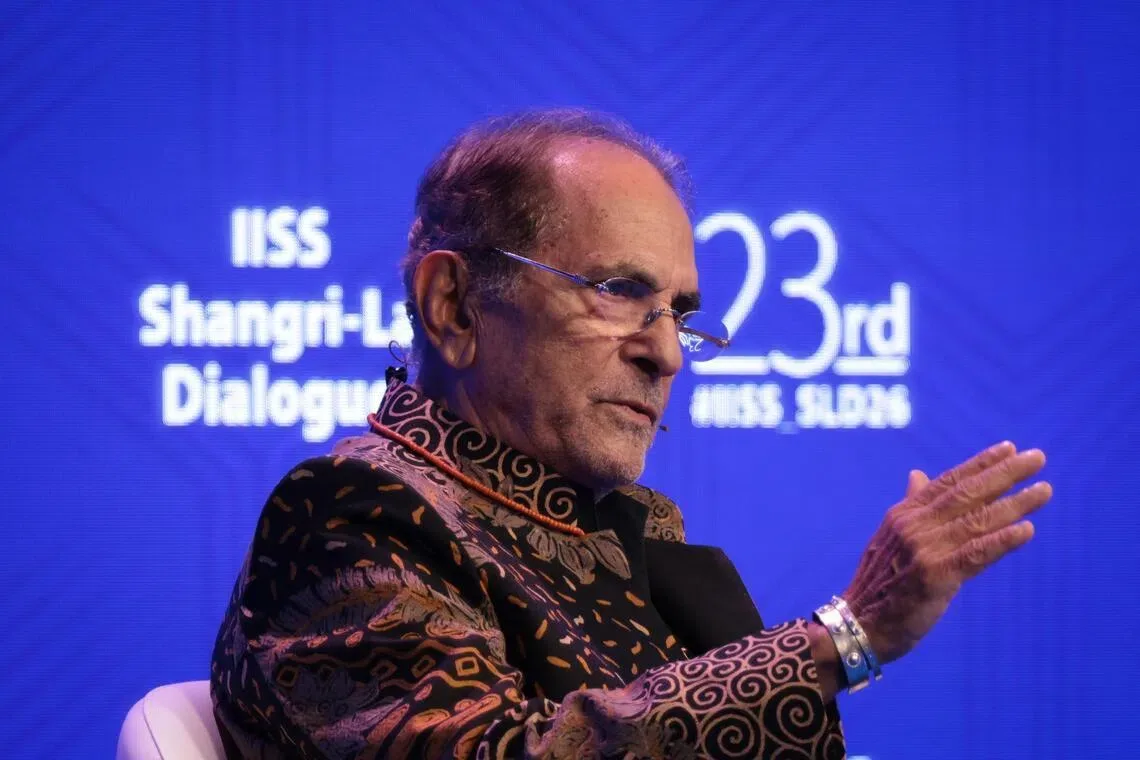
In contrast, Southeast Asian leaders pushed back against Hegseth’s "model allies" ranking based solely on defence spending, emphasizing diplomacy and trust as crucial for regional stability [1, 2, 3, 4, 5]. Timor-Leste President and Nobel laureate Jose Ramos-Horta said while defence is necessary, peace also depends on prevention, cooperation, and trust. He explained, "A missile can deter an adversary but cannot hold back the sea. A tank can defend a border, but it cannot restore a failed harvest. A submarine can patrol an ocean, but it cannot rebuild trust in a society displaced by disaster and conflict" [1, 2, 3, 4]. Ramos-Horta said achieving peace "requires national strength but also practical cooperation across borders through patient diplomacy" [4].
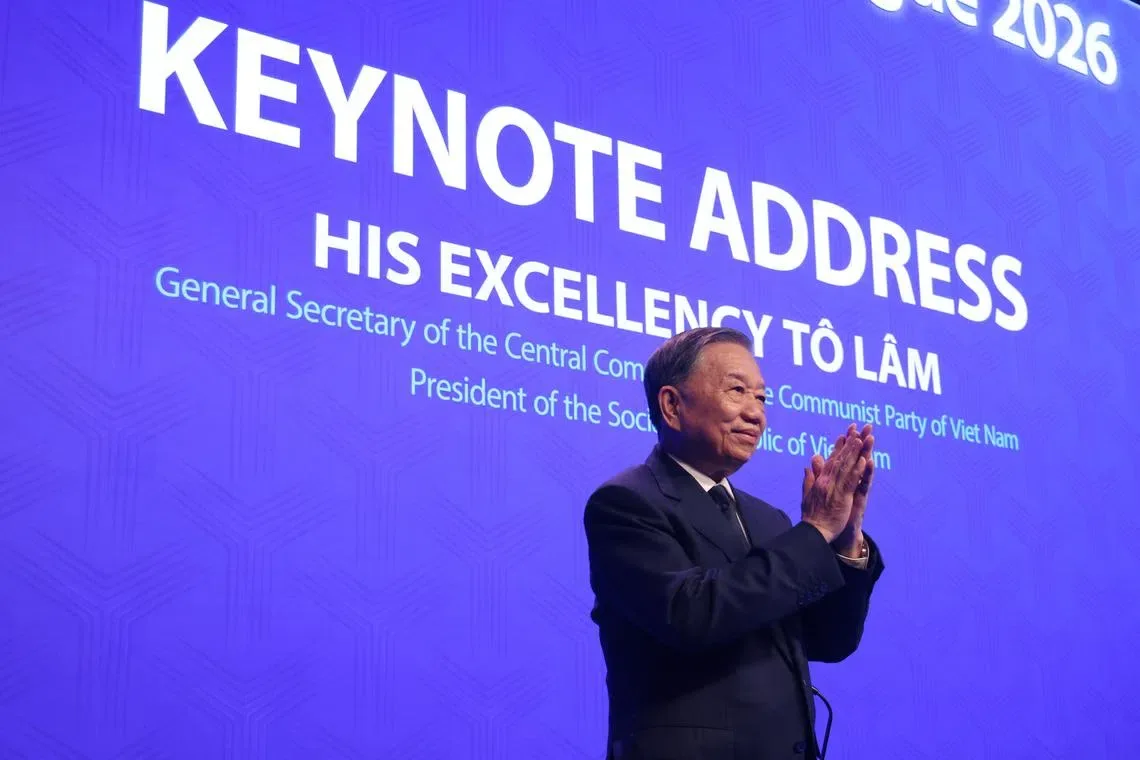
Vietnam President To Lam, who delivered the keynote address the day before, highlighted a growing crisis of strategic trust in the region. He called for a focus on rules and trust to address tensions between nations [1, 2, 3, 4].
Southeast Asian countries reiterated their support for the "ASEAN Way" of dialogue, cooperation, and strategic stability rather than a narrow focus on military spending [1, 2, 3, 4, 5].
The session illustrated clear divisions over how to maintain peace and security in the Asia-Pacific, with the US pushing for increased military capabilities and many regional leaders emphasizing diplomacy and trust-building.
The Shangri-La Dialogue continues to be a forum for these contested views, as leaders seek agreement on balancing defence preparedness with dialogue and cooperation.