US Defense Secretary Pete Hegseth said on August 13 that the US Navy has enough assets to maintain a naval blockade on Iran indefinitely by rotating ships into the region as needed. "Indefinitely the United States Navy can maintain a blockade like that because we'll rotate ships in and out," Hegseth said [1].
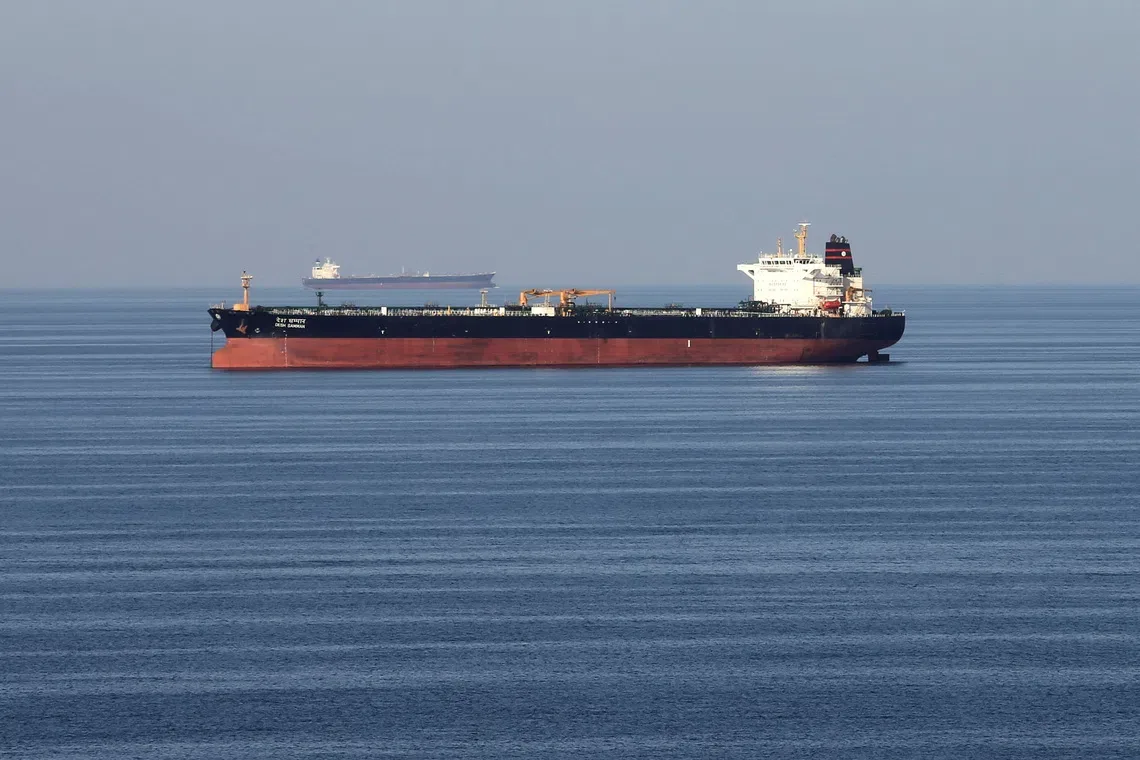
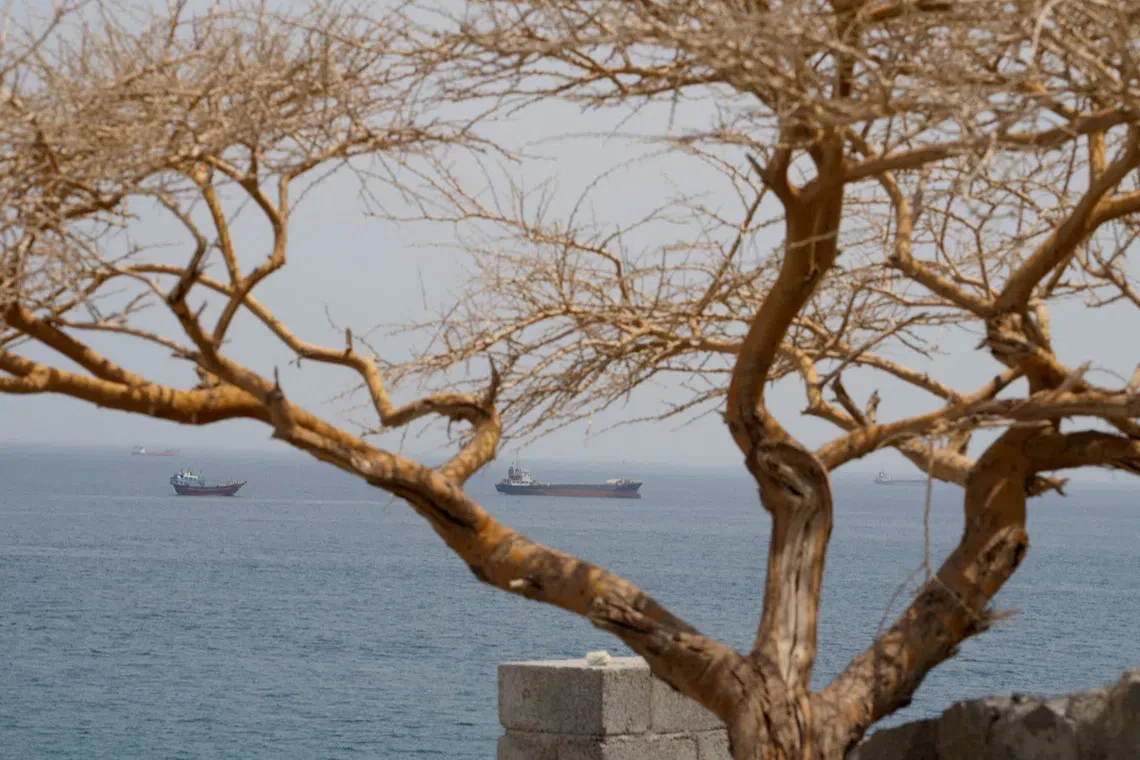
Since February 28, after US and Israeli strikes on Iran, Iran has effectively shut down the Strait of Hormuz. This has disrupted about 20% of the world's oil and liquefied natural gas supply, which previously passed through the strait. Shipping traffic has dropped sharply from around 130-140 vessels daily before the conflict to just 8-9 daily by early August 2026 [1, 2, 3, 4].
The US imposed a naval blockade on Iranian ports and shipping to cut off Tehran's main sources of hard currency and economic resources. More than 55 commercial vessels have been redirected or disabled by US naval forces since the blockade began. One Panama-flagged ship had its engine room struck by Hellfire missiles fired from a US Navy MH-60 helicopter [1, 5, 6]. Twenty or more US warships are currently deployed in the Middle East to enforce the blockade [1, 5, 6].
On August 13, two vessels owned by the UAE state-run Abu Dhabi National Oil Company were attacked while passing the Strait of Hormuz. The UAE blamed Iran for the attacks [2, 3, 4, 7]. ADNOC confirmed on August 15 that one of its vessels was attacked but no injuries were reported [7].
US President Donald Trump declared "total control" of the Strait of Hormuz and called the blockade "a wall of steel that Iran cannot overcome" [1, 3, 8, 5]. Iran denied US claims on social media, stating, "The Strait of Hormuz remains blocked and will not be reopened until Iran’s conditions are accepted," which include lifting sanctions and returning frozen assets [2, 3, 8].
Treasury Secretary Scott Bessent announced new, unprecedented economic isolation measures against Iran would be announced in the coming week. "It will be a combination of economic isolation, like the world has never seen before... Watch this space for more announcements coming next week," Bessent said on August 13 [9, 4, 10]. The US is also considering additional sanctions targeting Iran’s trading partners and financial channels [10].
Vice-President JD Vance said lowering oil and petrol prices for Americans is now the top US priority in the conflict, ahead of preventing Iran from acquiring nuclear weapons [9, 8].
The US briefly lifted the naval blockade in mid-June after ceasefire talks with Iran but reimposed it when talks failed and shipping did not resume [2, 3, 8].
Additionally, the US Lincoln aircraft carrier has been deployed in the Middle East for over 9 months, with the Washington carrier currently en route to replace it amid concerns about crew welfare [8].
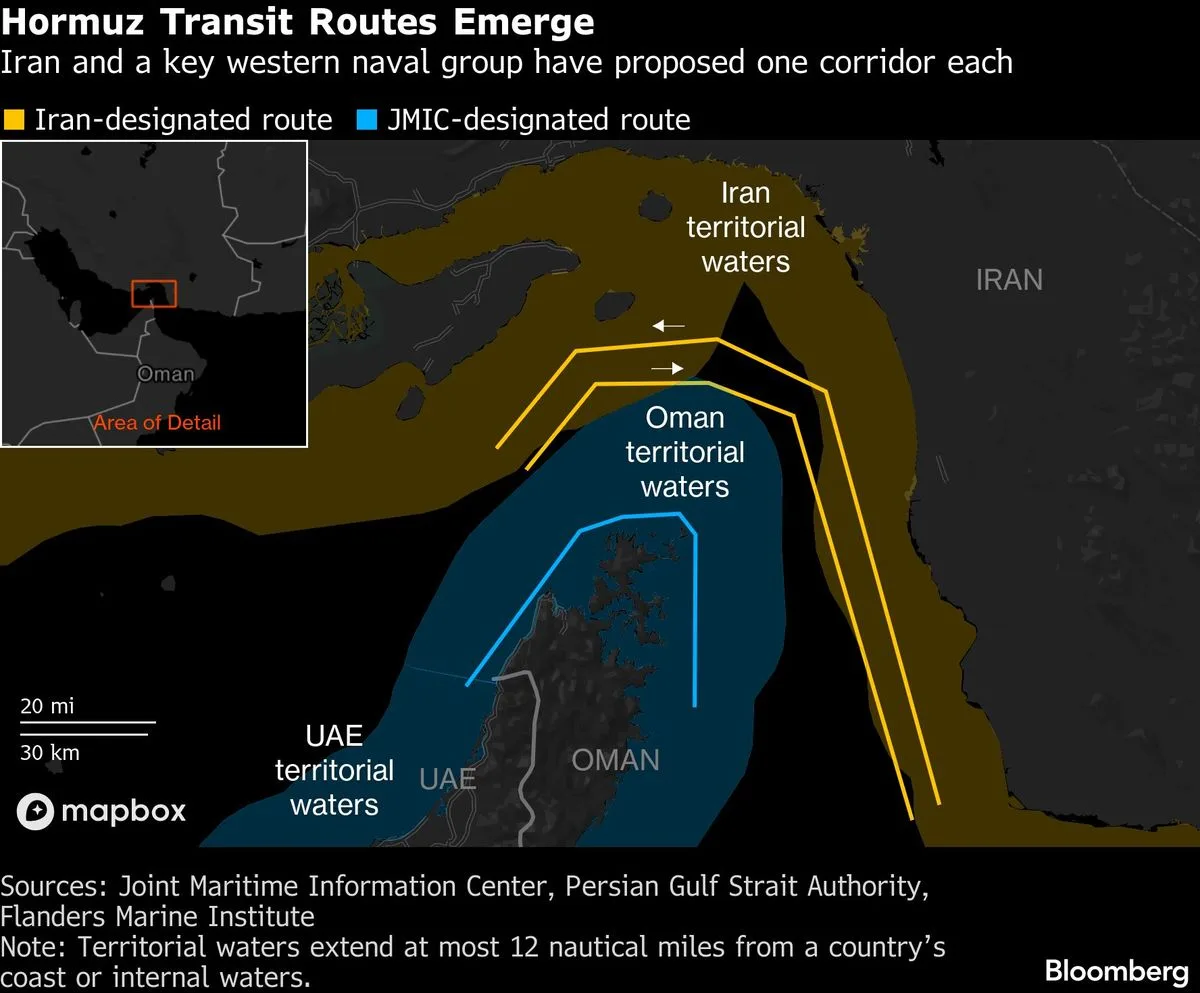
Iran and Oman are reportedly close to agreeing on alternate shipping routes through the strait, though details remain unclear and do not involve full reopening [11].
Shipping traffic and tensions remain low and high, respectively, after the latest attacks and intensifying US pressures. The US has signaled it will escalate economic isolation while continuing the naval blockade indefinitely.
New economic sanctions and isolation measures are expected next week, as announced by Treasury Secretary Bessent on August 13 [9, 4].