The Government Accountability Office (GAO) released a report on August 13 discrediting many of the reported savings claimed by the Department of Government Efficiency (DOGE) during its operation from early 2025 until July 2026 [1, 2, 3]. DOGE's "Wall of Receipts" website had claimed savings between $110 billion and $215 billion across contracts, grants, and leases, but the watchdog found most of these figures unreliable [1, 2, 3].
The GAO audit uncovered that 96% of DOGE's reported grant savings could not be verified due to lack of transparent methodology or evidence [1, 2, 3]. Among leases identified for termination, 108 leases worth $15.3 million were already scheduled to end before DOGE was even established, meaning those savings were incorrectly attributed [1, 3].
The report further revealed more than 2,500 contracts totaling $27.4 billion that DOGE listed as terminated had not been ended, including a $1.7 billion Defense Department IT contract that was never cancelled as claimed [1, 3]. DOGE did not respond to GAO’s requests for interviews or clarification during the audit process [2].
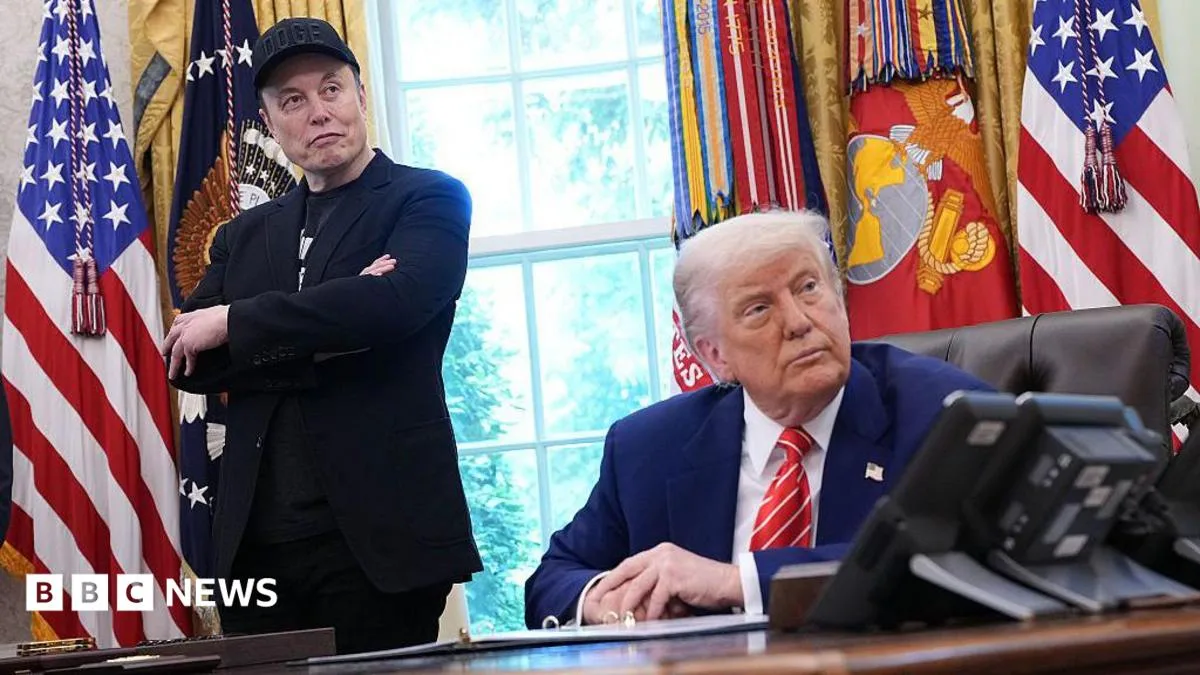
DOGE was created in January 2025 under President Donald Trump’s second term and was led initially by Elon Musk until his departure in April or May of that year [1, 3]. Musk had promised annual federal savings of up to $2 trillion, but DOGE missed that goal by a wide margin [1, 3].
Senators Gary Peters and Richard Blumenthal requested the GAO's audit in June 2025 to investigate DOGE’s claims. Senator Peters accused Musk and the Trump administration of "taking credit for work already underway, and refusing to show its work," while putting sensitive data at risk [2].
DOGE was shut down in July 2026 amid increasing scrutiny over its performance and claims [1, 3]. The GAO report represents the latest official reckoning with DOGE’s financial assertions and methodology. Officials and lawmakers will likely consider next steps based on the GAO findings.