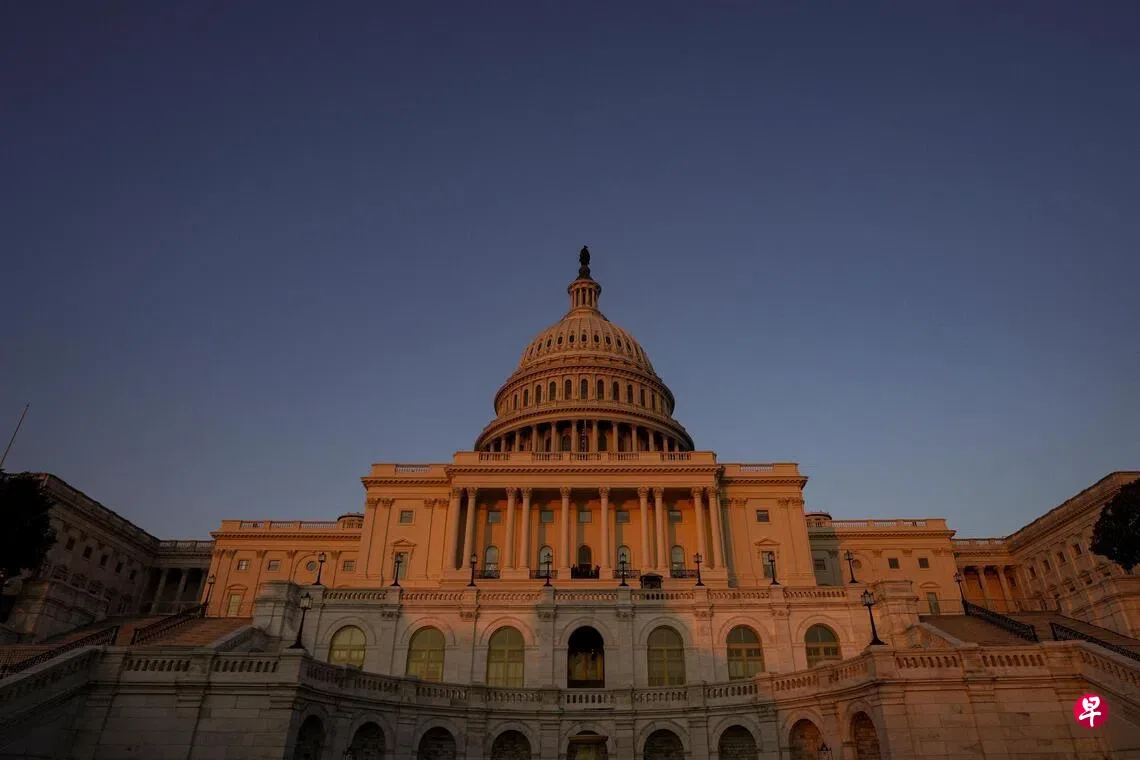
The US House of Representatives voted 308 to 117 on July 14, 2026, to pass the Sunshine Protection Act, aiming to make Daylight Saving Time (DST) permanent nationwide [1, 2, 3, 4, 5, 6, 7, 8]. The bill would eliminate the twice-yearly clock changes in March and November by keeping the US on DST year-round, pending Senate approval and presidential signature [1, 3, 4, 5, 6, 7, 8].
Currently, DST begins on the second Sunday in March and ends on the first Sunday in November across most US states, though Hawaii, Arizona, Puerto Rico, and the US Virgin Islands opt out and remain on standard time [1, 3, 5, 6, 7]. The bill includes provisions allowing states to continue exempting themselves and stay on standard time if they choose [1, 3, 7].
Supporters say permanent DST reduces disruptions to sleep patterns, lowers traffic accidents and workplace injuries, and boosts economic activity through extended evening daylight in winter [3, 4, 7, 8]. Representative Vern Buchanan (R-Fla.) said, "Polling shows that two-thirds of Americans want to unlock the clock. My bill is simply a solution to make Daylight Saving Time permanent. Allowing an extra hour of sunlight in the evening gives families more time for outside sports activities and school" [8]. Rep. Gus Bilirakis (R-Fla.) called the current clock changes "a relic of the past that no longer reflects the way Americans live" [8]. Former President Donald Trump strongly supported the bill, saying, "It's time to stop worrying about the clocks, and stop wasting energy and money on the twice yearly switch. This will be a great win for the Republicans" [1, 3, 4, 6, 7].
Opposition in the Senate remains significant. Republican Senator Tom Cotton (Arkansas) warned that permanent DST could delay winter sunrise times to 9 a.m., creating dark and potentially dangerous morning commutes and forcing children to go to school before sunrise [1, 4, 7]. Some bipartisan senators share concerns about safety and the practical effects of darker mornings, leading to uncertainty about whether the Senate will bring the bill to a vote [1, 4]. Airlines’ group Airlines for America also raised concerns that shifting to permanent DST could disrupt flight scheduling and global time coordination [3, 7].
The US previously experimented with permanent DST during World War II and briefly in 1974, but public opposition due to late winter sunrises led to repeal within a year [3, 4, 7]. The current DST system was nationally standardized in 1966 and modified in 2007 to set the start and end dates used today [5].
The House passage follows a 2022 Senate unanimous vote on a similar bill that did not pass the House [6, 7]. The Senate’s next decision will determine if the bill becomes law, ending clock changes nationwide.