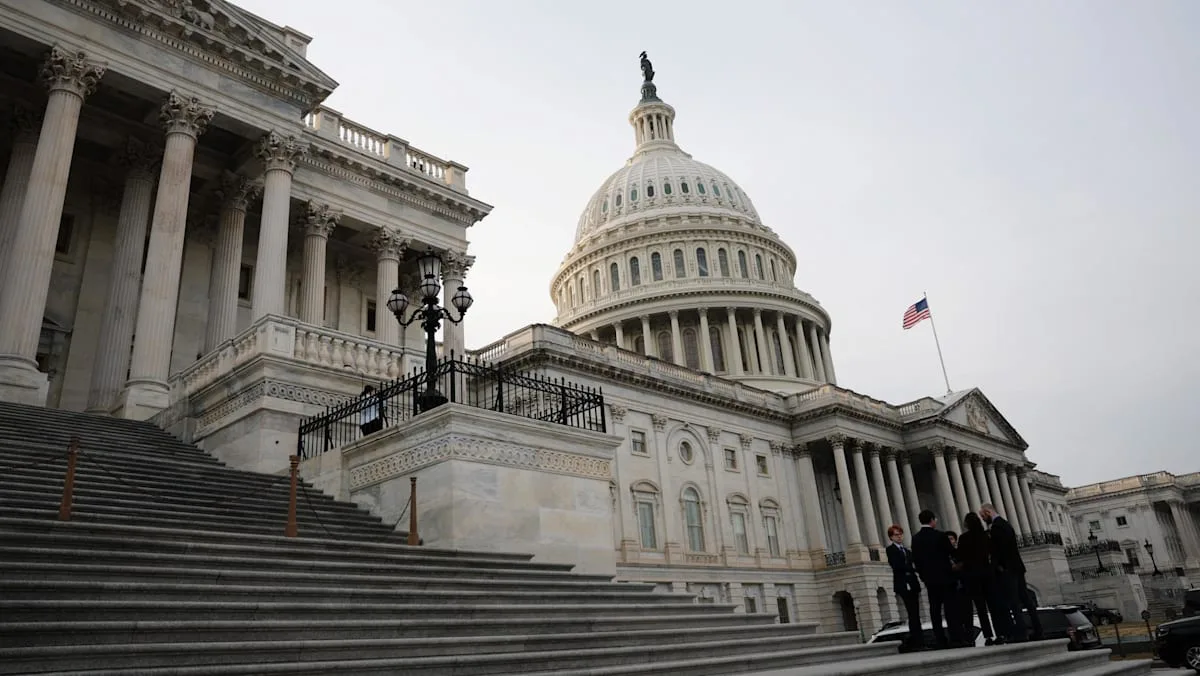
The US House of Representatives passed a short-term funding bill on September 1 by a vote of 370 to 48 to prevent a federal government shutdown ahead of the November 3 midterm elections [1, 2, 3, 4, 5, 6]. The bill extends funding for federal government operations through December 11, 2026 [1, 2, 3, 4, 6]. It was sent to President Trump for his signature after earlier approval by the Senate on August 8 [1, 2, 3, 4, 6].
The measure provides agencies with enough money to maintain current basic operations, including military pay, until the temporary funding expires in December [2, 3, 4, 6]. House Appropriations Committee Republican Chair Tom Cole said the bill "brings assurance that the government will continue operating and military personnel will be paid" [2, 3, 4]. House Speaker Mike Johnson blamed Democrats for past shutdowns but said "we will avoid Democrats causing a government shutdown again" [2, 3, 4].
House Appropriations Ranking Democrat Rosa DeLauro urged Democrats to back the bill, praising the Senate version for being less partisan than an earlier House draft [2, 3, 4]. She called the blocking of a controversial proposed rule "an important step to avoid the government using the rule to shift federal funds away from Democratic-led states," but said further measures are needed to stop the policy, adding, "Whether a community receives disaster relief should not depend on who they voted for last election" [2].
The bill was passed using a suspension of rules procedure requiring a two-thirds majority, reflecting bipartisan cooperation despite Republican control of both the presidency and Congress [5, 6]. The Senate-blocked language prevents Homeland Security from reallocating funds to border patrol and delays this politically sensitive funding decision rule [2, 3, 4].
The new fiscal year began October 1, 2026, but Congress has not approved 12 spending bills covering areas including homeland security, law enforcement, energy, housing, and defense [1]. Past disputes over Medicaid subsidies and immigration enforcement triggered three partial government shutdowns totalling 161 days during Trump’s presidency [1]. Last year’s shutdown lasted a record 43 days with the Homeland Security Department closed for 76 days due to funding conflicts [2, 3, 4].
Passing the bill reduces the risk of a government shutdown before the midterm elections but postpones the resolution of budget conflicts until after the November vote [6]. The temporary funding will expire on December 11, 2026, by which time Congress will need to resolve appropriations for the full fiscal year [1, 2, 3, 4, 6].