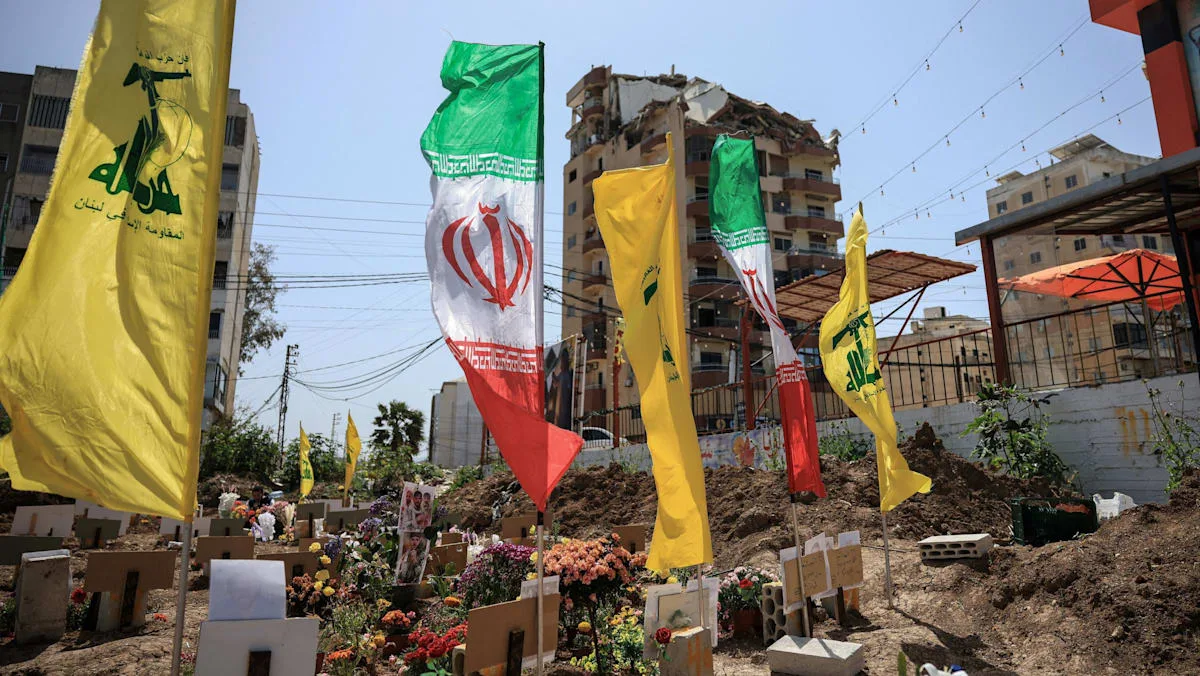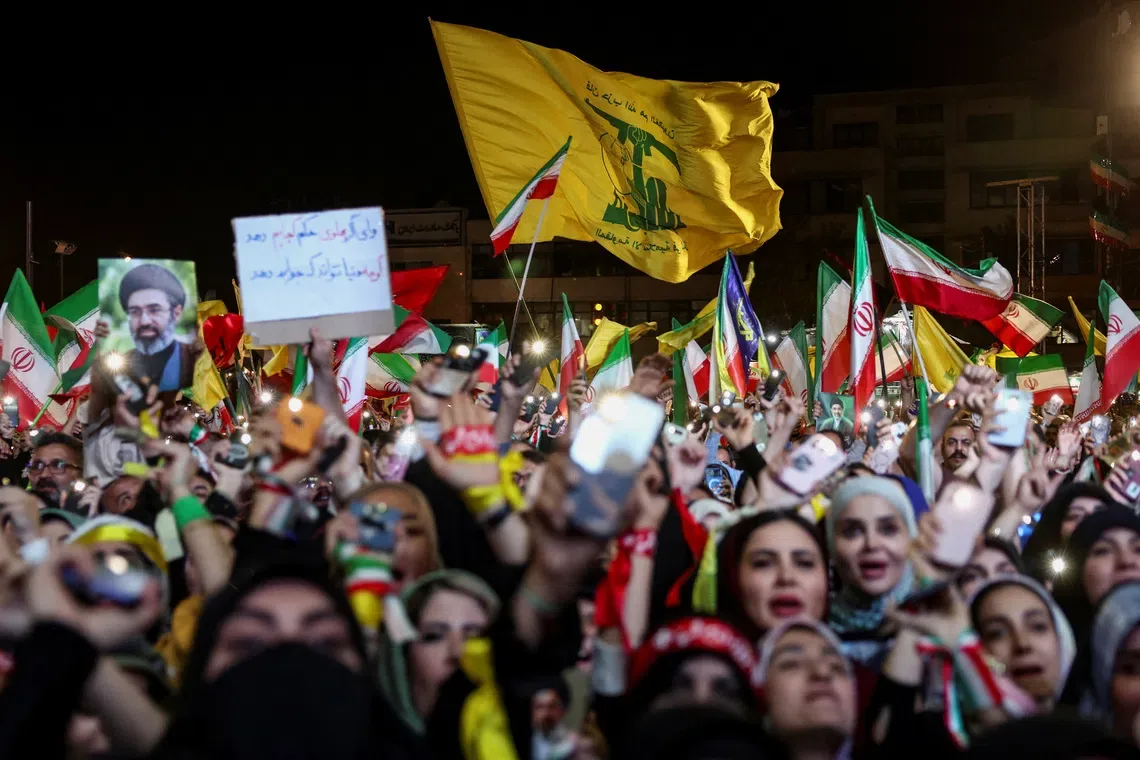
The U.S. Treasury Department announced new sanctions targeting Hezbollah on August 20, 2026, re-designating it under terrorism authorities as operating under Iran's Islamic Revolutionary Guard Corps (IRGC) Quds Force command rather than as an independent Lebanese group [1, 2, 3, 4, 5]. This update clarifies Hezbollah's role as an Iranian proxy rather than a Lebanese resistance movement, with a U.S. State Department official stating, "The new redesignation specifies that Hezbollah is an Iranian proxy, not a stand-alone operation as implied by the previous designation" and adding, "It is not a Lebanese resistance movement." They also said the group acts with "little to no regard for Lebanese sovereignty, the Lebanese people, or the Lebanese state" [4].
Hezbollah was first designated as a Foreign Terrorist Organization by the U.S. in 1997 and later as a Specially Designated Global Terrorist group in 2001 [1, 3, 4, 5]. The latest sanctions target 10 individuals accused of running a cash smuggling network that moves hundreds of millions of dollars via commercial flights between Lebanon, Turkey, the UAE, and Iran to fund Hezbollah operations [1, 2, 3, 4, 5].
Hezbollah escalated the regional conflict in March 2026 by firing rockets at Israel in support of Iran, drawing Lebanon deeper into the war involving Israeli air and ground attacks. Lebanese authorities report over 4,300 deaths so far from the conflict [3, 4, 5].
The fresh sanctions are distinct from broader planned U.S. measures targeting Iran. Treasury Secretary Scott Bessent will hold a press conference on August 24, 2026, to announce "the toughest sanctions in history" against Iran [1].
On August 21, 2026, the U.S. reaffirmed Hezbollah's re-designation during ongoing negotiations involving Israel and Lebanon [4]. The Treasury’s latest action reflects an intensified U.S. effort to disrupt Hezbollah's Iranian-backed operations amid the ongoing Middle East conflict.