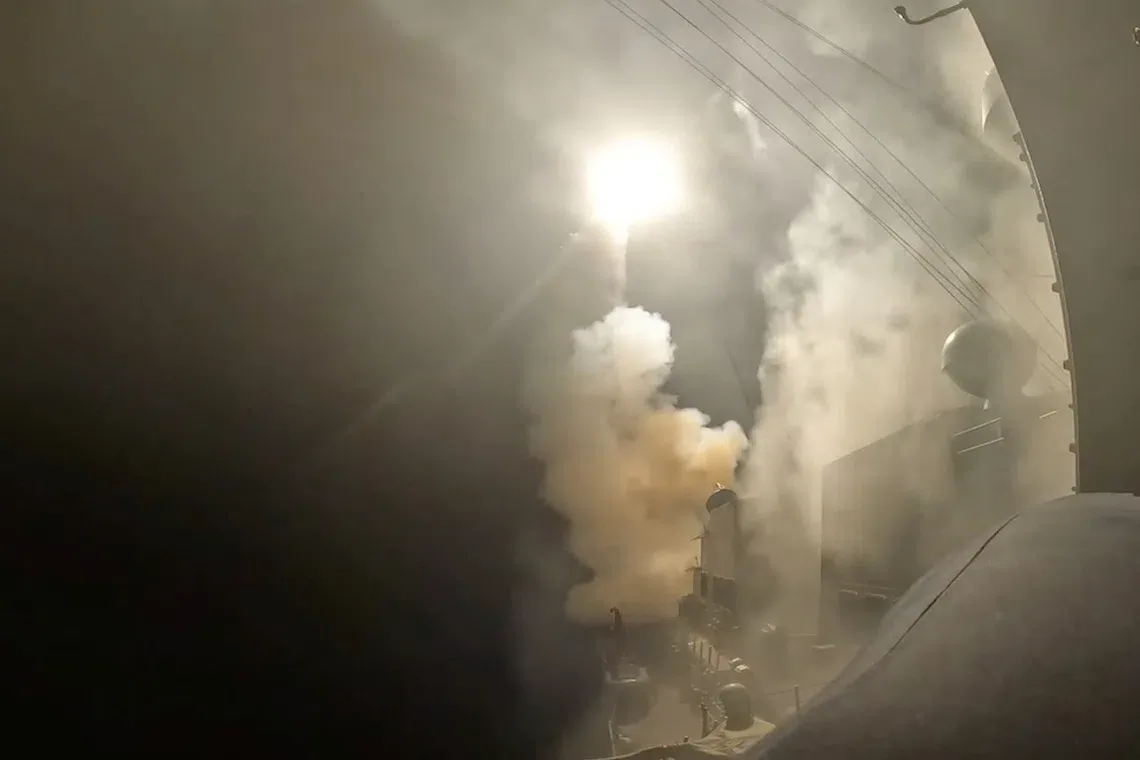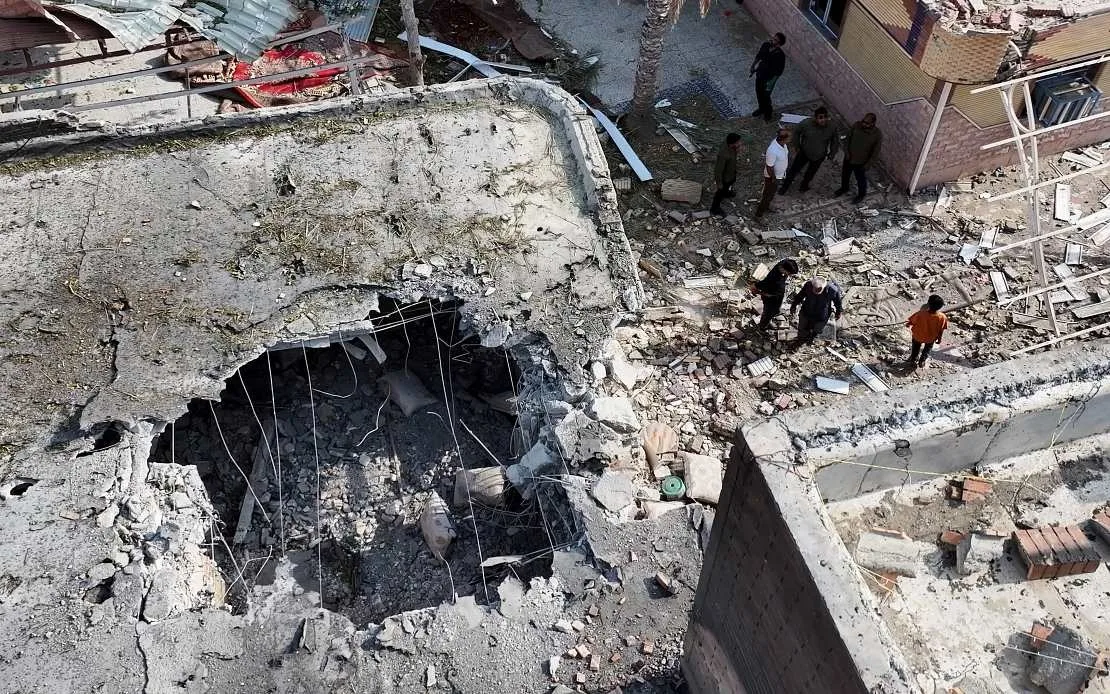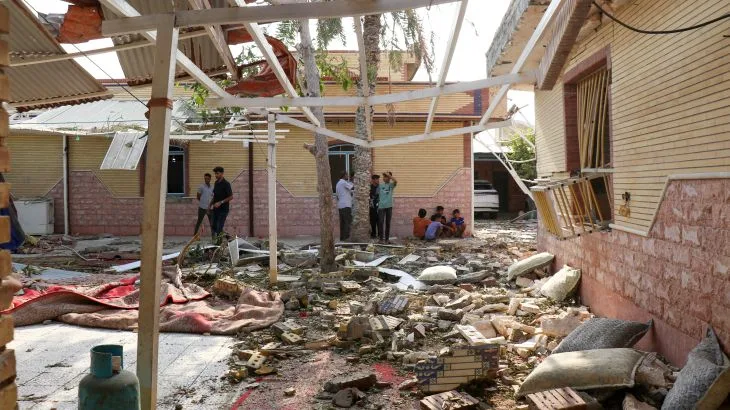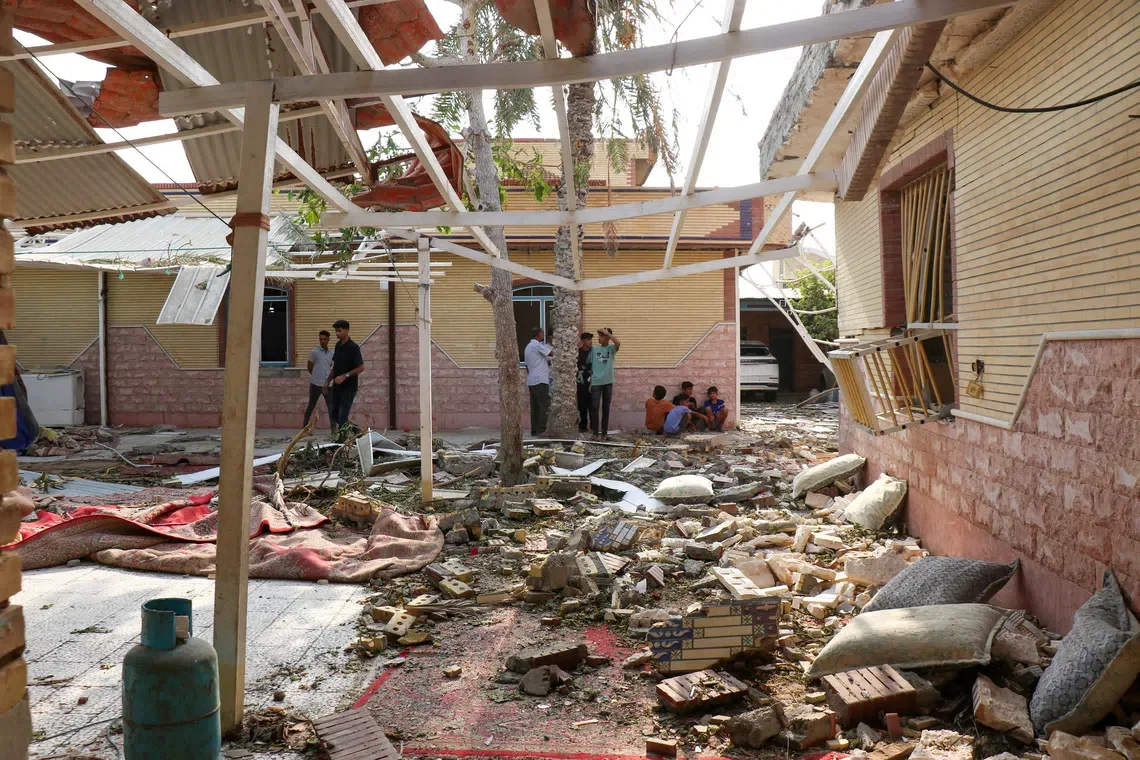
US forces launched airstrikes on Sept 1 against Iranian military targets near the Strait of Hormuz, hitting air defenses, radar systems, maritime assets, mine-laying capabilities, and communications sites [1, 2, 3, 4]. The strikes followed a month-long lull after a stalled June 18 memorandum of understanding aimed at ending hostilities and reopening the Strait for navigation [4, 5, 6].
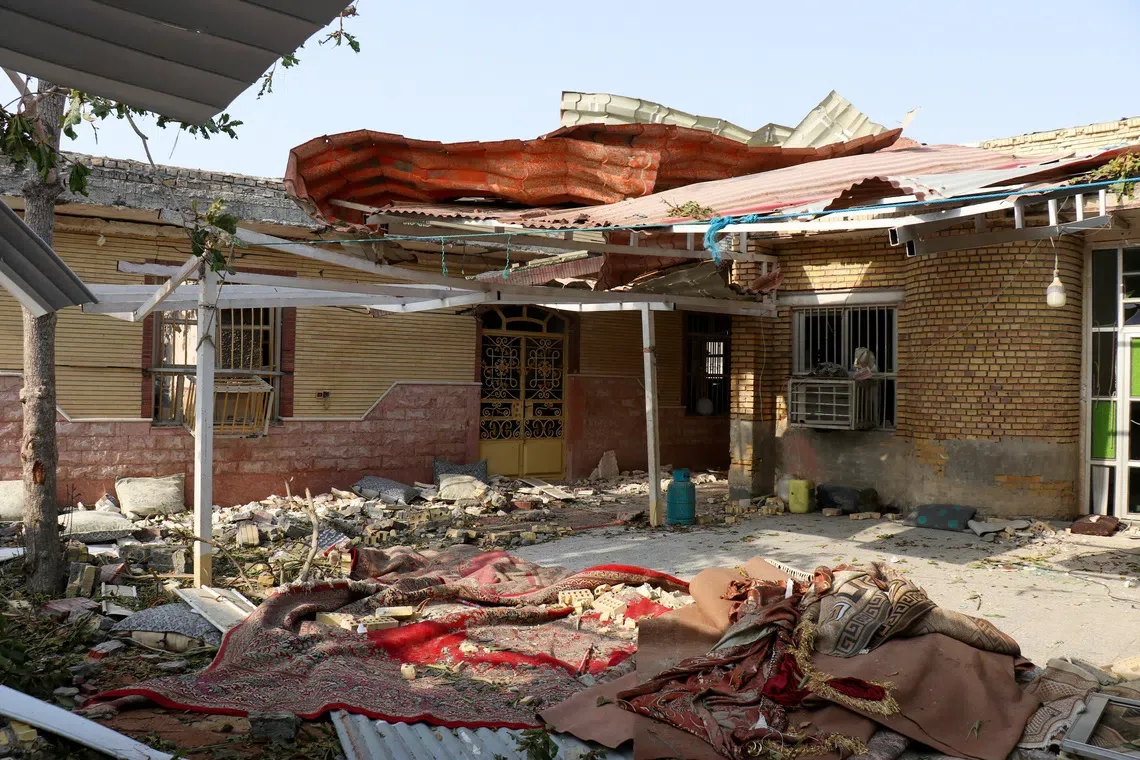
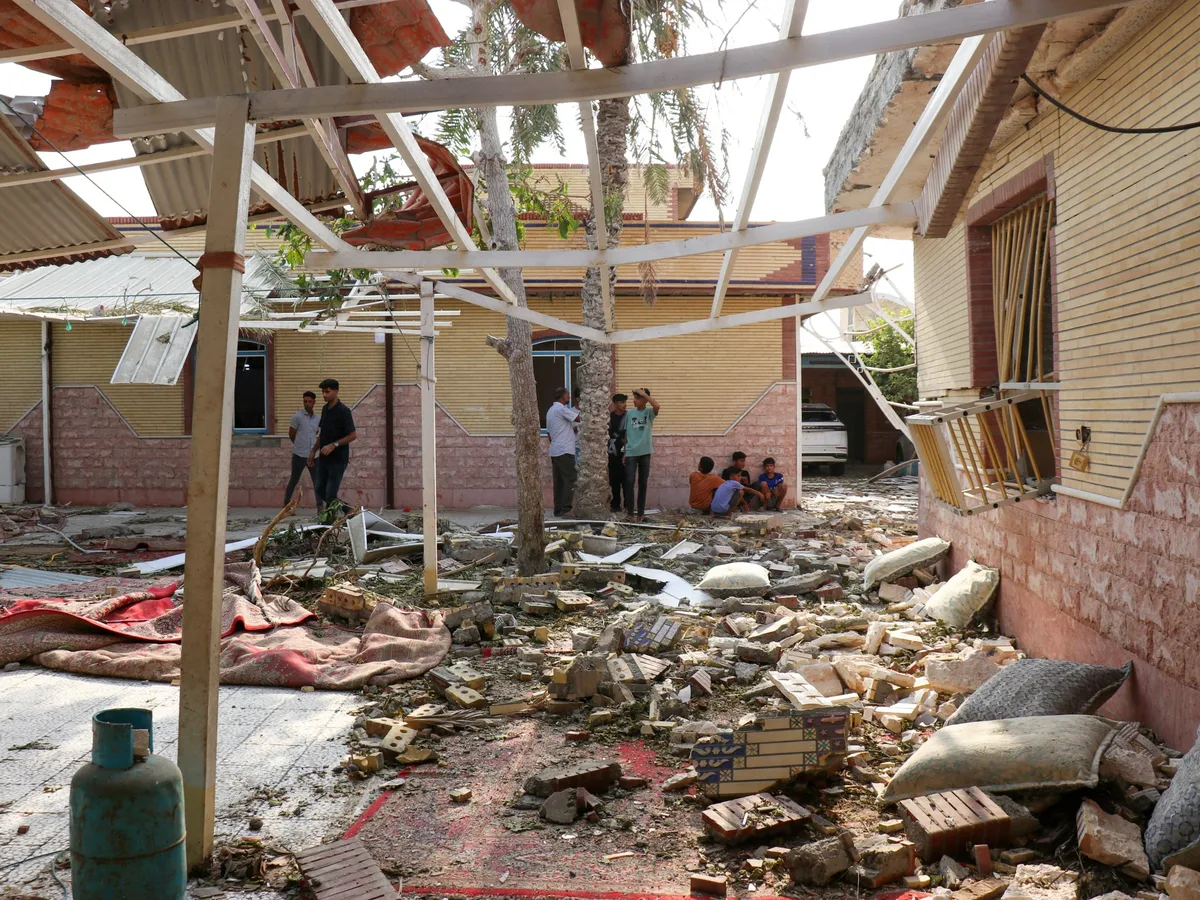
Iranian health officials reported at least 18 dead and between 108 to 142 wounded from US strikes between Aug 30 and Sept 2, including civilians and military personnel [7, 3, 4, 5, 6]. Among the victims were 4 killed and dozens wounded at a wedding party near Sirik County on Iran’s southern coast, close to the Strait of Hormuz [1, 2, 7, 6]. Mahmoud, a municipal worker near Sirik, said, "Last night was like the end of the world" [1].
Iran said the dead included Revolutionary Guard (IRGC) Aerospace Force and Basij members, plus Iranian Navy serviceman Amirhossein Salimzadeh killed on Sept 1 in Khuzestan province [6]. Iran’s military command warned that "American evil in the region will be met with heavier, more widespread, and devastating responses" and cautioned countries cooperating with the US to "accept its dangerous consequences" [1].
In retaliation, Iran launched missile and drone strikes targeting US military bases across Bahrain, Jordan, Kuwait, Iraq, and the United Arab Emirates on Sept 1 [1, 2, 3, 4, 5, 6]. Iran claimed the attacks inflicted US casualties in Jordan and northern Iraq, but US officials stated initial assessments found no casualties among US forces [1, 2, 7].
The US military said its strikes targeted IRGC forces due to attempted Iranian attacks on commercial shipping and US personnel in the Strait of Hormuz [3, 4, 5]. US President Donald Trump declared, "The US hit Iran very hard and Iran only responded with a love tap. It was a very heavy attack last night, and we're prepared to do another one any time we want," adding the conflict would not last "too long" [1, 2, 8].
Iran’s security chief Mohsen Rezaei stated Washington will soon see Tehran’s "new strategy" for war [8]. The UN Secretary-General condemned all attacks on civilians and urged all parties to respect international humanitarian law principles [7].
The clashes mark a sharp escalation following the failure of the June 18 agreement designed to ease tensions in the strategic Strait of Hormuz. Both sides remain on alert as Iran warns of further devastating responses and the US signals readiness for additional strikes.