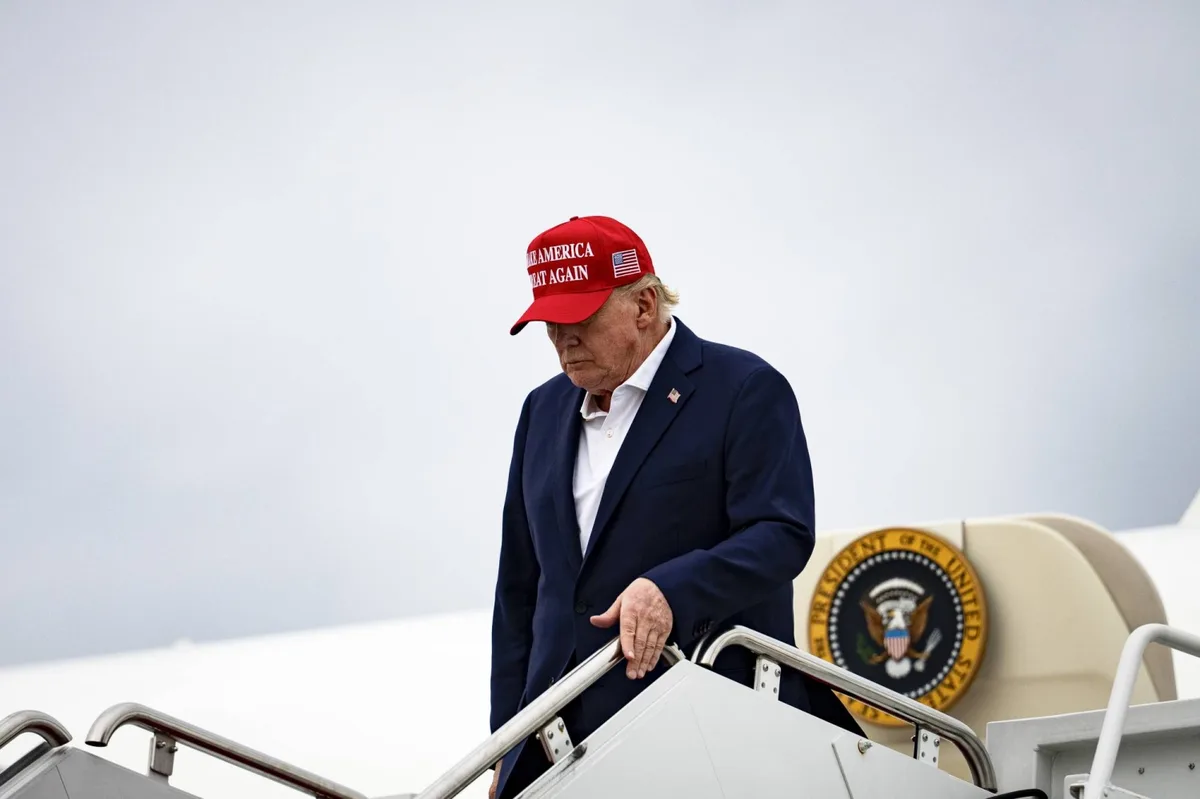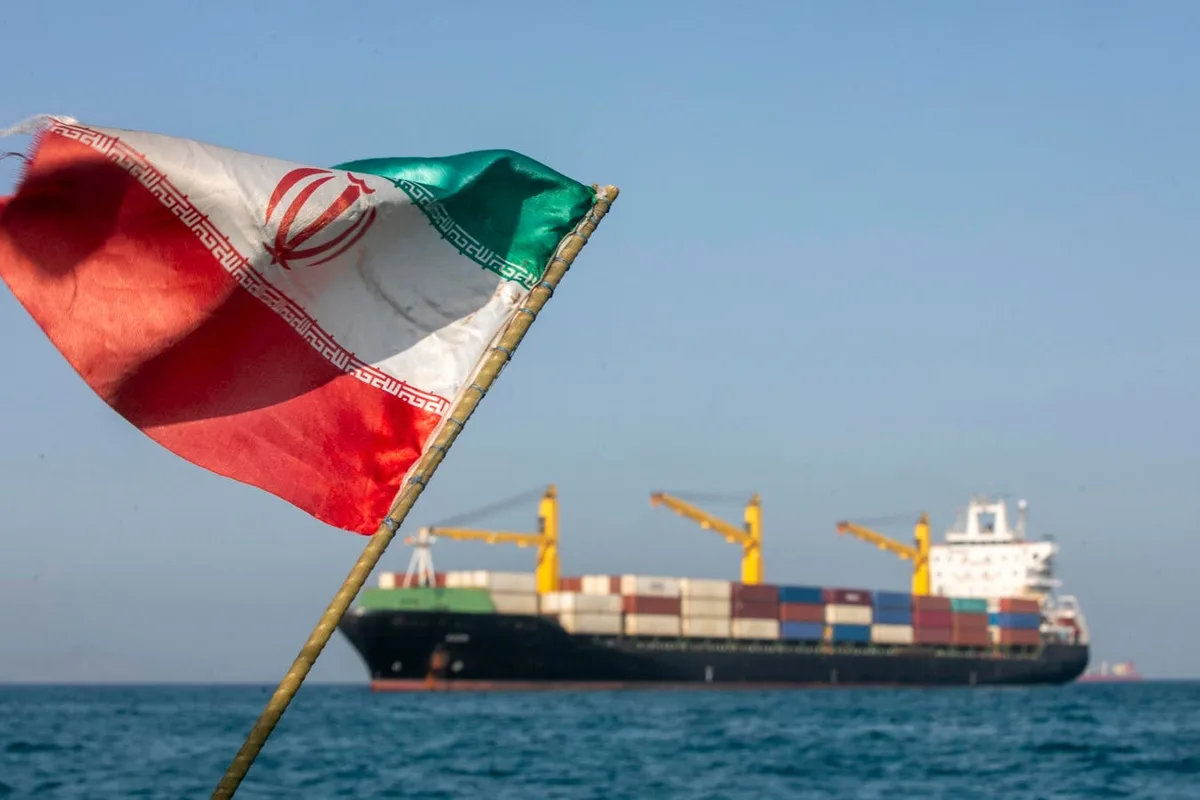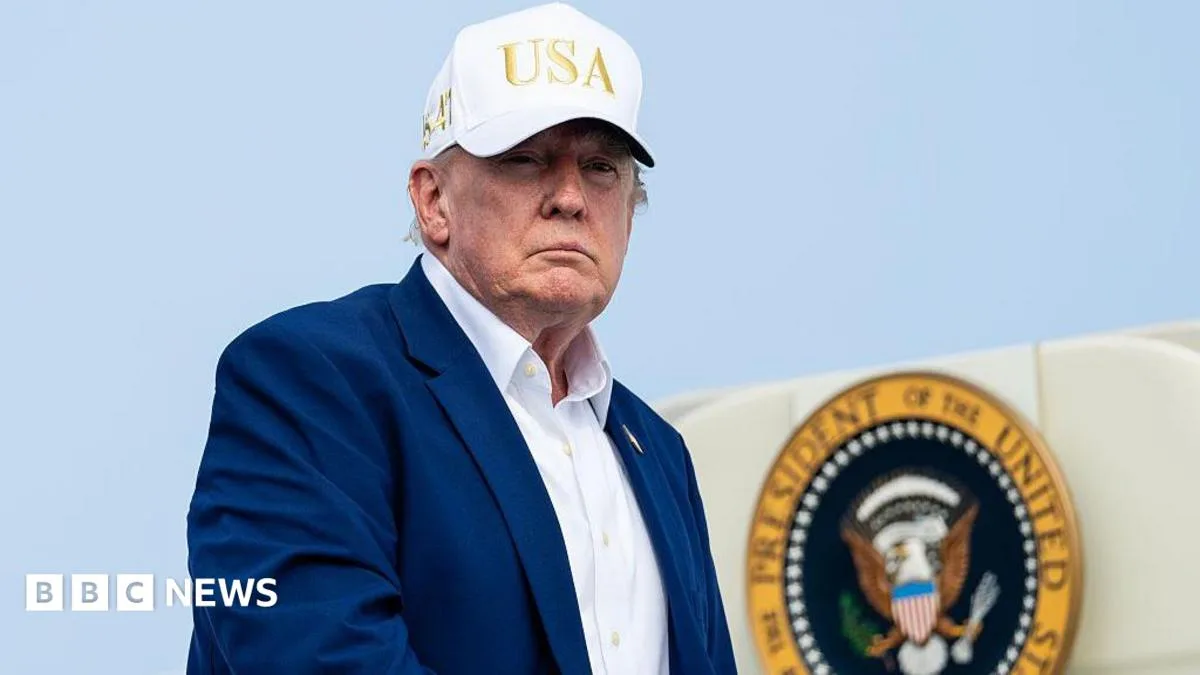
President Donald Trump announced the United States will impose "tremendous economic consequences" on any country that helps or does business with Iran following the expiration of a 60-day US-Iran ceasefire and peace negotiation window without a final agreement on Monday [1]. Trump said, "ANY country that allows its financial institutions, businesses, airports, or government entities to provide any type of lifeline to Iran will itself face TREMENDOUS Economic Consequences" [1].
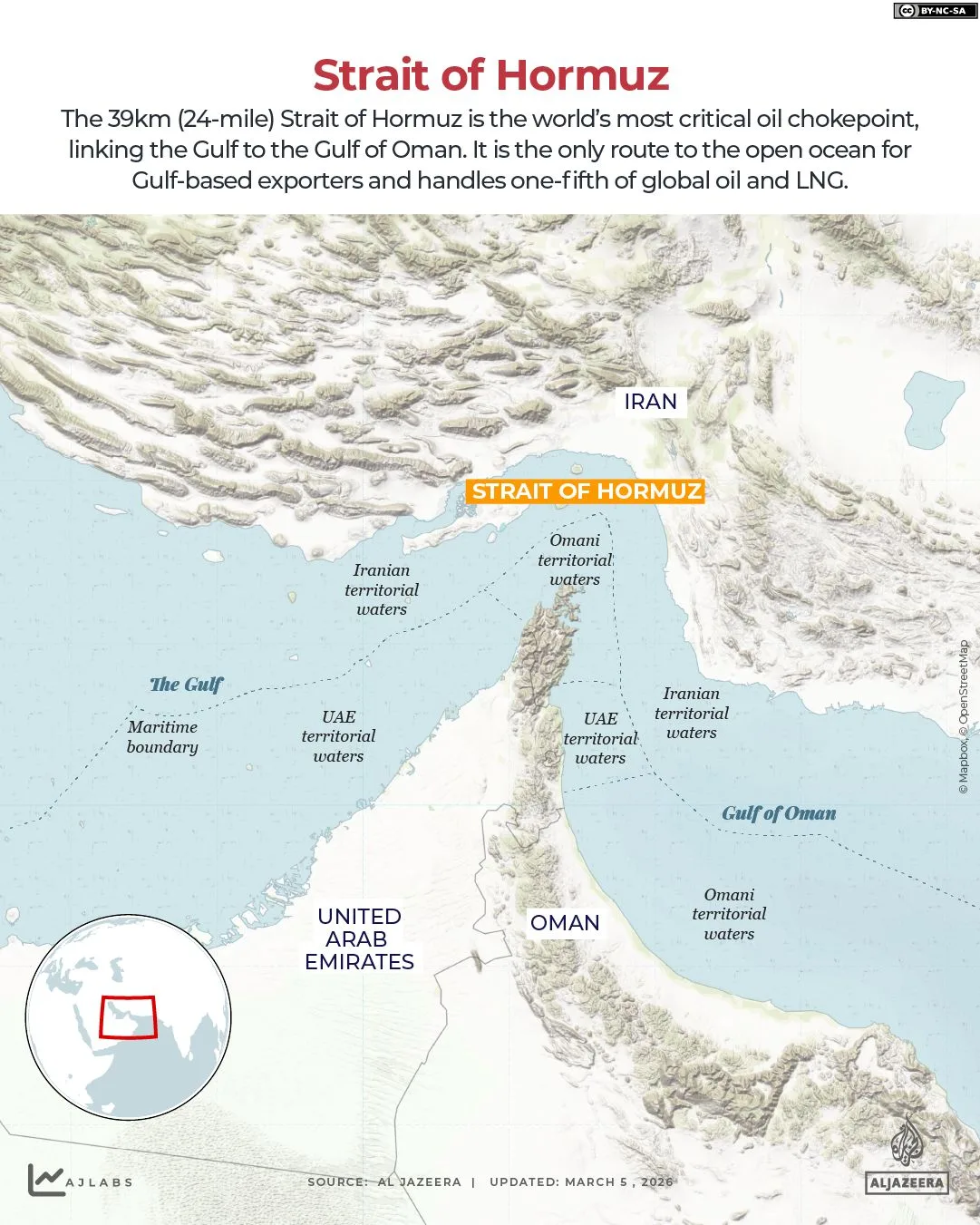
Trump also threatened military action, warning Oman it would be bombed if it "gets in the way" of a US deal regarding the Strait of Hormuz. He stated, "If Oman gets in the way, we’ll bomb the s*** out of them" [2, 3, 4]. The Strait of Hormuz is a key shipping route for global oil supplies.
Iran’s top negotiator Mohammad Bagher Ghalibaf vowed the Strait would remain closed until the US fully lifts sanctions, ends its blockade, and releases frozen Iranian assets [5]. Despite Iran and Oman reaching an understanding on a new commercial transit route through the Strait, the plan cannot proceed without US approval [4].
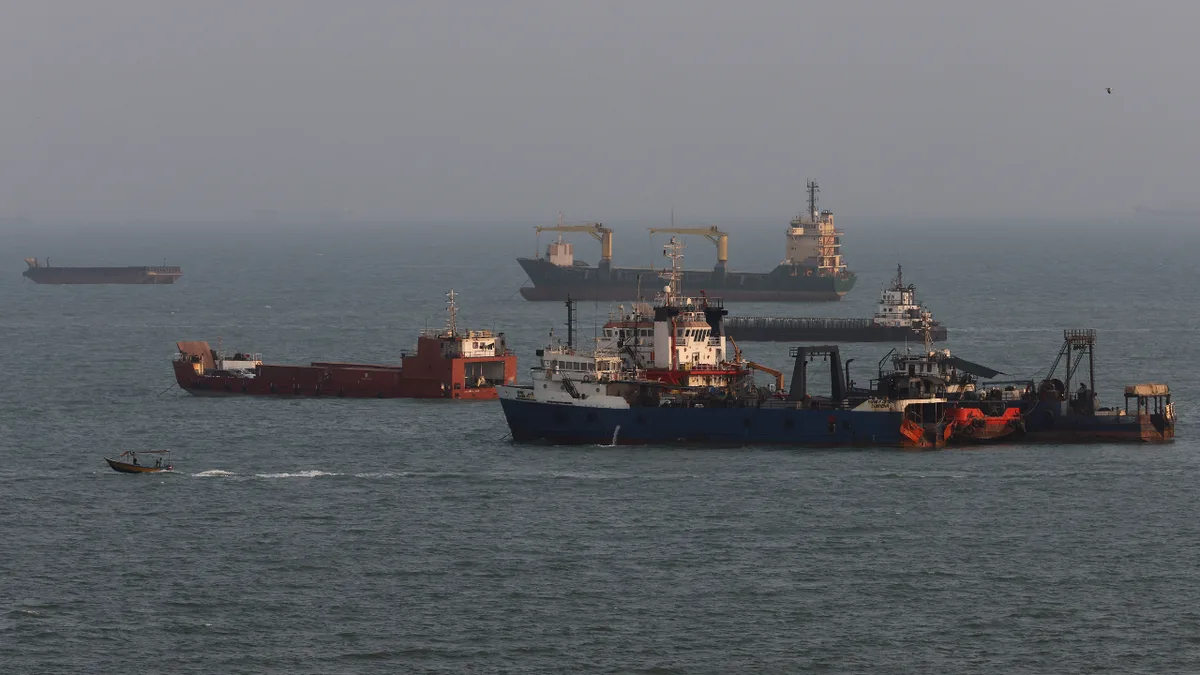
The British UK Maritime Trade Operations center reported a ship was attacked by an unknown projectile while trying to exit the Strait of Hormuz on Tuesday, escalating tensions in the region [5]. Before the war, 18-20 million barrels of crude oil passed through the Strait daily; current estimates show only 5-10 million barrels now transit daily, reflecting disrupted shipping [5].
Trump also urged Iran to end the conflict, saying they should "put up the white flag of surrender" [3, 4]. Meanwhile, the Iranian Revolutionary Guard Corps denied claims of direct talks with the Trump administration, calling such claims “a fantasy” [3].
The 60-day ceasefire and Memorandum of Understanding signed on June 17 aimed to halt hostilities and negotiate peace, but ended on August 17 without a deal [1, 5, 4]. The ongoing standoff raises the risk of further conflict and disruption in the vital Strait of Hormuz corridor.