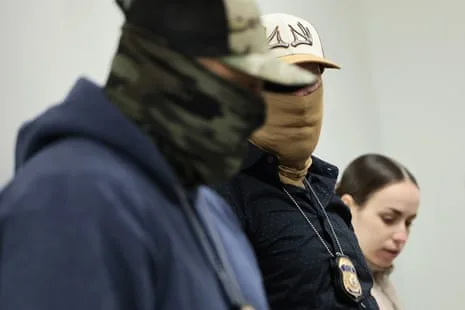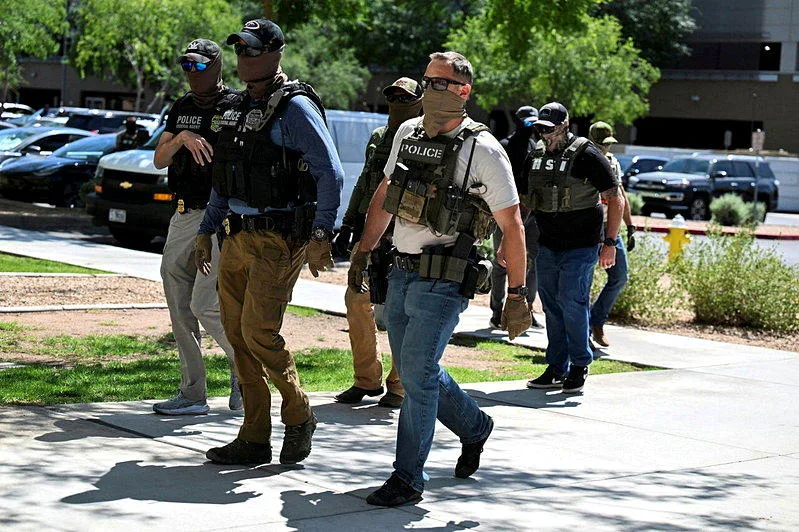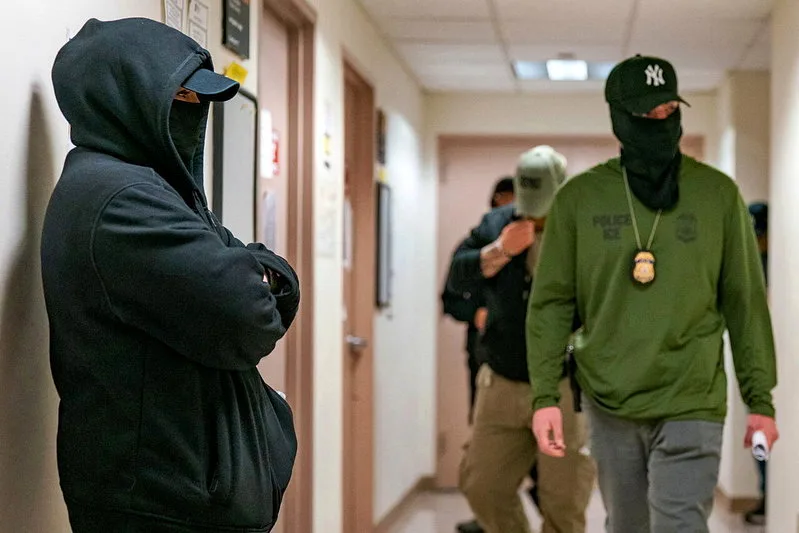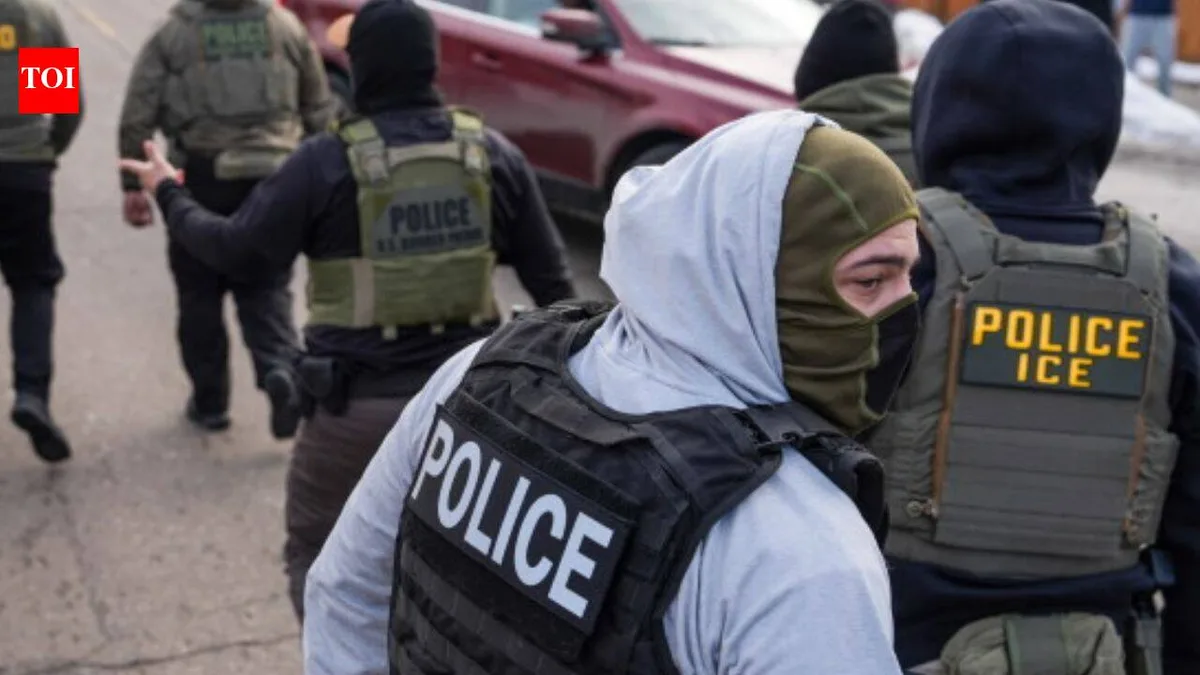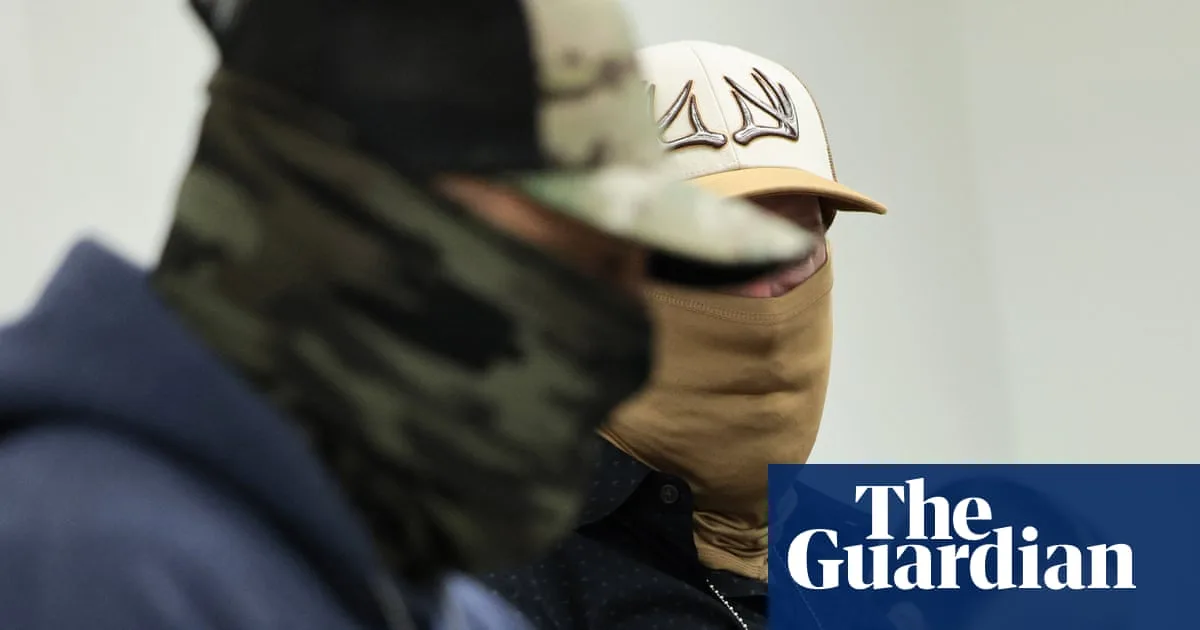
A federal judge on August 3, 2026, issued a preliminary ruling blocking New York State’s law that banned Immigration and Customs Enforcement (ICE) agents from wearing face coverings during enforcement operations and required visible identification badges. The ruling said the mask and badge requirements likely violate the U.S. Constitution’s supremacy clause by improperly regulating federal officers, the judge wrote [1, 2, 3, 4, 5].
The law had been signed by Governor Kathy Hochul in late May 2026 as a response to federal immigration tactics, particularly those during former President Trump's second term. The banned provisions were scheduled to take effect around June 20, 2026 [1, 2, 3, 4, 5].
Judge Mae D’Agostino wrote that while New York’s goal of transparent policing is well-intentioned, the supremacy clause prevents states from regulating federal officers. She said, "The United States has demonstrated a likelihood that it will succeed on its claim that [New York’s] face covering and identification acts directly regulate federal officers in violation of the supremacy clause." She added, "Whether federal law enforcement agencies have chosen to carry out such operations in a sufficiently transparent manner is an important question. But that question is not for this court to answer at the present time" [1].
The judge allowed a separate New York law banning 287(g) agreements—cooperation between local police and ICE—to remain in effect. She said that law advances New York’s legitimate interests in resource allocation and public welfare [1, 5].
The ruling means local New York police cannot arrest or punish ICE agents solely for wearing masks or failing to display visible badges while conducting federal immigration duties [1, 5]. Similar mask-ban laws in California, Virginia, Pennsylvania, and Philadelphia have also been blocked by federal courts [1, 2, 3, 4].
New York Attorney General Letitia James said her office is exploring all legal options to enforce the mask ban despite the ruling. She stated her belief that "戴面具的執法人員並不能讓紐約變得更安全。" Governor Hochul and James welcomed keeping the 287(g) restriction, emphasizing local police should focus on local issues and taxpayers should not bear the cost of assisting ICE [2, 3, 4, 5].
The U.S. Department of Justice praised the decision, highlighting the focus on rule of law and public safety [2, 3, 4].
The 287(g) cooperation agreement ban is set to take effect later this month in August 2026 [1, 5].