US District Judge Carl Nichols ruled against an immediate injunction to block President Trump’s executive order tightening rules on mail-in voting on May 28, 2026, citing that the case was premature [1, 2].
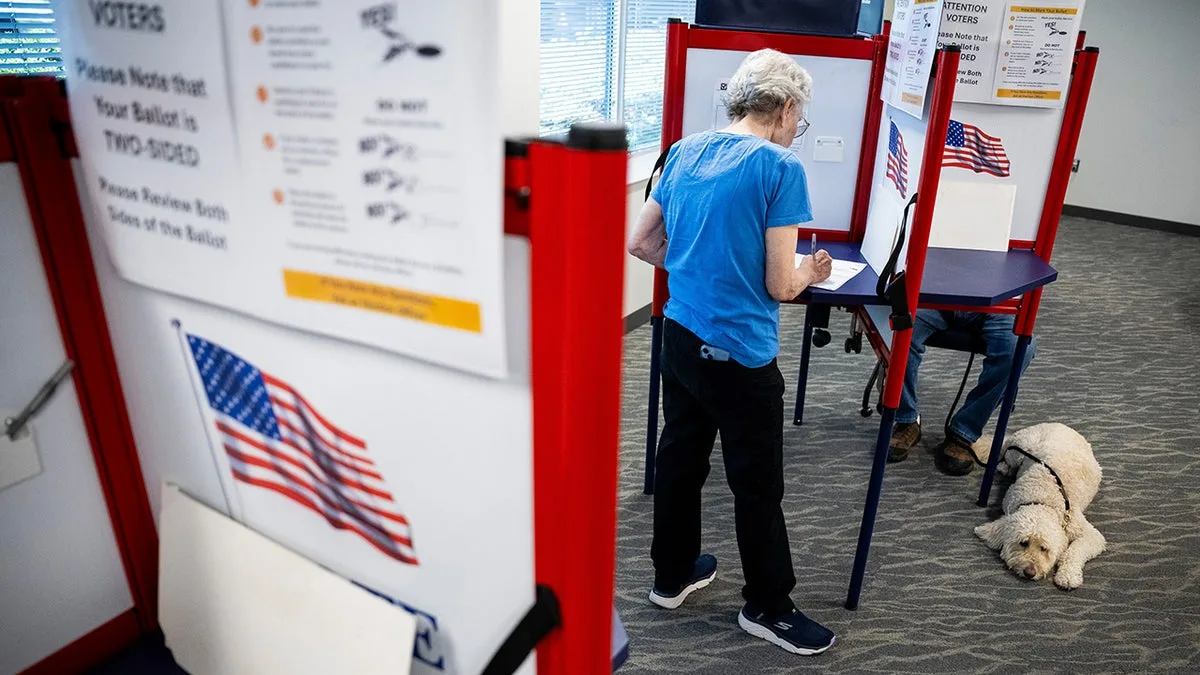
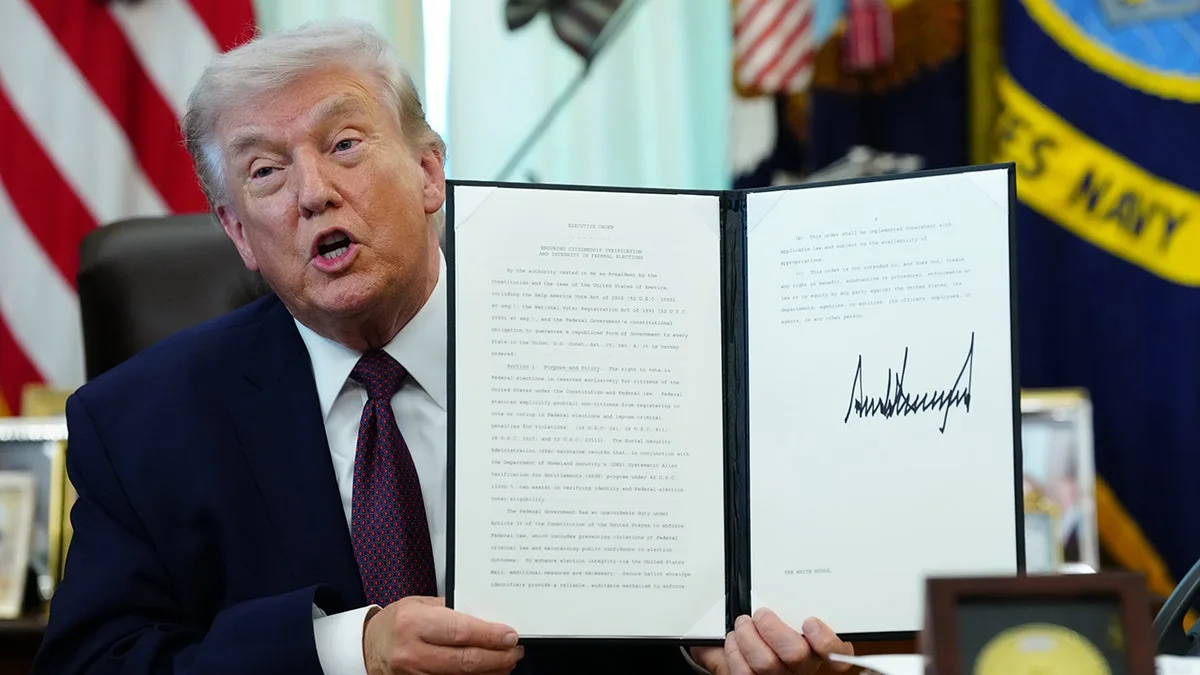
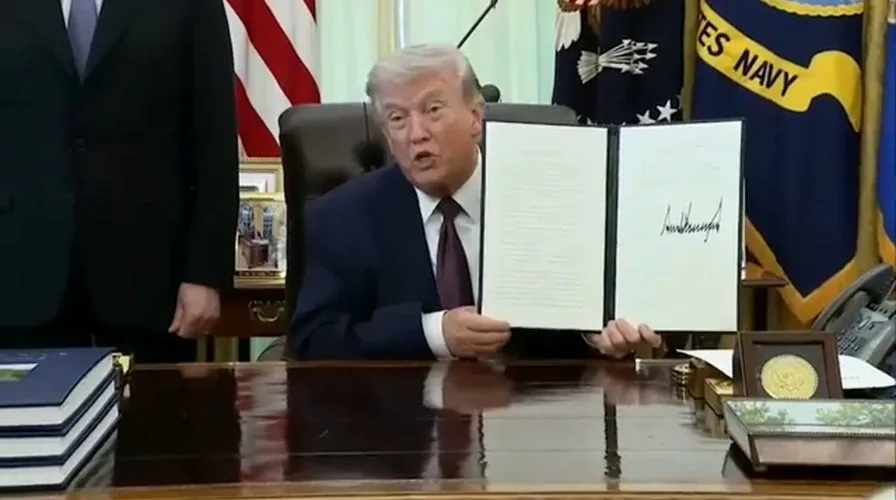
The executive order, signed by Trump on March 31, 2026, directs the Department of Homeland Security to compile state-specific lists of confirmed US citizens eligible to vote [2]. It also requires the US Postal Service to send mail-in ballots only to voters included on these state-specific absentee and mail-in voting lists [1, 2].
Judge Nichols explained the plaintiffs had not shown they suffered harm since federal agencies had not yet enforced or implemented the order. He said, "Given that the Executive Order does not command Plaintiffs to do anything, and that no agency has yet acted pursuant to the Order in a way that could harm Plaintiffs, they have not suffered any harm at present. [...] Plaintiffs may, of course, renew their motions if and when those future actions occur. Until then, however, Plaintiffs cannot show that preliminary injunctive relief is warranted" [2].
Opponents including Democrats and civil rights groups argue the order is likely unconstitutional, maintaining that election rules fall under state and congressional authority rather than the presidency [1, 2].
The judge allowed for the possibility of renewed legal challenges if federal agencies take actions implementing the executive order that harm the plaintiffs [1, 2]. The case remains open for future motions pending agency enforcement or other concrete impacts.