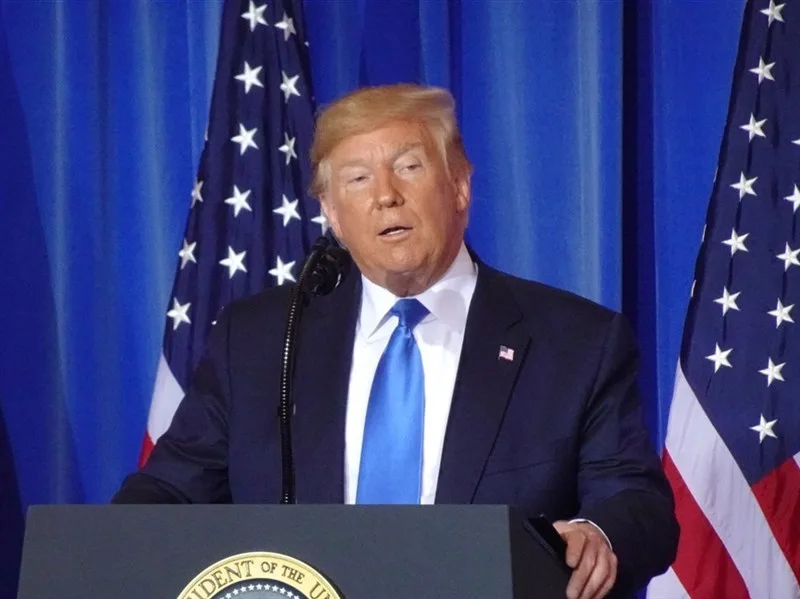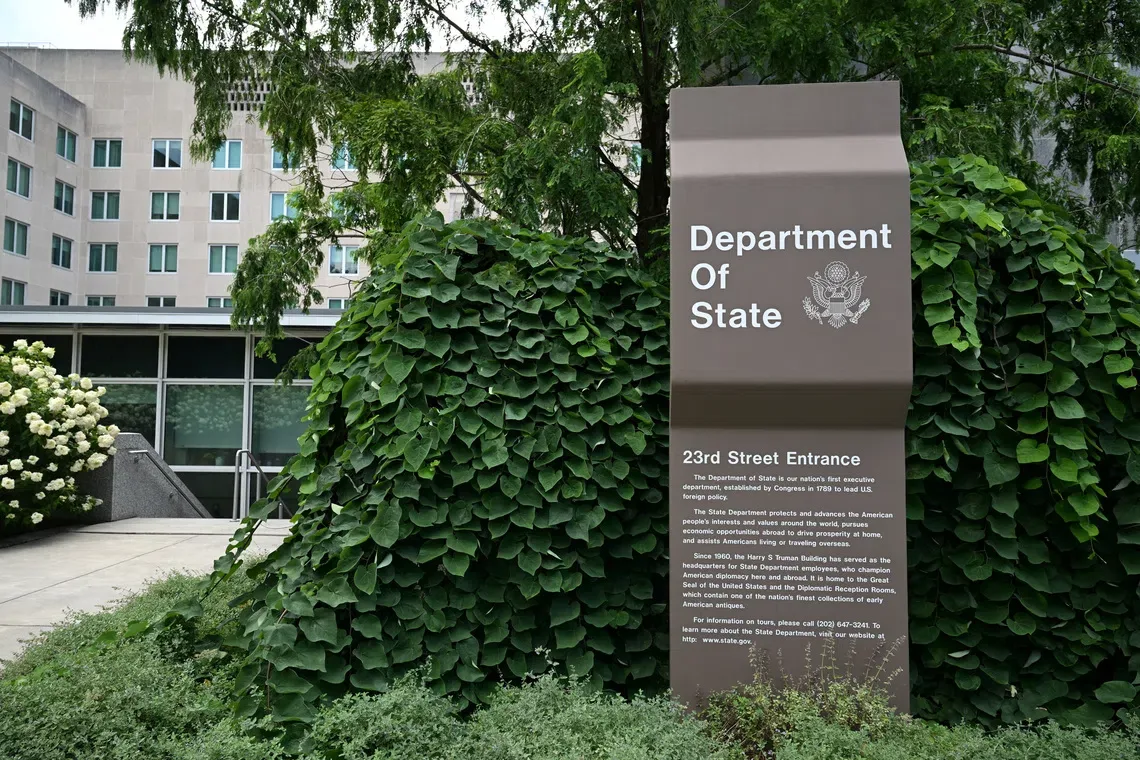
A US federal judge on August 21, 2026, struck down a policy from the Trump administration that suspended immigrant visa processing for applicants from 75 countries, declaring it "patently unlawful" and beyond the Secretary of State's legal authority [1, 2, 3, 4, 5, 6, 7, 8].
The suspension, announced by the State Department and implemented in January 2026, halted visa processing for nationals from countries in Latin America, the Balkans, South Asia, Africa, the Middle East, and the Caribbean [1, 9, 2, 3, 4, 5, 6, 7, 8]. Countries affected included Brazil, Colombia, Uruguay, Bosnia, Albania, Pakistan, and Bangladesh among others [1, 9, 2, 3, 5, 6, 7, 8].
The State Department justified the measure by citing a high risk that applicants from those countries would become public charges relying on government assistance [1, 9, 2, 4, 5, 6, 7, 8]. The policy was part of a broader Trump administration push to tighten immigration controls to improve domestic security [1, 2, 4, 5, 6, 7].
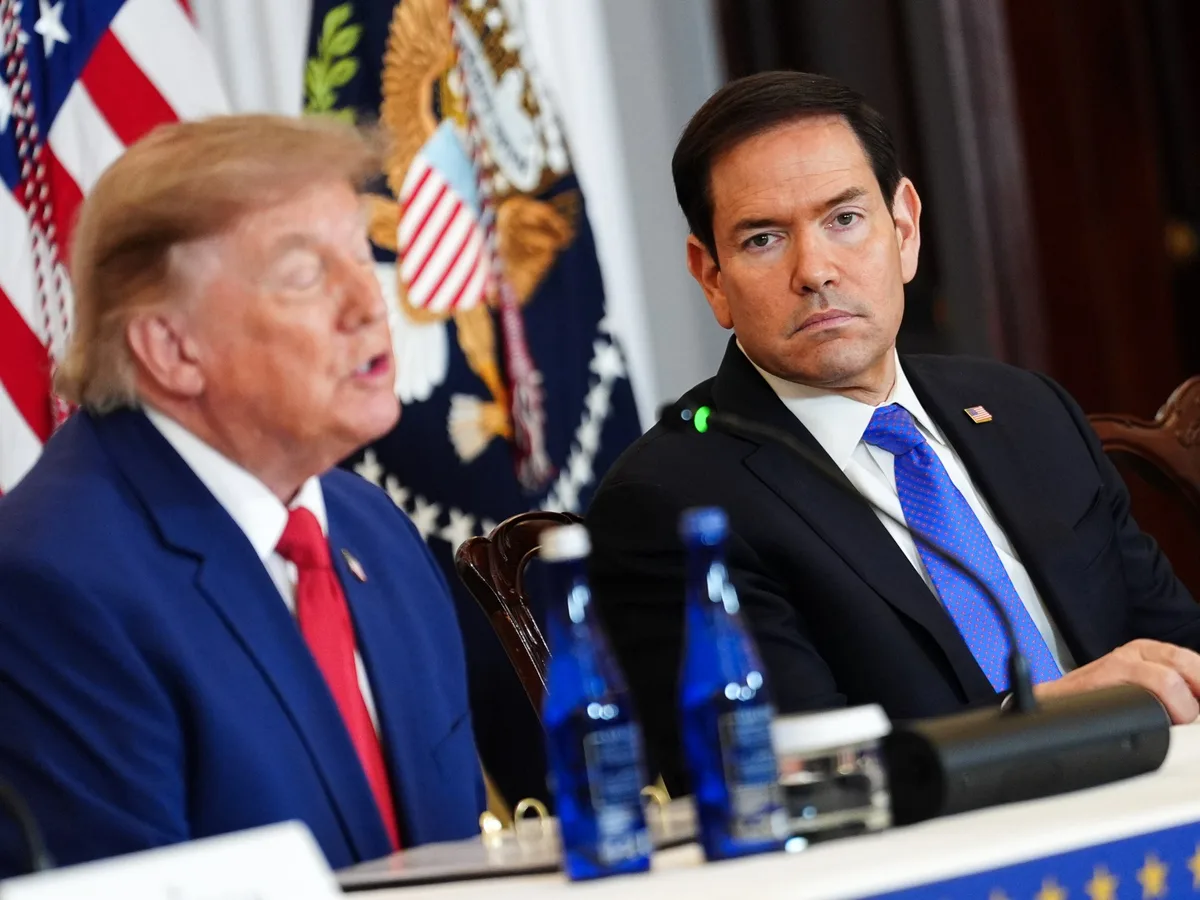
US District Judge Jeannette Vargas, appointed by President Joe Biden, ruled the policy exceeded Secretary of State Marco Rubio’s statutory authority. She noted that federal immigration law assigns immigrant visa adjudication explicitly to consular officers, not the Secretary of State. "The Policy, which categorically prohibits the issuance of immigrant visas based upon the nationality of the applicant, represents a direct abrogation of this statutory scheme," she wrote [1, 2, 5, 8].
Judge Vargas added, "While the Policy permits consular officers to exercise their normal functions up to a point, whatever determinations they make as to eligibility for the applicants subject to the Policy are ultimately irrelevant. The outcome is predetermined. The visa will be refused." She called the policy a nationality-based ban that overrides individualized consular review and sidelines officers Congress charged with making visa decisions [8].
The ruling vacates visa denials based solely on the policy and orders the government to revisit those cases [4, 8]. The judge’s 61-page opinion declared the policy "contrary to law and issued in excess of Secretary Rubio’s statutory authority" [8].
Immigrant rights groups including the Catholic Legal Immigration Network and African Communities Together filed the lawsuit, joined by visa applicants and US citizens sponsoring family members. They argued the policy violated free speech and due process rights and raised concerns about racial profiling and discrimination against minorities [1, 2, 5, 6, 7].
The State Department had not provided an immediate comment on the ruling [1, 9, 2, 6, 7].
The government must now review affected visa cases and adjust its processing to comply with the court's decision.