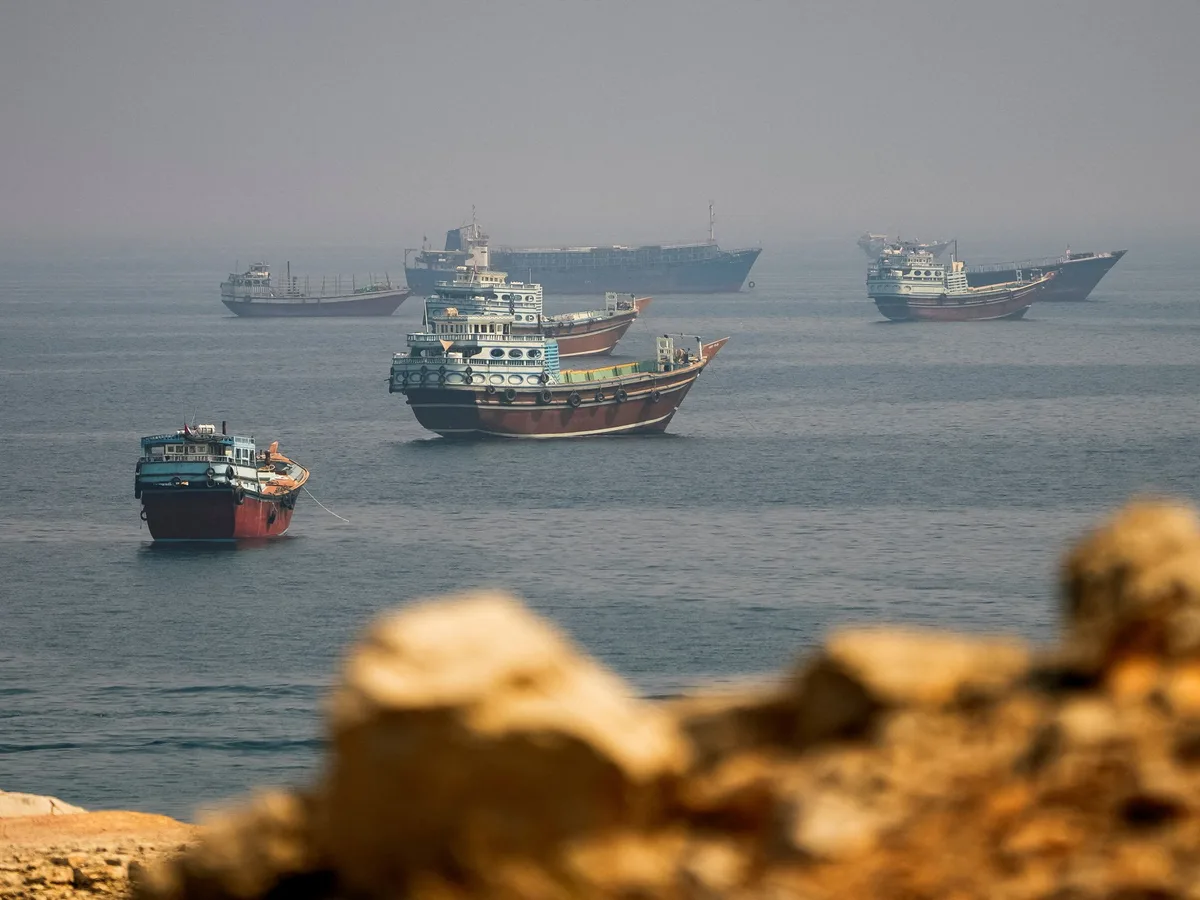
The United States launched airstrikes against Iranian Revolutionary Guard Corps (IRGC) facilities on September 1, targeting air defence sites, radar, maritime assets, and communications infrastructure [1]. Iran responded by attacking US bases and assets in Jordan, Bahrain, and Iraq, and reportedly downed US drones over the Strait of Hormuz [1, 2, 3].
Five people were killed and more than 50 wounded at a wedding near Sirik, Iran, after the US strikes [1]. Iranian parliament speaker Mohammad Baqer Qalibaf warned the international community, saying, "If the enemy wants us not to export oil from the Persian Gulf, no one will be able to export oil," signaling Tehran’s intent to tighten its blockade of the Strait of Hormuz [1].
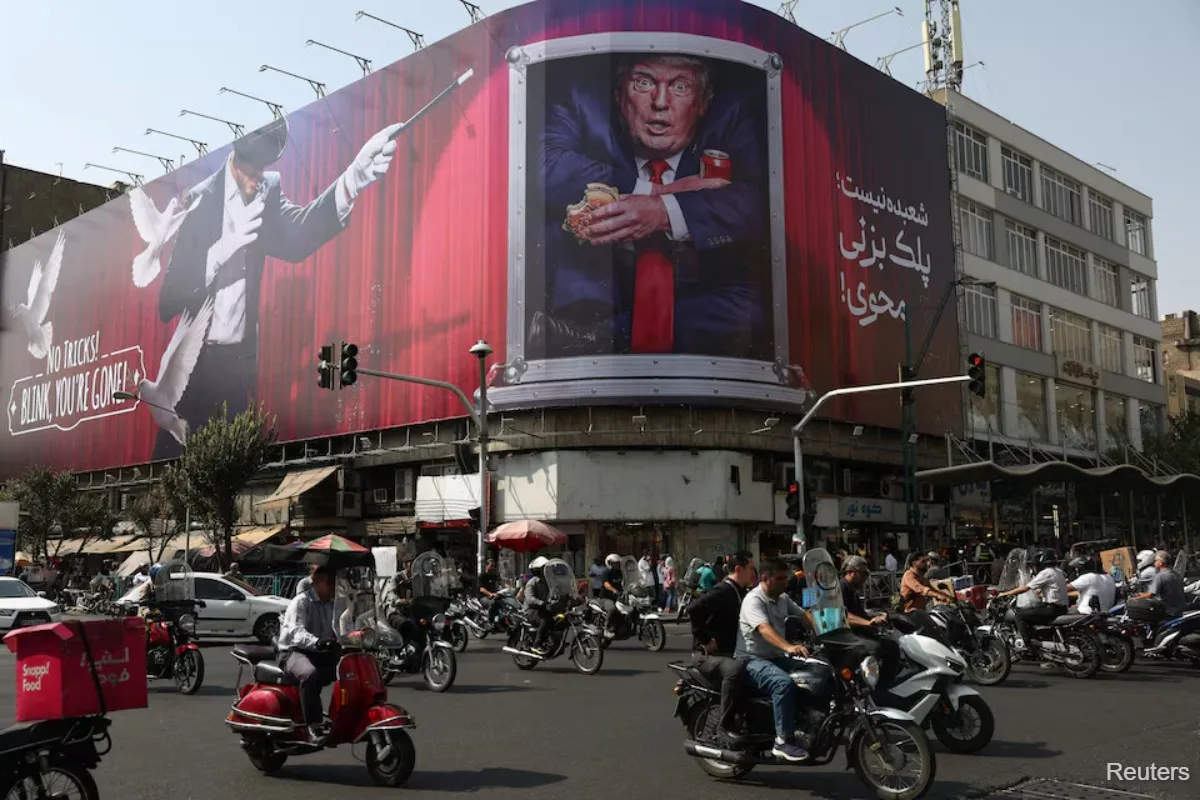
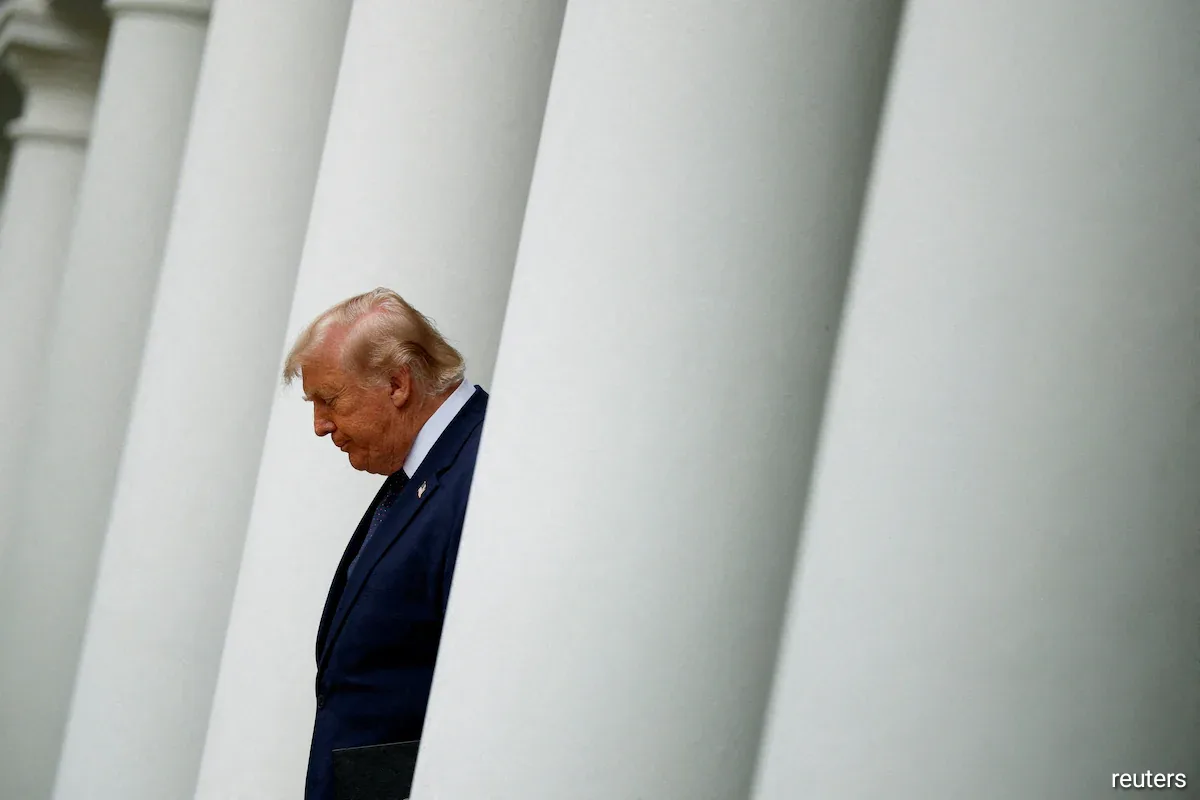
US President Donald Trump vowed a strong response to Iranian attacks on US personnel, stating, "We’re going to hit them hard" [2, 3]. The ongoing Iran-US conflict has lasted six months, during which Iran has effectively closed the Strait of Hormuz while the US has imposed a counter-blockade on Iranian ports [3, 4].
The violence escalated after the US carried out strikes on an Iranian island in the Strait of Hormuz on August 30. Iran retaliated with missile and drone attacks against US forces in Jordan and the UAE the same day [3, 4]. Following the weekend exchange of fire, the cycle of strikes intensified on September 1 [1].
Seeking to ease tensions, Qatar publicly urged both sides to return to negotiations. Qatari foreign ministry spokesman Majed Al Ansari said, "We urge the parties to exercise wisdom and return to the negotiating path, and we continue to intensify our efforts with our mediation partners to ensure a return to that path" [4]. Malaysian Prime Minister Anwar Ibrahim also called for an immediate halt to escalation, warning the conflict risks drawing the wider Middle East into war. He stated, "The sovereignty of other states cannot be cast aside. No military objective justifies exposing civilians to an expanding conflict. I urge the United States and Iran to halt further escalation and return immediately to diplomacy and the understandings reached in June. The conflict could ultimately be resolved only through political and diplomatic means" [5, 6, 7, 8, 9].
The Malaysian Embassy in Doha issued travel advisories urging Malaysians to monitor developments in Qatar following the strikes [10]. Meanwhile, the conflict has contributed to increased US military spending and broader fiscal pressures, with the US national debt surpassing $40 trillion amid warnings of an impending fiscal crunch [11].
Diplomatic efforts continue with ongoing mediation talks in Pakistan and Oman aimed at reducing hostilities and resuming dialogue between Washington and Tehran [4].